
Sattu for 10-Month Babies: Recipe, Best Brands & IAP-Approved Intro Guide

Yes, sattu is safe for 10-month-old babies and is a traditional, protein-rich first food across northern India. A basic recipe is 2 tablespoons sattu powder mixed with 1 cup warm water or milk, cooked for 8 minutes in a pressure cooker, then cooled and fed lukewarm. Start with 2-3 teaspoons per day and gradually increase based on your baby's tolerance.
If you've grown up eating sattu—that nutty, roasted gram flour staple from Bihar and Uttar Pradesh—you probably have warm memories of summer mornings, a glass of chilled sattu mixed with jaggery and water. Now that your little one has crossed the 10-month mark, sattu becomes one of the smartest additions to their breakfast rotation. It's cooling during those brutal Indian summers, packed with plant-based protein (about 12g per 100g of sattu), and familiar enough that most Indian paediatricians give it the green light. But making it safe and digestible for your baby requires the right technique, the right brands, and honest answers to the questions every parent in Delhi, Bangalore, Mumbai, and Chennai is asking right now.
Sattu: a roasted pulse flour (traditionally made from chana, masoor, or a blend) ground into fine powder, common in North Indian cuisine and valued for cooling properties in summer months.
The best organic sattu brands available on Amazon.in right now are 24 Mantra Organic (₹85 for 500g), Jiva Organic (₹95 for 500g), and Organic India (₹165 for 500g)—all certified and widely stocked in tier-1 and tier-2 cities. We'll cover how to pick the safest brand, prepare sattu using a pressure-cooker method your baby can actually digest, and answer the questions paediatricians hear most often about introducing this traditional food.
Why Sattu for Your 10-Month-Old?
By 10 months, your baby's digestive system is ready for more complex textures and proteins. According to IAP (Indian Academy of Pediatrics) guidelines, babies at this stage benefit from iron-rich and protein-dense foods introduced gradually. Sattu checks both boxes. A single serving delivers B vitamins, plant-based iron, and fibre—nutrients that support growing bones and developing cognition during this critical window.
What makes sattu especially valuable in the Indian summer is its cooling nature. Ayurvedic tradition (and now backed by anecdotal reports from thousands of parents across Indian cities) suggests sattu helps regulate body temperature and prevents heat-related constipation—a common issue for babies during March-June heat waves in North India. This is why you'll see sattu recommended heavily by paediatricians in Delhi, Lucknow, and Jaipur during summer months.
The other reason: cost. A 500g bag of decent organic sattu costs between ₹85–₹165, making it one of the most affordable nutrient-dense breakfast options you can offer daily.
How to Make Sattu Porridge: Pressure-Cooker Method
Step 1: Choose your sattu brand carefully. Organic varieties (24 Mantra, Jiva, Organic India) are preferred for babies because they're less likely to contain pesticide residues. Check the Amazon.in product page to confirm the brand lists only pulse flour and salt as ingredients—nothing else. If the label mentions additives or thickeners, skip it.
Step 2: Measure and roast lightly (optional but recommended). Take 2 tablespoons of sattu powder in a small dry pan over medium heat for 60 seconds, stirring constantly. This removes any residual moisture and makes digestion easier. Let it cool for 2 minutes.
Step 3: Add liquid and cook. Mix the roasted sattu with 1 cup of warm water (or breast milk, cow's milk, or top-up formula if you're mixing). Stir well to avoid lumps. If using a pressure cooker, add this mixture to 1 cup of water in the cooker, seal, and cook on high pressure for 1 whistle only (about 8 minutes). If cooking on stovetop, simmer for 5–7 minutes on low heat, stirring frequently.
Step 4: Cool and serve. Let the mixture cool to body temperature (test on your inner wrist as you would with bottle feeds). The consistency should be porridge-like—pourable but not runny. If it's too thick, add warm water in small amounts.
Mixing ratios for flavour: After your baby tolerates plain sattu for 3–4 days, you can mix in 1 teaspoon of jaggery or finely mashed dates to add sweetness naturally. Avoid honey entirely (risk of botulism under 12 months, per IAP guidelines). Never add salt or spices at this stage.
Best Organic Sattu Brands for Babies: 2026 Guide
| Brand | Price (500g) | Certification | Availability | Baby-Friendly Notes |
|---|---|---|---|---|
| 24 Mantra Organic | Rs. 85 | USDA + India Organic | Amazon.in, Bigbasket | Simple ingredient list; widely available across India |
| Jiva Organic | Rs. 95 | India Organic | Amazon.in, local stores | Finely ground, less gritty texture for 10-month babies |
| Organic India | Rs. 165 | USDA + NPOP | Amazon.in, premium stores | Premium but overkill for babies; better for toddlers 18+ months |
Our pick for 10-month-olds: 24 Mantra Organic or Jiva Organic. Both are competitively priced, certified, and have clean ingredient labels. The 24 Mantra option is better if you're on a budget; Jiva is slightly finer in texture, which some babies prefer. Organic India is excellent quality but the price premium doesn't add baby-specific value at this age.
Always check the Amazon.in product listing before buying to confirm the batch is recent (printed date within the last 3 months) and that the label matches the official brand website. Counterfeit organic products are rare but not impossible, especially on third-party seller listings.
What Paediatricians Say
IAP guidelines recommend introducing single-grain, high-protein foods between 8–10 months as part of a varied diet. Sattu fits this criterion perfectly. Most paediatricians in tier-1 Indian cities approve sattu introductions at 9–10 months if the baby has already tolerated dal, rice, and ragi without reactions. Key safety point: always introduce sattu on a day when you're home and can monitor your baby for any signs of loose stools or rashes over the next 48 hours.
- Start small: 2–3 teaspoons on day 1; increase to 3–4 tablespoons by day 7 if tolerated well.
- Summer advantage: Sattu's cooling properties make it ideal for babies aged 10+ months during April–June in North India, reducing heat-related digestion issues.
Storage, Allergies & Introduction Timeline
Store opened sattu packets in an airtight glass container away from sunlight and humidity. Most 500g packets last 4–6 weeks in normal conditions, or up to 12 weeks if kept in the refrigerator. Label the opening date on the container. Discard if you notice any off smell or moisture clumps.
Allergy watch: Sattu is made from pulses (chana, masoor, or blends), so if your baby has a known pulse allergy, avoid it entirely. If there's no prior allergy history in your family, sattu is generally very safe—pulse allergies are uncommon in babies under 12 months in India. Start with 1–2 teaspoons and wait 48 hours before increasing. Watch for loose stools, rashes, or vomiting. These are rare but warrant a call to your paediatrician.
Introduction timeline per IAP: At 10 months, your baby should already be eating single grains (rice, ragi) and at least one dal variety. Introduce sattu as a separate breakfast food on its own for 3–5 days, then you can mix it with other foods. By 12 months, sattu can be a regular breakfast staple offered 3–4 times per week.
Our Top Picks
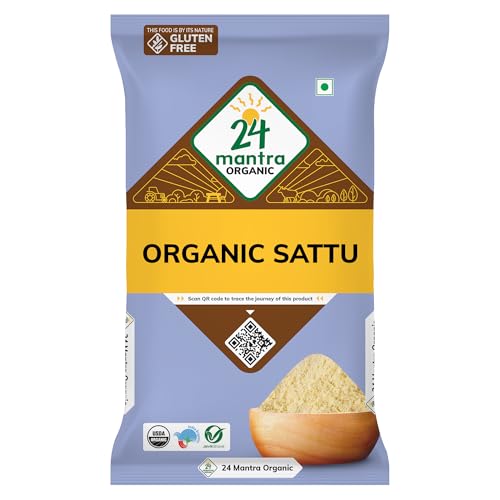
24 Mantra Organic Chana Sattu
- ✓ 500g pack
- ✓ USDA & India Organic certified
- ✓ No additives or preservatives
* We earn a small commission — at no extra cost to you.
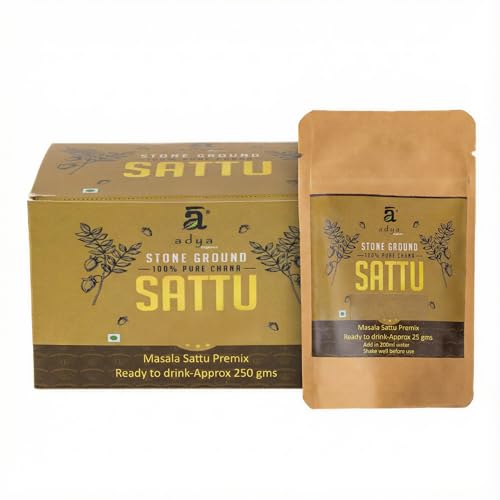
Jiva Organic Sattu Mix
- ✓ 500g pack
- ✓ India Organic certified
- ✓ Finely ground texture
* We earn a small commission — at no extra cost to you.
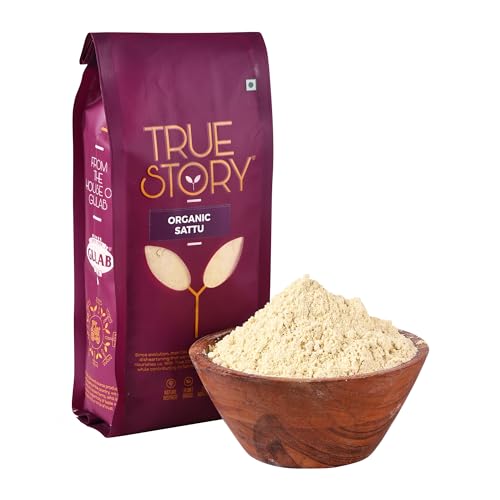
Organic India Certified Sattu
- ✓ 500g pack
- ✓ USDA & NPOP certified
- ✓ Premium organic sourcing
* We earn a small commission — at no extra cost to you.