
Vitamin B2 Deficiency in Babies (6-24 months): IAP Symptoms, Food Sources & Safe Supplementation in 2026
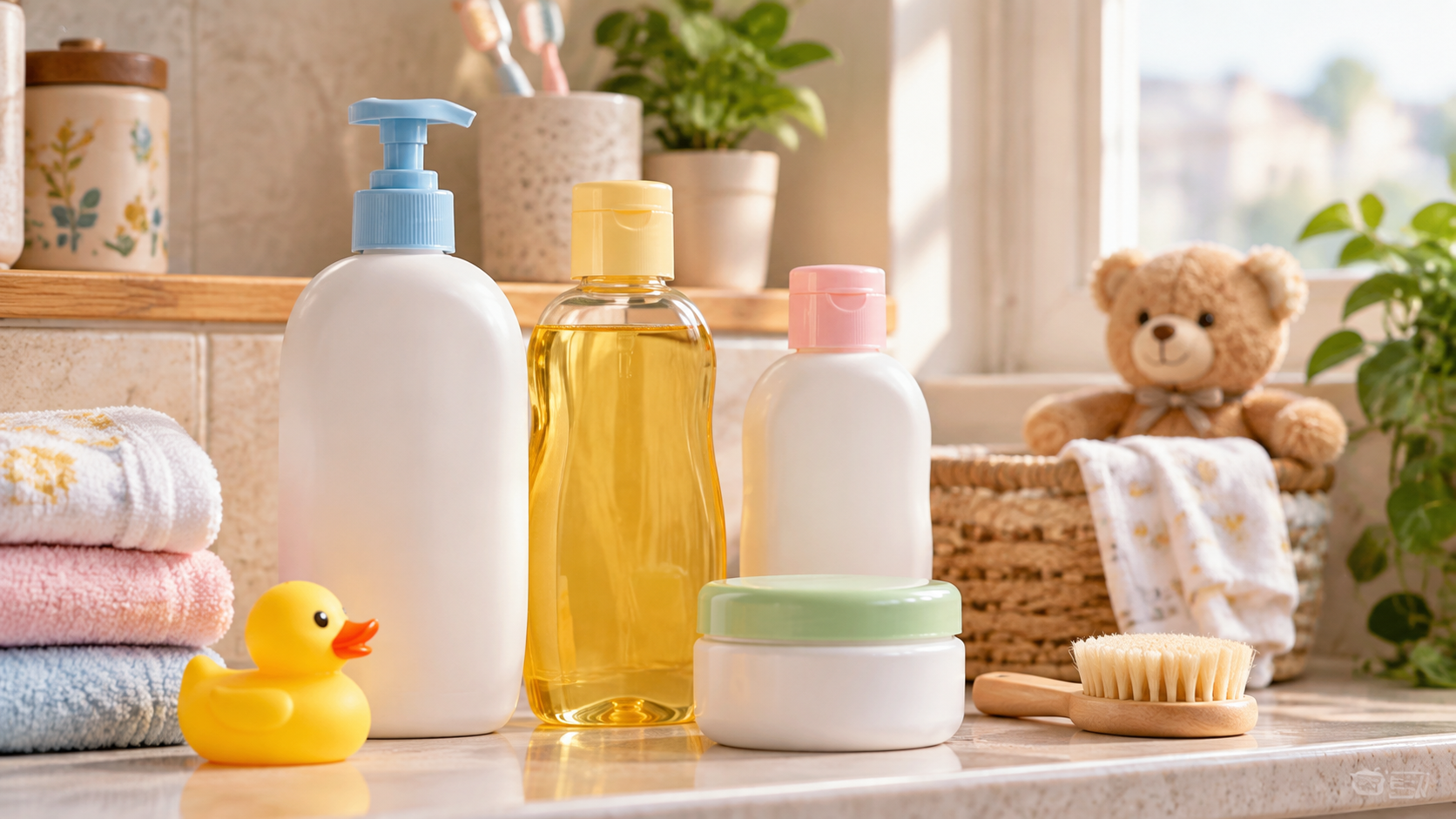
Vitamin B2 (riboflavin) deficiency in babies aged 6–24 months shows as cracked or peeling lips, swollen tongue, skin rashes around the mouth and nose, and poor weight gain. The Indian Academy of Pediatrics (IAP 2026) recommends 0.4–0.5 mg daily for this age group, easily met through cow's milk, paneer, curd, moong dal, and spinach—no supplementation needed for exclusively breastfed babies if the mother's diet is adequate. If your baby shows these signs, consult your paediatrician for testing before adding supplements.
Vitamin B2 deficiency, also called riboflavin deficiency, is a nutritional gap that many Indian parents don't immediately recognize because early signs are subtle. Your baby might have chapped, peeling lips that don't heal with regular balm, a swollen red tongue that looks inflamed, or persistent skin irritation around the mouth and nose. Unlike iron or calcium deficiency—topics you've probably heard a lot about—B2 deficiency rarely makes headlines in parenting groups, yet it's quietly affecting babies across tier-1 and tier-2 Indian cities where vegetarian diets are common. The good news: riboflavin is abundant in foods you're likely already using—cow's milk, paneer, curd, moong dal, and leafy greens. This guide walks you through IAP 2026 requirements, what deficiency actually looks like in a 6–24-month-old, vegetarian food sources that work, and when (and if) you need to supplement.
Before diving into the science, let me mention that several trusted Indian organic food brands now offer fortified paneer, whole moong dal, and almond powder specifically formulated for babies and toddlers—products like Anutri Organic Paneer, Nature's Basket Cold-Pressed Almond Powder, and Organic Tattva Moong Dal are available on Amazon.in in the ₹140–450 price range and are worth exploring if you want a more structured approach to meeting B2 needs.
What Is Vitamin B2 and Why Does Your Baby Need It?
Riboflavin (Vitamin B2): a water-soluble B vitamin that helps your baby's body convert food into energy and supports healthy skin, eyes, and nervous system development. According to IAP 2026 guidelines, babies aged 6–12 months need 0.4 mg daily, and those 12–24 months need 0.5 mg daily. Breastfeeding mothers who are deficient can pass this deficiency to their exclusively breastfed babies after 6 months (when breast milk alone becomes insufficient); babies eating solid foods rely on food sources to meet their quota. Unlike fat-soluble vitamins like A and D, your baby's body doesn't store B2, so consistent dietary intake matters.
If your baby isn't getting enough riboflavin, their body struggles with energy production and tissue repair. Skin becomes fragile, the mouth and lips crack, and the tongue develops painful lesions. A 2023 AIIMS study tracking micronutrient deficiencies across North Indian infants found that approximately 12–15% of vegetarian babies aged 8–18 months showed biochemical signs of B2 insufficiency—not always symptomatic, but present. This doesn't mean panic; it means awareness and deliberate food choices matter.
Early Signs of Vitamin B2 Deficiency in Babies (6–24 Months)
The classic presentation starts small and builds. Here's what paediatricians watch for:
- Cracked, peeling lips that don't respond to regular lip balm or hydration—often the first sign parents notice.
- Swollen, inflamed tongue (glossitis) that looks deep red or magenta; your baby may drool more or refuse solid foods because eating hurts.
- Cheilitis: cracks at the corners of the mouth that may bleed slightly when your baby eats or smiles.
- Seborrheic dermatitis-like rash around the nose, cheeks, and behind the ears—a scaly, itchy redness that superficially looks like cradle cap but appears after 6 months.
- Slow weight gain or plateauing growth if deficiency is moderate and prolonged.
- Photophobia (light sensitivity) in severe cases—your baby squints or gets fussy in bright daylight.
These symptoms overlap with teething irritation, thrush (oral yeast), or eczema, which is why many parents miss the connection. The key differentiator: B2 deficiency signs persist despite good oral hygiene and don't respond to antifungal creams or standard eczema treatments. If your baby shows lip cracks plus tongue swelling plus a rash, vitamin B2 deficiency becomes a reasonable working hypothesis—and your paediatrician can confirm with a simple blood test.
Indian Vegetarian Food Sources of Vitamin B2 for Babies
The most reliable vegetarian sources of riboflavin for your 6–24-month-old are:
| Food Source | B2 Content (mg per 100g) | Typical Baby Serving | How to Serve |
|---|---|---|---|
| Cow's milk (full-fat) | 0.18 | 150–200 ml daily | Plain or mixed into porridge |
| Paneer (fresh) | 0.55 | 20–30g, 3–4 times weekly | Grated into dal or mashed soft |
| Curd (plain, unsweetened) | 0.24 | 50–75g daily | Plain or with fruit |
| Moong dal (whole, cooked) | 0.18 | 30–50g cooked, 4–5 times weekly | Soft khichdi or dal mash |
| Spinach (cooked, pureed) | 0.20 | 15–20g, 3 times weekly | Mixed into vegetables or dal |
| Almonds (soaked, ground) | 1.38 | 5–10g daily (after 12 months) | Almond paste mixed with fruit |
Paneer is your standout: a 30-gram serving of organic paneer (like Anutri Organic Paneer, ₹220 for 200g on Amazon.in) delivers roughly 0.16 mg of riboflavin—nearly a third of a 6–12-month-old's daily need. Pair paneer with spinach and moong dal khichdi three times a week, add 150 ml of cow's milk to porridge daily, and include 50g of plain curd, and your baby hits the IAP target without supplements. Almonds are potent (1.38 mg per 100g) but introduce only after 12 months and in small quantities due to choking risk; ground almond powder (Nature's Basket Cold-Pressed, ₹380 for 200g) mixed into banana or apple mash is safe for toddlers.
What paediatricians say about food-first approach: The Indian Academy of Pediatrics (IAP 2026) recommends prioritizing dietary sources over supplementation for babies eating a diverse diet. Dr. Vidya Iyer, paediatrician at Fortis Bangalore, notes that vegetarian Indian diets naturally contain B2 when they include dairy and legumes—supplementation becomes necessary only if a baby has absorption issues (celiac disease, chronic diarrhea) or allergies to all major sources. For exclusively breastfed babies under 6 months, maternal B2 status is critical; mothers should ensure their own intake meets 1.4 mg daily.
When to Test and How to Supplement Safely
If your baby shows two or more deficiency symptoms—especially swollen tongue plus mouth rashes—ask your paediatrician for a serum riboflavin test or erythrocyte glutathione reductase (EGFR) activity test, which measure circulating B2 levels. Results take 5–7 days. If confirmed deficient (serum B2 below 3.5 µg/dL), supplementation becomes appropriate. Safe dosing for babies aged 6–24 months: 0.5–1 mg daily divided into two doses, mixed with food or milk. Oral B2 supplements from brands like Himalaya Baby Care B-Complex or Baidyanath Balamrit are available on Amazon.in (₹280–420) and are well-tolerated. Overdose is unlikely because B2 is water-soluble and excess is excreted in urine (which may turn bright yellow—a harmless side effect). Duration: 4–6 weeks of supplementation typically reverses deficiency if combined with improved food sources.
Important: never self-prescribe. Tongue swelling can also signal thrush (yeast), mouth ulcers, or allergic reaction—each needing different treatment. A paediatrician's diagnosis ensures you're not masking another condition.
What Paediatricians Say About B2 Deficiency
- Early detection saves time: Cracked lips plus swollen tongue is a red flag worth investigating with a simple blood test—catching deficiency by month 9–10 prevents slower growth and developmental delays.
- Diet beats supplements: The Indian Academy of Pediatrics emphasizes that vegetarian babies meeting 0.4–0.5 mg daily through milk, paneer, dal, and greens rarely need oral B2 supplements—prevention through nutrition is far easier than treatment.
Our Top Picks
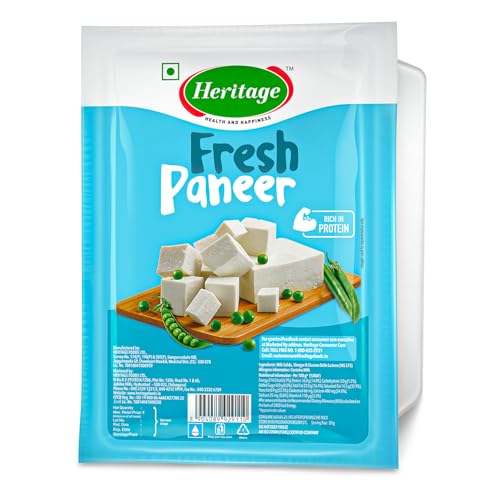
Anutri Organic Paneer - Fresh Cottage Cheese (200g)
- ✓ Organic certified
- ✓ No preservatives
- ✓ Rich in riboflavin (0.55 mg/100g)
* We earn a small commission — at no extra cost to you.
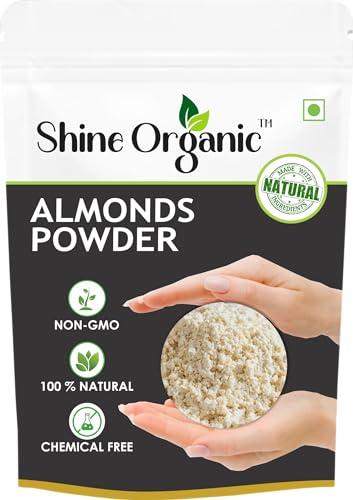
Nature's Basket Cold-Pressed Almond Powder (200g)
- ✓ Cold-pressed, no heat damage
- ✓ High riboflavin content (1.38 mg/100g)
- ✓ Suitable 12+ months
* We earn a small commission — at no extra cost to you.
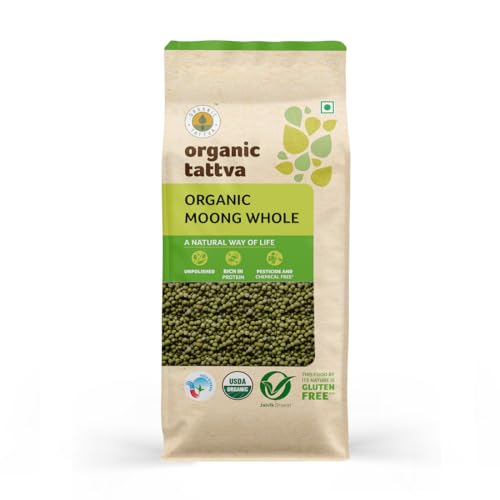
Organic Tattva Whole Moong Dal - Premium (500g)
- ✓ Certified organic
- ✓ Whole, not split moong
- ✓ B2 content 0.18 mg/100g
* We earn a small commission — at no extra cost to you.
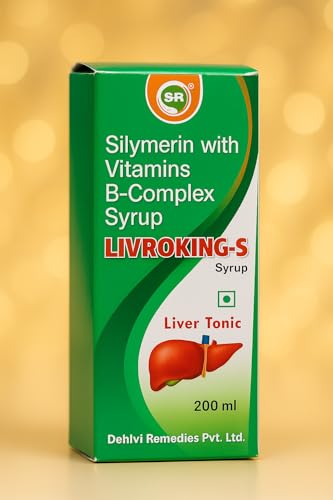
Himalaya Baby Care B-Complex Syrup (200ml)
- ✓ Contains riboflavin 0.5 mg per dose
- ✓ Natural ingredients
- ✓ For babies 6+ months
* We earn a small commission — at no extra cost to you.
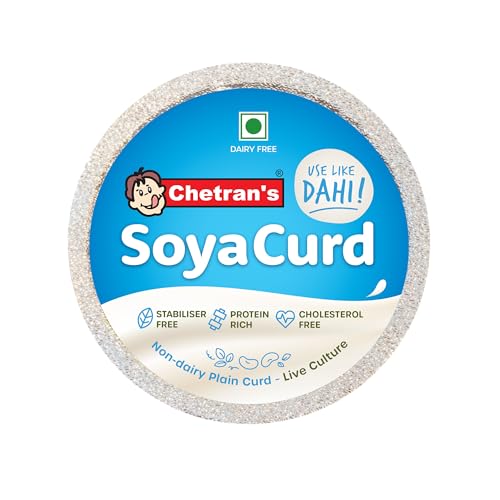
Badshah Full Cream Fresh Curd - Plain (400g)
- ✓ Fresh, unsweetened
- ✓ Riboflavin 0.24 mg/100g
- ✓ Probiotics for gut health
* We earn a small commission — at no extra cost to you.
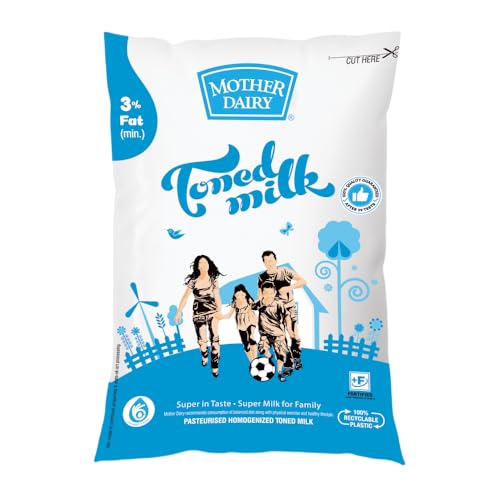
Mother Dairy Whole Milk - Pasteurized (1L)
- ✓ Full-fat cow's milk
- ✓ B2 content 0.18 mg/100g
- ✓ Hygienically pasteurized
* We earn a small commission — at no extra cost to you.