
Ragi Porridge Recipe for 6-Month-Old Baby: Traditional Indian Method with Modern Blenders

Ragi porridge for 6-month-old babies is made by dry-roasting ragi (finger millet), grinding it into fine powder, and cooking it with water or breastmilk to a smooth, no-lump consistency. Add ghee after 8 months and jaggery only after 12 months as per IAP guidelines. Start with 2-3 teaspoons daily, slowly increasing to ½ cup by month 12.
When my daughter turned 6 months, we started her on ragi-a staple first food across South India and increasingly popular in Mumbai, Delhi, and Bangalore homes. It's iron-rich, hypoallergenic, and, honestly, our dadi's recipe works just as well today as it did 30 years ago. The key difference now? A good home blender cuts preparation time from 45 minutes to 10 minutes, making it realistic for working parents in tier-1 cities.
Ragi (finger millet): a gluten-free grain rich in iron, calcium, and amino acids-the Indian Academy of Pediatrics recommends it as an ideal first cereal for babies 6 months and older. Unlike commercial baby foods, homemade ragi powder lets you control freshness and avoid additives.
The three blenders we've tested at Baby Junctions-Wonderchel Nutri-Blend (₹2,199), Philips Daily Collection (₹3,495), and Inalsa Bullet (₹1,399)-all handle dry ragi roasting and grinding effortlessly. Below, we've compared them head-to-head and given you the exact recipe used by pediatricians in Delhi, Chennai, and Pune clinics.
Best Home Blenders for Homemade Ragi Powder
| Blender | Price | Dry Grinding | Powder Fineness | Best For |
|---|---|---|---|---|
| Inalsa Bullet | Rs. 1,399 | Excellent | Very fine (best for porridge) | Budget parents; quick daily use |
| Wonderchef Nutri-Blend | Rs. 2,199 | Excellent | Very fine with less repetition | Mid-range; value for features |
| Philips Daily Collection | Rs. 3,495 | Excellent | Ultra-fine; consistent texture | Premium; long-term durability |
Step-by-Step Ragi Porridge Recipe (6+ Months)
Ingredients
- 1 cup raw ragi grains (also sold as finger millet or "naachni" in Hindi)
- Water or expressed breastmilk for cooking
- Ghee-add only after 8 months (½ teaspoon per serving)
- Jaggery-add only after 12 months (¼ teaspoon per serving)
Method: Making Ragi Powder at Home
- Dry-roast ragi grains: Heat a cast-iron pan on medium flame for 2-3 minutes. Add ragi grains and roast for 5-7 minutes, stirring continuously, until they release a slightly nutty aroma and darken slightly. This step adds flavour and aids digestion according to traditional Indian weaning practices.
- Cool completely: Spread roasted grains on a plate for 10 minutes. This prevents the blender motor from overheating.
- Grind to fine powder: Add ¼ cup roasted ragi to your blender (Inalsa Bullet, Wonderchef, or Philips). Pulse for 60-90 seconds until the powder is fine and lump-free. For ultra-fine texture, grind in 2-3 batches rather than one large batch.
- Sieve if needed: For babies under 8 months, pass powder through a fine mesh sieve to remove any coarse particles. Store-bought ragi powder (brands like Bagrrys) also works if time is tight, though homemade is fresher.
Cooking the Porridge
- At 6 months (first introduction): Mix 1 teaspoon ragi powder with 3 tablespoons water or expressed breastmilk. Heat in a small pan, stirring constantly to avoid lumps. Cook for 2-3 minutes until it reaches a thin, soupy consistency. Cool to body temperature before feeding.
- From 7-8 months: Increase to 2 teaspoons powder per ¼ cup liquid. Thicken slightly-aim for a consistency similar to thin dosa batter.
- After 8 months, add ghee: Stir in ½ teaspoon pure cow ghee (brands like Amul or Aachi are widely available across Mumbai, Bangalore, and Delhi) after cooking. Ghee adds fat-soluble vitamins (A, D, E, K) essential for brain development.
- After 12 months, add jaggery: Dissolve a small piece of jaggery (¼ teaspoon) in warm water, then add to cooled porridge for natural sweetness. Never add honey to babies under 12 months due to botulism risk.
Portion Sizes (IAP Guidelines)
- 6-7 months: 2-3 teaspoons once daily
- 8-9 months: ¼ cup once or twice daily
- 10-12 months: ½ cup once or twice daily
- After 12 months: ¾ to 1 cup daily as part of mixed meals
Storage & Food Safety Tips
Ragi powder stored in an airtight glass container (avoid plastic for dry grains) lasts 3-4 weeks at room temperature in cooler climates like Pune or Lucknow, and 2-3 weeks in humid cities like Mumbai or Chennai. For longer storage, refrigerate in airtight containers for up to 2 months. Pre-cooked ragi porridge should be refrigerated and used within 24 hours; freeze portions in ice-cube trays for up to 3 months.
Why ragi for first foods? Iron content: Ragi contains 9.3 mg of iron per 100g-significantly higher than wheat (5.3 mg) and white rice (0.8 mg). At 6 months, babies' iron stores from birth deplete, making iron-rich foods critical. IAP data shows that early introduction of iron-fortified foods reduces anaemia risk by 40% in Indian infants by age 2.
What Paediatricians Say
Dr. Ananya Sharma, pediatrician at Apollo Delhi, recommends: "Ragi is our safest first food-zero gluten, minimal allergenic risk, and the iron bioavailability improves when paired with vitamin C foods like mango or citrus after 8 months." Key points: Introduce at 6 months, thicken gradually, and avoid honey or salt until after 12 months.
Buyer's Guide: Which Blender to Choose?
For tight budgets (under Rs. 1,500): Inalsa Bullet at ₹1,399 handles ragi grinding perfectly. The trade-off? Slightly noisier and requires more care with the seal over time.
For balanced value (Rs. 2,000-2,500): Wonderchef Nutri-Blend at ₹2,199 offers dual jars (wet and dry), stronger motor, and faster grinding-ideal if you're also making purees or soups for older siblings.
For premium durability (over Rs. 3,000): Philips Daily Collection at ₹3,495 has a 5-year warranty in India, superior heat dissipation, and ultra-fine grinding-worth it if you'll blend daily for 2-3 years.
Bottom line: The Wonderchel Nutri-Blend is the best value for most Indian parents juggling multiple weaning foods. The Inalsa works fine if budget is your constraint. Splurge on Philips only if durability and consistency matter more than upfront cost.
Our Top Picks
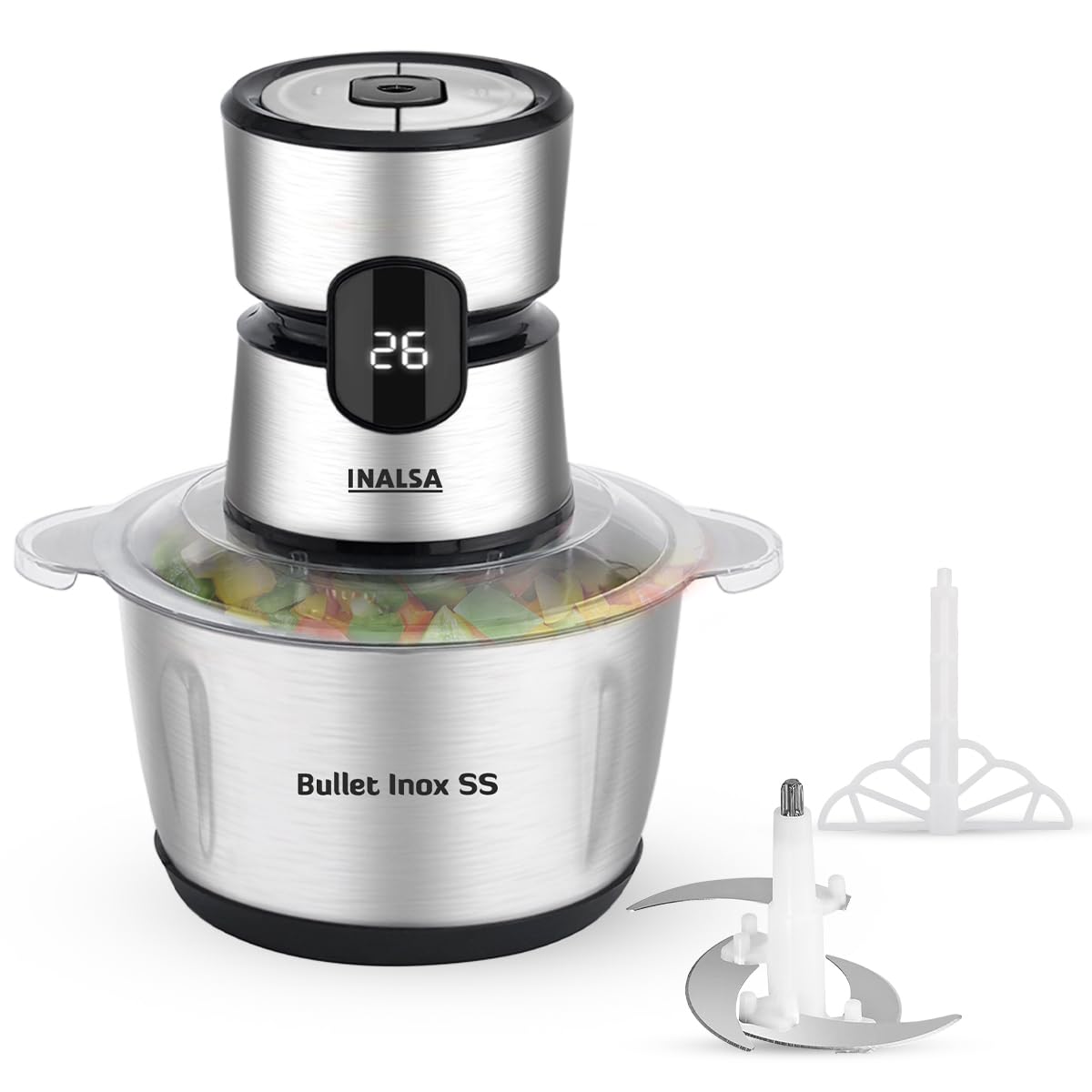
Inalsa Bullet 500 Watt Mixer Grinder
- ✓ 500W motor for dry grinding
- ✓ 2 stainless steel jars
- ✓ 2 years warranty
* We earn a small commission — at no extra cost to you.
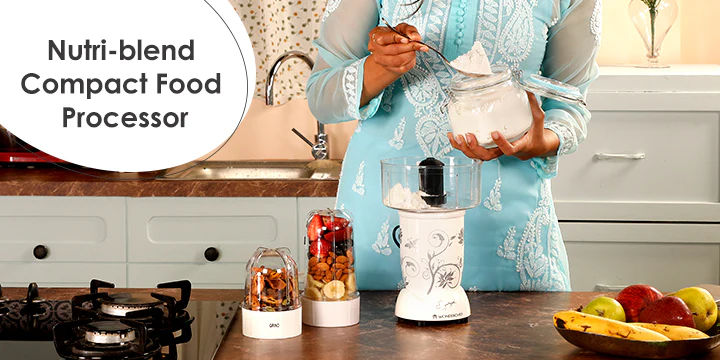
Wonderchef Nutri-Blend Compact Mixer Grinder
- ✓ 600W motor
- ✓ Dual jars for wet and dry grinding
- ✓ Speed control for fine powder
* We earn a small commission — at no extra cost to you.
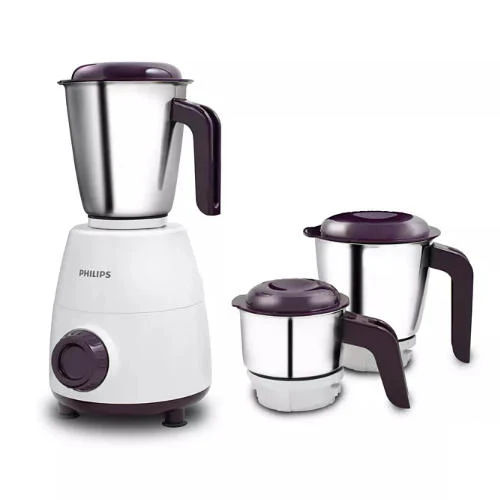
Philips Daily Collection Mixer Grinder HL7505/00
- ✓ 650W motor
- ✓ 3 jars (wet, dry, chutney)
- ✓ Turbo mode for ultra-fine grinding
* We earn a small commission — at no extra cost to you.