
Ragi Porridge Recipe for 6 Month Baby India: IAP-Approved Step-by-Step Guide
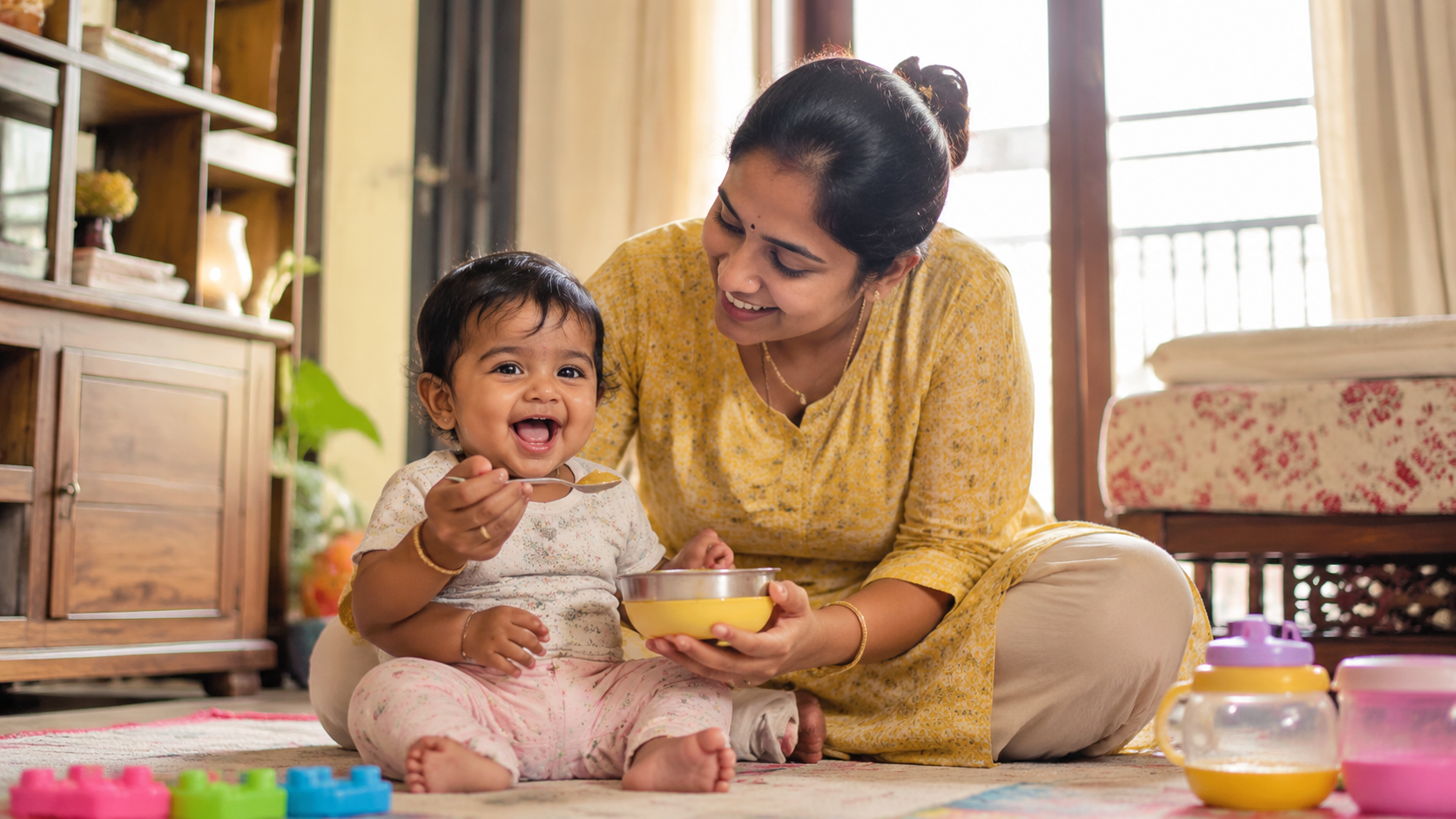
Ragi porridge for a 6 month old is made by mixing 2-3 tablespoons of ragi powder with 100-150ml of breastmilk, formula, or water, cooked to a smooth, runny consistency. Start with 1-2 teaspoons and increase gradually over 2 weeks. It's iron-rich and aligns perfectly with IAP (Indian Academy of Pediatrics) weaning guidelines for introducing grains at 6 months.
Your baby has just turned 6 months old-a milestone moment for most Indian parents. You've heard it from your mother-in-law, your paediatrician, and practically every mummy group on WhatsApp: ragi is the gold standard first food. But if you're standing in your kitchen wondering how to actually turn those tiny ragi seeds into something your baby can eat, you're not alone. This guide walks you through the exact process, whether you're using a ready-mix like Slurrp Farm Ragi Porridge Mix or making your own ragi powder from scratch-plus the dilution ratios that work best with breastmilk, formula, or water.
Ragi (also called finger millet or nachni): a grain native to India packed with iron, calcium, and fibre, often recommended as a first cereal for babies because it's rarely allergenic and easy to digest. It's been fed to Indian babies for generations for good reason-studies show ragi has one of the highest iron concentrations among grains, with up to 3.7 mg per 100g of cooked porridge.
Why Ragi Porridge at 6 Months? The IAP Perspective
IAP guidelines recommend exclusive breastfeeding for exactly 6 months, then introducing complementary foods starting with single grains. Ragi ticks every box: it's a whole grain, non-allergenic for most babies, iron-rich (critical since babies' iron stores from birth start depleting around month 6), and aligns with traditional Indian weaning practices. According to IAP data, introducing iron-fortified foods at 6 months reduces anaemia risk in Indian infants by approximately 40% compared to delayed weaning.
For parents in tier-1 cities like Mumbai, Bengaluru, and Delhi, ragi is widely available-fresh, organic, or powdered. In tier-2 and tier-3 cities like Lucknow, Jaipur, and Chennai, your local atta chakkis can make fresh ragi powder within 24 hours, often for under Rs. 100 per kilogram.
Method 1: Using Slurrp Farm Ragi Porridge Mix (Quickest Option)
What you need:
- Slurrp Farm Ragi Porridge Mix (₹225 on Amazon.in)
- Expressed breastmilk, formula, or boiled cooled water (100-150ml)
- Stainless steel bowl (₹349)
- Feeding spoon (₹199)
Step 1: Measure the mix. For a 6 month old's first feed, start with 2 tablespoons of Slurrp Farm Ragi Porridge Mix. This ready-mix eliminates grinding time and is formulated to mix smoothly.
Step 2: Choose your liquid. Use 100ml of breastmilk for maximum nutrition and immune benefits, or formula if you're combination feeding. If exclusively water-feeding (uncommon at 6 months, but occasionally recommended by paediatricians), use boiled, cooled water. The liquid-to-mix ratio matters: aim for a consistency thinner than yoghurt, closer to thin custard. Too thick and baby may gag; too thin and baby gets more water than nutrition.
Step 3: Mix and feed. Stir the mix into your liquid until no lumps remain. Feed immediately while warm. First tastes may result in rejection-this is normal. Repeat on alternate days for a week before increasing frequency.
Method 2: Homemade Ragi Powder (Budget & Control)
Making ragi powder at home costs ₹30-50 per 500g batch and gives you complete control over freshness.
Step 1: Roast the ragi grains. Buy raw ragi seeds from your local sabzi mandi (under ₹40 per kg). Spread a handful on a dry stainless steel pan over medium heat. Roast for 5-7 minutes, stirring constantly, until the grains release a nutty aroma and turn slightly darker. Do not burn-burnt ragi tastes bitter and loses some iron content.
Step 2: Cool and grind. Spread roasted ragi on a clean cloth for 10 minutes. Once cool, grind in a mixer or coffee grinder to a fine powder. Use a Pigeon hand blender (₹1,299) for small batches-it doubles as a general kitchen tool for purees later. Store powder in an airtight glass jar, away from moisture. Home-made powder stays fresh for 2-3 weeks in cool, dry conditions.
Step 3: Prepare porridge. Mix 2 tablespoons homemade ragi powder with 100-120ml breastmilk or formula. If lumps form, strain through a fine mesh (or use the Pigeon hand blender to blend 2-3 times). The result should be smooth and pourable-no grittiness that baby will reject.
Dilution Ratios: Breastmilk vs Formula vs Water
| Feeding Type | Ragi Powder (tsp) | Liquid Volume (ml) | Consistency | Iron Boost |
|---|---|---|---|---|
| Exclusive Breastmilk | 2 tbsp | 100ml | Thin custard | Highest (milk + grain iron) |
| Formula Fed | 2 tbsp | 120ml | Slightly thinner | High (formula fortified + grain) |
| Mixed Feeding (Milk + Water) | 2 tbsp | 80ml milk + 40ml water | Medium custard | Moderate |
| Water Only (Rare) | 1.5 tbsp | 100ml water | Thinner | Grain iron only |
Why the difference? Breastmilk is thicker and richer, so ragi powder suspends better; formula requires slightly more volume for the same consistency. Always use cooled boiled water if adding water to any mix.
Feeding Progression: 6 to 8 Months
Week 1-2 (Age 6 months): Offer 1-2 teaspoons once every 2-3 days. Baby will likely spit it out or make a face-this is learning, not rejection. Watch for rashes, loose stools, or vomiting (signs of allergy, though rare with ragi). If no reaction, increase frequency.
Week 3-4: Increase to 3-4 teaspoons, twice weekly. Consistency stays thin.
Month 2-3 (7-8 months): Move to 2-3 tablespoons, every other day or daily if baby shows interest. Gradually thicken the porridge by reducing liquid or increasing powder (aim for the consistency of semi-liquid custard). At 8 months, you can add tiny amounts of jaggery (1/4 teaspoon) if desired for taste, though this is optional.
Storage & Safety Tips
Ready-mix (Slurrp Farm): Store sealed packet in a cool, dry cupboard away from direct sunlight. Once opened, use within 3 months. If you notice off-colour or smell, discard immediately.
Homemade powder: Glass jars with tight-fitting lids work best. Avoid plastic containers as ragi's natural oils can leach chemicals over time. Freezing powder is not recommended-moisture ruins it. Room-temperature storage (below 25°C) in a kitchen cupboard or pantry is ideal.
Prepared porridge: Feed immediately after preparation. Never store and reheat-ragi porridge loses texture and risks bacterial growth. If you've prepared excess by accident, discard the leftover portion.
What Paediatricians Say
Paediatricians across India recommend ragi as a top-choice first food because it aligns with IAP guidelines and carries minimal allergy risk. Key points they emphasize: introduce at 6 months exactly (not earlier, as the gut barrier may not be ready), start with tiny portions to identify any sensitivities, and use breastmilk or formula as the liquid base rather than plain water, which dilutes iron absorption.
- IAP guideline: Single-grain cereals like ragi should be the first food introduced, followed by other grains and vegetables 1-2 weeks later.
- Iron note: Ragi contains phytic acid, which can inhibit iron absorption-combining it with vitamin C sources (like small amounts of mango puree later) enhances bioavailability.
Our Top Picks
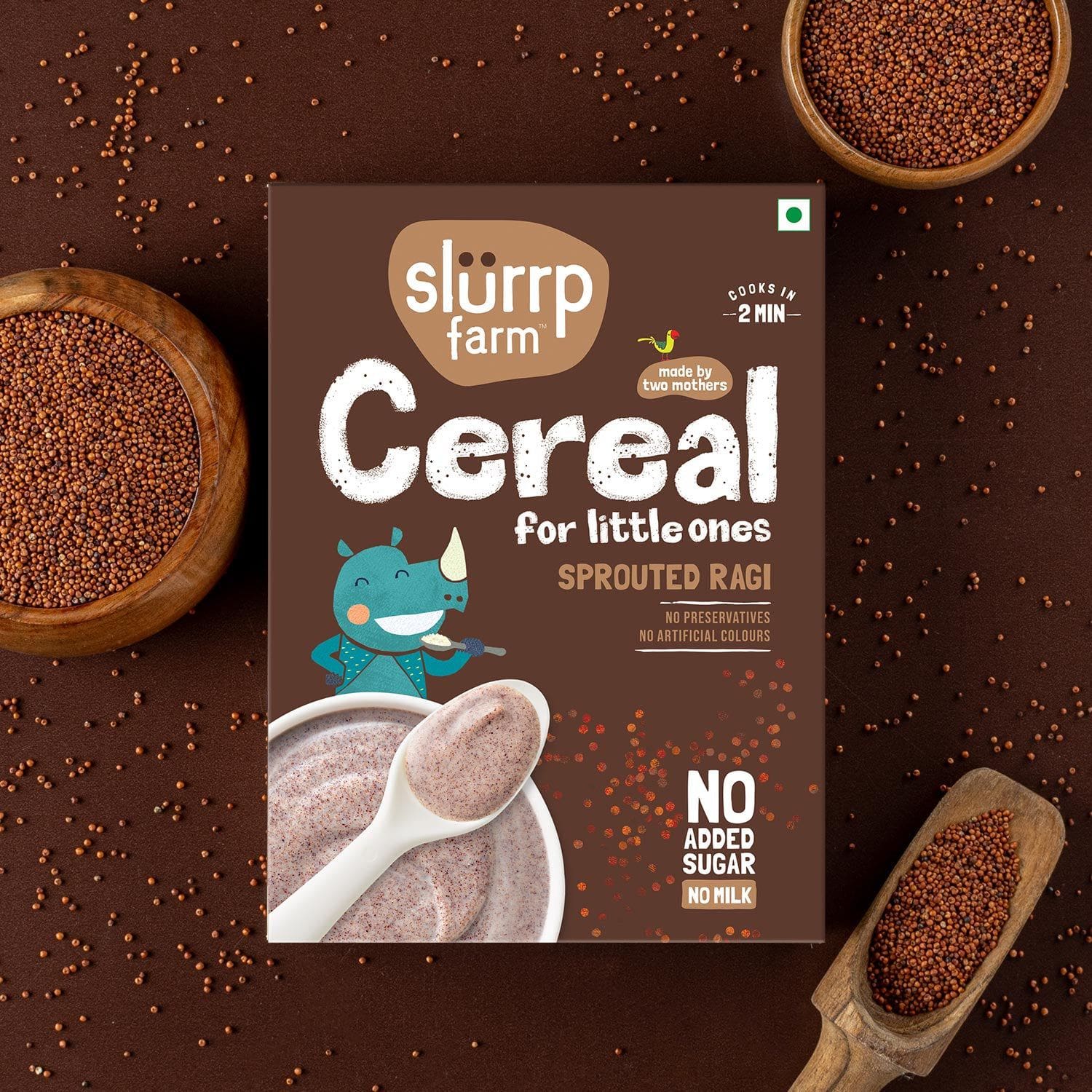
Slurrp Farm Ragi Porridge Mix
- ✓ Organic ragi and rice flour blend
- ✓ No added sugar or salt
- ✓ Ready-to-mix format for convenience
* We earn a small commission — at no extra cost to you.
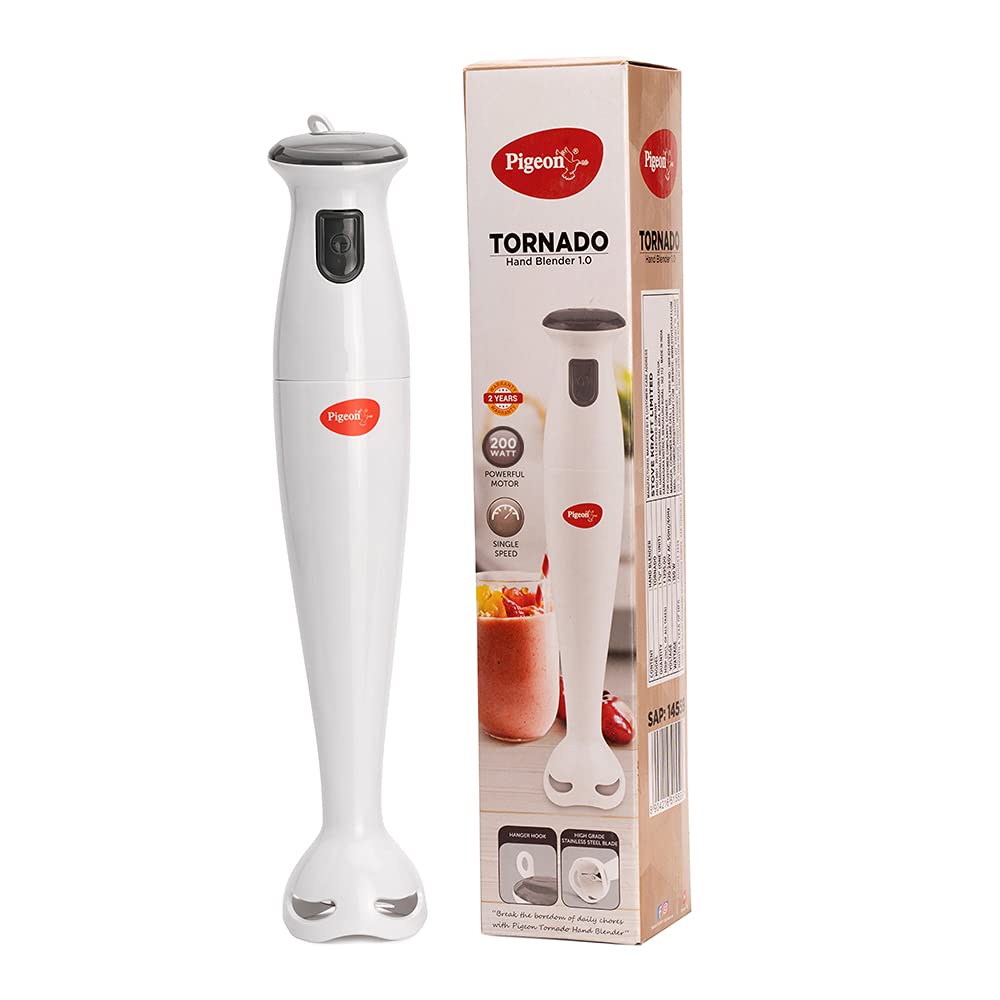
Pigeon Hand Blender (Electric Multi-Speed)
- ✓ 200W motor for smooth purees
- ✓ 3-speed settings
- ✓ Stainless steel shaft
* We earn a small commission — at no extra cost to you.

Stainless Steel Baby Feeding Bowl with Suction Base
- ✓ Food-grade stainless steel
- ✓ Anti-slip suction base
- ✓ Microwave and dishwasher safe
* We earn a small commission — at no extra cost to you.
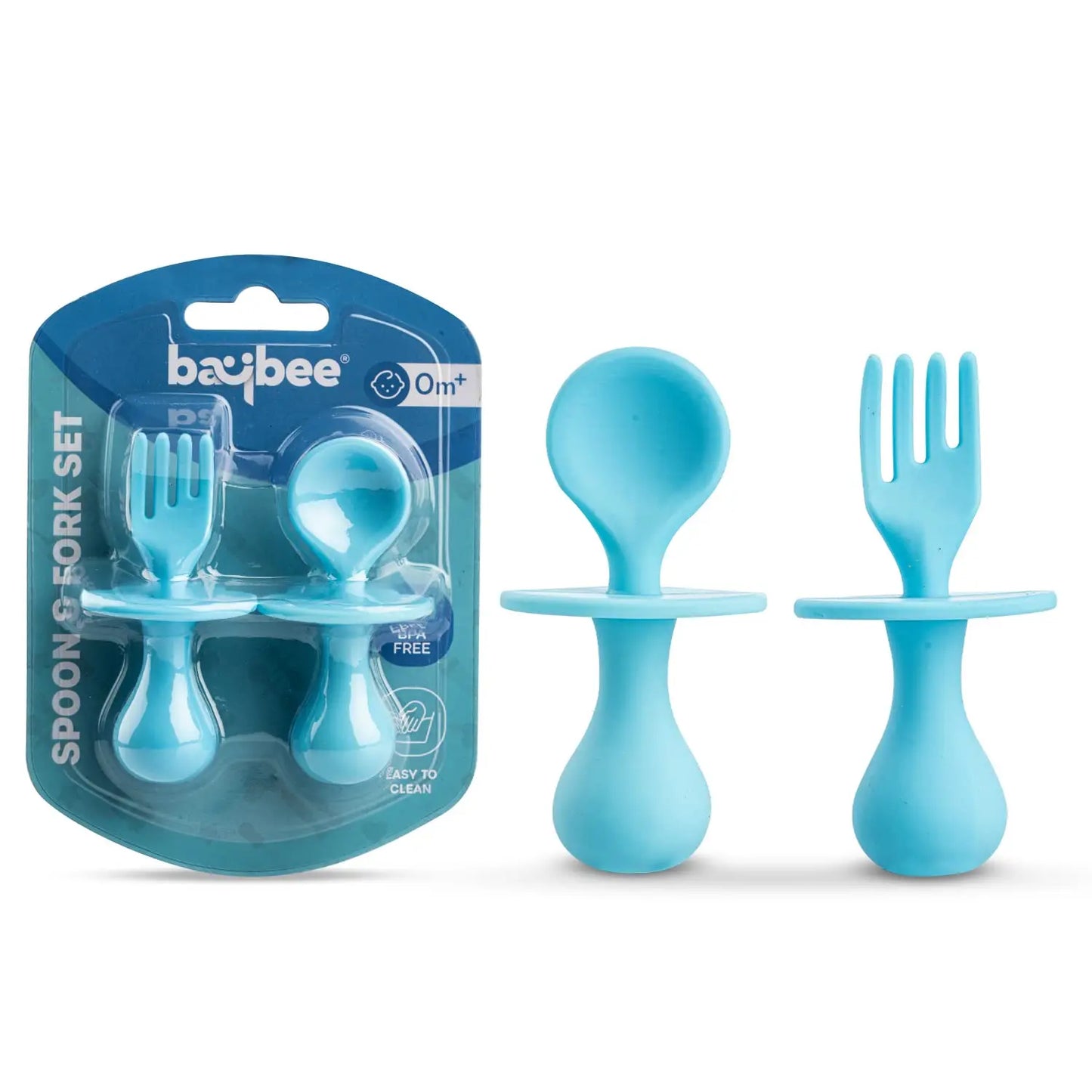
Baby Feeding Spoon Set (Stainless Steel Soft Tip)
- ✓ Soft rubber-coated tip for sensitive gums
- ✓ Ergonomic handle for parent grip
- ✓ Set of 2 spoons
* We earn a small commission — at no extra cost to you.