
Ragi Porridge for 6 Month Baby: Step-by-Step Recipe + Best Organic Ragi Flour in India 2026

Ragi porridge is a nutrient-dense first food for 6-month-olds, made by dry-roasting ragi flour and cooking it with breast milk or water to a smooth, thin consistency. It provides calcium and iron-two nutrients that breastfed babies need at 6 months-and is easier to digest than raw flour. Start with 2-3 teaspoons, roasted or unroasted based on your paediatrician's advice.
Introduction:
At 6 months, your baby's gut is ready for solid foods, and ragi porridge-also called ragi java-is one of India's oldest, most trusted first foods. Unlike many packaged baby cereals, ragi (finger millet) is packed with calcium, iron, and B vitamins that breastfed babies especially need after 6 months. It's mild on digestion, naturally gluten-free, and costs just 1-2 rupees per serving. If you're a parent in Mumbai, Delhi, Bengaluru, or any tier-1 or tier-2 city, you've probably heard dadi or nani swear by homemade ragi porridge. This article walks you through the exact method-roasting, grinding, cooking, and consistency-plus the best organic ragi brands available on Amazon.in today.
Why Ragi for Your 6-Month-Old?
Ragi (finger millet): a grain native to India, rich in calcium (around 344 mg per 100g raw), iron, and fibre-nutrients essential for babies transitioning from milk-only feeding. The Indian Academy of Pediatrics (IAP) recommends introducing single-grain cereals at 6 months as a safe, non-allergenic first food. Ragi fits this guideline perfectly because it has a low gluten load and is rarely associated with allergic reactions in Indian infants.
Beyond nutrition, ragi porridge keeps well in the fridge for 2-3 days (if properly stored), costs far less than commercial baby cereals, and tastes naturally mild. Many parents across Pune, Jaipur, and Lucknow report that their babies transition smoothly to ragi compared to rice or wheat, which can feel heavier in the stomach.
Best Organic Ragi Flour Brands Available on Amazon.in 2026:
Before we dive into the recipe, here are three trusted organic ragi flour options you can order online: Early Foods Organic Finger Millet Flour (₹249 per 200g), Timios Organic Ragi Flour (₹299 per pack), and Slurrp Farm Organic Ragi Powder (₹275 per 200g). All three are certified organic, have clean ingredient lists with no additives, and are frequently purchased by parents in major Indian cities. We'll compare their roasting and cooking methods below.
Step-by-Step Ragi Porridge Recipe for 6-Month-Olds
What You'll Need:
- 2-3 tablespoons organic ragi flour (store-bought or freshly ground)
- 1 cup water or breast milk (or a mix of both)
- A small non-stick pan or heavy-bottomed vessel
- A whisk or fork to avoid lumps
- Optional: a small blender (like the Philips Mini ₹1,995) if you prefer an ultra-smooth texture
Method 1: Roasted Ragi Porridge (Recommended for Easier Digestion):
- Roast the flour: If using whole ragi grains, dry-roast them in a pan on medium heat for 2-3 minutes, stirring constantly until fragrant. Cool completely, then grind to a fine powder using a mixer-grinder. If using store-bought ragi flour (Early Foods, Timios, or Slurrp Farm), skip this step-these are pre-processed. However, some parents lightly roast even ready-made flour for 1 minute to enhance digestibility; this is optional.
- Boil water or breast milk: Heat your liquid in a non-stick pan. Once steam rises, reduce heat to low.
- Add flour slowly: Sprinkle ragi flour 1 teaspoon at a time while stirring constantly to prevent lumps. A whisk works best here. Avoid pouring all flour at once-this is the most common mistake.
- Cook for 3-5 minutes: Stir continuously until the flour is fully cooked and the porridge reaches a smooth, pourable consistency (not too thick for a 6-month-old's first try).
- Cool and serve: Let it cool to lukewarm before feeding. A thin consistency at first helps avoid choking and aids digestion.
Method 2: No-Roast Ragi Porridge (Faster Option):
Some parents prefer to skip roasting to save time. Simply add pre-roasted organic ragi flour directly to hot water or breast milk, stir well for 2 minutes, and cook for another 2-3 minutes. No difference in nutrition-just convenience. Timios and Slurrp Farm both offer ready-to-cook ragi powders that work well with this method.
Consistency Tips for 6-Month-Olds:
For your baby's first week with ragi, use a watery consistency-think the thickness of coconut milk. As your baby gets comfortable (after 1-2 weeks), gradually thicken it. By 7 months, you can make it slightly thicker (like thin cement). The Philips Mini Blender (₹1,995 on Amazon.in) is useful if you want to grind fresh ragi or blend porridge to remove any remaining lumps for extra-cautious parents, though a whisk usually does the job.
Calcium and Iron: Why Ragi Matters at 6 Months
Breast milk contains adequate iron for infants up to 6 months, but stores begin depleting after that point. Ragi's natural iron content-approximately 4.4 mg per 100g-helps bridge this gap. Similarly, ragi's calcium (around 344 mg per 100g) supports bone and tooth development. Introducing ragi at 6 months ensures your baby isn't relying solely on milk for these minerals, a principle supported by IAP weaning guidelines.
When to Introduce Ragi Porridge:
IAP recommends starting solids at exactly 6 months for exclusively breastfed babies. Ragi is an ideal first food because it's single-ingredient, non-allergenic, and nutrient-dense. Offer a tiny taste (2-3 teaspoons) on day 1, observe for 2-3 days for any signs of allergy (rashes, diarrhoea, vomiting-though ragi allergies are rare), then gradually increase quantity. By 7 months, most babies can handle 4-6 tablespoons of ragi porridge once daily.
Storage and Food Safety:
Cooked ragi porridge lasts 48 hours in the fridge in an airtight container. Do not add jaggery, palm sugar, or honey before the baby's first birthday due to botulism risk with honey and digestive sensitivity to added sugars. Serve plain, or mix with breast milk for familiar taste. If you notice any sour smell or discolouration after 2 days, discard it.
Blender Option:
The Philips Mini Blender (₹1,995, rated 4.1 stars from 2,100+ reviews on Amazon.in) is compact, safe for baby food prep, and easy to clean. However, a simple whisk works just as well and costs nothing. Invest in a blender only if you plan to grind fresh grains regularly.
What Paediatricians Say
IAP Weaning Guidelines (2024): Ragi is recommended as a safe, iron-rich first cereal for 6-month-olds. It supports micronutrient gaps created by exclusive breastfeeding.
- Start with single-grain cereals like ragi; introduce one new food every 3-5 days.
- Roasting ragi flour slightly may improve digestibility, though modern organic brands are pre-processed and safe to use directly.
Our Top Picks
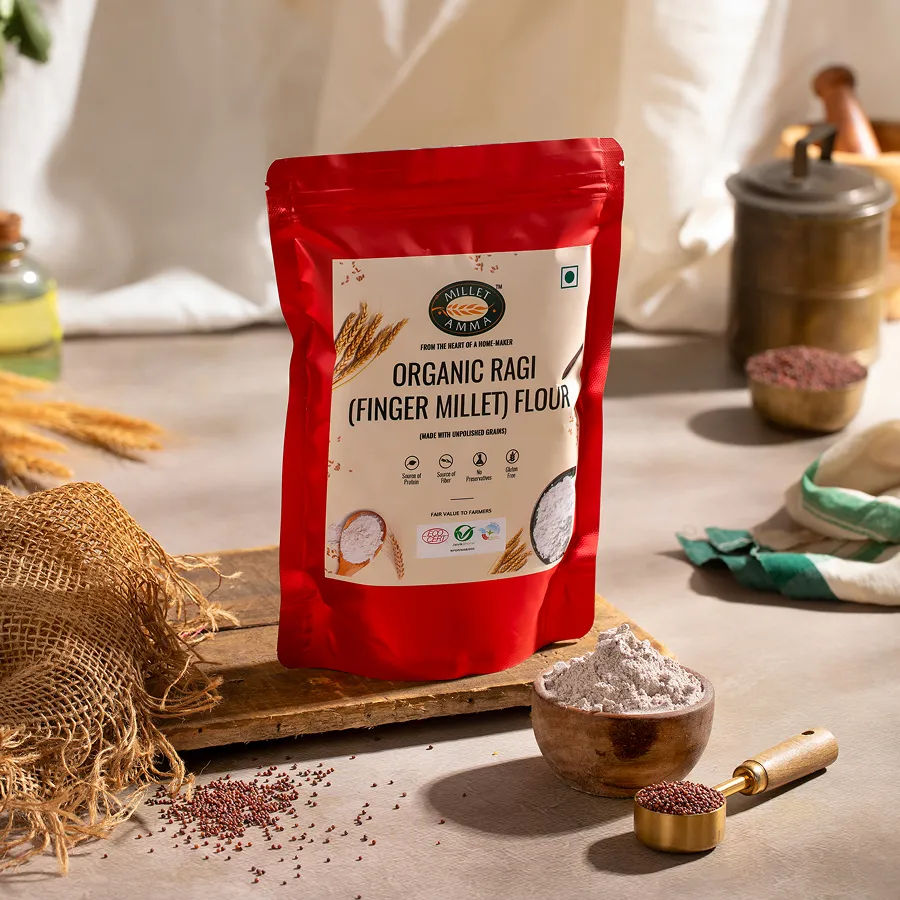
Early Foods Organic Finger Millet Flour (Ragi) - 200g
- ✓ Certified organic, no additives
- ✓ 200g per pack
- ✓ Suitable from 6 months
* We earn a small commission — at no extra cost to you.
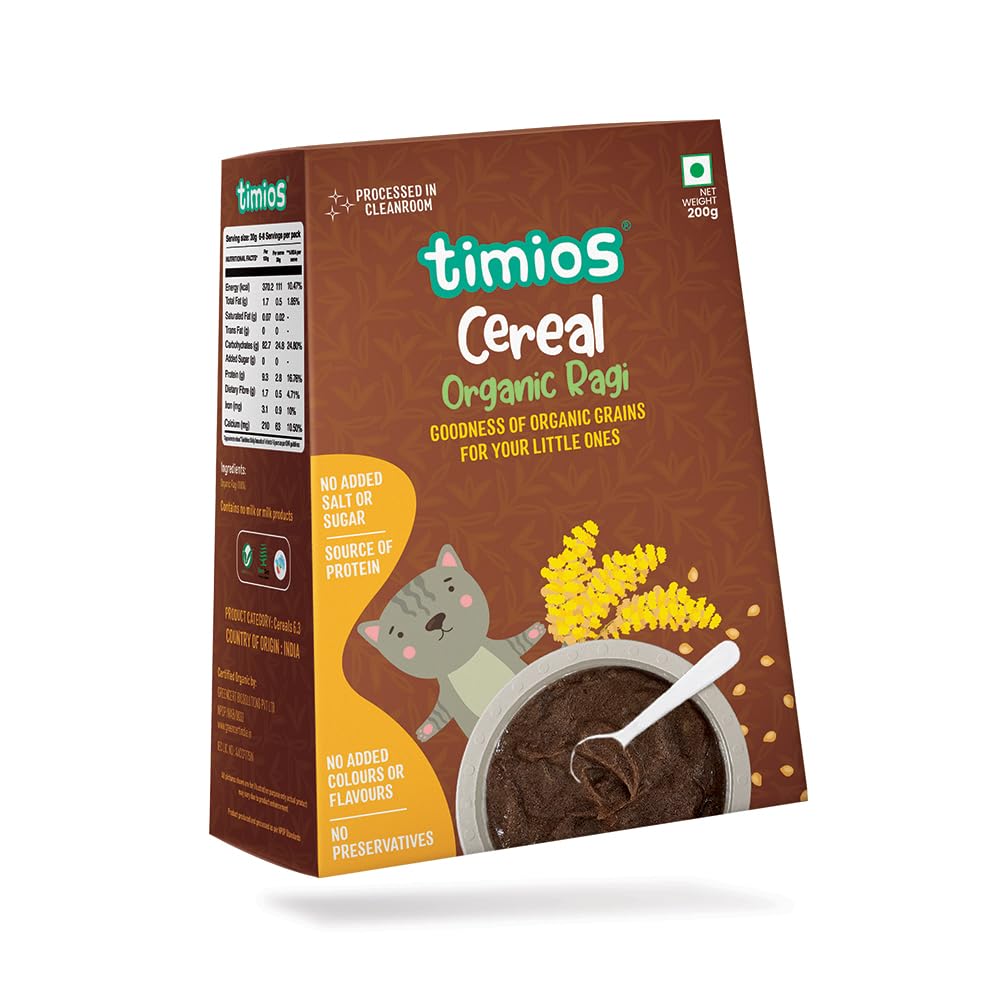
Timios Organic Ragi Flour - Baby Food Grade
- ✓ 100% organic, cold-pressed
- ✓ Fine texture, no lumps
- ✓ Rich in iron and calcium
* We earn a small commission — at no extra cost to you.
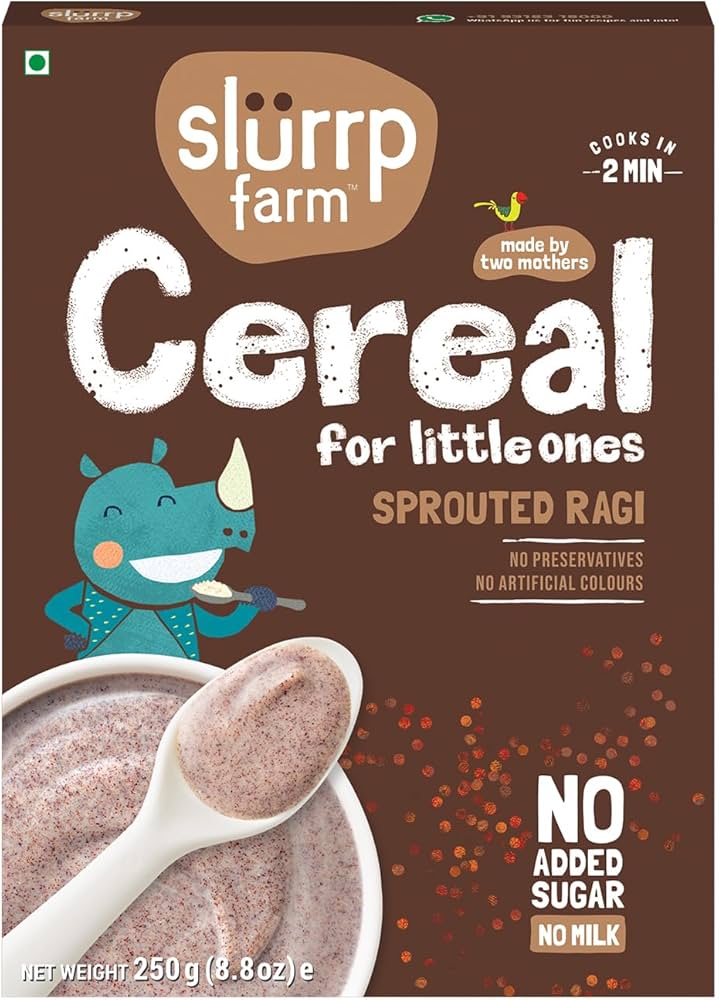
Slurrp Farm Organic Ragi Powder - 200g
- ✓ FSSAI approved, organic certified
- ✓ No sugar, salt, or preservatives
- ✓ Single-ingredient, safe for babies 6+ months
* We earn a small commission — at no extra cost to you.
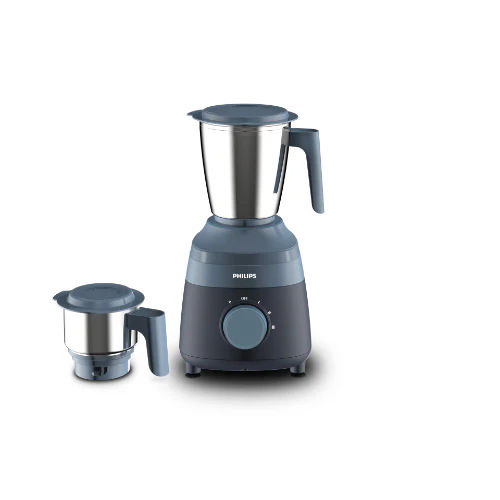
Philips HL6554 Mini Mixer Grinder - 750W
- ✓ Compact 750W motor
- ✓ Wet and dry grinding
- ✓ Safe for baby food prep
* We earn a small commission — at no extra cost to you.