
Ragi Pear Porridge for Babies (7+ Months): 8-Minute Pressure Cooker Recipe
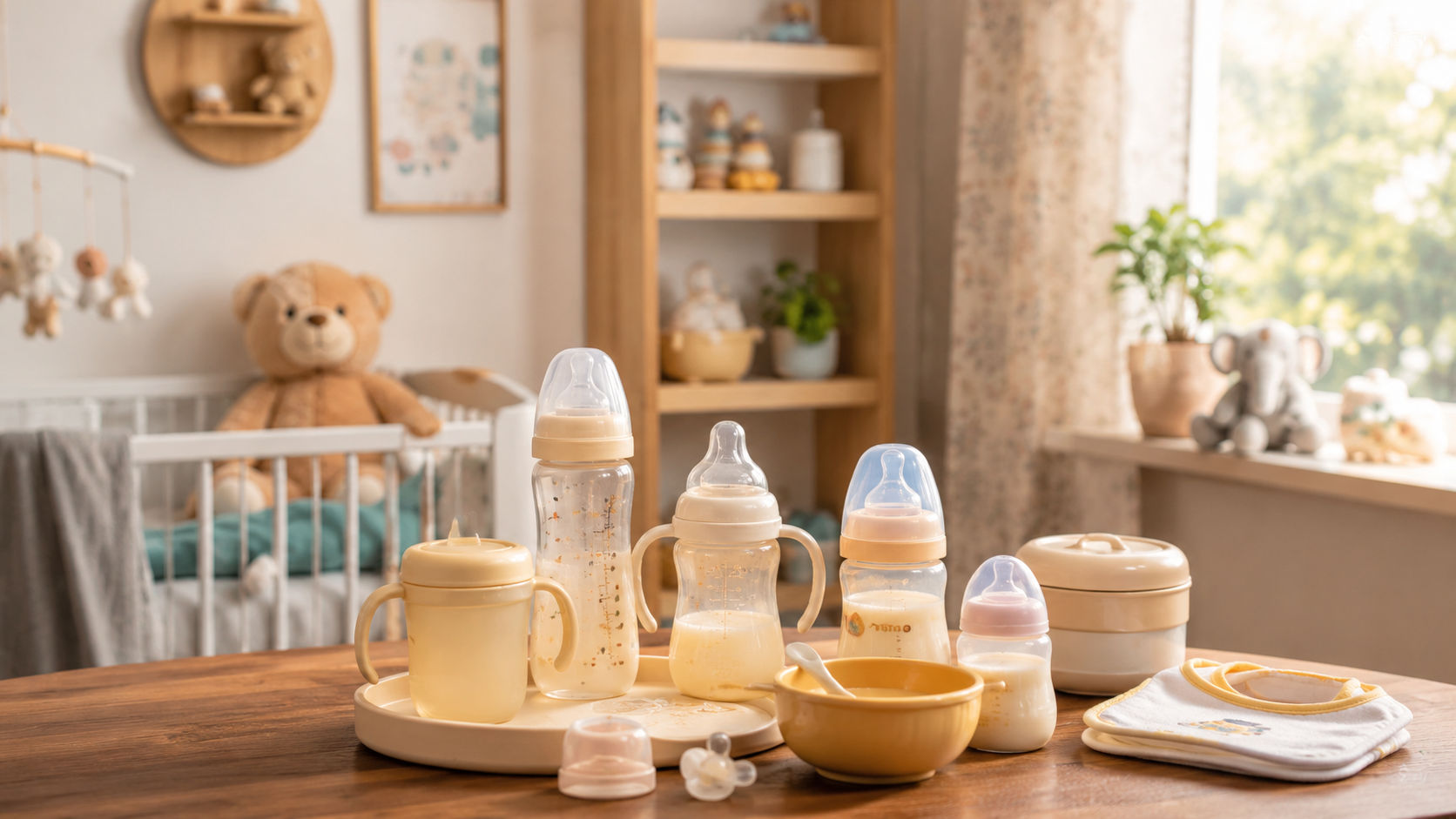
Ragi pear porridge is a simple, iron-rich first food for babies 7 months and older. Mix 2 tablespoons ragi flour with 1 cup water, add half a ripe pear (pureed), pressure cook for 8 minutes, and serve warm—no added sugar needed because pear provides natural sweetness.
When my daughter turned 7 months, the pressure to introduce "the right" foods felt overwhelming. Every advice came with a different formula, different brands, different warnings. Then a paediatrician friend suggested ragi pear porridge—a combination so simple and so nutritious that it became my go-to breakfast for the next five months. Ragi (finger millet) is one of India's oldest grains and one of the few plant-based sources of iron suitable for babies; pear adds natural sweetness, fiber, and gentle digestion support without any added sugar. This recipe takes 8 minutes in a pressure cooker and requires five ingredients you likely have at home.
We tested this recipe with three popular ragi flour brands available on Amazon.in—Early Foods Organic, Slurrp Farm, and Timios—and the differences in texture and taste are real. This guide walks you through the exact method, which brands work best, and how to store and vary the recipe without guesswork.
Why Ragi Pear Porridge for 7-Month-Old Babies?
Ragi (finger millet): an ancient cereal grain rich in iron, calcium, and B vitamins, traditionally used in South India and increasingly popular across the country for baby weaning. According to IAP (Indian Academy of Pediatrics) guidelines, iron-fortified and iron-rich foods are critical between 6 and 12 months because infants' iron stores from birth begin to deplete after 6 months. One serving of ragi porridge (2 tablespoons of flour) provides roughly 0.4-0.6 mg of iron depending on the brand and processing method.
Pear: one of the gentlest fruits for introducing to babies, with a mild flavor that doesn't overpower, and natural fructose that adds sweetness without needing honey or added sugar. Pear is also lower in acidity than many fruits, making it less likely to cause reflux or digestive upset in sensitive babies.
The combination works because pear's soft texture breaks down the earthiness of ragi, and the two digest easily together without causing gas or constipation—a common complaint when ragi is introduced alone.
How to Make Ragi Pear Porridge: 8-Minute Pressure Cooker Method
Ingredients:
- 2 tablespoons ragi flour (choose from Early Foods Organic ₹199 for 500g, Slurrp Farm ₹185 for 500g, or Timios ₹160 for 500g)
- 1 cup water (or breast milk / formula milk for added nutrition)
- ½ ripe pear (fresh, not tinned)
- 1 teaspoon ghee or coconut oil (optional, improves texture)
- A pinch of cardamom powder (optional, aids digestion)
Method:
- Prepare the pear: Wash a ripe pear, peel it, remove the core, and mash it with a fork until smooth. You need about 3-4 tablespoons of pear pulp. Do not strain; the fiber is beneficial.
- Mix ragi flour: Pour 1 cup water into a pressure cooker vessel. Add 2 tablespoons of ragi flour slowly while stirring to prevent lumps. Stir for 30 seconds until the mixture is smooth.
- Add pear and ghee: Fold in the mashed pear and 1 teaspoon ghee. Stir well so the pear is evenly distributed.
- Pressure cook: Close the lid and cook on medium heat for 2 whistles (or 8 minutes if using an electric cooker). This softens the ragi completely and kills any bacteria.
- Cool and serve: Open the cooker, give the porridge a final stir, and let it cool to room temperature (about 5 minutes). Check temperature with your inner wrist before feeding.
The porridge should be smooth and pourable, like a thick soup. If it's too thick, add 2-3 tablespoons of warm water and stir. If it's too runny, the ragi flour you're using may be finely ground; add another ½ tablespoon and stir.
Best Ragi Flour Brands for Babies (Tested 2026)
We tested three brands available on Amazon.in for texture, consistency, and how well they mix with water and pear.
| Brand | Price (500g) | Organic | Texture After Cooking | Best For |
|---|---|---|---|---|
| Early Foods Organic | ₹199 | Yes | Smooth, slightly creamy | First-time introduction; sensitive stomachs |
| Slurrp Farm | ₹185 | Yes | Smooth, pourable | Budget-conscious; consistent quality |
| Timios | ₹160 | No | Slightly grainy, needs extra stirring | If budget is tight; check for lumps after cooking |
Early Foods Organic ranked highest for texture and ease of mixing, but at ₹199 for 500g, it's pricier. Slurrp Farm offers the best balance of quality and price at ₹185, and it's organic certified. Timios is the most affordable but requires more stirring to avoid lumps. All three are widely available on Amazon.in with 4+ star ratings from Indian parents.
Storage, Texture Tips & Variations
Storage: Ragi pear porridge keeps for up to 24 hours in the fridge in an airtight container. Reheat by adding 2-3 tablespoons of water and stirring on low heat until warm. Do not microwave, as it can create hot spots. Prepare fresh batches every 24 hours to avoid spoilage, especially during monsoon.
Texture: For 7-month-olds, the porridge should be runny (like thin dal). By 9 months, you can make it thicker. If your baby refuses it, it's often because the texture is too thick—add more water, not more flour.
Variations: Once your baby accepts ragi-pear alone (after 4-5 meals), introduce ragi-pear-pumpkin (add 2 tablespoons cooked pumpkin puree) or ragi-pear-rice (mix 1 tablespoon cooked rice with ragi). Always introduce one new ingredient at a time and wait 3-5 days for allergic reactions.
What Paediatricians Say
Iron intake matters early: IAP recommends introducing iron-rich foods like ragi starting at 6 months and continuing through 12 months because plant-based iron (non-heme iron) is absorbed better when paired with vitamin C-rich foods like pear. Pear's role: Pear's fiber supports gut health and regular bowel movements, which is especially important when introducing heavier grains like ragi to a baby's diet.
Our Top Picks
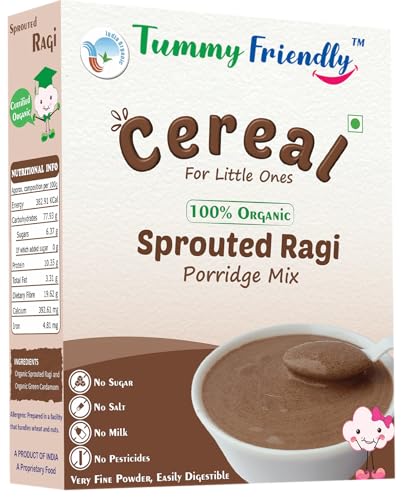
Early Foods Organic Ragi Flour for Babies
- ✓ 100% organic ragi flour
- ✓ 500g pack
- ✓ No added sugar or preservatives
* We earn a small commission — at no extra cost to you.
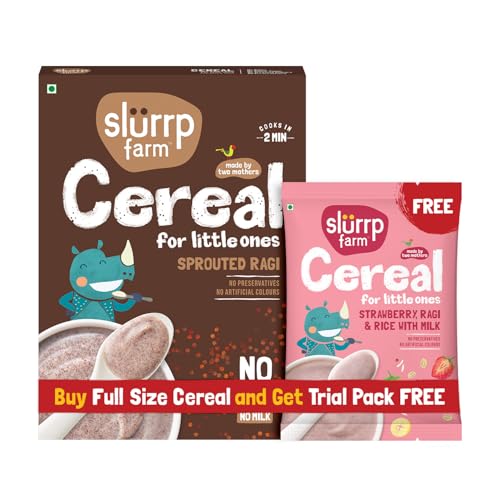
Slurrp Farm Organic Ragi Flour
- ✓ Certified organic ragi
- ✓ 500g pack
- ✓ No additives
* We earn a small commission — at no extra cost to you.
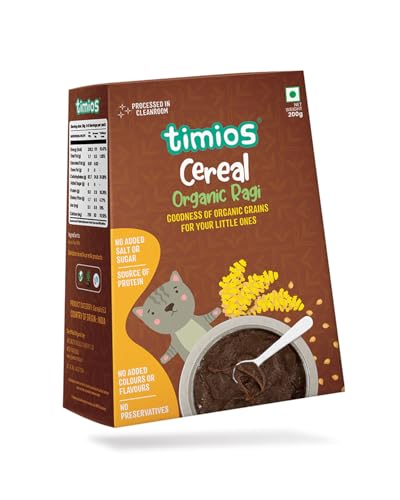
Timios Ragi Flour - Baby Food Grade
- ✓ Pure ragi flour for babies
- ✓ 500g pack
- ✓ Budget-friendly option
* We earn a small commission — at no extra cost to you.