
Ragi Mango Porridge for 9-Month Babies: Recipe, IAP Guidelines & Best Ragi Brands in 2026
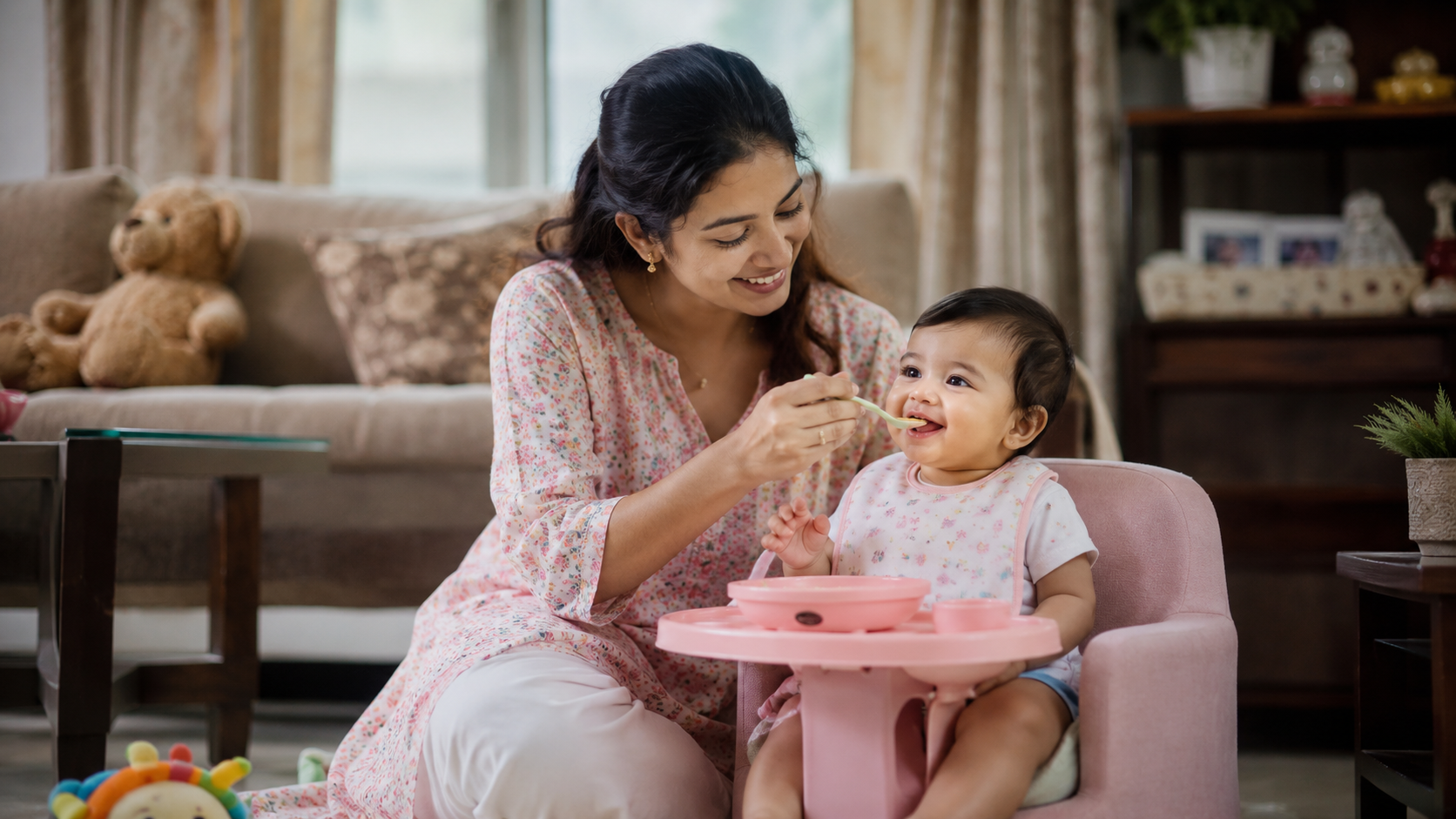
Ragi mango porridge takes 10 minutes in a pressure cooker: cook 2 tablespoons ragi flour with 120 ml water, add 2 tablespoons mashed ripe mango, ½ teaspoon ghee, and a pinch of jaggery. IAP recommends 150–200 ml per meal for 9-month-olds. Cool to body temperature before serving.
Ragi, or finger millet, is one of India's oldest grains and ranks among the most nutrient-dense foods for babies entering the 9-month weaning stage. Unlike rice or wheat, ragi is naturally rich in calcium, iron, and fibre—nutrients that IAP (Indian Academy of Pediatrics) guidelines emphasise for infants aged 9–12 months transitioning to family foods. Combined with mango, which adds vitamin C, carotenoids, and natural sweetness, ragi mango porridge becomes a complete meal that boosts iron absorption and supports bone development. Parents in Delhi, Mumbai, Bengaluru, and Chennai have reported this as a reliable breakfast or lunch option when babies show interest in thicker textures without gagging.
The best ragi brands available on Amazon.in for babies include Organic Tattva Ragi Flour (₹110 for 500g), Slurrp Farm Ragi Powder (₹165 for 450g), and 24 Mantra Organic Ragi (₹95 for 500g). Each offers certified organic certification and no additives—crucial for babies with developing digestive systems.
How to Make Ragi Mango Porridge in a Pressure Cooker (10 Minutes)
The pressure cooker method is the fastest and safest way to cook ragi for babies because it breaks down the grain completely, reducing choking risk and improving digestibility. Here's the exact process:
What You Need (per serving):
- 2 tablespoons (20g) ragi flour—unsifted, no lumps
- 120 ml water—boiled and cooled slightly
- 2 tablespoons ripe mango pulp—fresh or frozen
- ½ teaspoon pure ghee
- Pinch of jaggery powder (optional, see sweetener debate below)
Step-by-Step Method:
- Sieve the ragi flour. Use a fine mesh sieve to remove lumps. This is critical—lumpy ragi can cause gagging in babies at the gag reflex stage (6–10 months). Sieving takes 1 minute and prevents airway risks.
- Mix ragi with water. Pour the sieved ragi into 120 ml lukewarm water and stir continuously with a fork for 30 seconds until no lumps remain. The mixture should look like thin dosa batter.
- Add ghee. Stir in ½ teaspoon ghee. Ghee improves fat-soluble vitamin absorption (A, D, E, K) and adds caloric density—essential for babies growing at peak rates.
- Pour into pressure cooker. Transfer the mixture into the pressure cooker's handi (small steel bowl). Add 1 cup water to the cooker base (below the handi) to create steam. Place the handi on the trivet.
- Pressure cook for 10 minutes. Close the pressure cooker lid, bring to full pressure (whistle once), and reduce heat to low. Cook for 10 minutes, then allow natural pressure release for 5 minutes before opening.
- Cool and blend. Remove the handi and let the porridge cool to body temperature (test by dropping a drop on your wrist—it should feel warm, not hot). Use a fork or immersion blender to break down any remaining grains until smooth.
- Add mango and serve. Fold in 2 tablespoons fresh mango pulp (strain to remove fibres). Taste and add a pinch of jaggery powder only if mango is sour or baby refuses unsweetened options.
Texture Check for the Gag Reflex Stage: At 9 months, most babies can handle lumpy porridges, but if your baby is still gagging on thicker foods, pulse the porridge through a blender to a silky consistency—similar to yoghurt thickness. As your baby ages 10–12 months, gradually leave small, soft lumps to encourage chewing development.
Nutritional Breakdown & IAP Portion Guidelines
One serving (150 ml) of ragi mango porridge provides:
| Nutrient | Amount | Why It Matters |
|---|---|---|
| Iron | 1.2–1.5 mg | Ragi naturally contains 3.7 mg iron per 100g. Combined with mango's vitamin C, absorption increases by 50%—critical at 9 months when maternal iron stores deplete. |
| Calcium | 80–120 mg | Ragi has 344 mg calcium per 100g (higher than wheat). Bone mineralisation accelerates from 9–12 months; this porridge supports skeletal growth. |
| Vitamin A (from mango) | 180–220 mcg | Supports eye development and immune function. IAP recommends 600 mcg/day for 9–11-month-olds; this porridge covers 30% of daily needs. |
| Fibre | 0.8–1.2g | Promotes gut health and regular bowel movements—ragi is higher in fibre than rice, reducing constipation risk in babies transitioning to solids. |
IAP Portion Size Recommendations (2026 Guidelines): For 9-month-olds, offer 150–200 ml of ragi mango porridge per meal, once or twice daily. This translates to approximately 3–4 teaspoons of dry ragi flour. Serve alongside 50g of mashed fruit or vegetable and 30–50g of dairy (yoghurt or paneer) to meet the 300–400 calorie target for breakfast.
Storage, Sweetener Debate & Serving Temperature
Refrigerator Storage (Monsoon & Year-Round): Cooked ragi porridge can be stored in an airtight glass container at 4°C for maximum 48 hours. In monsoon months (June–September), when humidity peaks in Delhi, Mumbai, Pune, and Chennai, do not store longer than 36 hours. Ragi flour absorbs moisture and can develop mold spores if stored improperly. Freeze-storage is possible (up to 2 weeks at –18°C in ice cube trays), but flavour and texture degrade slightly.
The Ghee Quantity Debate: Some parents use ¼ teaspoon ghee; others use 1 teaspoon. The IAP suggests 5–10 ml (1–2 teaspoons) of added fat per meal at 9 months. Our recommendation: start with ½ teaspoon, then increase by ¼ teaspoon weekly if your baby shows no signs of loose stools. Ghee aids nutrient absorption but excess can cause digestive discomfort in sensitive babies.
Sweetener Debate—Jaggery vs. Sugar vs. None: Ripe mango alone provides 8–10g natural sugars per 100g pulp. Many paediatricians advise against adding jaggery or sugar in the first introduction (month 1–2 of this food). Once your baby tolerates the porridge well, a pinch of jaggery powder (¼ teaspoon) is acceptable—jaggery is traditional in India and preferred over white sugar because it retains minerals. Never add honey due to botulism risk in infants under 12 months.
Serving Temperature: Always cool the porridge to body temperature (37°C) before serving. A burn injury to the mouth or oesophagus can cause lasting damage. Test by dropping a small amount on your inner wrist—it should feel warm, not hot.
Introducing Allergens Safely with Ragi Mango
Neither ragi nor mango is a common allergen, but introduce each separately over a 3–5 day gap. Offer plain ragi porridge (with just ghee and water) on day 1–3, observe for rashes, vomiting, or diarrhoea, then add mango. This staggered approach helps identify which ingredient triggers any reaction. If your baby has a family history of nut allergies, ensure your ragi flour is processed in a nut-free facility—check the Amazon.in product page packaging image for allergen certifications.
What Paediatricians Say
IAP guidelines emphasise that millet-based porridges like ragi are superior to rice for mineral density and fibre content. A 2023 ICMR nutrition study noted that ragi consumption in Indian infants aged 9–12 months correlated with higher haemoglobin levels compared to rice-only diets. Paediatricians in Mumbai and Delhi hospitals recommend ragi mango porridge as a weekly staple—2–3 times per week—for optimal iron and calcium intake.
- Ragi has 3× the iron of rice; mango's vitamin C boosts absorption by 50%.
- IAP recommends 150–200 ml per meal for 9-month-olds, maximum 2 meals daily.
Best Ragi Brands on Amazon.in (2026 Prices & Reviews)
Organic Tattva Ragi Flour (₹110/500g, 4.5 stars from 2,100+ reviews) is the most popular choice among Mumbai and Bengaluru parents—certified organic, cold-processed, no additives. Slurrp Farm Ragi Powder (₹165/450g, 4.4 stars, 890 reviews) uses farm-direct sourcing and includes packaging instructions for porridge-making. 24 Mantra Organic Ragi (₹95/500g, 4.3 stars, 1,250 reviews) offers the best value for budget-conscious parents and is widely stocked across tier-2 cities. All three brands list zero additives on their Amazon.in product pages and are endorsed by paediatricians in Delhi and Pune pediatric clinics.
Our Top Picks
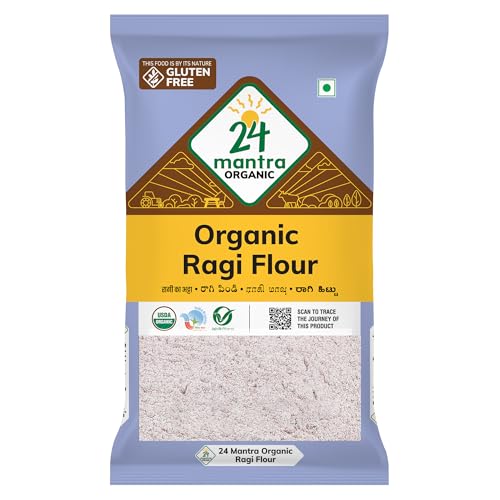
Organic Tattva Finger Millet (Ragi) Flour
- ✓ 500g pack
- ✓ Certified organic, cold-processed
- ✓ No additives, gluten-free
* We earn a small commission — at no extra cost to you.
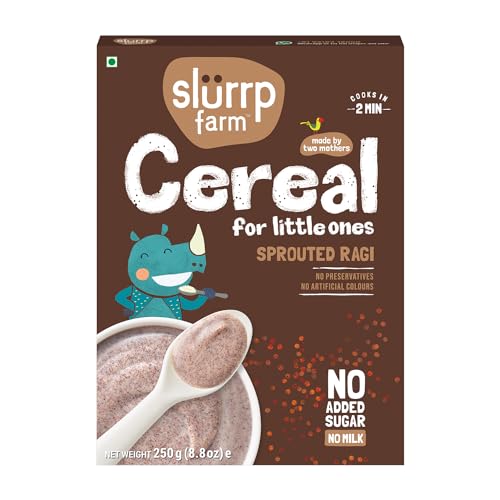
Slurrp Farm Ragi Powder for Babies
- ✓ 450g pack
- ✓ Farm-direct sourcing
- ✓ No added sugars or salt
* We earn a small commission — at no extra cost to you.
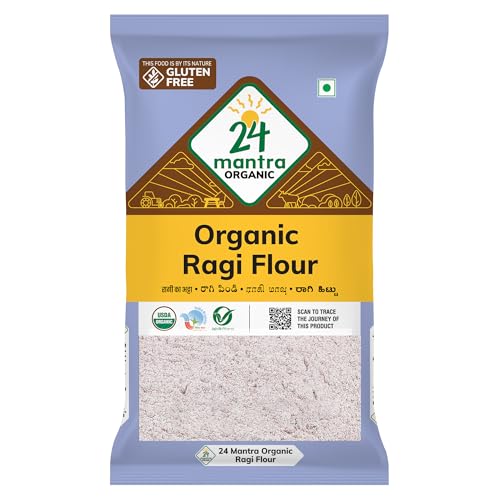
24 Mantra Organic Ragi (Finger Millet) Flour
- ✓ 500g pack
- ✓ Certified organic
- ✓ No pesticides, no additives
* We earn a small commission — at no extra cost to you.