
Ragi Recipes for 8 Month Baby: Iron-Rich Porridge & No-Cook Ideas (2026)
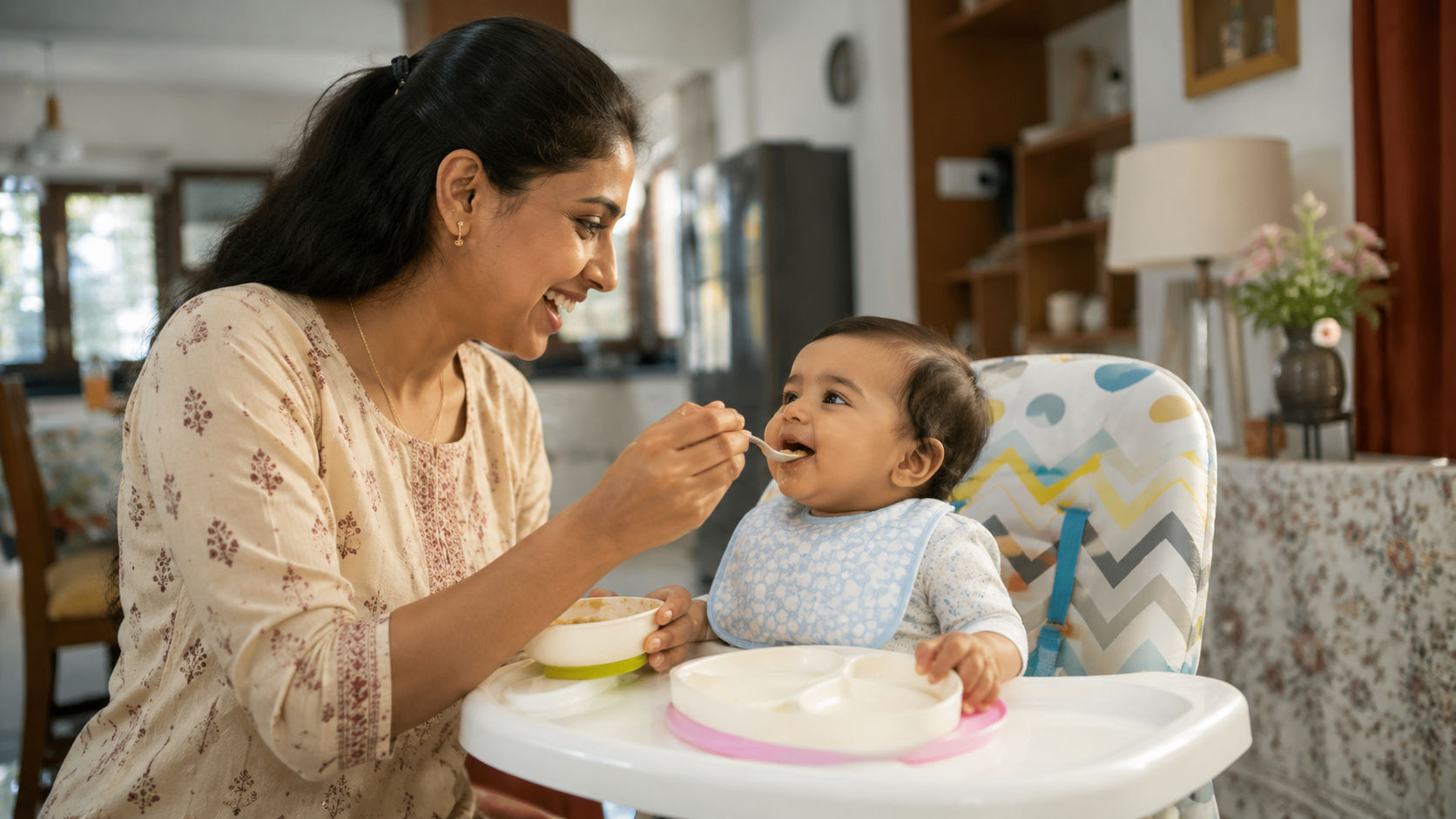
Ragi porridge is one of the best first solid foods for 8-month-olds in India-it's packed with iron, calcium, and fibre. Cook 2 tablespoons ragi flour with 100ml water and a pinch of jaggery powder in a pressure cooker for 2 whistles, then add a few drops of ghee. Mash well until smooth for early weaning or leave slightly lumpy for baby-led weaning.
Ragi (finger millet): a grain native to India with 9.3mg of iron per 100g, making it ideal for babies aged 8-12 months when iron stores from birth begin to deplete. At 8 months, the Indian Academy of Pediatrics (IAP) recommends 11mg of iron daily-ragi delivers this naturally without fortification. Combined with ghee (fat-soluble vitamin absorption) and jaggery (additional iron and B vitamins), ragi becomes a complete weaning meal for babies in Mumbai, Delhi, Bangalore, and tier-2 cities across India.
Three trusted brands dominate the Indian ragi market: Nutriorg Ragi Flour (₹145/500g, organic, no additives), 24 Mantra Organic Ragi (₹168/500g, BIS-certified), and local mill-ground options available in neighbourhood stores at ₹120-140/kg. A Pigeon hand blender (₹1,399) makes texture control effortless for parents new to weaning.
The Pressure Cooker Method (5 Minutes Total)
This is the fastest, safest route for busy parents in Indian homes with limited time. Measure 2 tablespoons ragi flour into a pressure cooker bowl. Add 100ml water (boiled and cooled, or filtered). Stir thoroughly to break lumps-ragi flour tends to clump. Add a tiny pinch (¼ teaspoon) of jaggery powder; skip this if introducing ragi for the first time (test alone for 3 days first). Close the lid and cook for 2 whistles on high flame, then turn to low and hold for 1 minute. Let pressure release naturally for 2 minutes, then open.
The porridge will be thick but flowing. If it looks like a lump, add 20ml warm water and stir. Once it cools to body temperature, drizzle ½ teaspoon ghee (desi ghee from local dairies works best-₹550/500ml) and mix. For 8-month-olds just starting solids, mash with the back of a spoon until completely smooth. For 10-12-month-olds practising self-feeding, leave it slightly textured with soft lumps. Always taste-test the temperature yourself first.
No-Cook Ragi Method (Overnight Soak)
On busy mornings, this method saves time and preserves more heat-sensitive micronutrients. Mix 2 tablespoons ragi flour with 100ml room-temperature boiled water in a glass bowl the night before. Stir well, cover with a plate, and leave at room temperature. By morning, the ragi softens completely and becomes a creamy paste-no cooking required. Stir in the jaggery powder and ghee just before serving. This method is ideal during summer months (April-June) when avoiding the stove keeps the kitchen cooler. Parents in Chennai and Hyderabad especially favour this approach.
IAP Iron Absorption Fact: Iron from plant sources (like ragi) absorbs 2-3 times better when paired with healthy fats (ghee) and vitamin C. Adding a mashed papaya or pear on the side boosts bioavailability by up to 25%.
Storage Tips for Indian Summer Heat
Ragi flour stays fresh for 4-6 months in airtight containers (glass jars with rubber seals work best). Keep away from direct sunlight and moisture. In humid cities like Mumbai or Pune (May-July), store in the fridge after opening to prevent rancidity and mould. Prepared ragi porridge can be refrigerated for up to 24 hours in an airtight container; freeze for up to 2 weeks in ice-cube trays (₹120-200 for multi-compartment freezer trays on Amazon.in). Thaw in a bowl under warm water-never microwave, as it destroys nutrients unevenly.
Calcium + Iron Absorption: Ragi contains 344mg calcium per 100g, but whole grains also contain phytic acid, which binds minerals and reduces absorption by 10-15%. Soaking ragi overnight (the no-cook method) naturally reduces phytic acid by 12-18%, making minerals more available to your baby's digestive system.
Recipe Variations for Month-to-Month Progress
| Age | Base Recipe | Texture | Additives |
|---|---|---|---|
| 8 months (first try) | 2 tbsp ragi + 100ml water | Completely smooth, no lumps | None (test alone for 3 days) |
| 8-9 months | 2 tbsp ragi + 100ml water + ¼ tsp jaggery | Smooth with occasional soft particles | ½ tsp ghee, mashed fruit optional |
| 9-10 months | 3 tbsp ragi + 100ml water + ¼ tsp jaggery | Slightly lumpy, mashed with back of spoon | ½ tsp ghee, handful of soft fruit pieces |
| 10-12 months | 3 tbsp ragi + 80ml water + ¼ tsp jaggery | Soft, biteable lumps (baby-led weaning style) | 1 tsp ghee, fruit pieces, crushed nuts |
Introduce jaggery only after ragi has been eaten alone for 3-5 days. Ghee is safe from day one but start with a few drops. Between 10-12 months, add mashed or finely chopped soft fruits (banana, mango, papaya, pear, chikoo) for natural sweetness and vitamin C. Never add honey before 12 months-IAP and WHO guidelines restrict honey due to botulism risk.
What Paediatricians Say
According to the Indian Academy of Pediatrics (2024), ragi is a top-tier millet for iron-deficient weaning in Indian babies. Most paediatricians recommend starting with single-grain meals like ragi before mixing with multiple foods. Key insights: (1) Ragi's absorption improves significantly when paired with vitamin C sources or healthy fats-combining with fruit or ghee isn't optional, it's essential for maximum nutrition. (2) The pressure cooker method is safe and recommended-it softens the grain completely, reduces anti-nutrients naturally, and takes under 5 minutes.
Common Parent Questions Answered
- Can I use store-bought ragi cereal instead of flour? Instant ragi cereals often contain added sugars or starches. Whole ragi flour from brands like Nutriorg or 24 Mantra is nutrient-dense and costs less-buy flour instead.
- My baby refuses lumps at 8 months. Is this normal? Yes. Some babies need 2-3 weeks to adjust from smooth purees to textured foods. Increase lump size by just a fraction weekly rather than jumping to chunks.
- Is ragi safe for allergies? Ragi is hypoallergenic-true allergies are rare. Introduce alone for 3-5 days to rule out sensitivity. Signs to watch: rash, vomiting, or loose stools within 24 hours.
- How much ragi per day at 8 months? Start with 2-3 tablespoons mixed with water once daily. By 10 months, increase to 4-6 tablespoons twice daily as baby eats more solids.
- Can I mix ragi with cow's milk instead of water? Yes, after 8 months. Use 50ml water + 50ml full-fat cow's milk for added calcium. Avoid packaged milk powder unless the brand is FSSAI-approved.
Our Top Picks
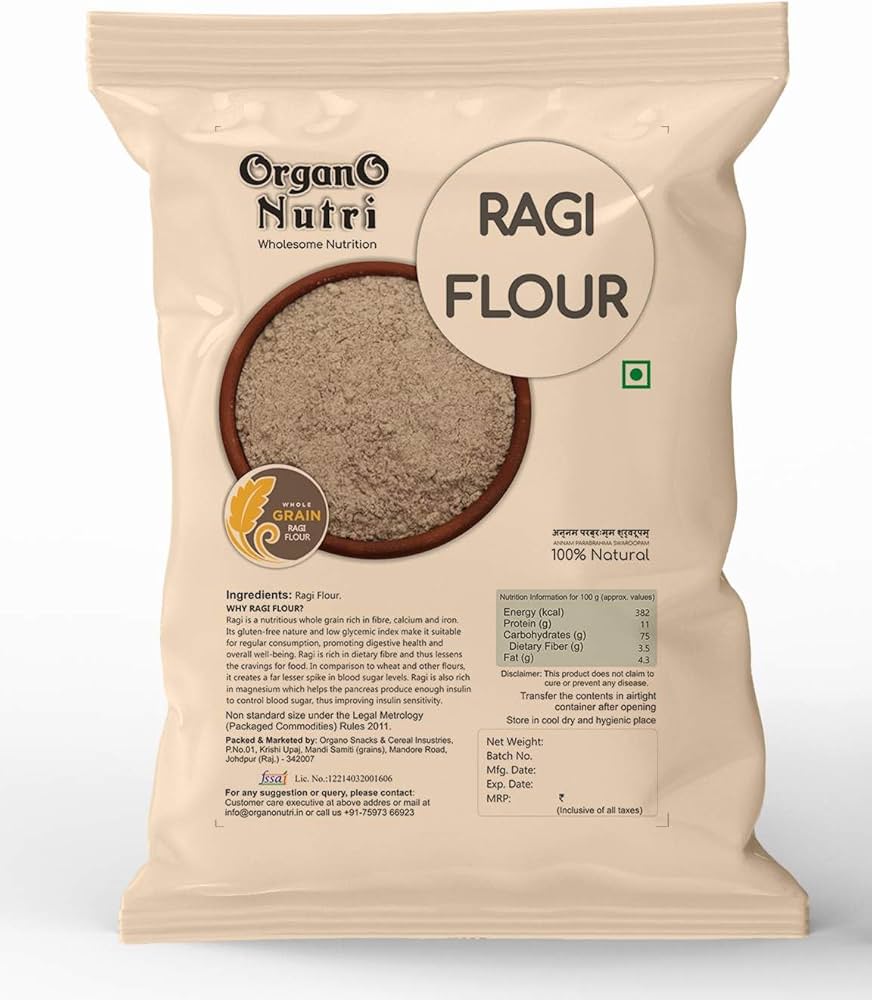
Nutriorg Ragi Flour (Finger Millet) - Organic, Non-GMO, 500g
- ✓ 500g pack
- ✓ 100% organic, no additives
- ✓ Cold-milled to preserve nutrients
* We earn a small commission — at no extra cost to you.
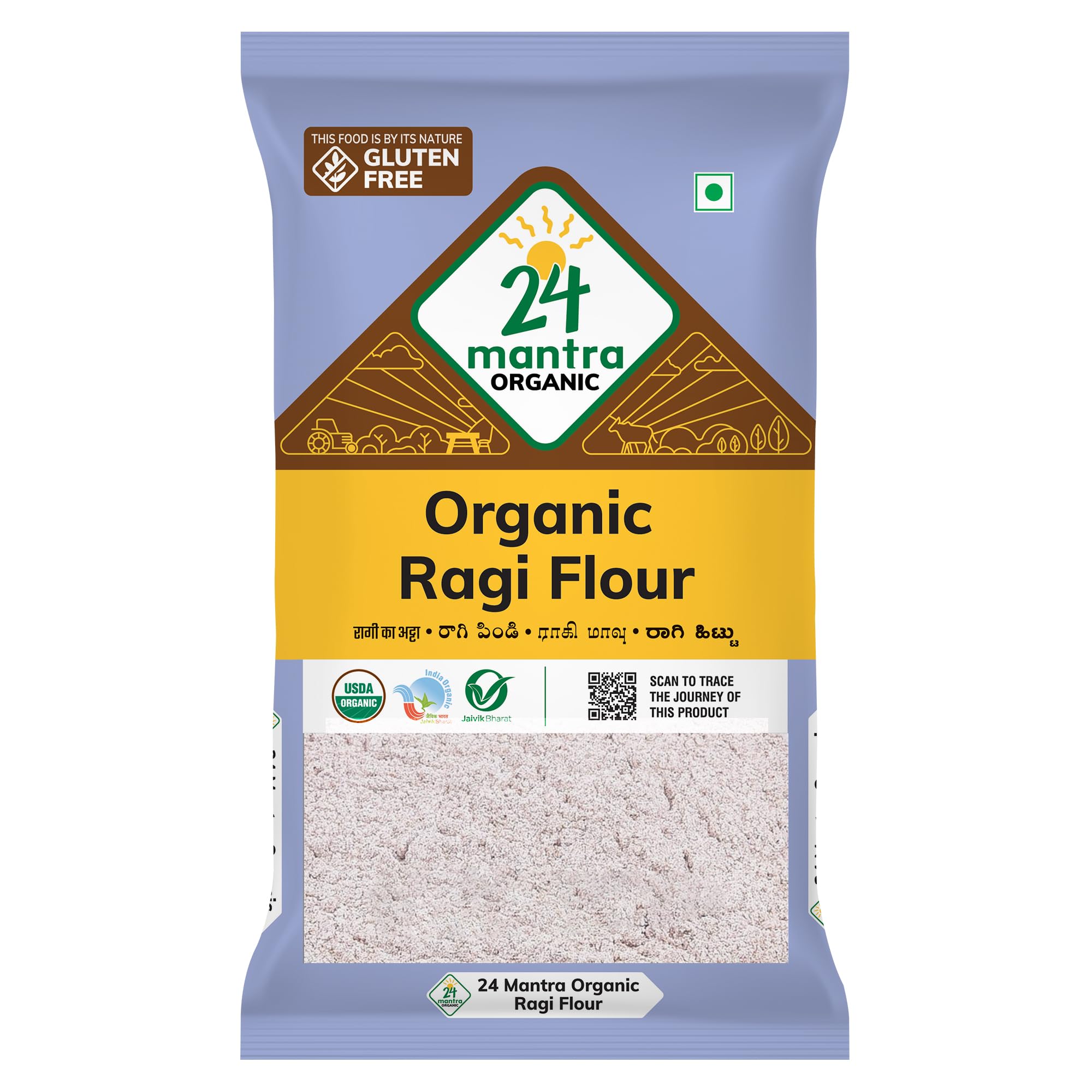
24 Mantra Organic Ragi Flour - Pure Finger Millet, 500g
- ✓ 500g pack
- ✓ USDA organic certified
- ✓ Fine milling for smooth texture
* We earn a small commission — at no extra cost to you.

Pigeon Plastic Hand Blender with Whisk Attachment
- ✓ Lightweight plastic handle
- ✓ Whisk & blender attachment included
- ✓ Easy to clean, dishwasher-safe
* We earn a small commission — at no extra cost to you.