
Pumpkin Pear Khichdi for 8+ Month Babies: 10-Minute Pressure Cooker Recipe
Pumpkin pear khichdi is a gentle, iron-rich first finger food for babies 8 months and older. Combine moong dal, rice, pumpkin, and pear in a pressure cooker for 10 minutes, then mash or pulse to your baby's texture preference. It digests easily, supports weight gain, and freezes well in portions.
When your baby hits 8 months, the pressure is real—literally everyone has an opinion on what you should be feeding them. Rice-based khichdi works, sure, but pumpkin pear khichdi is the recipe that quietly ticks every box: iron from the pumpkin and moong dal, gentle soluble fiber from the pear, digestible carbs from rice, and enough flavour that your baby actually sits still while eating. I've made this at least three times a week for the past four months, and it's the one recipe that never triggers gag reflex complaints or constipation.
The best part? It's done in 10 minutes in a pressure cooker. No soaking overnight, no complicated ratios to remember. This guide covers the exact method, how to pick organic pears if you're sourcing fresh produce, safe storage (because freezer portions are a lifesaver), and the allergic-reaction signs paediatricians actually want you to watch for.
Why Pumpkin Pear Khichdi Works for 8+ Month Babies
Pumpkin is high in Vitamin A (supports immune function) and iron—two nutrients that often run low once babies move past breast milk alone. Pear is gentler than apple and provides soluble fiber without causing the constipation that sometimes comes with rice-heavy diets. Moong dal is a complete protein and the least allergenic lentil, which is why IAP (Indian Academy of Pediatrics) considers it the safest starting dal for introducing legumes. Rice binds everything together and makes the dish digestible enough for still-developing gut bacteria.
According to IAP guidelines, babies can start multi-ingredient meals and lentils at 8 months if they've tolerated single foods (rice, pumpkin, pear) individually for at least 3–5 days each. This recipe assumes you've already done that intro work. If your baby is just starting solids at 6 months, begin with plain pumpkin or pear puree for a week first.
Pumpkin Pear Khichdi Recipe: 10-Minute Pressure Cooker Method
What You'll Need
- Moong dal (yellow, split): 1/4 cup
- Rice (white basmati or sona masoori): 1/4 cup
- Pumpkin (fresh, peeled): 1/2 cup diced
- Pear (ripe, peeled): 1/2 cup diced
- Water: 2 cups
- Ghee: 1 tsp (optional)
- Salt: a pinch (only after 12 months)
For pressure cooker equipment, the Prestige Svachh is the most commonly used stainless steel option in Indian households and holds its seal reliably across multiple uses—critical for consistent steam timing.
Step-by-Step Instructions
- Rinse the moong dal and rice under cold water 2–3 times until water runs clear. This removes dust and reduces cook time slightly.
- Cut pumpkin and pear into small dice (roughly 1 cm chunks). Smaller pieces cook faster and are safer if your baby hasn't mastered self-feeding yet.
- Add all ingredients to the pressure cooker: moong dal, rice, pumpkin, pear, and water. Do not exceed 2/3 full (safety rule for all cookers).
- Heat on high flame until first whistle. Let the cooker hiss and steam escape for about 30 seconds, then reduce flame to low. The gentle hiss prevents the safety valve from jamming with starch.
- Cook for 4–5 whistles (roughly 10 minutes total, depending on your cooker's power). Let the pressure release naturally for 2 minutes, then open carefully.
- Mash or pulse: For 8–9 month babies, mash by hand until you see soft lumps (not smooth paste). For 10+ months or self-feeding practice, leave it slightly chunky. A Philips Avent baby food maker (compact, cordless version, ₹3,995) works well here if you prefer uniform texture.
- Cool before serving. Test temperature on your inner wrist—it should feel warm, not hot.
One batch (this recipe) yields about 4–5 portions for an 8-month-old. Serve warm at room temperature or slightly warm straight from the fridge.
Choosing Organic Pears in India: Brand Comparison
Not all pears ripen the same way, and unripe pears can cause digestive upset. Here's what's actually available and tested across Indian supermarket chains:
| Brand | Price per kg (approx) | Ripeness | Fiber Content | Best For |
|---|---|---|---|---|
| Nourish Organics (packaged) | Rs. 240 | Controlled, ripe | High | Sensitive digestion |
| Farm Fresh (local markets) | Rs. 180 | Variable | High | Budget-conscious, if you inspect ripeness |
| Fresho (Bigbasket/Blinkit delivery) | Rs. 220 | Ripe-on-arrival | High | Convenience, consistent quality |
The key is ripeness: a ripe pear yields slightly to thumb pressure and smells faintly sweet. Unripe pears (hard, pale) can trigger constipation in babies. If you buy locally and they're hard, leave them in a paper bag at room temperature for 2–3 days before using.
Storage: Fridge vs. Freezer
Refrigerator: Cooked khichdi keeps for up to 48 hours in an airtight container at 4°C. After 48 hours, the texture softens and bacteria risk increases. Smell before serving—if it smells fermented or off, discard.
Freezer: Divide into ice-cube trays (each cube = roughly 1 oz, perfect for one meal) and freeze for up to 3 months. Transfer frozen cubes to freezer bags once solid (this prevents ice crystals from damaging the food). Thaw in the fridge overnight or warm directly in a small pan on low heat. Do not use a microwave for baby food—uneven heating can create hot spots.
Label containers with the date. Many parents forget what's inside after a week, and freezer burn (white crystals on the food) means it's time to toss.
Allergy Signs and When to Seek Help
Watch for these in the 24–48 hours after serving:
- Vomiting or excessive gagging during meals (different from normal baby choke-gagging)
- Rash around the mouth or on the body (hives or red patches)
- Diarrhoea (more than 3 loose stools in a day) or constipation lasting over 48 hours
- Severe abdominal bloating or hard belly
- Wheezing or difficulty breathing (rare; seek emergency care if this occurs)
Mild wind or a single loose stool is normal and not an allergy sign. Pear, in particular, can loosen stools if your baby isn't used to fiber—this resolves in 1–2 days as their gut adjusts. If symptoms persist or worsen, pause this recipe and reintroduce single ingredients (pumpkin, pear, dal) one week apart to isolate the trigger. Contact your paediatrician if your baby shows signs of an allergic reaction.
What Paediatricians Say
IAP recommends introducing multi-ingredient meals and legumes between 8–10 months for babies who've tolerated individual foods without reaction. Moong dal is considered the lowest-allergen lentil, making it ideal for first-legume exposure. Always introduce one new ingredient at a time if your baby has a family history of food allergies, and maintain a food diary for the first month.
Our Top Picks
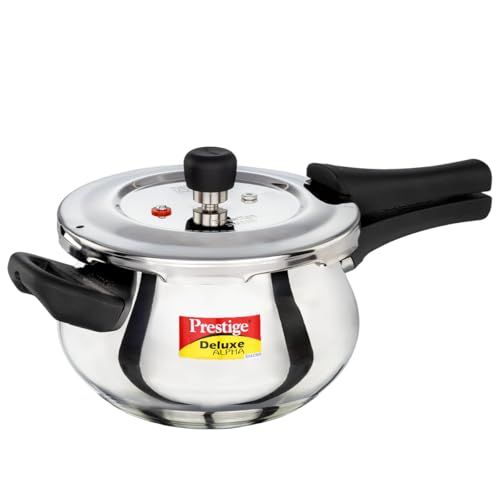
Prestige Svachh Stainless Steel Pressure Cooker 3 Litre
- ✓ 3-litre capacity, ideal for family meals
- ✓ Stainless steel construction, durable seal
- ✓ Induction and gas compatible
* We earn a small commission — at no extra cost to you.
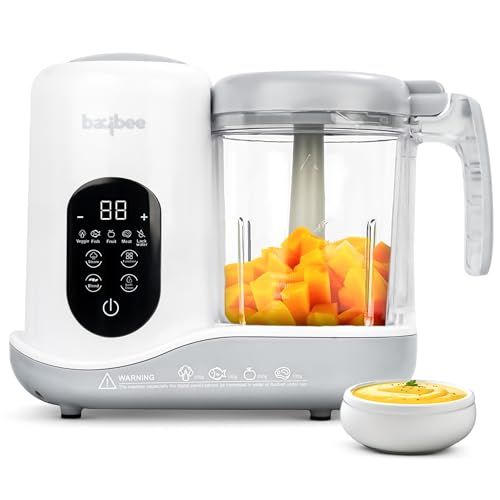
Philips Avent Baby Food Maker Steamer and Blender
- ✓ Steam and blend in one device
- ✓ Cordless, compact design
- ✓ Makes puree or chunky texture in 15 minutes
* We earn a small commission — at no extra cost to you.
Nourish Organics Fresh Pear (500g pack)
- ✓ Certified organic pears
- ✓ Ripeness-controlled for baby feeding
- ✓ No pesticides or artificial ripening agents
* We earn a small commission — at no extra cost to you.