
Pumpkin Oats Porridge for 7+ Month Babies: Pressure Cooker Recipe & Nutrition Guide (2026)
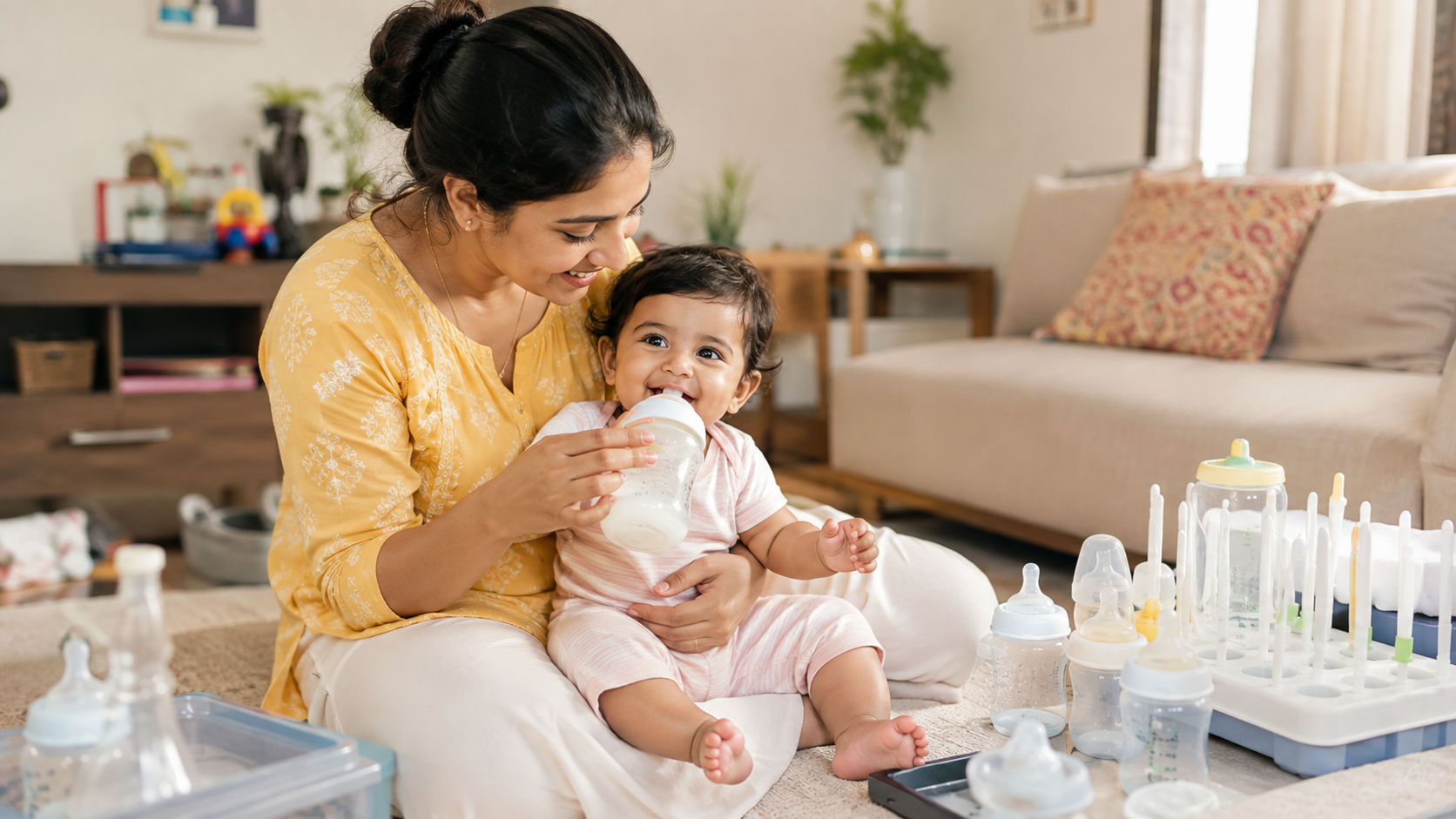
Pumpkin oats porridge is a nutrient-dense first food for babies 7+ months—combining vitamin A-rich pumpkin with fiber-packed oats. Cook together in a pressure cooker for 8 minutes, then puree or mash based on your baby's texture readiness, and finish with a small dollop of pure ghee for healthy fats.
Starting solids is a milestone that keeps most Indian parents in tier-1 and tier-2 cities awake at night. We worry about texture, nutrition, allergies, and whether we're doing it right. Pumpkin oats porridge solves the puzzle—it's gentle on tiny stomachs, packed with the nutrients paediatricians recommend, and takes just 8 minutes to cook. I've made this for both my kids, and I've watched parents across Mumbai, Delhi, and Bangalore do the same. This isn't trendy food; it's traditional sense wrapped in modern science.
Before diving into the recipe, let me mention the key ingredients we'll discuss: Saffola Oats Classic (₹150 per 1kg pack on Amazon.in) and Bagrry's White Oats (₹185 per 500g), plus ghee from Amul Pure Ghee (₹280 per 500ml) or Mother Dairy Ghee (₹260 per 500ml). Each brings its own story to your baby's bowl.
Why Pumpkin and Oats Work for Your Baby
Vitamin A: the fat-soluble nutrient that supports vision, immune function, and skin health in infants under 12 months. Pumpkin delivers roughly 8,500 IU per 100g—well above the WHO recommendation of 1,333 IU daily for babies 6–12 months. Fiber: soluble fiber in oats helps with gentle digestion, a concern many parents face when introducing grains.
The Indian Academy of Pediatrics (IAP) 2024 guidelines endorse introducing single-grain cereals like oats around 6 months, and vegetables like pumpkin shortly after. Combining them—rather than feeding them in isolation—creates a complete meal that holds your baby's interest without overwhelming their developing digestive system. The ghee isn't just flavor; it's essential fat that helps absorb vitamin A and supports neurological development.
Selecting the Right Ingredients: A Parent's Breakdown
Choosing your pumpkin: Pick a small, local pumpkin (roughly 1 kg) from your neighborhood market—these tend to be sweeter and more tender than the large decorative ones. Look for orange-yellow skin without soft spots. Avoid pre-cut pumpkin from grocery chains unless it's vacuum-sealed and stored below 4°C; bacteria can colonize cut surfaces quickly in India's warm climate.
Oats comparison: Both Saffola Oats Classic and Bagrry's White Oats are rolled oats, not instant. Why does this matter? Instant oats break down too quickly in a baby's mouth, losing texture cues that support oral motor development. Saffola's 1kg pack works out to ₹0.15 per gram—better value if you're making porridge weekly. Bagrry's 500g pack costs ₹0.37 per gram but is packaged in smaller quantities, useful if you prefer fresher stock or have limited storage. Both list only oats on their label; neither contains added sugar or salt, which is essential for babies under 12 months.
Ghee selection: Amul Pure Ghee and Mother Dairy are the two most trusted brands across Indian households. Amul's ₹280 per 500ml translates to ₹0.56 per ml; Mother Dairy at ₹260 per 500ml is ₹0.52 per ml. Both are clarified butter with no added preservatives or emulsifiers. For babies, I recommend keeping your ghee in a cool, dark cupboard (not the fridge—it hardens). Use a sterilized spoon each time you scoop; cross-contamination shortens shelf life in warm kitchens.
8-Minute Pressure Cooker Method
Step 1: Prep (5 minutes)
Wash one small pumpkin (300g), cut into chunks, and remove seeds. Peel the skin with a vegetable peeler or knife—don't leave any green outer layer. Cut into 2-inch cubes. Measure 3 tablespoons of oats (roughly 30g) and rinse under running water for 2 minutes to remove any dust.
Step 2: Cook (8 minutes under pressure)
Add 1 cup water to your pressure cooker, then add pumpkin and oats. Stir once. Cover, bring to high pressure (2 whistles), then reduce to low heat and cook for exactly 8 minutes. Turn off flame and let pressure release naturally for 3 minutes before opening. The pumpkin should break apart with a spoon.
Step 3: Texture and Serve
For babies 7–8 months: puree the cooked mixture using an immersion blender or hand churner until completely smooth. Pass through a fine mesh strainer if any lumps remain—this texture supports the transition from breastmilk/formula to semi-solids. For babies 9+ months: mash with the back of a fork to create a slightly chunky consistency, introducing them to varied textures that develop chewing skills. Add 1 teaspoon pure ghee and mix well. Cool to body temperature before serving (test on your inner wrist).
Nutrition snapshot per serving (100g cooked porridge with ghee): Approximately 85 calories, 2.5g protein, 12g carbohydrates, 3g fat, 1.8g fiber. Vitamin A content: roughly 4,200 IU. Iron: 0.8mg (oats contribute 60% of this).
Storage and Food Safety
Store cooked porridge in an airtight glass container in your fridge at 4°C or below for up to 24 hours. In warm cities like Delhi or Chennai, don't leave it on the counter for more than 2 hours. You can freeze individual portions in ice cube trays (roughly 30ml per cube) for up to 2 weeks. Thaw in the fridge overnight or warm gently on the stove with a splash of water—never in a microwave, which creates hot pockets unsafe for babies' sensitive mouths.
What Paediatricians Say
The IAP recommends introducing single-ingredient foods for 3–5 days before combining, to watch for allergic reactions. However, oats and pumpkin are among the lowest-allergen foods for babies under 12 months. Dr. recommendations in urban pediatric centers across Mumbai and Bangalore suggest ghee as a superior choice over oils for babies in their first year because it contains butyric acid, which supports gut lining health. Key facts: (1) Vitamin A supports immune function in babies as documented by WHO—pumpkin delivers 6x the daily requirement per serving. (2) Soluble fiber in oats promotes friendly gut bacteria colonization, which is especially important for exclusively formula-fed infants.
Answering Your Real Questions
Can I mix pumpkin seeds with oats? Only if your baby is 10+ months and you've introduced pumpkin seeds separately first. Pumpkin seeds are slightly harder to digest and can pose a choking risk if not finely ground. For babies 7–9 months, stick to the flesh.
Can babies eat pumpkin every day? Yes, but not as the only vegetable. Introduce variety—alternate with lauki (bottle gourd) or turai (ridge gourd) every few days. Too much pumpkin can cause loose stools in some babies because of its high fiber content relative to their intake.
What if my baby has constipation? This recipe actually helps prevent it. If your baby is already constipated, ensure she's drinking enough breastmilk or formula between solids, and introduce water from a sippy cup after 6+ months as IAP guidelines recommend.
Our Top Picks
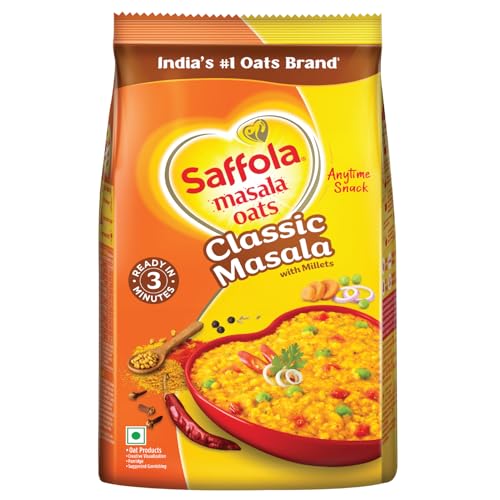
Saffola Oats Classic
- ✓ 1kg pack
- ✓ Rolled oats, no added sugar
- ✓ BIS certified
* We earn a small commission — at no extra cost to you.
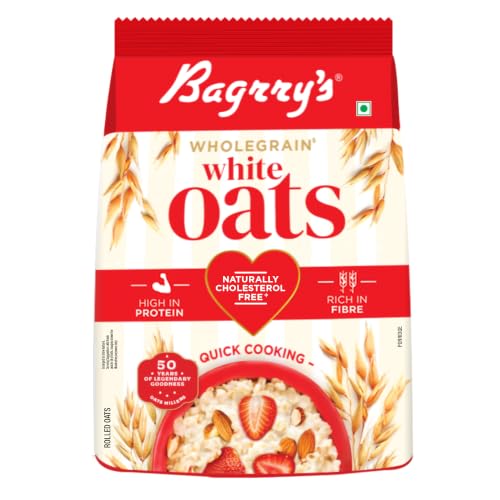
Bagrry's White Oats
- ✓ 500g pack
- ✓ Rolled oats, no salt or sugar added
- ✓ High fiber content
* We earn a small commission — at no extra cost to you.
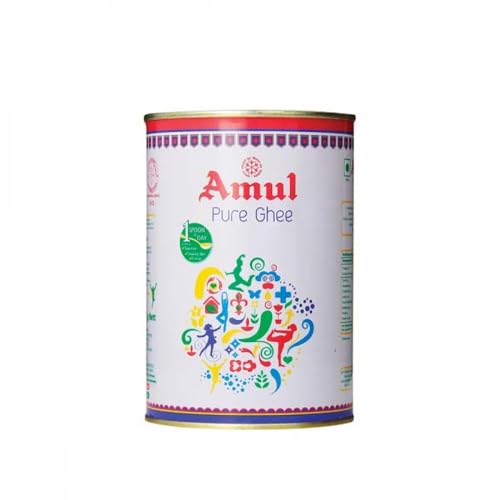
Amul Pure Ghee
- ✓ 500ml bottle
- ✓ 100% pure clarified butter
- ✓ No preservatives or emulsifiers
* We earn a small commission — at no extra cost to you.
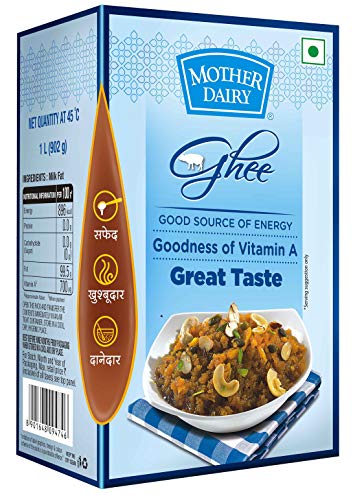
Mother Dairy Ghee
- ✓ 500ml pouch
- ✓ Pure cow ghee, no additives
- ✓ Cold-pressed process
* We earn a small commission — at no extra cost to you.