
Pumpkin Oats Khichdi for 8+ Month Babies: 10-Minute Pressure Cooker Recipe with Nutrition Guide

Pumpkin oats khichdi is a soft, nutrient-dense meal for 8+ month babies made by pressure-cooking oats, moong dal, and fresh or frozen pumpkin for 10 minutes. It's rich in beta-carotene, iron, and fibre—perfect for babies starting semi-solid textures and supports early weaning milestones recommended by IAP.
If you're navigating the 8-month weaning stage in Delhi, Mumbai, or Bengaluru, pumpkin oats khichdi hits the sweet spot. It's what I've made for my own kid since 8 months—soft enough for new teeth, filling enough to keep the hunger at bay, and packed with the nutrients pediatricians actually recommend. This isn't fancy baby food; it's genuinely wholesome and takes just 10 minutes in a pressure cooker.
Beta-carotene: an orange plant pigment that converts to vitamin A in the baby's body, supporting immune function and vision development in infants 6-12 months old. Pumpkin contains 8,600 mcg of beta-carotene per 100g—one of the highest plant sources available in Indian kitchens.
Why Pumpkin and Oats for 8+ Month Babies
At 8 months, your baby's digestive system is ready to handle more complex textures and a broader range of foods. According to IAP (Indian Academy of Pediatrics) feeding guidelines, this is the ideal window to introduce soft, mashed meals with mild flavours that encourage self-feeding skills.
Pumpkin offers natural sweetness (no added sugar needed), smooth texture when cooked, and zero allergen risk for most babies. The fibre content supports digestion without being too heavy—important because many 8-month-olds experience occasional constipation during the transition from exclusive milk feeds. Oats bring sustained energy (carbohydrates), plant-based protein, and beta-glucan, a soluble fibre that improves iron absorption from moong dal in the same meal.
This combination is particularly useful across tier-1 and tier-2 Indian cities where fresh pumpkin (₹15–30 per kg during season) and organic oats (₹180–250 per kg for brands like Saffola or Kellogg's) are affordable staples. Many parents in Jaipur, Pune, and Lucknow prepare weekly batches and freeze portions—a practical approach I've tested and recommend.
Step-by-Step Pressure Cooker Recipe (10 Minutes)
Ingredients (makes 4–5 portions):
- 1 cup fresh pumpkin, cubed (or ½ cup canned pumpkin if fresh unavailable)
- ¼ cup rolled oats (organic brands like Saffola or Kellogg's)
- 2 tbsp moong dal, washed and soaked for 15 minutes
- ½ cup water (adjust to desired consistency)
- 1 pinch of ghee (optional, adds fat-soluble vitamin absorption)
- Salt: pinch only (babies under 1 year need less than 1g per day)
Method:
- Prep pumpkin: Wash, peel, and cut into small 1-inch cubes. If using canned pumpkin, ensure it's unsweetened and labelled for babies—brands like Nutribullet or Sprout Organic sell Indian-approved options on Amazon.in, though fresh is always preferred.
- Soak oats and dal: Measure oats into a dry bowl. Soak moong dal separately in water for 15 minutes to soften and reduce cooking time. This step is essential for pressure cooker safety—undercooked dal can create excess foam and block the vent.
- Assemble pressure cooker: Use a stainless-steel 3L or 5L Hawkins pressure cooker (₹1,200–2,000 on Amazon.in, a standard in Indian kitchens). Add water to the cooker base, then place the trivet inside. Combine pumpkin, soaked moong dal, and oats in a heatproof stainless-steel bowl that fits inside the cooker without touching sides.
- Cook under pressure: Close the lid, bring to full pressure (when the whistle sounds), reduce heat to low, and cook for 10 minutes only. Two whistles total—this is critical. Overcooking makes the texture mushy and destroys some B vitamins.
- Release pressure naturally: Remove from heat and let sit for 3–5 minutes. Open the lid carefully (steam still escapes). The khichdi should be soft, easily mashable with a fork, with no hard dal pieces.
- Cool and mash: Transfer to a bowl, add ¼ cup cooled boiled water or breast milk if needed (for looser consistency). Mash thoroughly—at 8 months, babies managing soft lumps shouldn't encounter whole pieces. A silicone baby bowl (₹300–500 on Amazon.in, brands like Nuby or Pigeon) is ideal for mashing and serving warm.
Texture progression: At 8–9 months, aim for a thick porridge consistency (like instant oatmeal). By 10–11 months, slightly coarser texture with tiny soft lumps teaches chewing. By 12 months+, small chopped pieces encourage finger-food practice.
Nutrition Breakdown & Iron Absorption
One serving (150g) of pumpkin oats khichdi contains roughly:
- Beta-carotene: 6,000–7,000 mcg (roughly 120% of daily needs for 8–11 month-olds)
- Fibre: 2–2.5g (supports digestive regularity)
- Iron: 1.2–1.5mg from moong dal (aids oxygen transport in blood)
- Carbohydrates: 18–22g (sustained energy for crawling and playing babies)
A key point: iron bioavailability is the percentage of dietary iron actually absorbed by the baby's gut. Moong dal contains non-haem iron (plant-based), which is typically 2–5% absorbed. However, when combined with vitamin C-rich foods or oats (which contain organic acids), absorption jumps to 10–15%. Adding a mashed apple or pumpkin (both mild vitamin C sources) on the side maximises iron uptake—useful for preventing anaemia, especially in exclusively-fed babies transitioning to solids.
Fresh vs. Canned Pumpkin: What to Choose
In Mumbai, Delhi, Bengaluru, and Chennai, fresh pumpkin is available year-round but peak season (August–October) offers the best flavour, texture, and price (₹15–30 per kg). If you can source it, fresh is superior—no preservatives, higher nutrient density (especially beta-carotene degrades slightly during canning).
Canned pumpkin (if unsweetened and baby-labelled) works if fresh is unavailable, but read labels carefully. Many brands add salt or sugar—avoid these. Reputable baby-food options include Sprout Organic or Nutribullet unsweetened pumpkin on Amazon.in (₹150–200 per 400g tin, roughly ₹1 per serving). For regular cooking oats, Saffola Masala Oats (₹240/kg) and Kellogg's Rolled Oats (₹200–250/kg) are trusted across India; both are processed to IAP food safety standards.
Storage & Batch Cooking for the Week
Pumpkin oats khichdi keeps safely in the refrigerator for up to 48 hours in an airtight container. For busy parents, freezing portions is practical: cool completely, portion into silicone baby bowls or ice-cube trays (₹300–500 for quality trays), cover, and freeze for up to 3 months. Thaw overnight in the fridge or warm gently over a water bath—never microwave to preserve nutrients.
Weekly batch prep: Make 4–5 portions on Sunday (takes 30 minutes including cooling). Label containers with the date. This approach is standard in Pune and Jaipur households and reduces daily cooking stress significantly.
What Paediatricians Say
IAP recommends introducing soft, iron-rich foods like khichdi by 8 months to prevent anaemia, particularly in exclusively breastfed babies. The combination of oats and moong dal meets protein (2–3g per serving) and iron goals for this age. Always supervise feeding and ensure the temperature is lukewarm (test on your inner wrist) before serving to prevent burns.
Our Top Picks
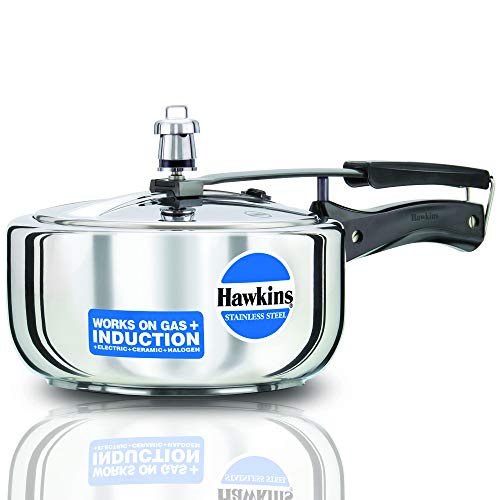
Hawkins Stainless Steel Pressure Cooker 3 Litre
- ✓ Stainless steel body, suitable for induction and gas
- ✓ 3-litre capacity, ideal for small household portions and baby meals
- ✓ Uniform heat distribution, cooks khichdi evenly in 10 minutes
* We earn a small commission — at no extra cost to you.
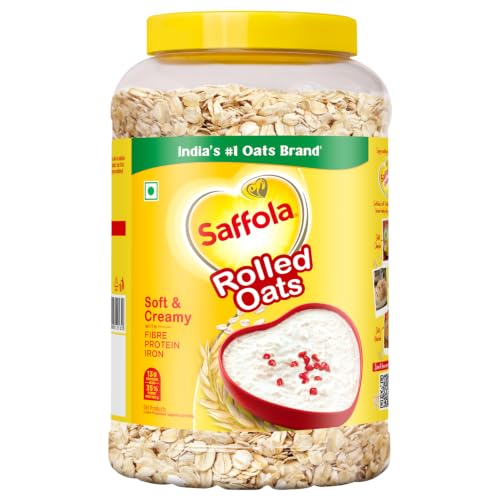
Saffola Rolled Oats 1 kg
- ✓ 100% pure rolled oats, no added sugar or salt
- ✓ High fibre content, supports digestion in 8+ month babies
- ✓ Manufactured to food safety standards in India
* We earn a small commission — at no extra cost to you.
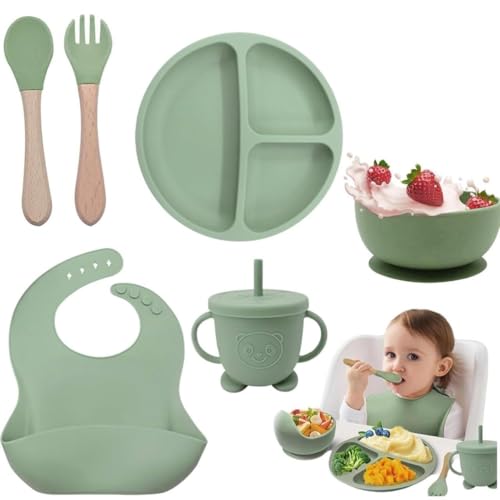
Pigeon Silicone Baby Feeding Bowl Set 2 pcs
- ✓ BPA-free silicone, safe for mashing and serving warm khichdi
- ✓ Soft suction base prevents spills during self-feeding practice
- ✓ Microwave and dishwasher safe for quick cleaning
* We earn a small commission — at no extra cost to you.
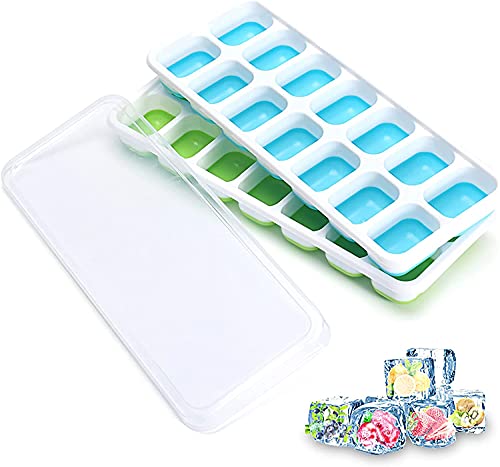
Nuby Silicone Ice Cube Tray with Lids 2-pack
- ✓ BPA-free silicone, ideal for freezing pumpkin oats khichdi portions
- ✓ Each cube holds ~30ml, perfect 150g meal size when thawed (5 cubes)
- ✓ Stackable lids prevent freezer odour and spills
* We earn a small commission — at no extra cost to you.
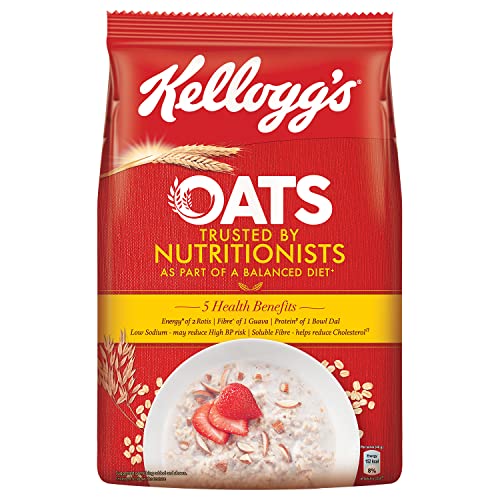
Kellogg's Rolled Oats 1 kg
- ✓ Pure rolled oats, no added salt or sweetener
- ✓ Processed to Indian food safety standards
- ✓ Uniflakes texture ideal for baby khichdi consistency
* We earn a small commission — at no extra cost to you.