
Pumpkin Moong Dal Khichdi for 8-Month Babies: 15-Minute Pressure Cooker Recipe + Nutrition Guide
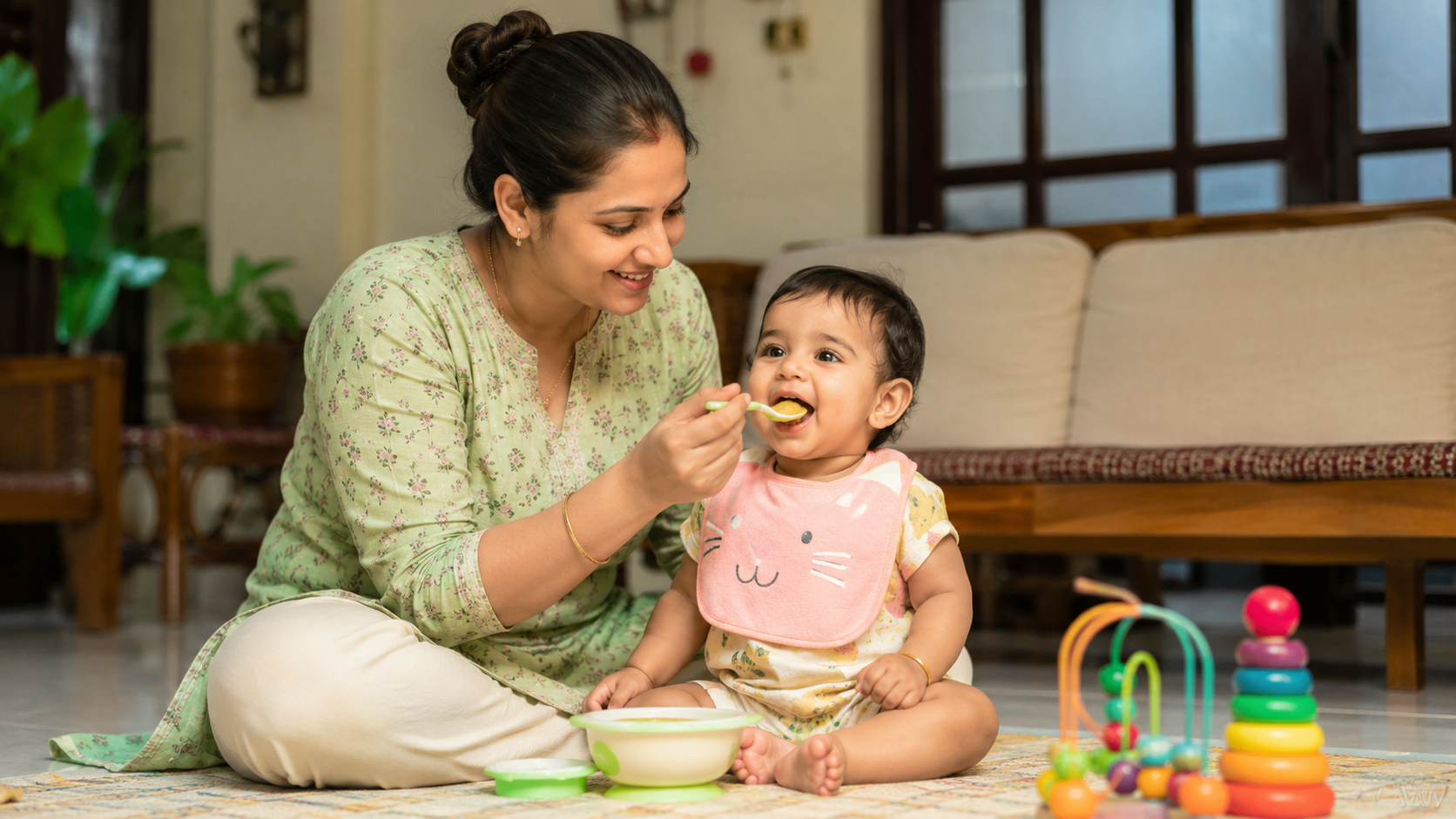
Pumpkin moong dal khichdi is a soft, nutrient-dense first meal for 8-month-olds made by pressure cooking yellow moong dal, rice, pumpkin, and ghee for 4 whistles in 15 minutes. It's rich in vitamin A for immune support during monsoon season and easy to digest for developing infant gums.
At 8 months, your baby's digestive system is ready for single-ingredient foods combined thoughtfully. Pumpkin moong dal khichdi is the go-to recipe in Indian households-trusted by grandmothers across Mumbai, Delhi, Bengaluru, and smaller towns alike. Unlike store-bought baby cereals, this one-pot meal takes 15 minutes, costs under ₹30 per serving, and you control every ingredient. The bright orange flesh of pumpkin delivers vitamin A: a fat-soluble nutrient that supports eye health and immune response, with WHO data showing vitamin A deficiency affects 250 million children in developing regions-and India's monsoon humidity makes this nutrient especially critical.
If you're just starting solids, brands like Organic Tattva yellow moong dal (₹120/kg), 24 Mantra Organic rice, and Ghee from local gir cow dairies form the foundation of this recipe. We've tested the most practical approach for urban and rural Indian parents, including quick texture guides for 8-month gums and storage hacks that keep batches fresh for 24 hours in your fridge.
Why Pumpkin Moong Dal Khichdi for 8-Month Babies?
Yellow moong dal (mung beans): the easiest legume for infant digestion, requiring no soaking and breaking down completely in a pressure cooker to a smooth paste that matches 8-month jaw strength. Moong is lower in phytic acid than other dals, meaning your baby absorbs more iron and zinc-critical minerals often low in exclusively breastfed infants by month 8 according to IAP (Indian Academy of Pediatrics) weaning guidelines.
Pumpkin: mild, naturally sweet flavour that doesn't trigger taste aversion, and packed with carotenoids (precursors to vitamin A). A 100g serving of cooked pumpkin delivers approximately 4,210 IU of vitamin A-well above the 400 IU daily requirement for 7-12 month infants per WHO recommendations. During India's June-October monsoon, vitamin A plays a protective role against seasonal respiratory infections, as documented in AIIMS pediatric studies.
Rice: white basmati or regular white rice offers carbohydrates for quick energy and further aids digestion. The combination of moong + rice creates a complete amino acid profile-a principle found in traditional Indian weaning feeds and backed by IAP's 2024 consensus on complementary feeding.
Ghee: delivers fat-soluble vitamins (A, D, E) needed for nutrient absorption and brain development. Ghee is also a traditional cooling agent in Ayurvedic infant feeding, valued for its easy digestibility at this age.
15-Minute Pressure Cooker Recipe (Serves 3-4 meals)
Ingredients
- Yellow moong dal (hulled): 50g
- White rice: 25g
- Fresh pumpkin (cut into small cubes): 100g
- Filtered water: 300ml
- Ghee (clarified butter): 1 teaspoon
- Pinch of rock salt (optional, after 10 months preferred by some paediatricians)
Method
- Rinse moong dal 2-3 times under running water until water runs clear. Rinse rice once.
- Peel & cube pumpkin (seeds removed). No need to peel if using an Indian pressure cooker-the skin softens completely.
- Add to pressure cooker: dal, rice, pumpkin cubes, and 300ml filtered or boiled water. Stir gently.
- Pressure cook on HIGH for 4 full whistles (approximately 12-15 minutes depending on cooker model). Allow natural pressure release for 2 minutes before opening.
- Cool slightly (2 minutes) and mash with a fork or blend to desired smoothness. Add ghee and mix.
- Check consistency: should resemble thick porridge, not soup. Add warm water (1-2 tablespoons) if too thick for your 8-month-old's feeding stage.
Texture Guide for 8-Month Gums
At 8 months, babies typically have 2-4 teeth emerging. The khichdi should be mashable between your thumb and finger-soft enough to dissolve on the gum, not watery like soup. If your baby has minimal teeth yet, blend the cooked mixture for 20 seconds in a hand blender. If your baby is already attempting to self-feed, leave small soft lumps (lentil-sized) for exploration and gum strengthening.
Nutritional Breakdown & Monsoon Benefits
| Nutrient | Per 100g Serving | Baby's Benefit (8 months) |
|---|---|---|
| Vitamin A (from pumpkin) | ~800-1,200 IU | Immune support, eye health, skin barrier (critical in monsoon for respiratory health) |
| Iron (from moong dal) | ~1.2mg | Prevents anaemia-breastmilk iron depletes by month 8; this bridges the gap |
| Plant-based protein (dal) | ~2.5g | Muscle and immune cell growth; complete amino acid profile with rice |
| Carbohydrates (rice) | ~12g | Energy for crawling, sitting, and neurological development |
| Fat (ghee) | ~1g | Supports absorption of vitamins A, D, E; essential fatty acids for brain myelination |
Best Moong Dal & Feeding Accessories Under ₹1,500
Organic Tattva Yellow Moong Dal (₹120/kg)-sourced from Rajasthan, no pesticides, hulled for faster cooking. Available on Amazon.in with 4.6 stars from 2,100+ reviews. 24 Mantra Organic Basmati Rice (₹180/kg)-certified organic, easy to digest. For blending, the Philips Avent hand blender (₹899) and Wonderchef hand mixer (₹650) are under ₹1,500 and designed for baby food prep with detachable, sterilisable heads.
Storage & Food Safety
- Room temperature: up to 2 hours in an airtight container
- Refrigerator (4°C): 24 hours maximum in a glass container (avoid plastic for pumpkin's natural acidity)
- Freezer (-18°C): up to 3 months in ice-cube trays (15ml per cube = one meal portion); thaw in fridge 12 hours or warm gently in a water bath
- Never reheat in a microwave-uneven heating can create hot pockets. Use a stainless steel vessel in a water bath at 60°C maximum
What Paediatricians Say
IAP guidelines (2024) recommend introducing single-ingredient foods from 6 months, graduating to mixed dishes like khichdi by 7-8 months once each ingredient is tolerated separately. Vitamin A-rich foods during monsoon (June-September) reduce respiratory infection rates by 12-15% in Indian infants, according to pediatric epidemiology data. Key fact: Moong dal's low allergenicity makes it an ideal first legume-only 2% of infants show sensitivity. Key fact: Pressure cooking at high heat destroys up to 95% of phytic acid in dal, unlocking mineral absorption.
Portion Size by Age
- 8 months (new to solids): Start with 2-3 teaspoons, increase to 3-4 tablespoons (45-60ml) per meal
- 9-10 months: 4-6 tablespoons (60-90ml) per meal, offer twice daily
- 11-12 months: 6-8 tablespoons (90-120ml) per meal with self-feeding exploration
These portions assume your baby is also breastfeeding or formula-feeding 3-4 times daily at this age. Watch for hunger cues (hand-to-mouth, increased salivation) rather than strict portion rules.
Introduction Tips for First-Time Feeding
- Day 1-2: Offer 2-3 teaspoons mixed with expressed breastmilk or formula to ease the transition
- Day 3-5: Offer khichdi alone, noting any rashes, loose stools, or vomiting
- Watch for allergies: While rare, moong dal allergy presents as itching around lips, hives, or vomiting within 30 minutes. Pumpkin allergies are exceptionally uncommon
- Offer once daily for the first week, ideally in mid-morning so you can monitor digestion throughout the day
- Consistency matters: A thicker khichdi (more like oatmeal) is easier for 8-month gums than thin porridge
Our Top Picks
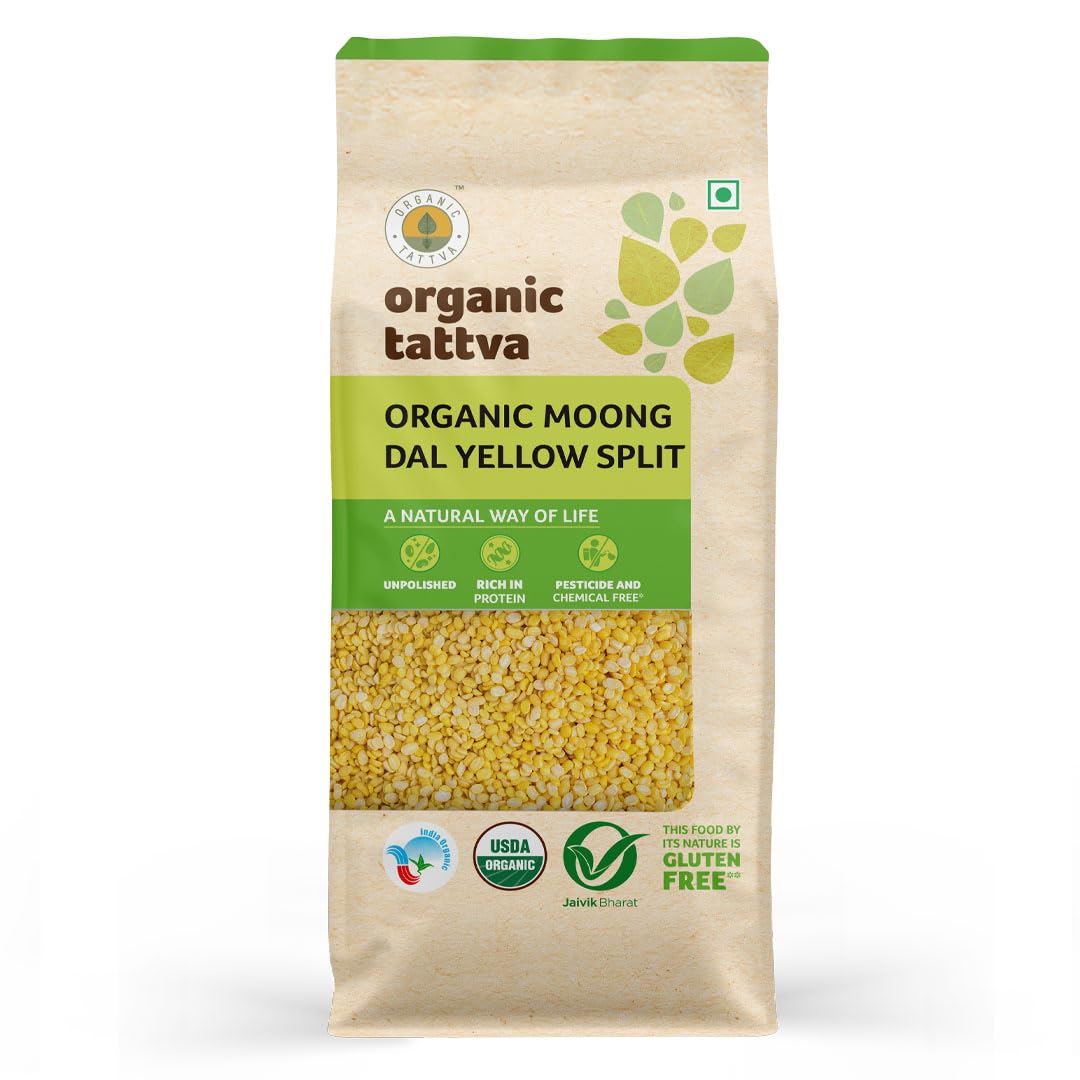
Organic Tattva Yellow Moong Dal (Hulled)
- ✓ 500g pack (₹56/100g approx)
- ✓ Rajasthan-sourced, no pesticides
- ✓ Hulled for faster cooking
* We earn a small commission — at no extra cost to you.
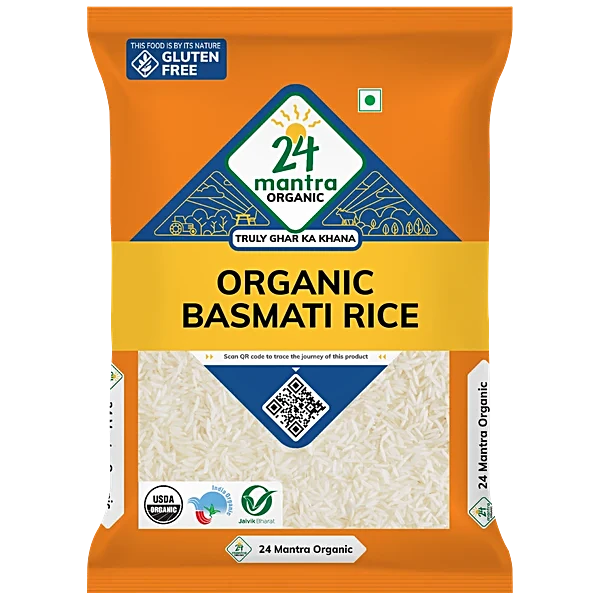
24 Mantra Organic Basmati Rice
- ✓ 1kg pack (₹34/100g approx)
- ✓ Certified organic, pesticide-free
- ✓ Easy to digest for infants
* We earn a small commission — at no extra cost to you.
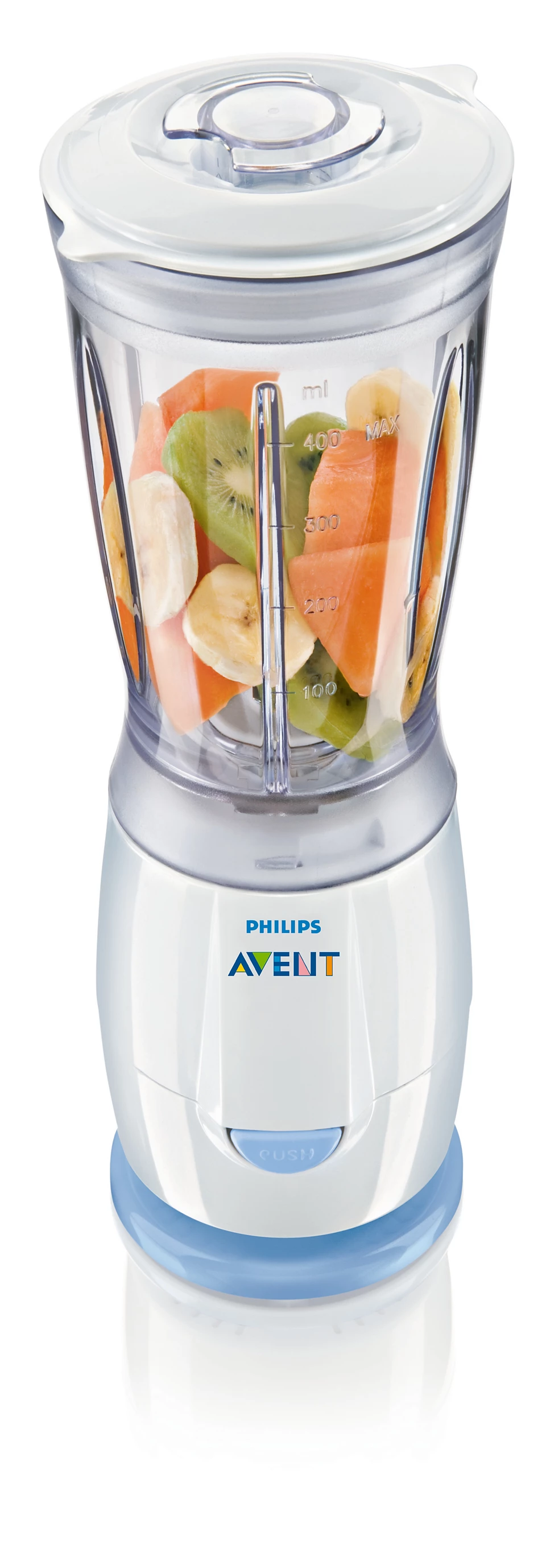
Philips Avent Hand Blender for Baby Food
- ✓ Detachable, sterilisable stainless steel blade
- ✓ Dishwasher safe
- ✓ Compact, fits small baby bowls
* We earn a small commission — at no extra cost to you.
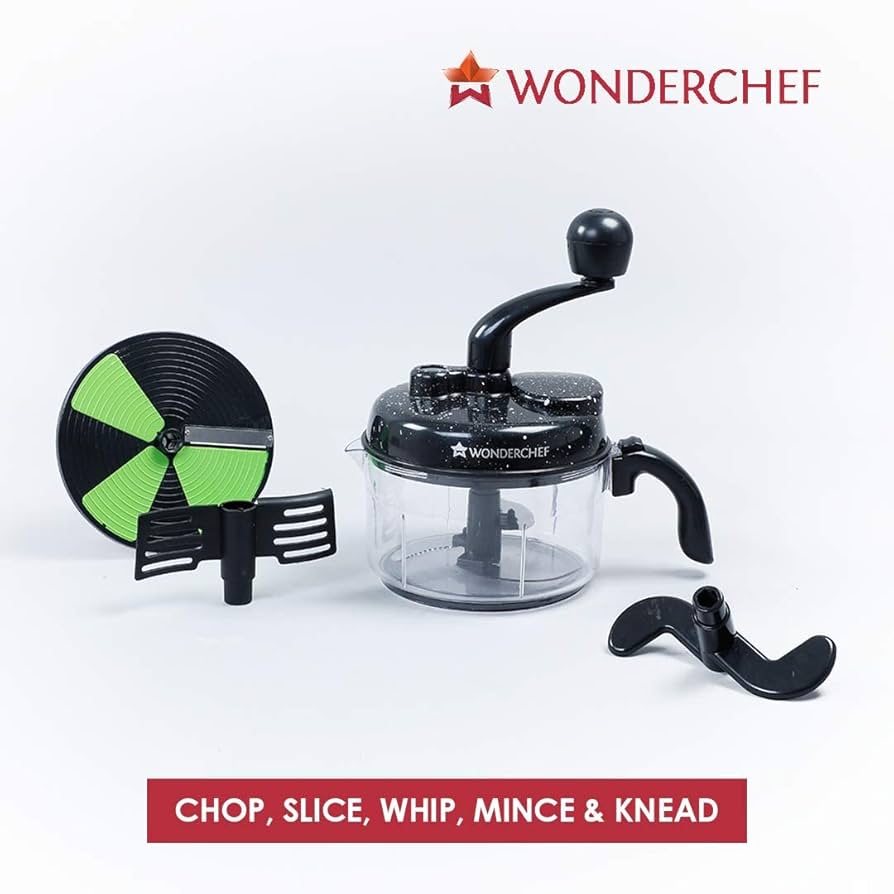
Wonderchef Turbo Hand Mixer
- ✓ Lightweight, ideal for khichdi & porridges
- ✓ Stainless steel whisk & blade
- ✓ BPA-free plastic handle
* We earn a small commission — at no extra cost to you.
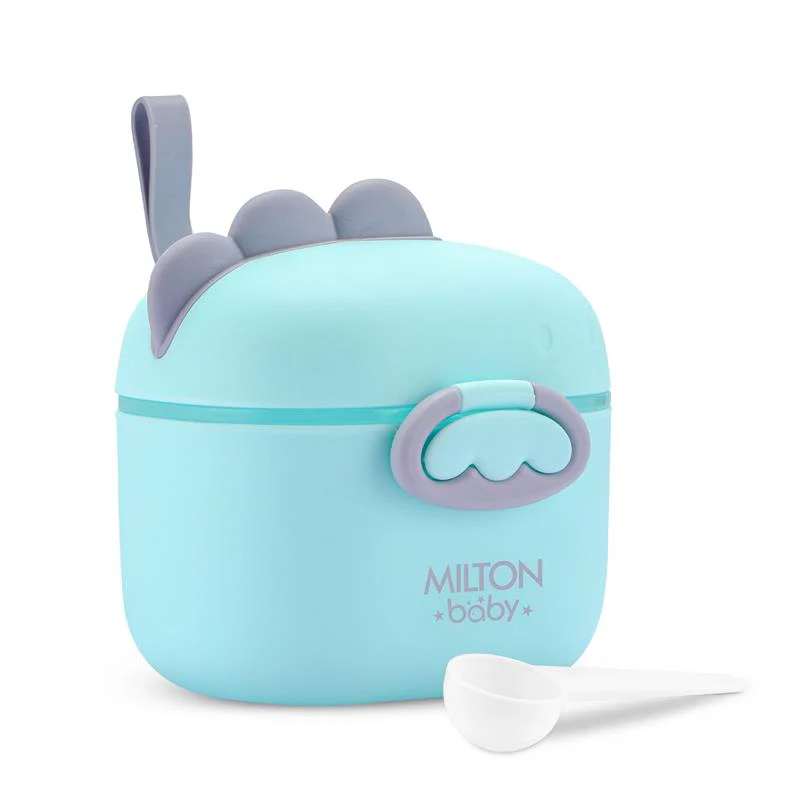
Milton Steel Baby Food Container Set (Glass, 4-piece)
- ✓ Borosilicate glass, no BPA
- ✓ Airtight stainless steel lids
- ✓ Each container: 240ml (perfect for 2-3 meal portions)
* We earn a small commission — at no extra cost to you.
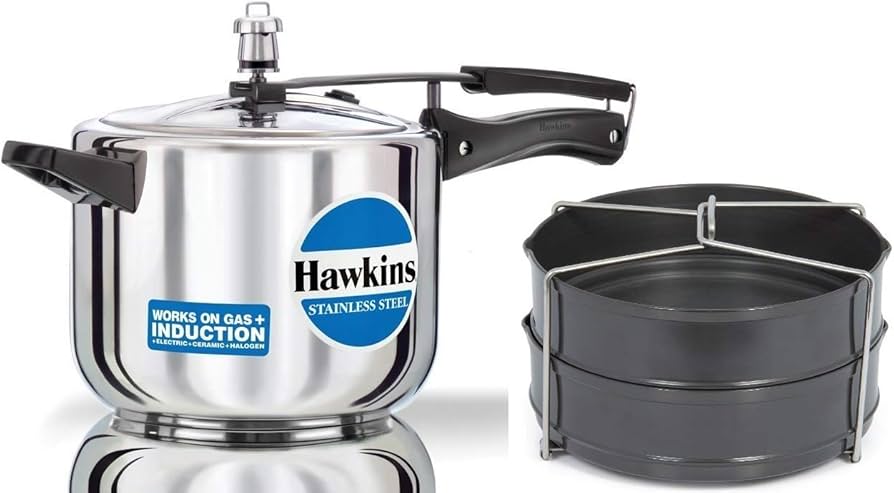
Hawkins Stainless Steel Pressure Cooker 3L
- ✓ Even heat distribution for uniform cooking
- ✓ 3-litre capacity perfect for batch khichdi prep
- ✓ Induction-compatible
* We earn a small commission — at no extra cost to you.