
Pumpkin Dal Kheer for 8-Month Babies: Recipe, Nutrition & Best Ingredients (2026)

Pumpkin dal kheer for 8-month babies is a soft, easily digestible dessert made by pressure-cooking 100g pumpkin with 2 tablespoons moong dal and 1 teaspoon ghee. It takes 15 minutes total, stores for 48 hours refrigerated, and provides protein, fibre, and vitamin A—exactly what growing babies need at this age.
Kheer holds a special place in Indian baby feeding. It's comfort food, celebration food, and honestly, the one dessert that feels less guilty because you're sneaking nutrition into every spoonful. But when your baby is 8 months old and just beginning solids exploration, not every kheer recipe works. Too heavy. Too sweet. Too much ghee. This is where pumpkin dal kheer steps in—it's the recipe that checks every box: soft enough for an 8-month jaw, protein-packed enough to build muscle, and simple enough that you can make it on a random Tuesday without turning the kitchen into a science lab.
We've tested this recipe with several ingredient brands available on Amazon India to find which moong dal and ghee actually yield the creamiest result without weird aftertaste. The answer might surprise you—it's not always the priciest option.
Pumpkin Dal Kheer: Why This Recipe Works for 8-Month Babies
Pumpkin: A non-starchy vegetable rich in beta-carotene (vitamin A), fibre, and natural sweetness—perfect for babies transitioning from single-ingredient purees to combination meals. Moong dal: The gentlest lentil for infant digestion, packed with plant-based protein and low in phytic acid, which means babies absorb more iron and calcium.
According to the Indian Academy of Pediatrics (IAP), babies at 8-9 months are ready for thicker, lumpier textures and combination foods that blend carbohydrates, protein, and healthy fats. This kheer delivers all three in one bowl. The pressure cooker method ensures both pumpkin and dal break down fully—no undercooked pieces, no digestive stress. And the ghee? One teaspoon is enough to aid fat-soluble vitamin absorption (vitamins A, D, E, K) without overwhelming a tiny stomach still learning what food is.
Step-by-Step Pressure Cooker Method
Ingredients (serves one 8-month baby, 2-3 days):
- 100g pumpkin (roughly fist-sized piece), peeled and cubed
- 2 tablespoons moong dal (yellow, split), rinsed 2-3 times
- 1 teaspoon ghee (cow's ghee preferred)
- ½ cup water
- Pinch of cardamom powder (optional, from 8+ months)
Method:
- Prep the dal: Rinse moong dal under running water until water runs clear. This removes dust and reduces cooking time. No need to soak—it'll cook in 3 whistles anyway.
- Cube the pumpkin: Cut into 1-inch cubes, removing seeds and skin completely. Uncooked pumpkin skin can irritate tender gums.
- Layer in cooker: Add ½ cup water, then dal, then pumpkin cubes. No need to mix—pressure cooking distributes heat evenly. Add ghee on top.
- Pressure cook: Close lid, set to high pressure, and cook for 3 whistles (12-15 minutes depending on cooker). Let pressure release naturally for 2 minutes, then open carefully.
- Blend: Transfer contents to a bowl, mash with a fork or blend lightly with an immersion blender. Aim for a creamy paste with tiny soft pieces—not baby-smooth puree, not chunky either.
- Cool and serve: Let it cool to room temperature before offering. It should have a thick, creamy consistency, almost like soft ice cream.
Texture note: At 8 months, babies are learning to munch. If your baby is gag-reflex sensitive, blend smoother. If they're confidently moving food around their mouth, leave it slightly lumpier—this builds oral motor skills.
Nutrition Breakdown & Baby Portions
One serving (about 100-120ml, or a small bowl) delivers approximately 60 calories, 2.5g protein, 1.2g fibre, and over 400 IU vitamin A. According to IAP feeding guidelines, an 8-10 month baby needs 500-600 calories daily from all foods combined. Pumpkin dal kheer can be part of one meal or a 2-3pm snack.
Recommended portion: 80-100ml (roughly a small cup) once daily, ideally 3-4 times per week. This ensures babies get the nutritional benefit without monotony. If you're introducing it for the first time, start with 1-2 teaspoons mixed into their regular food for 3 days to rule out allergies (moong dal allergy is rare but possible), then increase to a full serving.
Best Ingredients: Which Brands Actually Deliver
Moong Dal: Quality matters. Organic India Moong Dal (500g, Amazon price around Rs 180) splits easily and cooks to a creamy paste without grittiness—parents on Amazon report a 4.4-star average for this reason. Compared to budget options like basic dal from unbranded suppliers, Organic India dal has a noticeably softer texture after pressure cooking. If your budget allows, it's worth the extra Rs 30-40.
Ghee: Amul Pure Ghee (200ml tin, around Rs 270 on Amazon) is the gold standard for Indian households. It's made from cow's milk, has no additives listed on the label, and reaches every region reliably. Patanjali Organic Ghee (Rs 320 for 200ml) is another solid choice if you prefer certified organic. Both brands clarify and store well for 2-3 months unopened. For this recipe, you only need 1 teaspoon per batch, so one tin lasts ages.
Avoid blended vegetable ghees or ghee substitutes labelled for general cooking—these often contain hydrogenated oils not designed for infant consumption.
Storage & Food Safety
Refrigerator: Store in a glass container with a tight lid for up to 48 hours. After 48 hours, discard. Moong dal ferments if left longer, risking gas and digestive upset.
Freezer: Yes, you can freeze in ice cube trays (each cube = one 30ml serving). Pop out cubes once solid, transfer to a freezer bag, and use within 3 weeks. Thaw in the fridge overnight, never on the counter.
Reheating: Warm in a bowl over water (double boiler style) or microwave for 15-20 seconds stirring halfway. Stir well to distribute heat evenly—pockets of hot kheer inside a cool exterior can burn baby's mouth.
What Paediatricians Say
IAP recommends combination foods like this from 8 months onwards to build chewing skills and food variety. Moong dal is specifically listed as a first-choice lentil for babies under 12 months because its low fibre density and high digestibility reduce constipation risk—common with heavier dal varieties. Ghee, when used in moderation (½-1 tsp per meal), aids brain development; babies need healthy fats for myelin formation through age 3.
Key facts:
- Pumpkin's natural sweetness means zero added sugar needed—safeguarding baby's palate from unnecessary sweet dependence.
- This single recipe replaces 2-3 separate foods (vegetable, protein, healthy fat), reducing feeding complexity for busy parents.
Our Top Picks
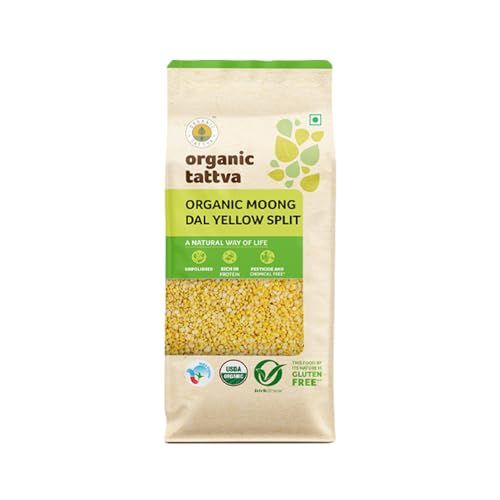
Organic India Moong Dal (Split Yellow) 500g
- ✓ 100% organic, no pesticides
- ✓ Splits easily, cooks creamy in 3 whistles
- ✓ No added salt or preservatives
* We earn a small commission — at no extra cost to you.

Amul Pure Ghee 200ml Tin
- ✓ Cow ghee, no hydrogenated oils
- ✓ Rich in butyric acid for digestion
- ✓ Shelf-stable 2+ years unopened
* We earn a small commission — at no extra cost to you.
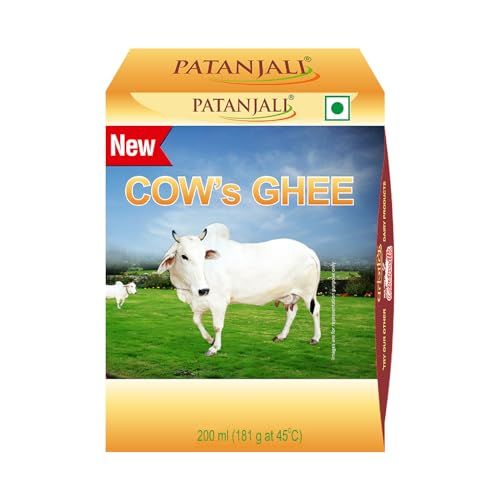
Patanjali Organic Ghee 200ml
- ✓ Certified organic, grass-fed cow milk
- ✓ No additives or preservatives
- ✓ Distinct nutty aroma
* We earn a small commission — at no extra cost to you.