
Protein for Babies: Why Quality Matters More Than the Number
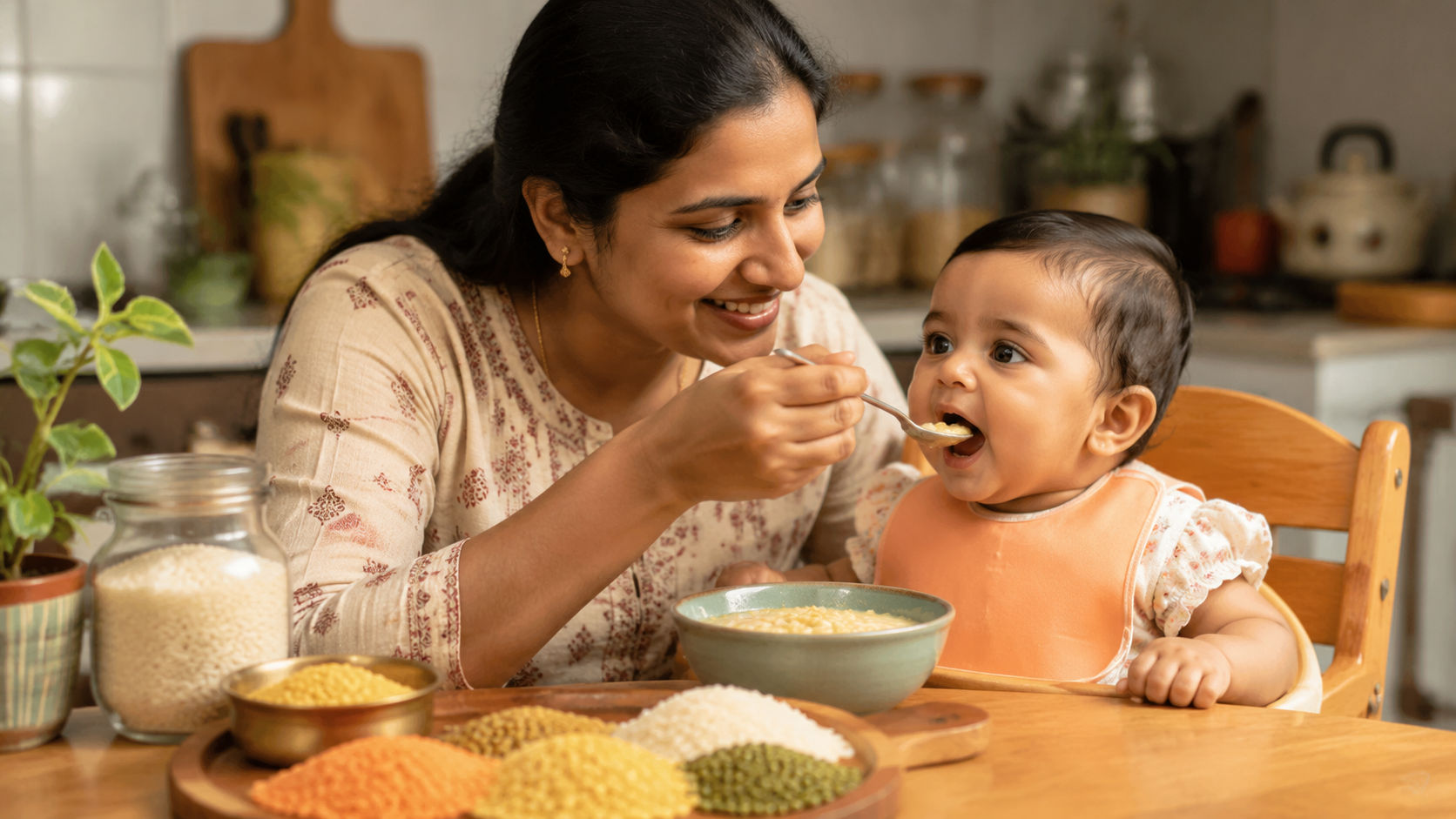
Short answer: for a baby, the type of protein matters more than the number of grams on the pack. A meal that combines the right ingredients gives more usable protein than a single food shouting a big number on its label. It is easy to be pulled in by high-protein claims, but for little tummies, balance and digestibility matter far more than a headline figure.
What protein actually does, and why quality is the real question
Protein is one of the basic building blocks the body uses for growth, for building and repairing tissue, and for a wide range of everyday bodily functions. In a baby's first year, when growth is happening faster than at almost any other point in life, getting enough usable protein matters. But the word usable is doing a lot of work in that sentence, because not all protein sources deliver their full potential to the body equally well.
What "quality" protein really means
Proteins are made of building blocks called amino acids. Some plant foods are low in one or two of these blocks, which limits how well the body can use them on their own. So a food can list an impressive protein number and still not deliver all of it in a form a baby's body can fully use. Quality is about giving the body a complete set of those building blocks, not just a big total. This is exactly why a high-protein label on a packet is not, by itself, a useful guide for a baby's food, the completeness of the amino acid profile matters more than the raw quantity.
Which amino acids are actually missing, and how they get filled
Grains like rice, wheat and ragi tend to run low in one particular amino acid called lysine, even though they are a reasonable source of others. Lentils and other legumes tend to have the opposite gap, they are a good source of lysine but fall a little short on sulfur-containing amino acids like methionine, which grains supply more of. Eaten alone, each has a genuine gap. Eaten together in the same meal, a grain and a lentil fill in each other's shortfall, which is exactly why rice and dal, or a grain-and-lentil porridge, has been a staple combination in Indian kitchens for generations, long before anyone had a name for amino acid completeness.
| Food alone | Tends to be lower in | Tends to be strong in |
|---|---|---|
| Grain alone (rice, wheat, ragi) | Lysine | Methionine and other amino acids |
| Lentil alone | Methionine | Lysine |
| Grain and lentil together | Neither, the gaps fill each other | A fuller amino acid profile in one meal |
Other combinations worth knowing, beyond grain and lentil
Grain and lentil is the classic pairing, but it is not the only one worth knowing. Dairy, once introduced, is a naturally complete protein source on its own, which is one reason a little curd or paneer alongside a grain meal rounds things out nicely, quite apart from the calcium it also brings. Ground nuts and seeds, introduced in age-appropriate, finely ground or butter form and never as whole nuts due to the choking risk, are another way to add a different amino acid profile into the mix as your baby grows older within the first year and beyond. None of these need to appear at every single meal, the goal across a week matters far more than any single bowl.
Quality protein in a baby bowl
This is why a well-made grain-and-lentil porridge is such a useful staple. Rorosaur Rice o Lentil follows exactly this idea, pairing grain and lentil in one thoroughly-cooked bowl, and blends like the Rorosaur Grain Puree Combo, Rorosaur Wheaty Ragi and Rorosaur Spinachy Grain bring several ingredients together in the same spirit. It is not about chasing a high protein number, it is about the ingredients working together in one gentle, well-cooked meal.
A word on protein supplements and powders
It is worth saying plainly that a healthy baby eating a reasonably varied diet, including breastmilk or formula, grains, lentils and dairy, does not typically need a specialised protein supplement or powder, no matter how these are marketed. Whole foods, combined thoughtfully, do this job well for the vast majority of babies. If you have a specific concern about your baby's growth, appetite or protein intake, that is a conversation for your pediatrician, who can look at your baby's actual growth pattern rather than a generic recommendation.
How much protein a baby actually needs
Less than most parents imagine. In the early months of solids, breastmilk or formula still provides most of your baby's nutrition, including protein. Solids are there to add variety and gradually take over. So there is no need to load any single meal with protein, and certainly no need to chase high-protein products marketed to worried parents.
Keep it balanced across the week
Babies get protein from breastmilk or formula, from dairy like curd and paneer once introduced, and from grains and lentils across the week. Variety and good combinations beat a big number every time. If you ever have questions about your baby's diet or growth, your pediatrician is the best guide, but the everyday principle is simple: feed real, well-combined food and let the balance take care of itself.
Our Top Picks
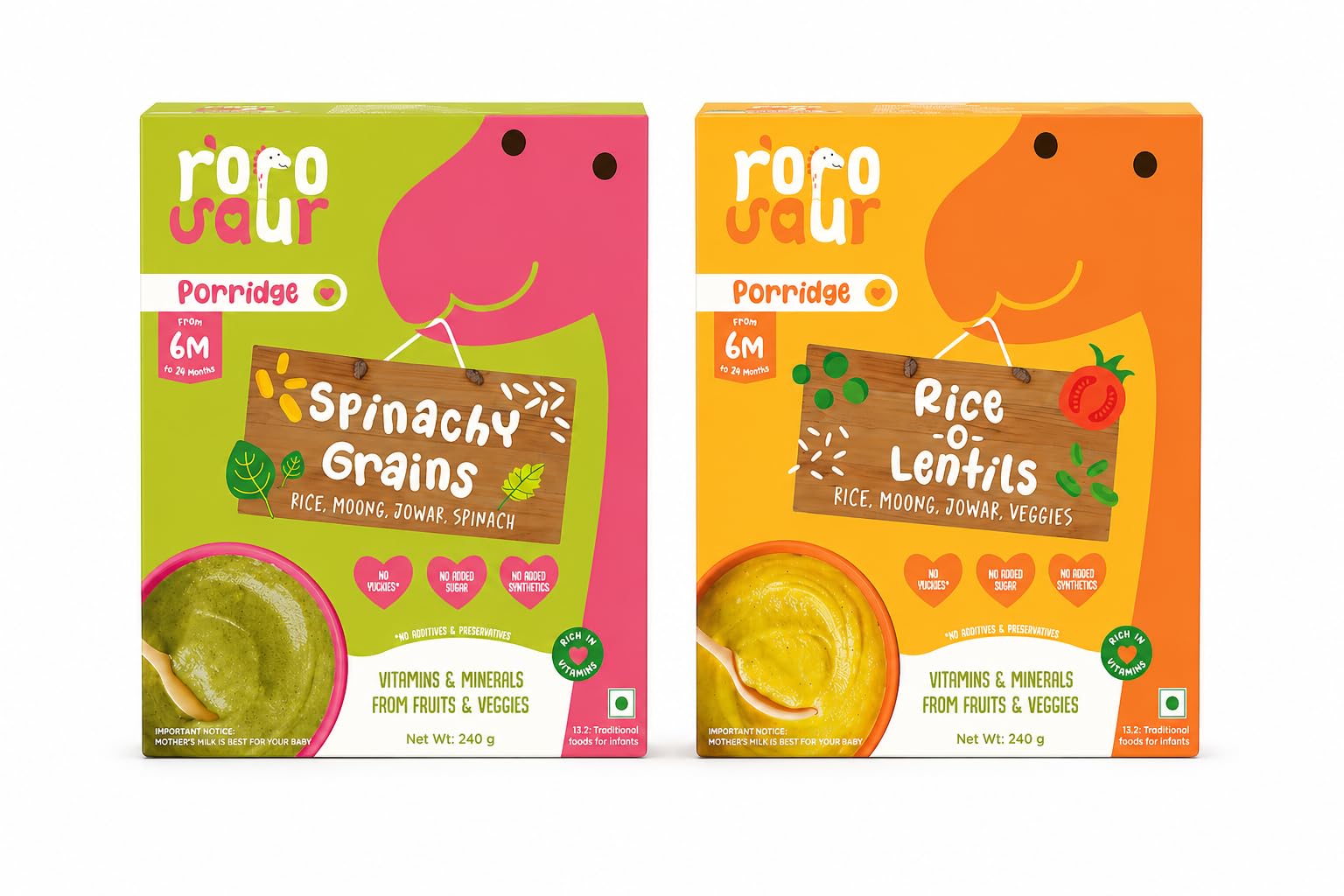
Rorosaur Rice o Lentil
- ✓ No added sugar, salt or preservatives
- ✓ Multiple ingredients, thoroughly cooked
- ✓ Retort-packed - long shelf life, no fridge
* We earn a small commission — at no extra cost to you.

Rorosaur Wheaty Ragi
- ✓ No added sugar, salt or preservatives
- ✓ Multiple ingredients, thoroughly cooked
- ✓ Retort-packed - long shelf life, no fridge
* We earn a small commission — at no extra cost to you.

Rorosaur Spinachy Grain
- ✓ No added sugar, salt or preservatives
- ✓ Multiple ingredients, thoroughly cooked
- ✓ Retort-packed - long shelf life, no fridge
* We earn a small commission — at no extra cost to you.

Rorosaur Grain Puree Combo
- ✓ No added sugar, salt or preservatives
- ✓ Multiple ingredients, thoroughly cooked
- ✓ Retort-packed - long shelf life, no fridge
* We earn a small commission — at no extra cost to you.