
Protein Deficiency in Babies: IAP 2026 Guide for Indian Parents
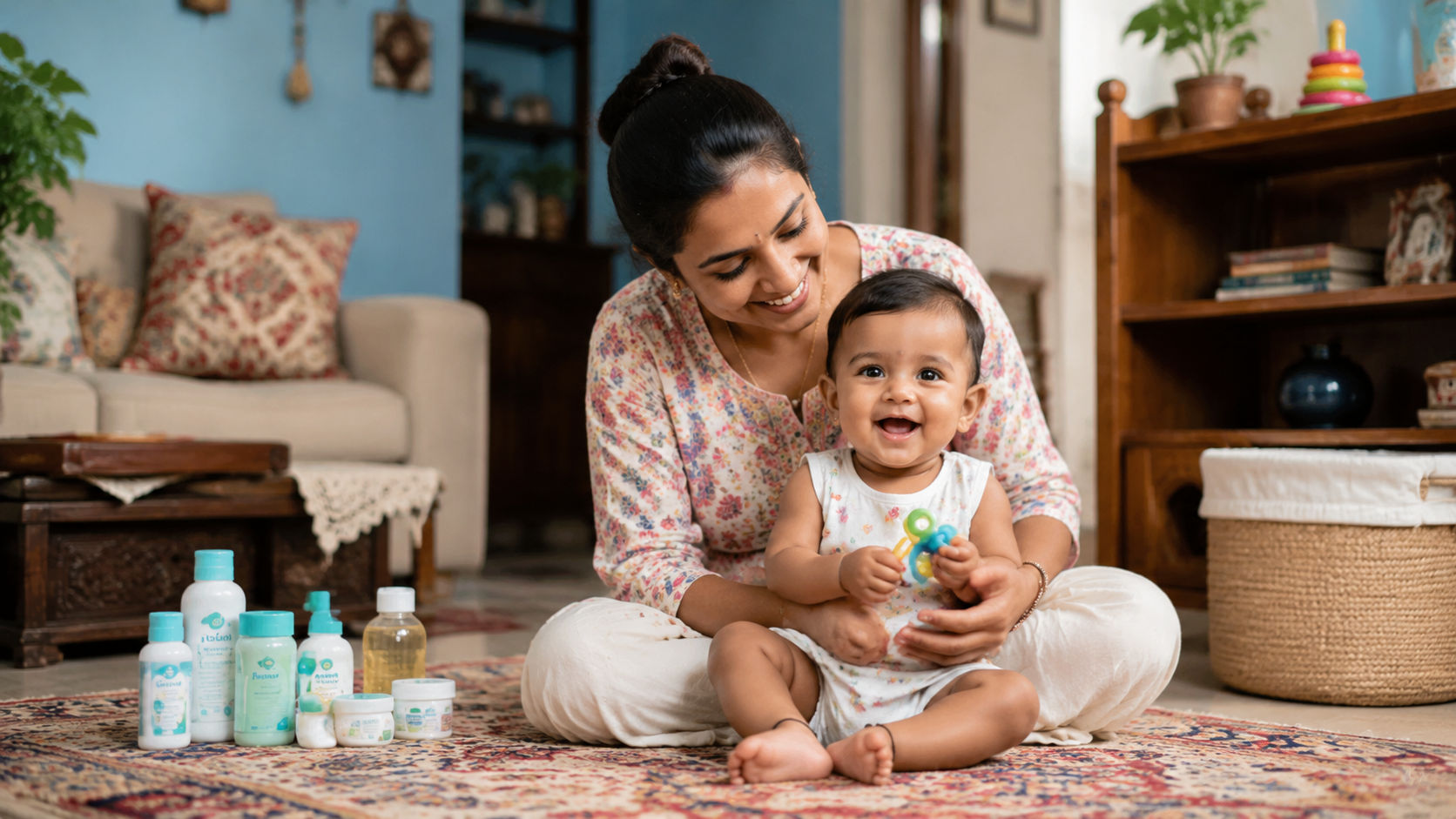
Protein deficiency in babies happens when daily intake falls below 1.2 grams per kilogram of body weight, as recommended by IAP 2026 guidelines. Early signs include poor weight gain, weak muscles, hair loss, and swollen belly. Indian vegetarian sources like moong dal khichdi, curd, paneer, and full-fat cow's milk easily meet requirements when fed regularly.
If you're a parent in Mumbai, Delhi, Bengaluru, or any city across India, you've likely worried about whether your baby is getting enough protein. It's a legitimate concern-protein deficiency in babies is still a real issue in Indian homes, particularly in lower-income families and among parents new to weaning. Unlike developed countries where protein-rich fortified foods are everywhere, we rely on traditional foods: dal, curd, paneer, and milk. The challenge isn't that these foods don't work-they absolutely do-but knowing how much your baby needs and whether they're actually eating enough.
This guide cuts through the confusion. It's based on IAP (Indian Academy of Pediatrics) 2026 standards, real Indian vegetarian foods, local prices, and what paediatricians actually tell parents in tier-1 and tier-2 cities. You'll learn the exact daily protein targets, how to spot deficiency early, which foods work best, and when (if ever) supplements like Slurrp Farm protein porridge or Timios nutritional bars are worth buying.
IAP 2026 Protein Requirements: What Your Baby Actually Needs
The Indian Academy of Pediatrics sets a clear standard: babies need 1.2 grams of protein per kilogram of body weight daily. This is the cornerstone of all feeding guidelines in India. Let me make this concrete.
If your 6-month-old weighs 7 kg, they need about 8.4 grams of protein daily. A 12-month-old weighing 9.5 kg needs 11.4 grams. These numbers are lower than you might expect, and that's important-most Indian babies actually get enough protein from home foods if parents feed them consistently.
The IAP also emphasises exclusive breastfeeding until 6 months, after which protein-rich solids are introduced alongside continued breastfeeding (which itself contains 1.3g protein per 100ml). By 8-12 months, babies eating 2-3 meals daily of traditional foods almost always meet these targets. The problem arises when feeding is inconsistent, irregular, or heavily dependent on rice and water-based porridge without legumes or dairy.
Seven Early Signs of Protein Deficiency in Babies
What paediatricians say matters here. According to IAP clinical guidelines, the first indicator of Protein Energy Malnutrition (PEM) is slowed weight gain and poor linear growth-not obvious symptoms. Many parents miss it for months. Here are the seven most common signs:
- Poor weight gain or plateau-baby doesn't gain weight for 2-3 months despite eating regularly. This is the #1 warning sign.
- Muscle wasting-limbs look thin, muscle tone feels weak when you hold them.
- Hair changes-hair becomes thin, dry, brittle, or unusually light-coloured (sometimes reddish).
- Abdominal swelling (kwashiorkor belly)-belly looks bloated even though the baby is thin everywhere else. This is a serious sign.
- Skin changes-skin appears dry, flaky, or may show unusual pigmentation patterns.
- Lethargy and low energy-baby is unusually quiet, doesn't play, cries less, seems disinterested.
- Frequent infections-low immunity means more colds, ear infections, or digestive issues.
If you notice any of these, see a paediatrician. They'll weigh your baby, check growth charts, and may order simple blood tests to confirm.
Testing for Protein Deficiency: What Your Doctor May Suggest
Most paediatricians diagnose deficiency through growth assessment first. They plot your baby's weight on IAP growth charts and compare it to previous months. If weight gain has slowed significantly, further testing happens.
Serum albumin levels are the gold standard blood test-normal is 3.5-5.0 g/dL; deficiency shows lower values. Total serum protein and haemoglobin tests also help. A simple Mid-Arm Circumference (MAC) measurement-a tape around the arm above the elbow-is quick and shows muscle loss. MAC below 12.5 cm in a 12-month-old suggests malnutrition.
These tests cost ₹300-800 at most private labs in metro cities, and results come within 24-48 hours. If deficiency is confirmed, your paediatrician will create a feeding plan (which this guide covers) and possibly recommend supplements.
Best Protein-Rich Indian Foods for Babies 6-12 Months
Here's what works, costs reasonably, and fits Indian kitchens:
| Food | Protein per 100g | Best Age to Start | Typical Cost (Rs.) |
|---|---|---|---|
| Moong dal khichdi | 3.2g | 6 months | 15-20 |
| Plain curd/yoghurt (full-fat) | 3.5g | 6 months | 40-60 per 200ml |
| Paneer (cottage cheese) | 18g | 8 months | 300-400 per 250g |
| Ragi porridge (finger millet) | 6.7g | 6 months | 30-50 per kg |
| Whole milk (full-fat cow's milk) | 3.2g | After 12 months | 35-50 per litre |
| Masoor dal | 9.0g | 8 months | 70-90 per kg |
The beauty of these foods is simplicity. Moong dal khichdi-equal parts moong dal, rice, and water with a pinch of salt and ghee-is the backbone of Indian baby nutrition. One serving (150g) gives roughly 5-6g protein, soft texture, and excellent digestibility. Make it, freeze it in ice cube trays, and reheat.
Plain full-fat curd (no sugar, no flavour) is equally important. By 8 months, babies can eat 100-150g daily with fruit or dal. Cost is minimal. Paneer is expensive but incredibly protein-dense-small 20g portions mixed into khichdi or mashed boost protein dramatically.
Ragi porridge made with water and a spoon of ghee is underrated. Traditional, affordable, and contains 6.7g protein per 100g. After 12 months, introduce full-fat cow's milk if not exclusively breastfeeding-but only if it's confirmed safe and pasteurised.
Sample Daily Meal Plan: 8-12 Month Old
Breakfast (7-8 am): Ragi porridge (50g) + 1 teaspoon ghee. Protein: ~3g.
Mid-morning (10 am): Breastfeed or plain curd (80g) + mashed fruit.
Lunch (12-1 pm): Moong dal khichdi (150g) + 1 teaspoon ghee. Protein: ~5g.
Afternoon (3-4 pm): Breastfeed or cow's milk (120ml, after 12 months only). Protein: ~4g.
Dinner (6-7 pm): Masoor dal + rice porridge (150g) + paneer (10g mashed). Protein: ~6g.
Before bed: Breastfeed if possible (provides 1-2g protein).
Total protein estimate: 11-15g daily-well above the 1.2g/kg minimum for most babies in this age group.
When Supplements Like Slurrp Farm and Timios Make Sense
Commercial supplements aren't necessary for most babies eating the foods above regularly. But they're worth considering in specific situations:
- Confirmed deficiency (blood test): Paediatrician recommends supplementation as part of a recovery plan. Slurrp Farm Protein Porridge (₹299 for 200g) provides 15g protein per 30g serving and is fortified with iron and calcium.
- Extreme food refusal: Baby refuses dal, curd, and paneer consistently. Timios Nutritional Bars (₹250 for a pack of 6) offer 5-6g protein per bar and taste like mild sweets, easier to force-feed reluctant eaters.
- Travelling or inconsistent feeding: During long trips or when home meals aren't possible, bars or porridge packets provide quick, measured protein.
- Below average weight for age: Baby's weight is tracking below the 3rd percentile on growth charts; supplementation plus home foods helps catch up.
Check product labels: Slurrp Farm lists rice flour, moong dal, ragi, ghee, and fortification agents on its label. Timios bars contain ragi, jaggery, and nuts. Both are India-made and available on Amazon.in. But honest truth: they're not magic. A consistent, regular diet of home-cooked dal, curd, and khichdi almost always prevents deficiency. Supplements help when deficiency already exists or feeding is genuinely disrupted.
What Paediatricians Say
Leading paediatricians across Indian metro cities consistently emphasise two points: First, home foods work better than supplements because they're cheaper, more digestible, and include micronutrients. Second, consistency matters more than variety-a baby eating moong dal khichdi and curd every day will thrive, while irregular feeds of mixed foods will not. IAP guidelines reinforce this: priority is building feeding habits early, not emergency supplementation later.
FAQ
Can vegetarian babies get enough protein? Yes. Moong dal, masoor, paneer, curd, and milk together easily meet IAP's 1.2g/kg requirement. Data shows Indian vegetarian babies on consistent dal-and-curd diets have normal protein levels.
At what age is protein most critical? Protein is critical from weaning (6 months) through 2 years. This is the fastest growth phase. After 2 years, requirements lower slightly but consistency remains important.
How do I know my baby is getting enough? Weigh monthly at a clinic. If weight gain is steady (roughly 100-150g per month at 6-12 months), protein intake is likely adequate. If growth plateaus, see a paediatrician.
Is cow's milk safe after 12 months? IAP recommends whole (full-fat) pasteurised cow's milk only after 12 months, not before. It lacks iron and some nutrients needed before 12 months. Always confirm with your paediatrician before introducing it.
What if my baby refuses dal? Mix finely mashed paneer into rice, blend dal into porridge so it's less visible, or try masoor (red lentils are milder). If refusal persists, discuss with a paediatrician-taste aversions are common but manageable.
Do I need expensive protein powders? No. Slurrp Farm and Timios are helpful only if home foods aren't possible. For routine nutrition, ₹15-50 spent on dal and curd daily beats ₹299 monthly on powders.
Our Top Picks
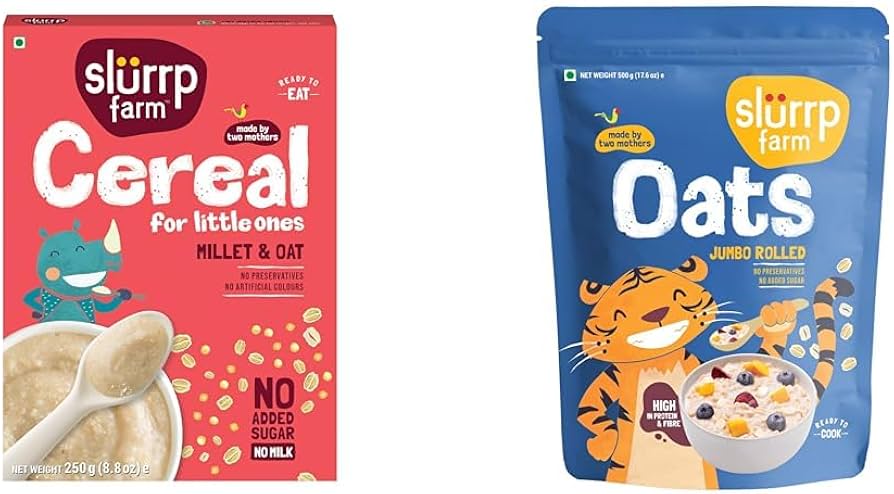
Slurrp Farm High Protein Multigrain Porridge
- ✓ 15g protein per 30g serving
- ✓ Fortified with iron and calcium
- ✓ Made with moong dal, ragi, rice flour
* We earn a small commission — at no extra cost to you.
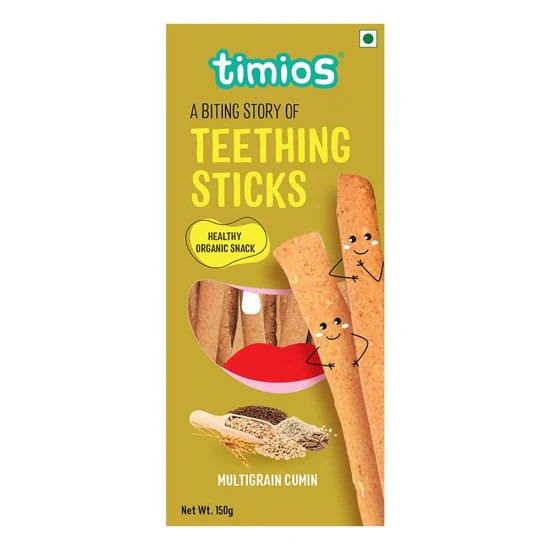
Timios Ragi & Jaggery Nutritional Bars (Pack of 6)
- ✓ 5–6g protein per bar
- ✓ No added sugar, sweetened with jaggery
- ✓ Soft texture, easy for babies 8+ months
* We earn a small commission — at no extra cost to you.
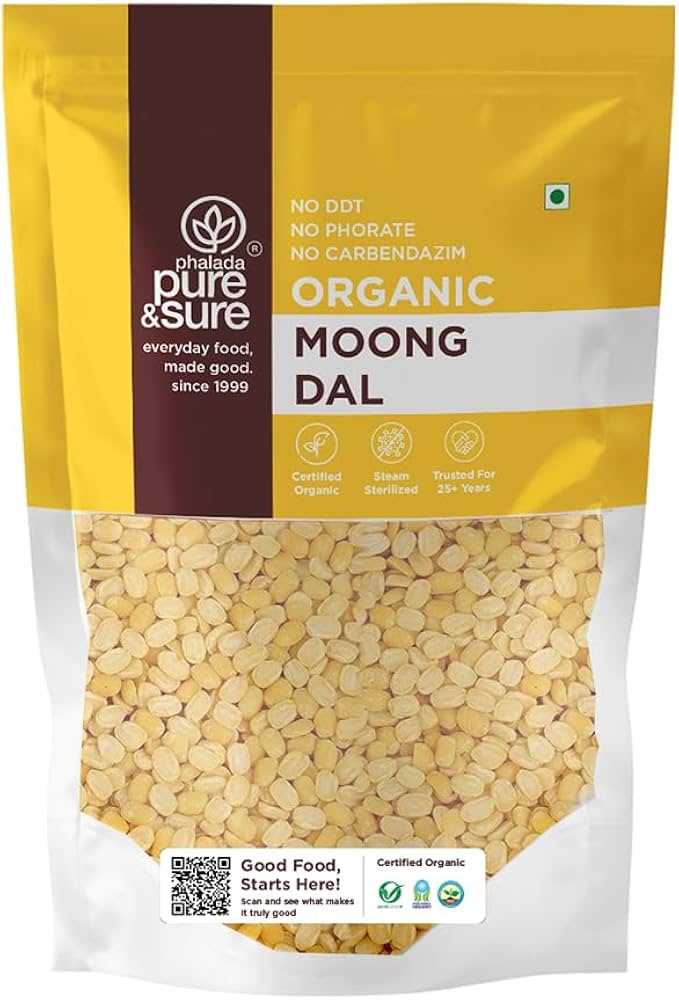
Organic Moong Dal (1kg) - Local Brand
- ✓ 9g protein per 100g cooked
- ✓ No pesticides, organic certified
- ✓ Perfect for khichdi and porridge
* We earn a small commission — at no extra cost to you.