
Potassium Deficiency in Babies: IAP 2026 Guidelines, Symptoms & Indian Food Sources
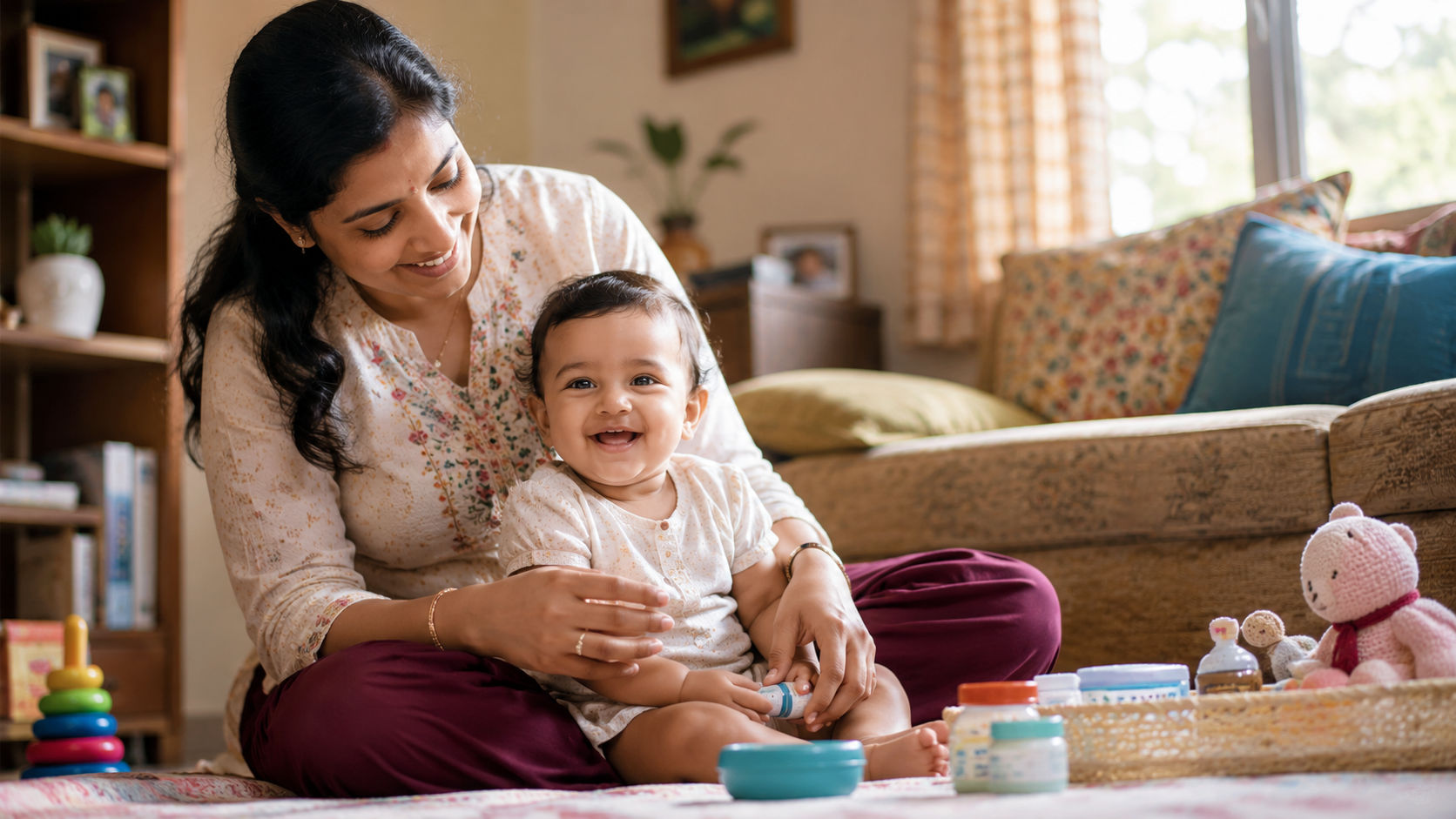
Potassium deficiency in babies shows as unusual muscle weakness, fatigue, poor feeding, or irregular heartbeat patterns. According to IAP (Indian Academy of Pediatrics) 2026 guidelines, babies aged 6–12 months need 400–700mg of potassium daily. Most breastfed babies get enough from breast milk; those on formula or eating solids can meet requirements through spinach (558mg per 100g), banana (358mg), moong dal (296mg), and peas (244mg).
Potassium deficiency in babies: a shortage of this mineral, which helps regulate heart rhythm, muscle contraction, and fluid balance in infants under 12 months.
If you're a parent in Delhi, Mumbai, Bengaluru, or any other Indian city, you've probably worried about whether your baby is eating enough of the right foods. Potassium is one of those nutrients that doesn't grab headlines like iron or calcium, but it matters more than you'd think. A baby with low potassium can feel weak, feed poorly, or in rare cases, develop heart rhythm issues. The good news? It's preventable, and genuine deficiency is uncommon in India because our traditional diets naturally include potassium-rich foods.
This guide walks you through what potassium does, how to spot early signs of deficiency, and exactly which Indian foods will keep your baby's potassium levels healthy—without any guesswork or unnecessary supplements.
What Potassium Does in Your Baby's Body
Potassium is an electrolyte: a mineral that carries electrical charge and helps cells communicate, much like the signal bars on your phone. In your baby's body, it does three critical jobs: regulates heartbeat (so the heart pumps at the right rhythm), controls muscle contraction (so your baby can move, grasp, and eventually crawl), and maintains fluid balance inside and outside cells (which keeps the brain and kidneys working properly).
Breastfed babies get potassium from breast milk, which naturally adjusts its mineral content to suit your baby's age. Once you introduce solids around 6 months, your baby starts absorbing potassium from food. This is where most Indian parents accidentally get it right—dal, banana, and leafy greens are staples in our kitchens.
IAP 2026 Daily Requirements & Why They Matter
According to the Indian Academy of Pediatrics 2026 guidelines, babies need different amounts depending on their age:
- 0–6 months: 400mg per day (entirely from breast milk or formula)
- 6–12 months: 700mg per day (mix of milk and solid foods)
- 1–3 years: 1,000mg per day
These numbers are small—just a few grams—but they're precise. Too little potassium (hypokalemia) causes muscle weakness and irregular heartbeat; too much (hyperkalemia) is also dangerous but extremely rare in babies eating normal food. The IAP standard assumes a mixed diet of milk, grains, lentils, fruits, and vegetables, which is exactly what most Indian families feed their babies.
Early Signs of Potassium Deficiency: What Paediatricians Look For
Low potassium rarely develops overnight in healthy babies. It usually shows up slowly, and the earliest signs are easy to miss. Watch for:
- Unusual fatigue or lethargy—your baby seems sleepier than normal, takes longer naps, or resists play
- Weak grip or floppy movements—poor head control beyond 4 months, or difficulty grasping toys
- Poor feeding—takes longer to finish a meal, sucks weakly, or seems uninterested in food
- Constipation or irregular bowel movements—potassium helps gut muscles work
- Muscle twitches or cramps—rare, but noticeable in older babies
- Irritability or mood changes—fussiness without an obvious cause
Serious signs (which are very rare) include irregular heartbeat, fast heart rate, or blue lips. If you notice any of these, call your paediatrician immediately—don't wait for the next appointment.
Why Potassium Deficiency Happens in Indian Babies
True deficiency is uncommon in India because our food culture is potassium-rich. However, it can occur in specific situations:
- Chronic diarrhea or vomiting—potassium is lost in body fluids
- Certain medications—some diuretics or antibiotics reduce potassium absorption
- Exclusive formula feeding with low-potassium formula—rare, but check the label
- Restricted diet due to allergy or digestive issues—if a baby can only eat a few foods, they might miss potassium
- Premature infants—kidney function isn't mature enough to regulate electrolytes
- Kidney disease or certain genetic disorders—medical conditions that affect how the body handles minerals
For most healthy babies eating a normal Indian diet, deficiency is preventable simply by including the right foods in their daily meals.
Best Indian Food Sources for Baby Potassium
These are the foods paediatricians actually recommend—no exotic supplements needed.
| Food | Potassium per 100g (mg) | Best Age to Introduce | How to Serve |
|---|---|---|---|
| Spinach (palak) | 558 | 8 months+ | Cooked, pureed, mixed into dal |
| Banana | 358 | 6 months+ | Mashed, mixed with curd, or banana porridge |
| Moong dal | 296 | 6 months+ | Soft cooked, pureed, or khichdi |
| Peas (fresh or frozen) | 244 | 8 months+ | Cooked soft, mashed, added to vegetable khichdi |
| Suji/Semolina halwa | ~140 | 8 months+ | Light halwa with ghee and jaggery (not daily) |
| Breast milk (mature) | ~50 per 100ml | 0–12 months | On-demand feeding |
A simple example: if your 8-month-old eats 40g of cooked spinach dal (spinach + moong), she gets about 224mg potassium from that single meal. Add a mashed banana (about 50g = 179mg), and she's already at 403mg—nearly halfway to her daily goal.
Safe Potassium Recipes for Babies (6–12 Months)
Banana-Moong Porridge: Soak 2 tablespoons moong dal, cook until very soft (30 minutes), mash well. Mix with 1 mashed ripe banana, 2 teaspoons ghee, and a pinch of jaggery powder. Serve warm. This gives about 300mg potassium and is gentle on the stomach.
Spinach Khichdi: Cook 2 tablespoons rice + 1 tablespoon moong dal + handful of spinach leaves (washed well) together in water until soft. Mash thoroughly, drizzle ghee. Introduce spinach after 8 months, starting with very small amounts to check for allergies.
Pea & Pumpkin Mash: Steam 30g pumpkin + 20g fresh peas until soft. Mash fine, add a teaspoon of ghee. Safe from 8 months. Pumpkin is mild and easy to digest; peas add potassium and fiber.
When introducing new foods, offer small amounts (1–2 teaspoons) and wait 3–5 days before adding another new food. This helps you spot allergies or sensitivities early.
When Does Your Baby Actually Need a Potassium Supplement?
Most healthy babies don't need supplements. But your paediatrician might recommend one if:
- Your baby has had severe diarrhea or vomiting lasting more than 24 hours
- Blood tests show low potassium (serum potassium below 3.5 mmol/L)
- Your baby is on a diuretic or certain antibiotics
- Your baby has a kidney condition or genetic disorder affecting mineral balance
- Your baby was born premature and is still under specialist care
If your paediatrician prescribes a potassium supplement, it will come as a liquid (potassium chloride solution) or powder to mix with water. Never buy or give potassium supplements without a doctor's prescription—too much is as dangerous as too little.
What Paediatricians Say
IAP guidelines (2026) emphasize that potassium deficiency is preventable through a varied diet of whole foods. Most Indian babies eating traditional family meals—dal, rice, vegetables, fruit, and milk—meet their potassium needs naturally. Blood testing for potassium is only recommended if a baby shows symptoms or has a medical condition affecting kidney function. Routine supplementation is not recommended for healthy babies.
Our Top Picks
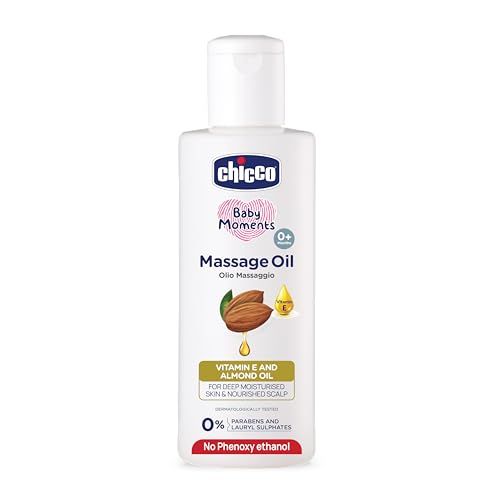
Chicco Natural Sense Baby Massage Oil
- ✓ 100% natural ingredients
- ✓ Mild fragrance for infant massage
- ✓ Hypoallergenic formula
* We earn a small commission — at no extra cost to you.
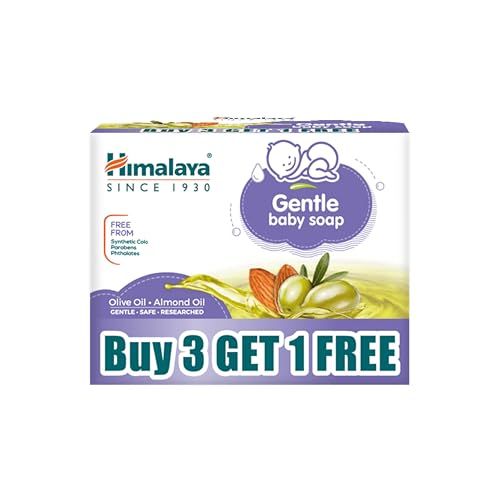
Himalaya Gentle Baby Bath
- ✓ Gentle cleansing for sensitive skin
- ✓ Dermatologist tested
- ✓ Free from harsh chemicals
* We earn a small commission — at no extra cost to you.
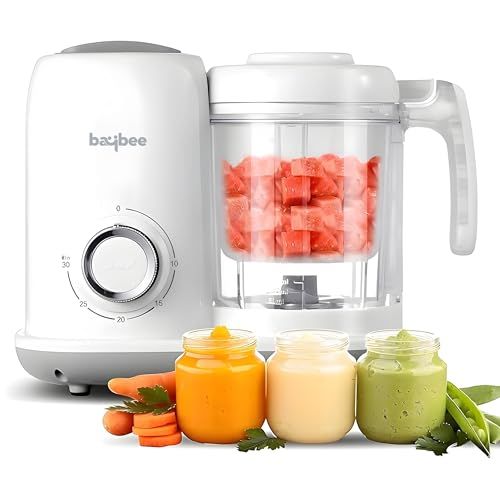
Pigeon Baby Food Maker & Steamer
- ✓ Steams and blends in one device
- ✓ BPA-free plastic
- ✓ Ideal for preparing fresh purees
* We earn a small commission — at no extra cost to you.