
Post-Monsoon Baby Safety Checklist: Room-by-Room Inspection for 2026
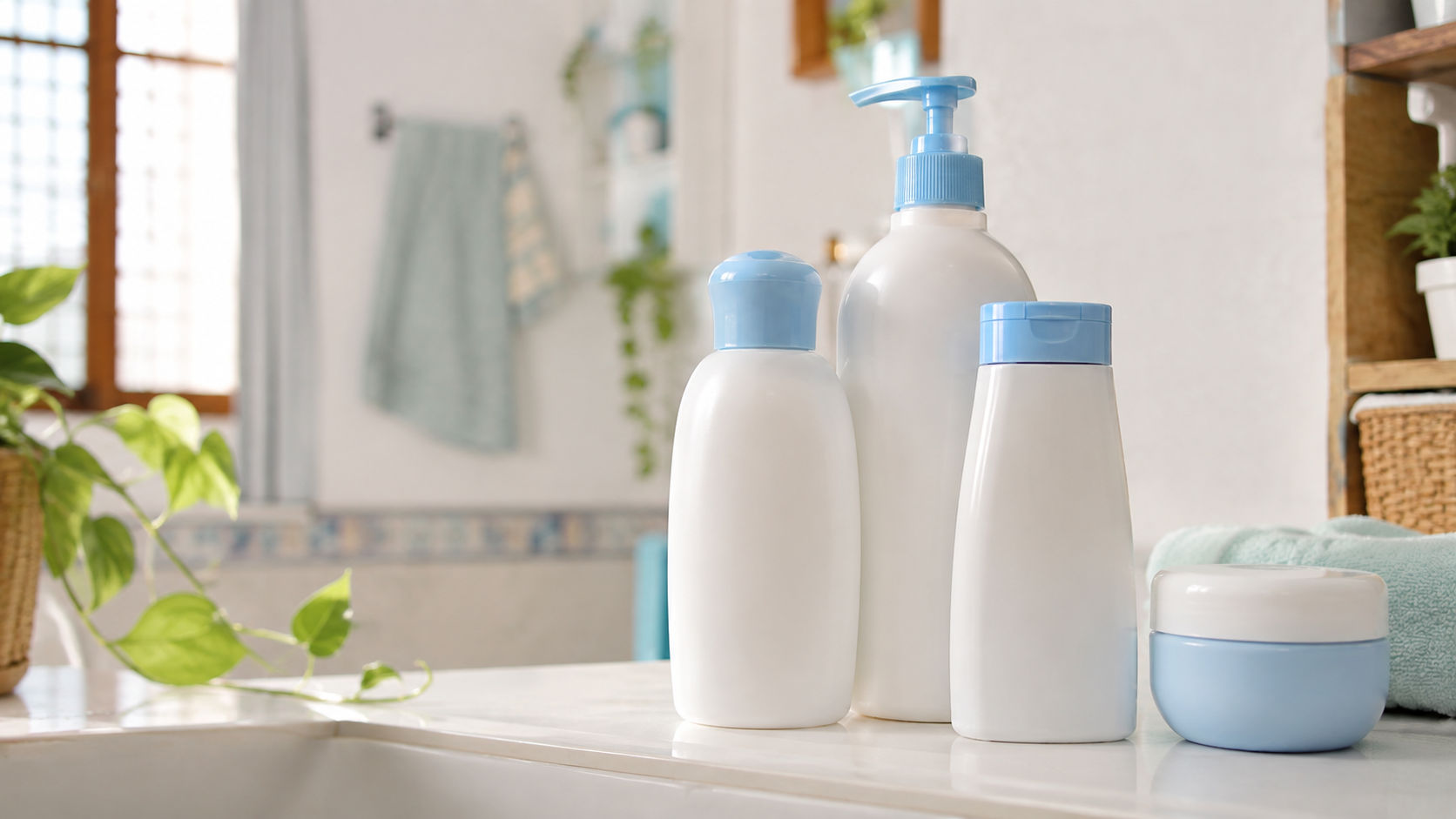
Post-monsoon homes hide mold in baby cupboards, electrical faults from humidity, rusted window grills, and slippery tiles—all crawling hazards. Inspect your apartment room by room over 4 weeks, starting with the bedroom where your baby sleeps, then the kitchen, bathroom, and living areas. Budget ₹500–1500 for fixes: dehumidifiers, non-slip mats, electrical tester, and rust converter spray.
By October, most Indian parents assume the monsoon is over—but your apartment isn't dry yet. I learned this the hard way last year when our 11-month-old crawled behind the bedroom cupboard and touched a damp electrical outlet my husband had missed. The room felt dry, but the moisture was hidden. If your baby is crawling or cruising, the post-monsoon weeks are when you're most at risk because you've stopped thinking about water.
This checklist isn't generic home safety. It's specific to what crawling babies reach, what humidity does to apartment wiring, and what rusts fastest in Indian cities like Mumbai, Delhi, Bengaluru, and Pune. I've broken it into a 4-week inspection plan so you're not panicking over your entire flat at once.
The 4-Week Post-Monsoon Safety Inspection Schedule
Week 1: Bedroom & Sleep Areas
This is where your baby spends the most time and where mold hides fastest. Start here.
- Check the wardrobe/cupboard for mold. Open every shelf and smell. Mold smells like wet soil. Look for black or green spots on wood, especially corners and the back panel. Why it matters: Babies crawl into low cupboards and touch damp walls. Mold spores trigger respiratory infections—IAP guidelines note that infants under 2 years have limited immune response to fungal exposure.
- Test the electrical outlet behind the cot. Use a digital moisture meter (₹300–400) or a non-contact voltage tester (₹250–350). If the wall reads above 15% moisture, there's a risk of short circuits or leakage current that can shock a crawling baby. Why it matters: Humidity from the monsoon seeps into wall cavities behind furniture. A damp outlet looks normal but carries hidden risk.
- Inspect window grills and frames for rust. Run a damp cloth along the metal. If rust flakes off easily, the grill is weakening. Why it matters: A curious 12-month-old can pull on a rusty grill with surprising force. A weakened grill can shift or collapse.
- Check carpet or rug for damp patches underneath. Roll it back and smell. If damp, it needs to dry fully or be replaced. Why it matters: Damp carpets grow mold and become slipping hazards when crawling babies pull themselves up.
Week 2: Kitchen & Water Areas
These rooms retain the most moisture. Inspect methodically.
- Look under the sink and near the stove for water stains or discoloration. Check cabinet wood, the area around the gas connection, and pipes. Why it matters: Water pooling in cabinets corrodes electrical components if wiring passes nearby. A baby pulling open low kitchen cupboards could touch something unsafe.
- Examine kitchen tiles for slipperiness after drying. Walk barefoot where your baby crawls. Wet monsoon rains leave a film on tiles even after they look dry. Why it matters: A crawling baby pulling up on kitchen furniture or a standing toddler will slip on treated tiles—fractures and head injuries are common in post-monsoon slips.
- Check the area around light switches and sockets for moisture staining. Look for white powder (mineral deposits) or discoloration on the wall around electrical fittings. Why it matters: This indicates water has touched the electrical system. Have an electrician test the circuit.
Week 3: Bathroom, Balcony & Water Entry Points
- Inspect the bathroom exhaust fan and ventilation grille. If there's mold or moisture buildup, it's not drawing properly. Why it matters: Poor ventilation traps humidity, which spreads to adjoining rooms where your baby plays.
- Check the balcony and any outdoor seating area for pooled water. Look for corners, low spots near the railings, or clogged drains. Why it matters: Stagnant water breeds mosquitoes and becomes a drowning risk if your baby can access it. Mosquito-borne illnesses spike post-monsoon in cities like Delhi and Mumbai.
- Look at the balcony grill, railings, and fastening bolts for rust. Wobble them gently. If loose, they need immediate tightening. Why it matters: A toddler can lean on a loose railing with the entire weight of their body (5–8 kg). Rusted bolts fail under this pressure.
Week 4: General Hazards & Fix Verification
- Walk every room and identify slippery floor surfaces. Use non-slip stickers or mats in the bedroom near the cot, living room where the baby crawls, and the kitchen. Why it matters: Crawling babies have no grip; even a 2mm film of moisture causes them to slip and bang their head or mouth.
- Test all electrical outlets in rooms the baby uses. Use an outlet tester (₹200–350) to check for correct grounding and wiring faults. Why it matters: Post-monsoon humidity can cause neutral-to-ground voltage issues that are silent killers—the outlet looks fine but carries leakage current.
- Check all window and door seals for water ingress signs. Look at the corner where the frame meets the wall. Any discoloration or seepage means sealing needs repair. Why it matters: Water coming in means mold will follow, and the risk spreads to adjacent rooms.
Budget-Friendly Fixes Under ₹1500
| Issue | Fix | Approx. Cost (Rs.) |
|---|---|---|
| Mold in cupboards | Mold remover spray + anti-mold sachets (silica-based, non-toxic) | 300–500 |
| Damp walls & moisture | Compact dehumidifier (500 mL/day capacity) | 600–1000 |
| Slippery tiles | Non-slip adhesive stickers or grip tape roll | 150–300 |
| Rusted grills | Rust converter spray + touch-up paint | 200–350 |
| Electrical outlet risk | Digital moisture meter + outlet tester | 300–500 |
| Balcony water pooling | Drain unblocking + sealant caulk | 100–200 |
For mold, start with a spray like HCL Mold & Mildew Remover (available on Amazon.in, ₹250–400 for 500 mL) and follow up with silica gel or baking soda-based anti-mold sachets in cupboards. These don't release fumes the way older mothballs do. For slippery floors, adhesive non-slip stickers are safer than rubber mats that a crawling baby can chew or tear. Dehumidifiers are worth the investment if you're in Mumbai, Chennai, or Pune—they pull moisture before it becomes a mold problem.
What Paediatricians Say
Mold exposure: IAP notes that babies under 2 years exposed to household mold have a 3x higher risk of respiratory infections. Electrical safety: Leakage current as low as 5 mA can cause cardiac arrhythmia in infants. Have your electrician use a clamp meter to verify grounding post-monsoon.
Red Flags That Need Immediate Professional Help
- Water seeping into walls (call a waterproofing contractor)
- Burnt smell near electrical outlets or switches (call a licensed electrician immediately)
- Mold spreading across more than 1 square meter (may indicate structural moisture—call a contractor)
- Rusted or loose balcony railings (call building maintenance or a welder same day)
Post-monsoon safety isn't about being paranoid—it's about catching the invisible risks before your crawling baby finds them. This 4-week schedule keeps you focused and prevents overwhelm. Start this week and you'll sleep better knowing the apartment is genuinely safe.
Our Top Picks
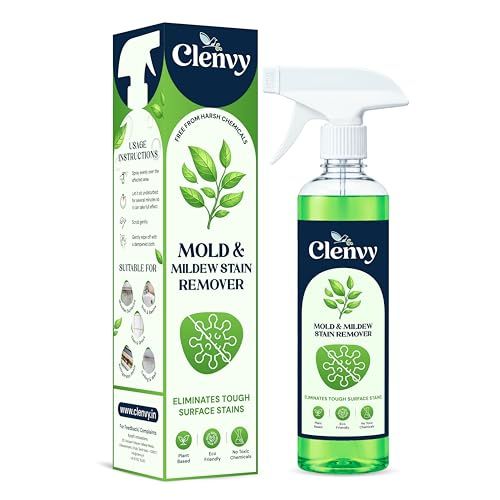
HCL Mold & Mildew Remover Spray 500 mL
- ✓ Ready-to-use spray
- ✓ Removes mold and mildew
- ✓ Safe for painted surfaces
* We earn a small commission — at no extra cost to you.
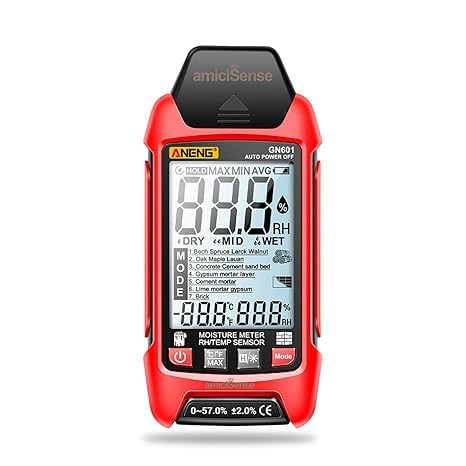
Digital Moisture Meter Portable Hygrometer
- ✓ LCD display
- ✓ 0-100% humidity range
- ✓ Compact pocket-sized
* We earn a small commission — at no extra cost to you.
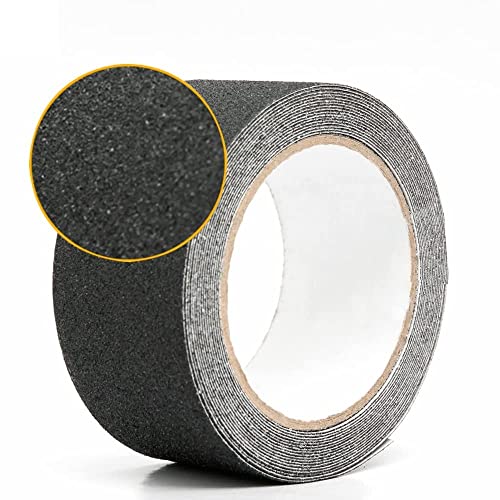
Non-Slip Anti-Skid Adhesive Stickers Roll 5 Meter
- ✓ Adhesive-backed polyurethane
- ✓ Cut-to-size strips
- ✓ Water-resistant
* We earn a small commission — at no extra cost to you.
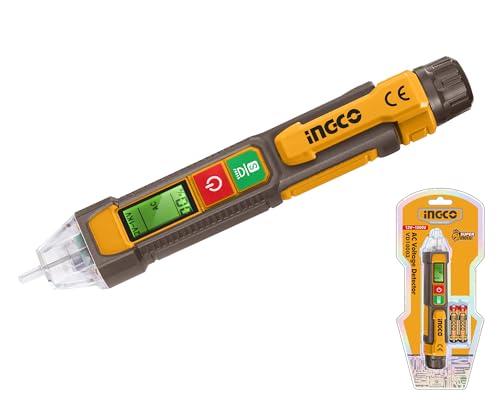
Non-Contact AC Voltage Tester Pen
- ✓ Non-contact detection
- ✓ LED indicator
- ✓ Auto on/off function
* We earn a small commission — at no extra cost to you.
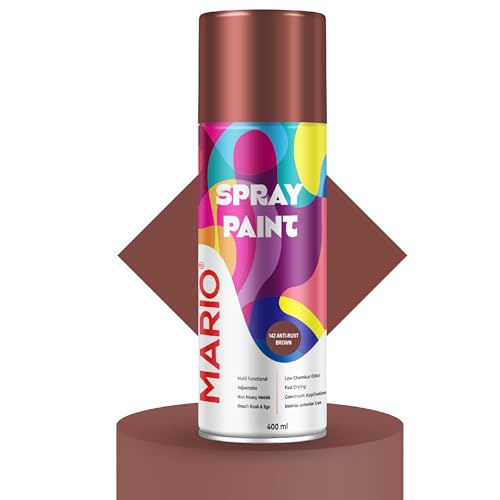
Rust Converter Spray 400 mL for Metal Surfaces
- ✓ Converts rust to stable coating
- ✓ No toxic fumes
- ✓ Suitable for grills and railings
* We earn a small commission — at no extra cost to you.
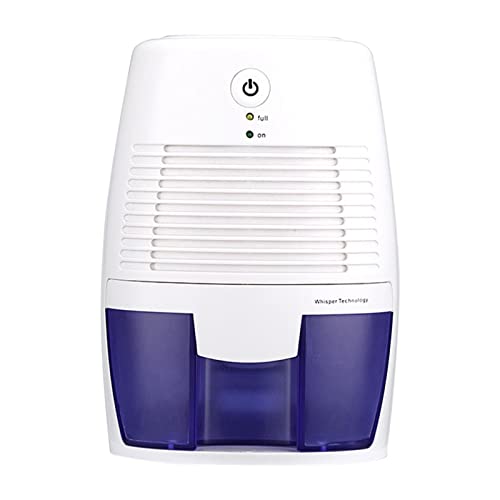
Compact Electric Dehumidifier 500 mL Capacity
- ✓ 500 mL water collection capacity
- ✓ Whisper-quiet operation
- ✓ Auto shut-off when full
* We earn a small commission — at no extra cost to you.