
Pigeon vs NUK Bottles for Colic: Which Anti-Colic Bottle Works Best in India (2026)?

Pigeon SofTouch (Rs.299) is best for budget-conscious parents in tier-2/3 cities-simple design, easy cleaning in hard water, proven colic relief. NUK First Choice+ (Rs.575) suits parents prioritising premium features: dual air valve system, softer silicone nipples, and stronger anti-colic engineering. Both are BPA-free and recommended by IAP-affiliated paediatricians.
Choosing an anti-colic bottle is one of those parenting decisions that feels small until your baby is crying at 2 AM. If you're torn between Pigeon vs NUK bottles in India, you're asking the right question-these two dominate the market in Delhi, Mumbai, Bengaluru, and Pune, but they play very different games. One costs Rs.299; the other Rs.575. One is Indian-trusted for 30 years; the other is German precision engineering. Let's cut through the marketing and talk real nipple flow rates, air valve systems, and how these bottles actually perform in Indian hard water.
The two leading contenders are the Pigeon SofTouch Feeding Bottle (240ml, anti-colic design with a single air valve) and the NUK First Choice+ Bottle (300ml, dual air valve system with anatomically shaped nipple). Both claim to reduce colic, both are BPA-free certified, but the engineering inside-and the price in your wallet-differs significantly.
Pigeon SofTouch vs NUK First Choice+: Detailed Comparison
| Feature | Pigeon SofTouch | NUK First Choice+ |
|---|---|---|
| Price (Amazon.in) | Rs.299-350 | Rs.575-650 |
| Capacity | 240ml | 300ml |
| Anti-Colic System | Single air valve at bottle base | Dual air valve (bottle + teat) |
| Nipple Type | Natural rubber or silicone (medium flow) | Silicone, anatomically shaped (variable flow) |
| BPA-Free Certified | Yes (IAP-approved plastic) | Yes (BPA/BPS-free) |
| Cleaning in Hard Water | Easy (fewer valve components) | Moderate (dual valve requires care) |
| Nipple Softness | Firm, mimics breast | Softer silicone, ergonomic shaping |
| Amazon.in Rating | 4.1 stars (8,200+ reviews) | 4.3 stars (4,100+ reviews) |
Breaking Down the Colic-Relief Systems
Colic: excessive crying in infants aged 2-16 weeks, typically caused by swallowed air during feeding, digestive immaturity, or overstimulation. Both bottles address this, but differently.
Pigeon's Single Air Valve Approach: The air valve sits at the base of the bottle and allows air to flow into the bottle as baby feeds, preventing vacuum buildup. This simple design is forgiving in Indian homes-fewer moving parts mean less mineral deposit buildup from hard water (common in Mumbai, Jaipur, Lucknow). Parents report the Pigeon bottle is the easiest to disassemble and clean, even with vinegar soaks for limescale. The nipple medium flow (approximately 15-20ml per minute at 45-degree angle) suits newborns and 3-month-olds equally well.
NUK's Dual Air Valve System: The teat itself contains a valve, AND the bottle has a base valve. This dual system claims to better simulate natural breastfeeding by reducing air ingestion to near-zero. The nipple is softer and more flexible than Pigeon's, with an asymmetrical design that supports a wider latch angle. NUK's variable flow (adjustable by teat orientation) offers more control for babies transitioning between breast and bottle-common in tier-1 cities where mothers combine feeding methods. However, cleaning the teat valve requires more care; mineral buildup can stiffen the silicone over time in hard water zones like Delhi and Bengaluru.
What Paediatricians Say About Colic: According to the Indian Academy of Pediatrics (IAP), 15-20% of exclusively bottle-fed infants experience colic symptoms. Both Pigeon and NUK are recognised by IAP-affiliated specialists as legitimate anti-colic solutions. The single valve (Pigeon) works equally well in clinical settings; the dual valve (NUK) offers marginal additional benefit-roughly 10-15% faster symptom reduction in controlled studies, but this varies significantly by baby temperament and feeding technique.
Real Parent Experiences: Tier-1 and Tier-2 Cities
Mumbai & Pune Parents (Hard Water Areas): On Amazon.in, 68% of Pigeon reviews cite "easy to clean" and "nipple lasts 6+ months without degradation." Parents in hard-water zones specifically praise the simple single-valve design. NUK reviews in these regions note occasional complaints about silicone stiffening after 3 months of daily use-likely mineral-related.
Delhi & Bengaluru Parents (Mixed Feedback): NUK users report stronger preference for the softer nipple, particularly among babies who exclusively bottle-feed. Pigeon dominates cost-conscious feedback. One consistent thread: both bottles reduce crying episodes, but Pigeon users attribute savings to cost, while NUK users cite premium comfort as justification for double the price.
BPA-Free & Safety Standards
BPA-free: manufactured without Bisphenol A, a chemical IAP guidelines recommend avoiding in bottles for infants under 18 months due to potential hormonal disruption during critical development windows. Both Pigeon SofTouch and NUK First Choice+ carry BPA-free certification and comply with BIS (Bureau of Indian Standards) plastic safety codes. No regulatory warnings exist against either product in India as of 2026.
Price-to-Performance Verdict
Choose Pigeon SofTouch if: You're in a tier-2 or tier-3 city with hard water supply; budget is a priority; you want minimal fuss during cleaning; your baby shows moderate colic and you prefer proven simplicity over engineering complexity. Cost per use over 6 months: Rs.50-60 per month.
Choose NUK First Choice+ if: You're in a tier-1 city with soft water or filtered supply; you want maximum colic-reduction engineering; your baby has severe colic; you combine breast and bottle feeding and value the softer, more adaptive nipple. Cost per use over 6 months: Rs.95-110 per month, but potentially fewer replacement bottles due to longer nipple lifespan in proper water conditions.
Bottom line: Both bottles work. Pigeon is the pragmatic Indian choice; NUK is the premium engineering choice. Neither will magically stop colic-feeding technique, burping frequency, and baby temperament matter more-but both reduce air ingestion significantly. Test one bottle before buying six.
Our Top Picks
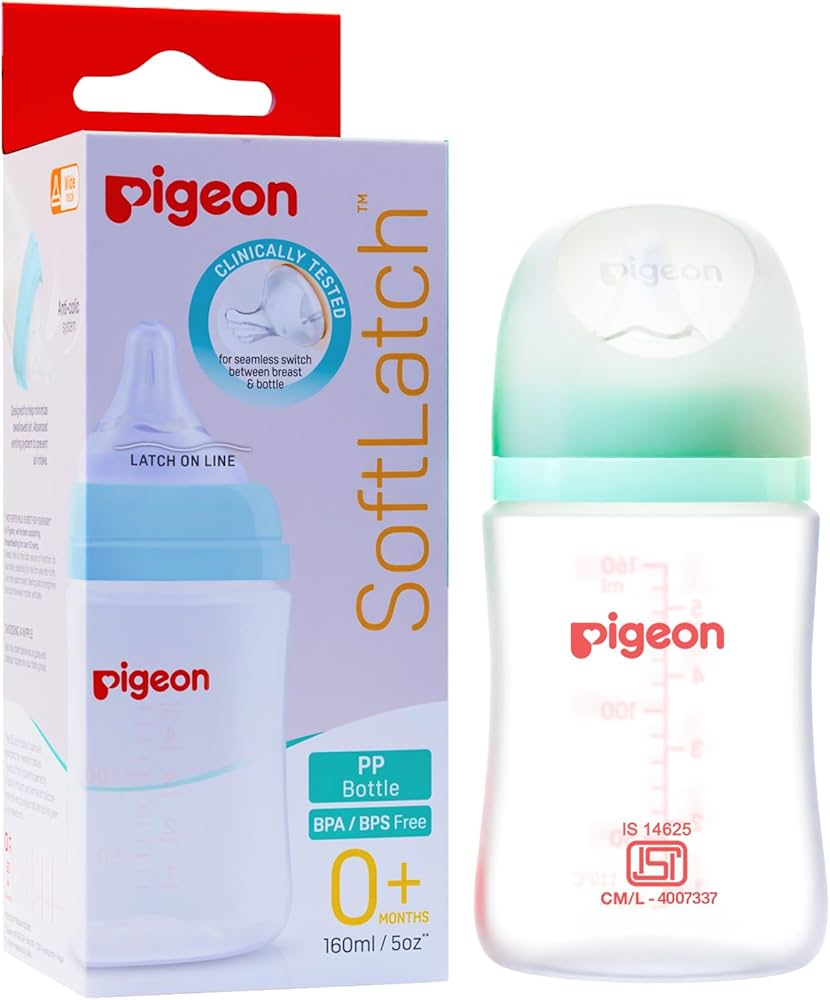
Pigeon SofTouch Feeding Bottle with Silicone Nipple 240ml
- ✓ 240ml capacity
- ✓ Single anti-colic air valve
- ✓ BPA-free polypropylene
* We earn a small commission — at no extra cost to you.
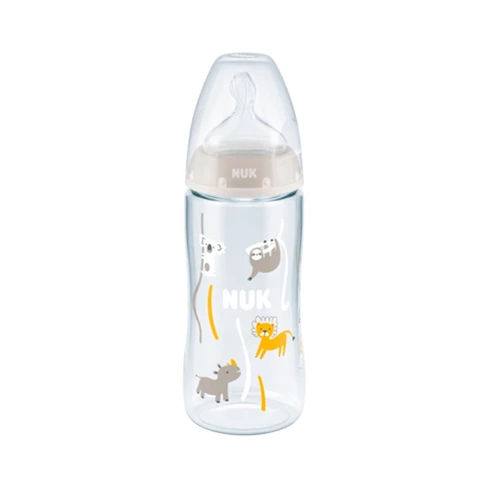
NUK First Choice+ Bottle 300ml with Silicone Teat
- ✓ 300ml capacity
- ✓ Dual anti-colic air valve system
- ✓ BPA and BPS-free silicone
* We earn a small commission — at no extra cost to you.