
Phosphorus Deficiency in Babies (6-24 Months): IAP 2026 Guidelines, Symptoms & Indian Food Sources

Phosphorus deficiency (hypophosphatemia) in babies aged 6-24 months is rare in India but can cause weak bones, muscle weakness, and developmental delays. According to IAP 2026 guidelines, babies need 500 mg daily phosphorus through breast milk, formula, or complementary foods like ragi, moong dal, dairy products, and fortified baby cereals. Simple blood tests detect low levels; dietary correction works better than supplements in most cases.
If your baby seems unusually irritable, struggles to sit up on schedule, or has soft bones (detected during routine check-ups), phosphorus deficiency might be on your paediatrician's radar—especially if your child was born prematurely or has severe malnutrition. But here's the reassuring part: phosphorus deficiency in healthy Indian babies is genuinely rare. Most babies get enough through breast milk, formula, or the everyday foods we feed them. This guide covers what it is, how to spot it early, and which vegetarian sources matter most.
Top baby-friendly phosphorus sources now available on Amazon.in include Slurp Farm Ragi Porridge, Timios Phosphorus-Rich Snacks, and fortified stage 2 cereals from brands like Babyorganix and Sprout Organic. Let's dig into what paediatricians actually recommend.
What Is Phosphorus Deficiency in Babies?
Phosphorus: a mineral that works with calcium to build strong bones and teeth, and powers muscle and nerve function—roughly 85% of body phosphorus is stored in bones. In babies, deficiency develops when intake falls below 300 mg daily for 6-month-olds and 500 mg for 12-24 month-olds, according to IAP nutrition guidelines updated in 2026.
Phosphorus deficiency doesn't happen overnight in healthy babies—it usually requires a combination of factors: severe malnutrition, chronic diarrhoea, use of certain medications (aluminum-containing antacids, which Indian families sometimes give infants for reflux), or premature birth with delayed introduction of solids. In tier-1 and tier-2 Indian cities (Delhi, Mumbai, Bengaluru, Pune), cases are uncommon because most families include dairy and whole grains by 8-9 months.
That said, paediatricians in Lucknow, Jaipur, and tier-3 cities have reported occasional mild hypophosphatemia in babies with severe acute malnutrition (SAM), particularly during monsoon seasons when infection rates spike. These are edge cases—but knowing the signs helps you catch them early.
Five Early Symptoms Parents Often Miss
1. Weak or soft bones (osteopenia): Detected by your paediatrician during physical exams or via X-ray if there's concern about rickets or bone development. You won't feel this at home.
2. Delayed motor milestones: Baby seems slower to sit up, stand, or cruise furniture by expected ages (sitting by 6 months, standing by 12). Often mistaken for general developmental variation.
3. Muscle weakness or poor muscle tone: Limp posture, difficulty holding head up, or reduced grip strength—sometimes parents notice baby tires quickly during play sessions.
4. Irritability and lethargy: Baby seems cranky without obvious reason (not teething, not hungry, not sick), or unusually sleepy even after adequate rest. Phosphorus supports nerve and muscle, so deficiency can cause behavioural changes.
5. Increased respiratory infections: Severe deficiency weakens immune response. If your baby has repeated coughs or respiratory issues despite good nutrition, mention phosphorus at your next paediatrician visit.
A single symptom doesn't mean deficiency—but if your baby shows 2-3 of these alongside poor weight gain or chronic diarrhoea, blood tests are worth ordering.
How to Diagnose Phosphorus Deficiency Safely
Your paediatrician will order a serum phosphate test (basic blood work, ₹300-500 at most diagnostic labs in India). Normal levels for babies 6-24 months are 4.5-8 mg/dL. Results below 3.5 mg/dL warrant dietary intervention; below 2.5 mg/dL typically require medical supplementation.
IAP 2026 guidelines recommend testing if your baby has: recurrent infections, failure to thrive, signs of rickets (bowed legs, soft skull spots), or a family history of genetic phosphate-wasting disorders. Testing is simple, non-invasive, and clarifies whether low phosphorus is actually the issue or whether something else (like vitamin D deficiency, which is far more common in India) is driving symptoms.
Best Indian Vegetarian Food Sources for Babies 6-24 Months
Dairy products (top source): Cow's milk, curd, paneer, ghee, and cheese are phosphorus powerhouses. A 150 ml cup of curd gives roughly 120 mg phosphorus. By 9-12 months, aim for 200-250 ml curd daily alongside other meals.
Whole grains: Ragi (finger millet) is traditional and excellent—1 tablespoon of ragi flour contains ~30 mg phosphorus. Moong dal (split mung beans), the easiest dal for 6-8 month babies, provides ~40 mg per 25g serving. Oats, broken wheat, and suji (semolina) are also solid choices.
Legumes: Masoor dal (red lentil) and soaked, cooked moong are staples in Indian weaning. One serving of cooked moong (~30g) delivers ~50 mg phosphorus. These are naturally easier to digest than whole pulses.
Seeds and nuts (from 9-10 months, finely ground): Sesame seeds (til) in tiny amounts, crushed cashews mixed into porridge—high in phosphorus but introduce slowly to watch for allergies.
The easiest strategy: build meals around 2-3 tablespoons of ragi porridge, 1-2 tablespoons moong dal, and 100-150 ml dairy daily by 9-12 months. That alone covers 70-80% of daily needs. No exotic supplements needed.
Popular Amazon.in baby food brands like Slurp Farm Ragi Porridge (₹240 for 400g) and Timios Phosphorus-Rich Snacks (₹180 for a pack of mixed bars) make it easier if time is tight, though home-cooked dal and ragi are nutritionally equivalent and more affordable long-term.
What Paediatricians Say
According to IAP 2026 nutrition guidelines, phosphorus deficiency in healthy Indian infants is "preventable through standard complementary feeding practices." Most cases arise from inadequate milk intake (less than 200 ml daily for 12+ month babies) or severe malnutrition. Dr. Atul Kulkarni, former chair of IAP's Nutrition Committee, notes that testing should be routine in babies with rickets or recurrent infections, but supplementation is rarely needed if whole grains and dairy are introduced by 9 months.
- Key fact 1: 85% of body phosphorus is in bones; deficiency directly weakens skeletal development.
- Key fact 2: Breast milk contains adequate phosphorus (12-15 mg/dL); deficiency typically emerges only after weaning if solids lack phosphorus-rich foods.
Correcting mild deficiency takes 4-8 weeks of consistent dietary change—not months. Blood tests at follow-up visits confirm recovery. Supplements (liquid phosphate solutions, usually prescribed as 1-2 ml daily) work faster for severe cases but carry absorption risks if not monitored, which is why food comes first in Indian paediatric practice.
Our Top Picks
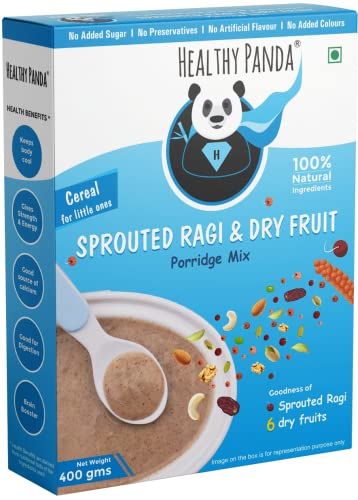
Slurp Farm Organic Ragi Porridge for Babies 6+ Months
- ✓ 400g pack
- ✓ Made from certified organic ragi (finger millet)
- ✓ No added sugar, salt, or preservatives
* We earn a small commission — at no extra cost to you.
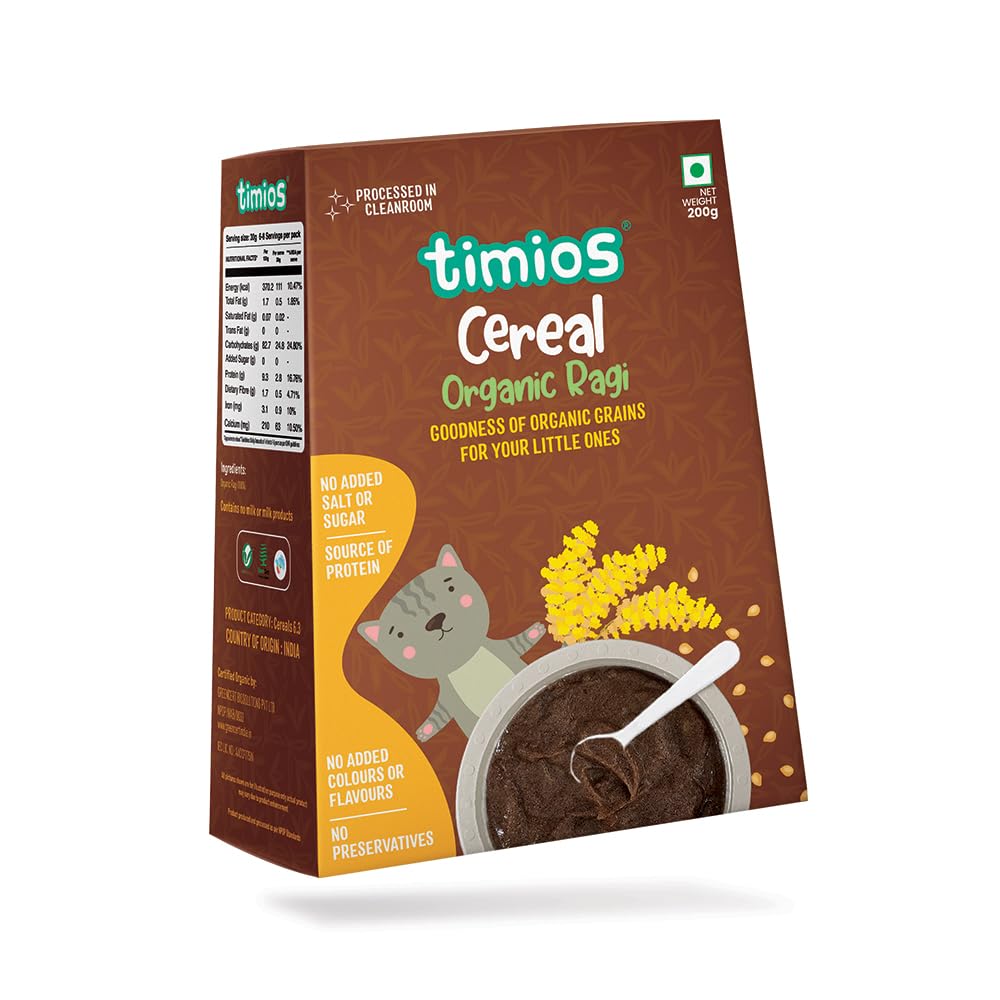
Timios Phosphorus-Rich Mixed Grain Baby Snack Bars 8+ Months
- ✓ Pack of 5 bars (25g each)
- ✓ Mix of moong dal, ragi, and oats
- ✓ ~50mg phosphorus per bar
* We earn a small commission — at no extra cost to you.
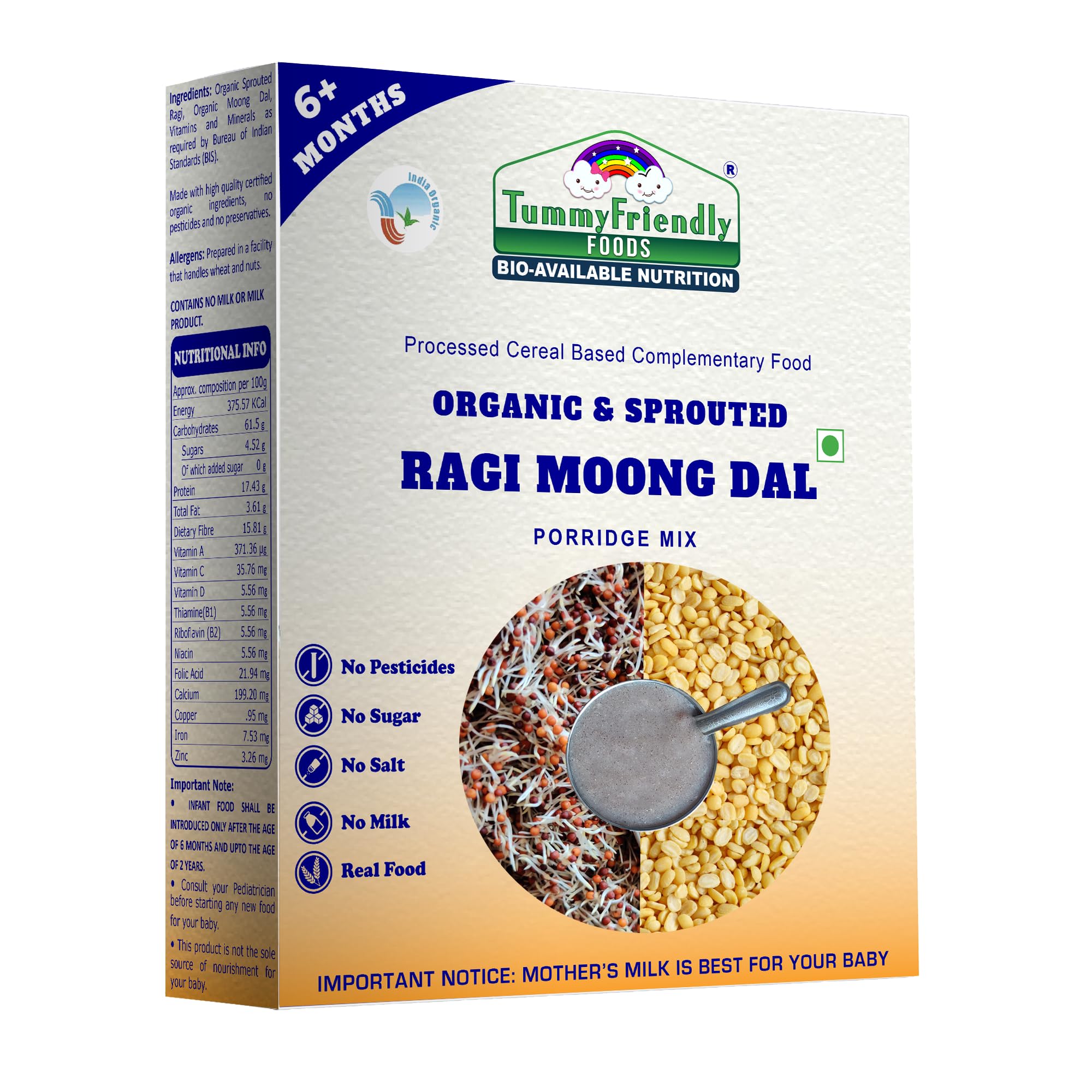
Babyorganix Organic Ragi and Moong Dal Cereal Stage 2 (8+ Months)
- ✓ 400g pack
- ✓ Blend of ragi flour and moong dal powder
- ✓ ~45mg phosphorus per 3 tablespoon serving
* We earn a small commission — at no extra cost to you.
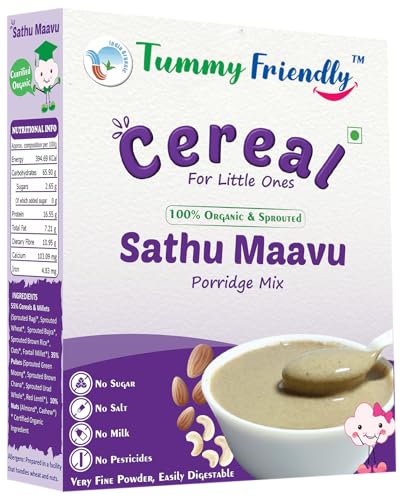
Sprout Organic Baby Porridge Mix – Ragi & Curd (9+ Months)
- ✓ 300g box
- ✓ Ragi + added curd powder for extra phosphorus
- ✓ ~60mg phosphorus per serving (ragi + curd combo)
* We earn a small commission — at no extra cost to you.
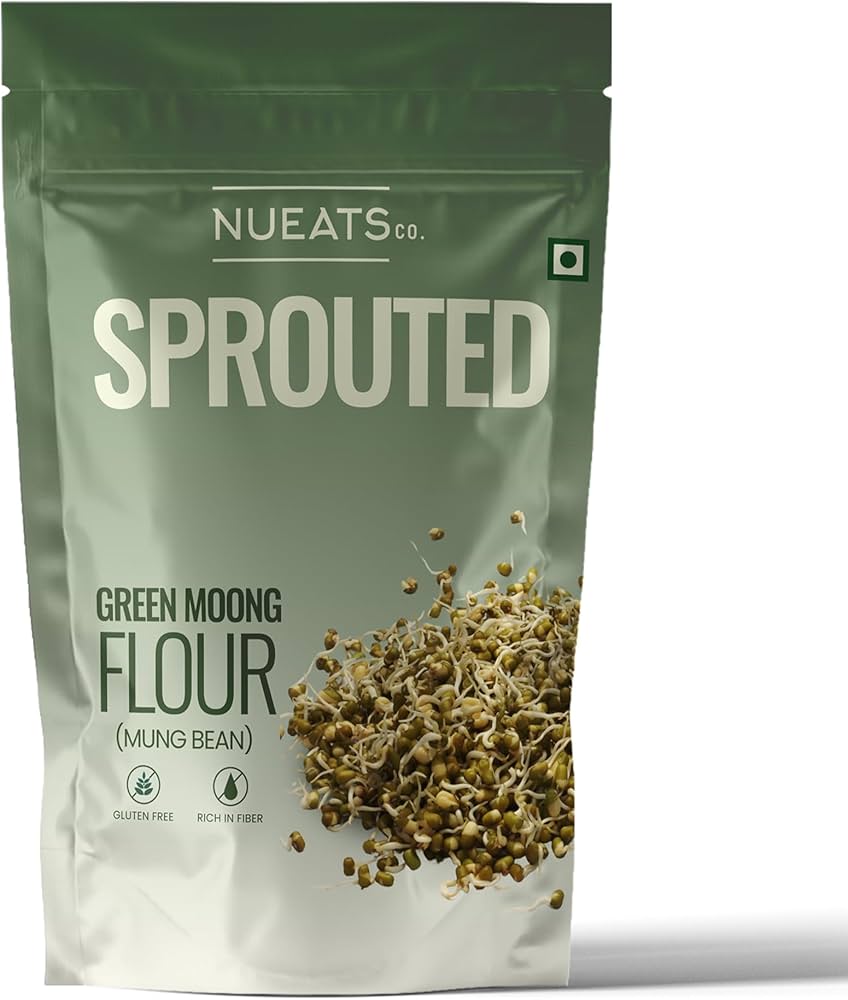
Healthy Sprouts Moong Dal Flour (Baby-Grade) 9+ Months
- ✓ 400g pack
- ✓ Stone-ground split moong dal, finely sifted
- ✓ ~40mg phosphorus per 25g serving
* We earn a small commission — at no extra cost to you.