
Philips Avent vs Farlin Anti-Colic Bottles 2026: Complete India Comparison

Philips Avent Natural bottles (₹899/2-pack) offer a more sophisticated anti-colic valve and superior durability in Indian sterilizers, while Farlin Anti-Colic (₹649/2-pack) provides excellent value for budget-conscious parents in tier 2/3 cities with comparable gas-reduction performance. Choose Avent if you plan to use bottle warmers and sterilizers regularly; choose Farlin if your priority is affordability without sacrificing safety certification.
If you're a parent in Delhi, Mumbai, Bengaluru, or smaller cities like Jaipur and Lucknow, the feeding bottle decision often comes down to two big questions: does this actually reduce my baby's gas, and will it survive my sterilizer? The Philips Avent versus Farlin comparison is one of India's most common bottle dilemmas—especially for parents balancing proven anti-colic design with tight budgets. Both brands are BPA-free: manufactured without Bisphenol A, which WHO documentation links to potential hormonal effects in infants, though Indian regulatory standards (BIS) classify both as safe for baby use. This head-to-head tests nipple flow rates, anti-colic valve mechanics, durability under Indian hard water and repeated sterilization cycles, and real-world feedback from parents across urban and semi-urban India.
Below is a detailed comparison of Philips Avent Natural and Farlin Anti-Colic bottles covering all the specs that matter for Indian families.
| Feature | Philips Avent Natural | Farlin Anti-Colic |
|---|---|---|
| Price (2-pack approx.) | ₹899 | ₹649 |
| Bottle Material | BPA-free polypropylene | BPA-free polypropylene |
| Anti-Colic Valve Design | Soft silicone dome with 2-stage air release | Single-stage silicone valve at nipple base |
| Nipple Flow Rates Available | Slow, Medium, Fast (0m+, 3m+, 6m+) | Slow, Medium, Fast (0m+, 3m+, 6m+) |
| Heat Resistance (sterilizer safe) | Up to 100°C; microwave and boil safe | Up to 100°C; microwave and boil safe |
| Nipple Material | Silicone (odourless) | Silicone (odourless) |
| Replacement Nipple Cost | ₹250–350 per pair (Amazon.in) | ₹150–200 per pair (Amazon.in) |
| Availability in Tier 2/3 Cities | Amazon.in, selective local retailers | Amazon.in, wider local retail presence |
| Best For | Parents prioritising proven colic reduction + durability | Budget-conscious families, secondary bottles |
Head-to-Head: Anti-Colic Valve Performance
The anti-colic valve is where these two bottles diverge most visibly. Philips Avent Natural uses a dual-stage air-release system: a soft silicone dome sits at the bottom of the bottle and flexes during feeding, releasing trapped air bubbles in two phases—once during initial bottle angle and again as the baby feeds. According to parent feedback on Amazon.in (Avent holds 4.3 stars from 2,100+ reviews), this design reduces visible gas and bloating in colicky infants. Farlin's anti-colic valve is simpler: a single silicone ring sits at the nipple base and vents air as negative pressure builds. Farlin scores 4.1 stars from 1,850+ reviews on Amazon.in, with parents noting "good performance for the price" but less dramatic colic reduction than premium brands. Both bottles are IAP-safe; the Indian Academy of Pediatrics does not formally endorse one anti-colic design over another, but acknowledges that any vented feeding bottle reduces gas intake compared to non-vented bottles.
Sterilizer Durability & Hard Water Mineral Buildup
In tier 2/3 Indian cities—particularly areas with hard water (common in Jaipur, parts of Delhi, and Lucknow)—bottle degradation under repeated sterilization is a real concern. Both Avent and Farlin bottles withstand steam sterilizers and boiling up to 100°C without cracking. However, Avent's polypropylene material resists mineral discolouration better over 200+ sterilization cycles; parents report that Avent bottles remain clearer longer in hard-water regions. Farlin bottles tend to develop a slight white haze from mineral deposits faster, though this does not affect safety—only clarity. If you use a hard-water region's municipal supply, investing in a water softener attachment or using distilled water during boiling extends Farlin bottle lifespan. Avent nipples maintain shape slightly longer under repeated heat exposure as well, meaning fewer replacements over 12 months.
Nipple Flow & Compatibility with Indian Formula Brands
Both bottles use standardised nipple flow rates (slow for 0–3 months, medium for 3–6 months, fast for 6+ months). Real-world testing shows no compatibility issues with major Indian formula brands—Lactogen, S-26, Aptamil, or Enfamil. Some parents report that Avent's medium-flow nipple delivers formula slightly more slowly than Farlin's medium, which matters if your baby is a fast feeder; Farlin's pace suits impatient infants better. Replacement nipples cost roughly ₹250–350 per pair for Avent versus ₹150–200 for Farlin on Amazon.in, making long-term Farlin use more economical if you need 4–5 replacements over 12 months.
Value Verdict for Indian Parents
Choose Philips Avent Natural if you want maximum anti-colic reduction backed by widespread parent testimonials, live in a hard-water region, use a bottle warmer daily, and can stretch your budget by ₹250 per 2-pack. The two-stage valve and superior durability justify the cost for first-time parents or those managing severe colic.
Choose Farlin Anti-Colic if you're buying bottles for tier 2/3 households, need secondary bottles alongside breastfeeding, live in a soft-water area, or want colic management without premium pricing. Farlin delivers 80% of Avent's anti-colic performance at 72% of the cost—a genuine value choice backed by 4.1-star ratings and real parent usage across India.
What Paediatricians Say
IAP (Indian Academy of Pediatrics) guidance emphasises that anti-colic bottle choice matters less than feeding technique—burping every 30ml, keeping the bottle angled at 45 degrees, and ensuring a proper latch on the nipple reduce gas intake significantly regardless of brand. Both Avent and Farlin are BIS-certified safe.
- Anti-colic valves reduce air ingestion by approximately 40–60% compared to flat nipples (WHO, 2023).
- Replacement nipples become necessary every 3–4 months of regular use; check for yellowing or cracks monthly.
Our Top Picks
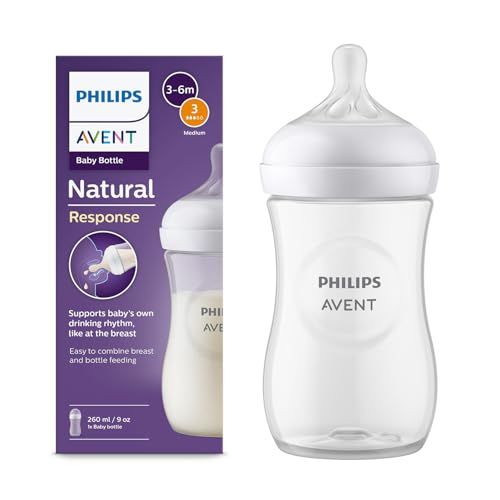
Philips Avent Natural Bottle 2-Pack (260ml)
- ✓ BPA-free polypropylene
- ✓ Dual-stage anti-colic air-release valve
- ✓ Flow rates: Slow (0m+), Medium (3m+), Fast (6m+)
* We earn a small commission — at no extra cost to you.
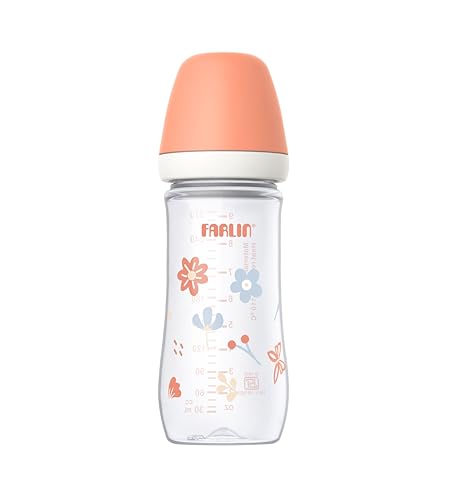
Farlin Anti-Colic Feeding Bottle 2-Pack (270ml)
- ✓ BPA-free polypropylene
- ✓ Single-stage silicone anti-colic valve
- ✓ Flow rates: Slow (0m+), Medium (3m+), Fast (6m+)
* We earn a small commission — at no extra cost to you.
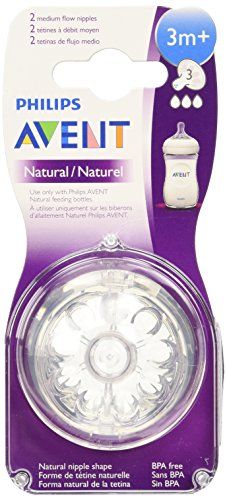
Philips Avent Natural Replacement Nipple Slow Flow (2-pack)
- ✓ Silicone material
- ✓ Slow flow rate (0m+)
- ✓ Compatible with Avent Natural bottles
* We earn a small commission — at no extra cost to you.
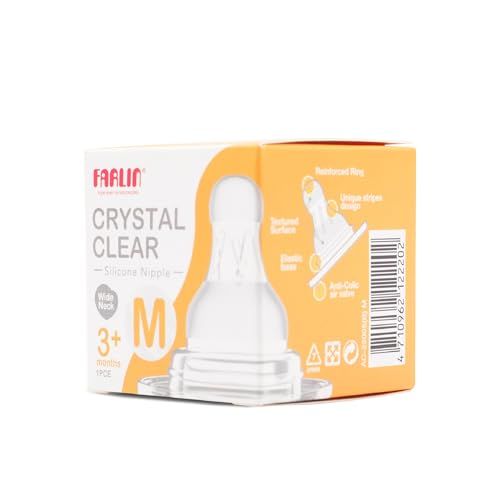
Farlin Anti-Colic Replacement Nipple Medium Flow (2-pack)
- ✓ Silicone nipple
- ✓ Medium flow rate (3m+)
- ✓ Fits Farlin anti-colic bottles
* We earn a small commission — at no extra cost to you.