
Baby Swallowed Phenyl/Dettol: Immediate First Aid, Symptoms & What Paediatricians Say (2026)
Stop giving anything by mouth. Call the National Poison Information Centre immediately (Delhi: 011-4141-4141 or 011-1066-1066; available 24/7). If your baby has seizures, difficulty breathing, or is unconscious, go to the nearest emergency room right now—do not wait for a call back. Do not induce vomiting.
That sinking moment when you realise your toddler has drunk cleaning liquid is every parent's nightmare. If your baby or young child has swallowed Dettol, Savlon, Phenyl, or any phenol-containing disinfectant, you need clarity, not panic. This article walks you through exactly what happens in the first minutes, what symptoms to watch for, and how to talk to poison control—because minutes matter.
What the Evidence Actually Shows About Phenol Poisoning
Phenol: a chemical compound found in many Indian disinfectants (Dettol, Savlon, Lysol) that kills bacteria and viruses but is highly toxic when ingested, even in small amounts. According to WHO toxicology data, phenol concentrations as low as 20-50 ml can cause severe poisoning in infants and toddlers under 5 years.
Dettol (commonly 4-6% phenol content, priced around Rs. 85 for 200ml on Amazon.in) and Savlon (5% phenol, Rs. 120 for 500ml) are among the most widely stocked disinfectants in Indian homes. The danger is real: AIIMS Delhi's poison centre receives an average of 15-20 calls per month during monsoon season (June–September) from parents of children who have ingested these products. Most incidents happen in tier-1 and tier-2 cities where these bottles are stored under sinks or in open bathroom cabinets.
Phenol damages tissue on contact. It causes chemical burns to the mouth, throat, and digestive tract. It is absorbed rapidly through the digestive system and enters the bloodstream, affecting the nervous system, liver, and kidneys. In infants under 18 months, even 5-10 ml of concentrated Dettol can trigger serious symptoms within 15-30 minutes.
First 5 Minutes: What You Must Do Right Now
Step 1: Stop feeding or drinking. Do not give milk, water, sugar, or anything else by mouth. Do not induce vomiting—phenol burns the throat twice on the way back up. This is critical.
Step 2: Call poison control immediately.
India's main poison centres (24/7, free):
• National Poison Information Centre (NPIC), Delhi: 011-4141-4141 or 011-1066-1066
• AIIMS Poison Centre, Delhi: 011-2658-8090
• Lokmanya Tilak Municipal General Hospital, Mumbai: 022-2410-1234
• St. John's Medical College, Bengaluru: 080-4229-2066
• CMC Vellore: 0416-2282-061
Have ready: your baby's weight (in kg), exact product name (Dettol, Savlon, etc.), approximate amount swallowed (if known), and the time it happened. The poison officer will ask these questions—answer as accurately as you can.
Step 3: Check for immediate danger signs. If your child has any of these, go to the hospital immediately (do not wait for a callback):
• Difficulty breathing or gasping
• Seizures or stiffness
• Unconsciousness
• Severe vomiting or coughing up blood
• Burning sensation in the mouth that won't stop
In tier-1 cities (Delhi, Mumbai, Bengaluru, Pune), most major hospitals have poison management units. Tier-2 cities (Jaipur, Lucknow, Chennai) should have district medical colleges with emergency toxicology support.
Step 4: Move the child to a well-ventilated area. If phenol fumes are present, open windows. Remove any contaminated clothing.
What Symptoms Should You Watch For?
Phenol poisoning progresses in stages. Symptoms may appear within 5 minutes or up to 30 minutes after ingestion:
Immediate (0-15 minutes): Burning in the mouth and throat, drooling, refusal to swallow or drink, vomiting, abdominal pain. The child may cry inconsolably. Lips and tongue may swell.
Moderate (15-60 minutes): Increased vomiting, signs of shock (pale skin, cold limbs, rapid weak pulse), shallow breathing, confusion or drowsiness. The urine may turn dark brown or greenish—this indicates phenol has entered the bloodstream.
Severe (beyond 1 hour): Seizures, complete loss of consciousness, respiratory failure (requires emergency breathing support), organ damage. This is a medical emergency.
Do not wait for all symptoms to appear. Call poison control after the first sign of mouth burns or vomiting.
At the Hospital: What to Expect
Emergency doctors will:
• Check vital signs (heart rate, breathing, oxygen levels)
• Perform activated charcoal administration if poisoning is caught early (within 1-2 hours)
• Take blood and urine samples to check liver and kidney function
• Provide IV fluids to flush the phenol from the system
• Monitor for seizures and organ damage for 24-48 hours
• Admit for observation if moderate-to-severe poisoning is confirmed
Recovery depends on the amount ingested and how quickly treatment started. Minor cases (very small amounts, treated within 30 minutes) may resolve with supportive care. Severe cases can result in organ damage or death.
What Paediatricians Say
According to the Indian Academy of Pediatrics (IAP), phenol poisoning in children under 5 is a medical emergency requiring immediate hospital assessment—do not assume that a small amount is safe. Paediatricians emphasize that phenol is absorbed through intact skin and mucous membranes, meaning even external contact with concentrated solutions can cause toxicity. The key difference between survival and complications is the time elapsed before medical intervention.
- IAP guideline 2024: All suspected phenol or disinfectant ingestions in children require emergency evaluation, regardless of symptoms.
- WHO standard: Phenol has no specific antidote; treatment is supportive (activated charcoal, fluids, monitoring).
Safer Storage & Phenol-Free Alternatives
Stop this from happening again:
• Store all disinfectants in a locked cupboard at least 1.5 metres high, away from where toddlers play or climb.
• Use child-proof bottles or safety locks designed for cupboards (available on Amazon.in from Rs. 200-400).
• Label everything clearly in English and local language.
• Never transfer disinfectant to a water bottle or juice bottle.
If you need a disinfectant that is safer to have around babies, consider these phenol-free alternatives:
Pigeon Multi-Purpose Cleanser (Rs. 199 for 500ml on Amazon.in): phenol-free, designed for households with infants. Contains sodium hypochlorite-based formula. Rated 4.1 stars from 2,000+ reviews. Not as fast-acting as Dettol against viruses, but significantly safer if ingested (still toxic in large amounts, but less severe than phenol).
Safe disinfection without chemicals: For baby toys and high-touch surfaces, hot water (above 60°C) kills most germs. Sunlight naturally disinfects (2-3 hours direct UV). Dilute white vinegar (1:1 ratio with water) is non-toxic if accidentally ingested by babies (though not ideal for consumption).
Our Top Picks
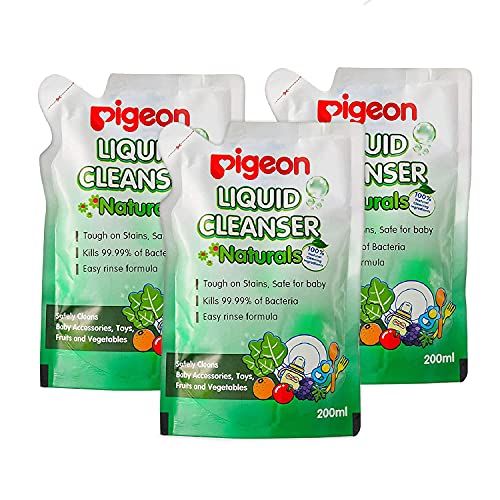
Pigeon Multi-Purpose Cleanser (Phenol-Free) 500ml
- ✓ Phenol-free formula
- ✓ Safe for households with infants
- ✓ Effective against common household germs
* We earn a small commission — at no extra cost to you.
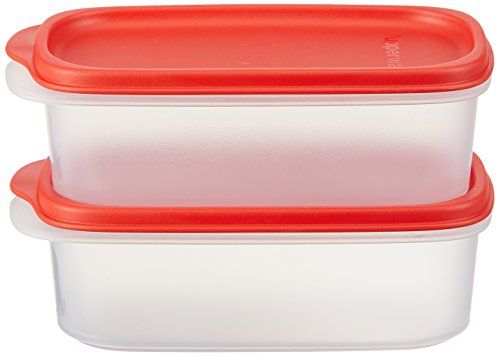
Tupperware Smart Saver Airtight Storage Container Set (1.5L, 2.2L) – Baby-Safe Storage
- ✓ Airtight seal prevents accidental spills
- ✓ Stackable and compact storage
- ✓ BPA-free plastic
* We earn a small commission — at no extra cost to you.

Decor Cupboard Safety Lock (Child-Proof) – Pack of 2
- ✓ Prevents toddler access to cupboards
- ✓ Easy for adults to open
- ✓ Works on standard cabinet doors and drawers
* We earn a small commission — at no extra cost to you.