
Khichdi Recipe for 9 Month Baby: Step-by-Step with Peas & Moong Dal (IAP-Approved)
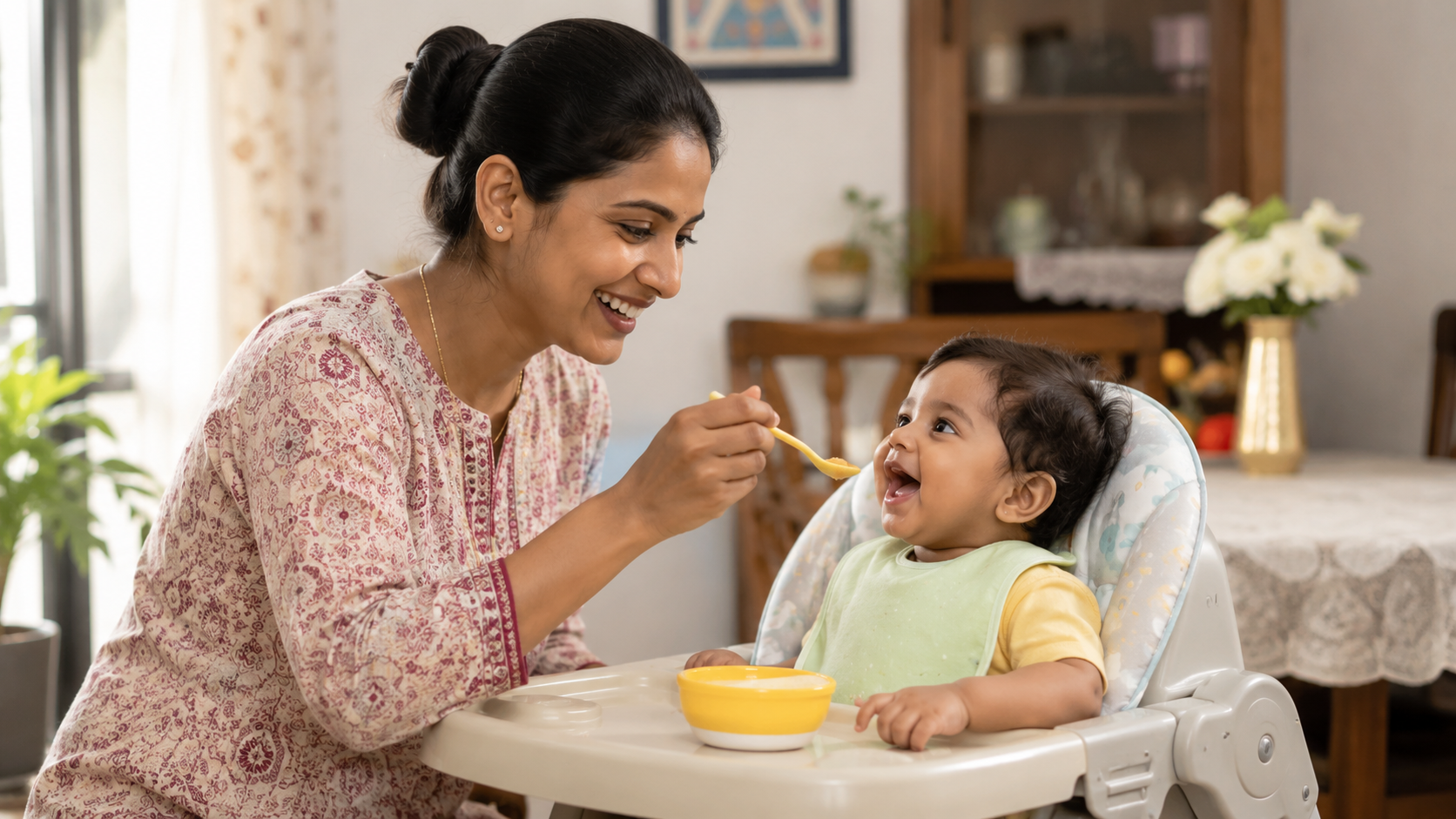
A simple khichdi for 9-month-olds mixes rice and moong dal in a 2:1 ratio, cooks in 15 minutes under pressure, then gets tempered with ghee and mixed with fresh peas puree. One serving delivers 8g protein and 2mg iron-meeting IAP guidelines for this age.
If you're a parent in Mumbai, Delhi, Bengaluru, or any tier-1 city, you've probably heard khichdi called the "gateway food" for Indian babies. And honestly, for a 9-month-old, there's real reason behind that claim. Khichdi isn't just comfort food-it's a complete meal that hits multiple nutritional boxes without complicated cooking or expensive ingredients.
Khichdi: a one-pot dish combining rice, lentils, ghee, and vegetables in a soft, digestible form-designed specifically for babies learning to self-feed and toddlers developing taste preferences. At 9 months, your baby is past the purely puree phase but not yet ready for whole grains or chunky dal. Khichdi bridges that gap perfectly.
The recipe below follows the 2:1 rice-to-dal ratio recommended by Indian pediatricians, uses organic moong dal (gentler than toor or chana dal), and includes fresh peas for iron and fiber. You'll have a batch ready in 15 minutes, and it freezes beautifully for up to 2 weeks. No complicated steps, no mystery ingredients-just the kind of food your dadi probably made, updated for modern kitchens.
Khichdi Recipe for 9 Month Baby: Complete Ingredients & Method
Why moong dal? At 9 months, babies are still developing digestive enzymes. Moong dal (also called mung dal) splits easily, cooks soft, and is less likely to cause bloating or constipation compared to heavier dals like toor. It's mild on the stomach while delivering 25% protein per 100g-critical at this age when breast milk or formula alone won't meet growing protein needs.
Ingredients (makes 4-5 servings):
- 1/2 cup basmati or regular rice
- 1/4 cup organic moong dal (split, husked)
- 3/4 cup fresh peas (shelled)
- 1 tablespoon ghee
- 1/4 teaspoon turmeric powder
- 2 cups water
- Salt to taste (optional-skip until 12 months if your pediatrician recommends)
Step-by-Step Pressure Cooker Method (15 Minutes):
- Rinse the rice and dal separately under cold water until water runs clear. This removes dust and old grains-especially important for organic dal, which may have debris.
- Add rice and dal to the pressure cooker in a 2:1 ratio (1/2 cup rice to 1/4 cup dal). Stir once. Add turmeric and 2 cups of water.
- Pressure cook for 3 whistles on high heat. Most home pressure cookers (Hawkins, Prestige, Pigeon) will cook khichdi in this time. If using an electric cooker, set to "porridge" or "rice" mode-typically 10-12 minutes.
- Cool naturally for 2-3 minutes before opening. Forcing the cooker open can ruin texture.
- Meanwhile, boil fresh peas separately for 2-3 minutes until soft, then puree them with a fork or blender until smooth.
- Open the cooker and stir. The khichdi should look like soft, mushy rice-not soupy, not dry. If it's too thick, add 1/4 cup warm water and mix.
- Temper with ghee: Heat 1 tablespoon ghee in a small pan. Pour it directly into the cooked khichdi and stir well. This improves fat absorption (babies need fat for brain development) and adds taste.
- Fold in peas puree gently. Don't overmix-you want a consistent texture, not broken rice grains.
- Cool to body temperature (test with your wrist, like checking bottle temperature) before serving.
Nutritional Breakdown & Allergy Guidance
One 150g serving of this khichdi contains approximately 8g protein and 2mg iron-both critical at 9 months, when stores of maternal iron (passed during pregnancy) start to deplete. According to IAP guidelines, babies aged 6-12 months need 9.3mg iron daily; khichdi alone won't meet that, but combined with other foods (fortified cereals, dal, fruits), it contributes meaningfully.
Introducing peas slowly: Fresh peas are generally low-allergy, but every baby is different. When first offering peas puree, serve a 1-2 tablespoon portion and observe for 2-3 days. Watch for rashes, loose stools, or vomiting. Most Indian babies tolerate peas well by 9 months, but if your baby has a family history of legume allergies, check with your pediatrician first.
Ghee myths debunked: Some parents worry ghee is "too heavy" for babies. False. Ghee is primarily saturated fat with fat-soluble vitamins (A, D, E, K)-exactly what 9-month-olds need for brain and bone development. A tablespoon per batch is appropriate, not excessive.
| Ingredient | Protein (g/100g) | Iron (mg/100g) | Why at 9 Months |
|---|---|---|---|
| Moong dal | 25 | 3.5 | Gentle on digestion, complete amino acid profile |
| Rice | 7 | 0.8 | Easily digestible carbohydrate for energy |
| Fresh peas | 5 | 1.6 | Adds fiber, iron, and taste variety |
| Ghee | 0 | 0 | Fat-soluble vitamin absorption, brain development |
Storage & Freezing Instructions (Up to 2 Weeks)
Let khichdi cool to room temperature, then divide into ice cube trays (each cube = roughly 30g, perfect for one feed). Freeze for 4 hours, then pop cubes into labeled freezer bags-write the date on the bag. Frozen khichdi keeps safely for 10-14 days at -18°C or below.
To reheat: Thaw overnight in the fridge or microwave on 50% power for 1-2 minutes. Add 1-2 tablespoons warm water if it looks dry-it will naturally thicken slightly once frozen.
Popular storage containers like Milton airtight boxes (₹349 on Amazon.in) are perfectly fine, but ice cube trays give you better portion control and reduce food waste-you thaw only what you need for that meal.
What Paediatricians Say About Khichdi at 9 Months
Khichdi is a staple recommendation by IAP-affiliated pediatricians across India because it combines grains and legumes-delivering complete protein with all 9 essential amino acids. At 9 months, babies also need foods that are soft enough to gum but textured enough to encourage chewing, which khichdi provides naturally. One key point: avoid adding salt and sugar until after 12 months, as per WHO guidelines on infant nutrition.
Bottom line: This khichdi recipe takes 15 minutes to cook, freezes for 2 weeks, and delivers the nutrition 9-month-olds need at an age when they're most ready for Indian comfort foods. Whether you're in Pune, Chennai, Lucknow, or Jaipur, this is the recipe that will become a household staple through your baby's second year.
Our Top Picks
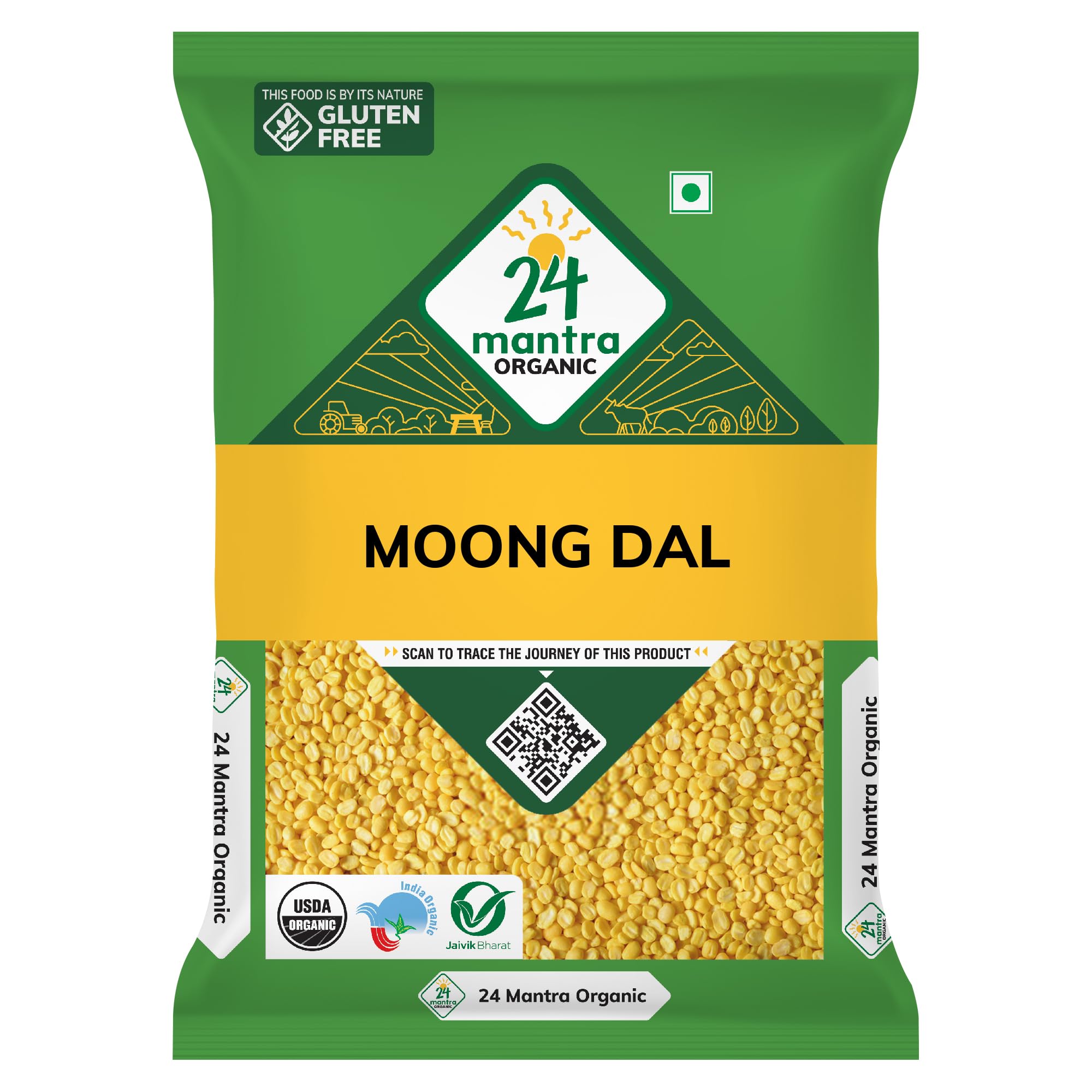
24 Mantra Organic Moong Dal (Split, Husked)
- ✓ Organic certified (no pesticides)
- ✓ 500g pack
- ✓ Easy to split and cook
* We earn a small commission — at no extra cost to you.
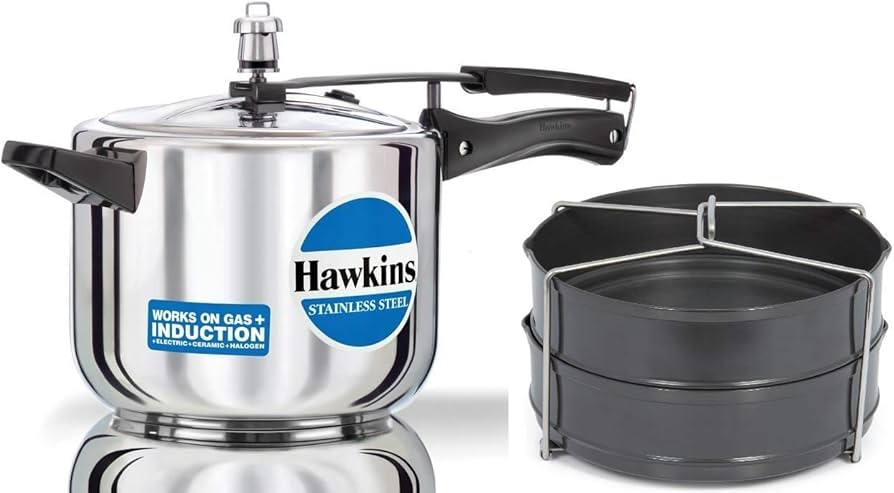
Hawkins Stainless Steel Pressure Cooker 3L (for khichdi cooking)
- ✓ Durable stainless steel
- ✓ 3-liter capacity
- ✓ Works on induction and gas
* We earn a small commission — at no extra cost to you.
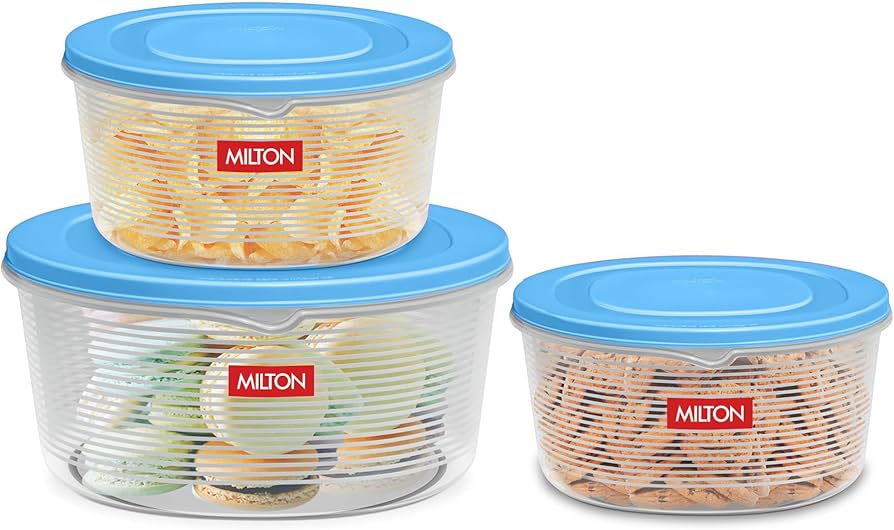
Milton Airtight Food Storage Containers (Set of 3, for freezing khichdi)
- ✓ BPA-free plastic
- ✓ Airtight lids prevent freezer burn
- ✓ Stackable design saves space
* We earn a small commission — at no extra cost to you.