
Peas Khichdi Recipe for 10-Month Baby: Pressure Cooker Method with IAP Portions
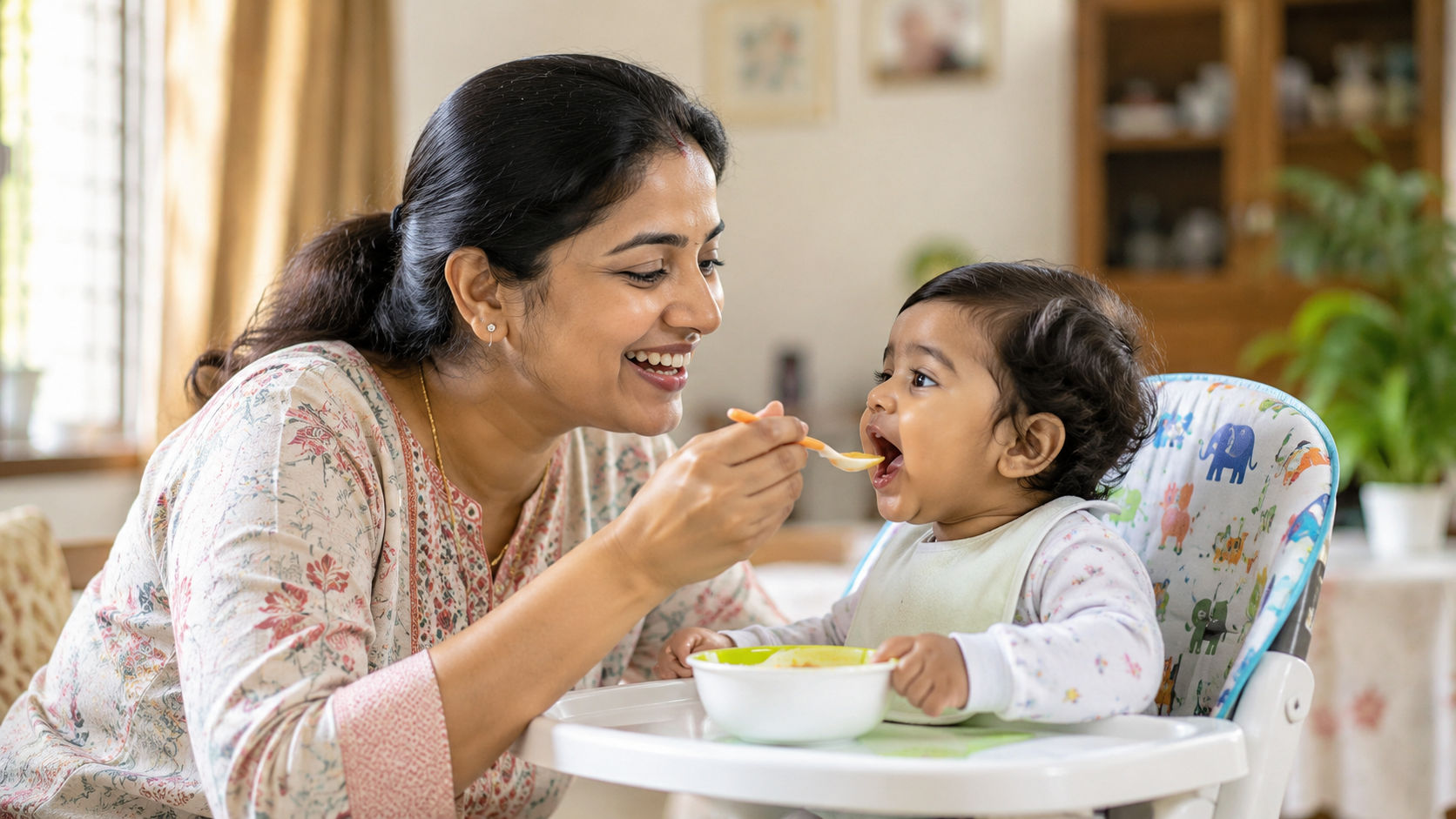
Peas khichdi for 10-month babies combines rice, moong dal, peas, and ghee in a 2:1 rice-to-dal ratio, cooked with 2 pressure cooker whistles until completely soft. Serve 3–4 tablespoons warm, plain or with a pinch of ghee, as a lunch or dinner staple once your baby has been introduced to peas separately (check for allergies first).
By 10 months, your baby has likely moved beyond purees and is learning to chew. Peas khichdi—a traditional Indian comfort food—bridges soft and slightly textured eating perfectly. It's protein-rich from the combination of rice and lentils, packed with fibre from peas, and easy to digest. This isn't restaurant-style khichdi; this is the version paediatricians quietly recommend for weight gain and steady digestion during the second year of life.
The key brands you'll need are Tata Sampann Unpolished Moong Dal (₹180/500g on Amazon.in), India Gate Basmati Rice (₹220/1kg), Amul Pure Ghee (₹560/500ml), and frozen or fresh peas from any reliable source. We'll walk through exactly how much of each, the pressure cooker timing, texture checks, and storage—everything you need to make this consistently for the next 8–12 months.
Why Peas Khichdi Works for 10-Month-Olds
By 10 months, complementary feeding—the introduction of semi-solid foods alongside breast milk or formula—should now include protein-rich combinations that support bone development, iron absorption, and the emerging skill of chewing. Khichdi, when made with a 2:1 rice-to-dal ratio, delivers both carbohydrate (from rice) and plant-based protein (from moong dal and peas), which is why it's the default first one-dish meal across Indian homes.
Peas specifically are introduced around 8–9 months, so by 10 months most babies have already tried them separately. According to IAP (Indian Academy of Pediatrics) feeding guidelines, 10-month-old babies need 50–100 calories per meal from complementary foods, roughly 2–3 grams of protein, and increasing amounts of fibre to support regular bowel movements. A single serving of peas khichdi (4 tablespoons) delivers approximately 40–50 calories, 2 grams of protein, and visible fibre from the peas and unpolished dal—making it nutrient-dense without being heavy.
The texture also matters. At 10 months, babies are not yet ready for fully separated grains and beans; they still struggle with distinct pieces. By cooking rice and dal together into one soft, mashable dish, you're giving them practice at controlled chewing without the frustration of managing three different textures.
Peas Khichdi Recipe: Step-by-Step for Pressure Cooker
Ingredients (1 serving: 3–4 tablespoons cooked khichdi)
- Rice (basmati or regular): 2 tablespoons (roughly 20g)
- Moong dal (unpolished, split): 1 tablespoon (roughly 10g)
- Peas (fresh or frozen, thawed): 2 tablespoons
- Ghee: 1/2 teaspoon
- Water: 6–8 tablespoons (adjust based on your cooker)
- Salt: a pinch (optional; skip if you prefer until 12 months)
Method
- Rinse the rice and dal together under running water 2–3 times until the water runs clear. This removes surface starch and any dust particles, especially important for unpolished moong dal.
- Cut or crush the peas roughly if they are large whole peas; this helps them cook into the khichdi rather than remaining separate. Frozen peas are often smaller and soften faster.
- Add rice, dal, peas, and ghee to the pressure cooker along with 6 tablespoons of water. Stir to distribute evenly. Do not add salt at this stage if your baby is under 12 months; salt can strain developing kidneys.
- Close the cooker lid and cook on high pressure for 2 full whistles. The moment you hear the second whistle, reduce the flame to low for 30 seconds, then turn off entirely. This prevents overcooking and mushiness.
- Allow the pressure to release naturally for 2–3 minutes. Do not force the lid open; let the cooker depressurize on its own. Open when the hissing stops completely.
- Mash the khichdi lightly with the back of a spoon. It should be soft enough that a spoon breaks it easily, but not completely smooth—some texture is good for 10-month chewers. If it looks too thick, add 1–2 tablespoons of warm water and stir until you reach a soft, porridge-like consistency.
Texture Check: Press a grain of rice between your thumb and forefinger. It should crush without resistance. Peas should be completely soft, not firm or grainy. If you feel any grit or hardness, the cooker heat was too low; add more water next time and re-check pressure.
Portion Size & Serving Guidelines
The IAP recommends 3–4 tablespoons (roughly 40–50g) of khichdi as one meal for a 10-month-old, provided your baby is eating 2–3 meals per day plus snacks and breast milk or formula. This is not a full meal replacement; it is a component of a meal.
Serve khichdi warm, never hot. Let it cool for 1–2 minutes at room temperature. You can add an extra 1/4 teaspoon of ghee on top just before serving for added calories and fat-soluble vitamin absorption. Many Indian parents also serve a small bowl of plain curd (unsweetened, unflavoured) alongside as a side, which aids digestion.
Start with 3 tablespoons if your baby is new to khichdi, and increase to 4 tablespoons over the next few meals if there are no signs of loose stools or constipation. Every baby's digestion is different; the unpolished dal and fibre from peas can be gentler than white rice, but the transition should always be gradual.
Storage & Food Safety
Room Temperature: Do not leave cooked khichdi on the counter for more than 1 hour. Bacteria grow rapidly at room temperature in moist foods.
Refrigerator: Store in an airtight glass or ceramic container (avoid plastic for hot foods). Cooked khichdi keeps for a maximum of 24 hours at 4°C. Label with the time and date. Smell before reheating; any sour or fermented odour means discard.
Freezing: Khichdi freezes well for up to 2 weeks in ice cube trays (each cube is roughly 2 tablespoons). Pop out one cube the night before, thaw in the refrigerator, and reheat gently in a pan or microwave with 1 tablespoon of water until warm throughout. Do not use a microwave for babies under 12 months if you're uncomfortable with it; a pan with low heat is safer and more even.
Reheating: Always stir and taste a spoonful before serving to check for hot spots (especially if microwaved). The ghee may separate from the rice during storage; simply stir it back in.
Allergen Note & Peas Introduction
Peas are low-allergen vegetables, but they are a legume and should have been introduced separately between 8–9 months before combining with khichdi. If your baby has never had peas, offer 1–2 teaspoons of cooked mashed peas alone for 3–4 days and watch for signs of allergy: rash, vomiting, diarrhoea, or swelling. If no reaction, peas are safe to combine with rice and dal.
Moong dal is also gentle and rarely causes reactions, but again, if your baby is new to dal overall, introduce it separately first. The combination of both in one dish is fine once each has been trialled individually.
What Paediatricians Say
Key Points:
- IAP 2023 feeding guidelines recommend khichdi-style one-dish meals as an ideal first complementary food because the combination of grains and legumes creates a complete amino acid profile—neither rice nor dal alone provides all nine essential amino acids, but together they do.
- Unpolished moong dal retains more fibre and micronutrients (iron, zinc, magnesium) than polished dal, making it the preferred choice for 10-month-olds entering the phase of increased micronutrient demands.
Our Top Picks
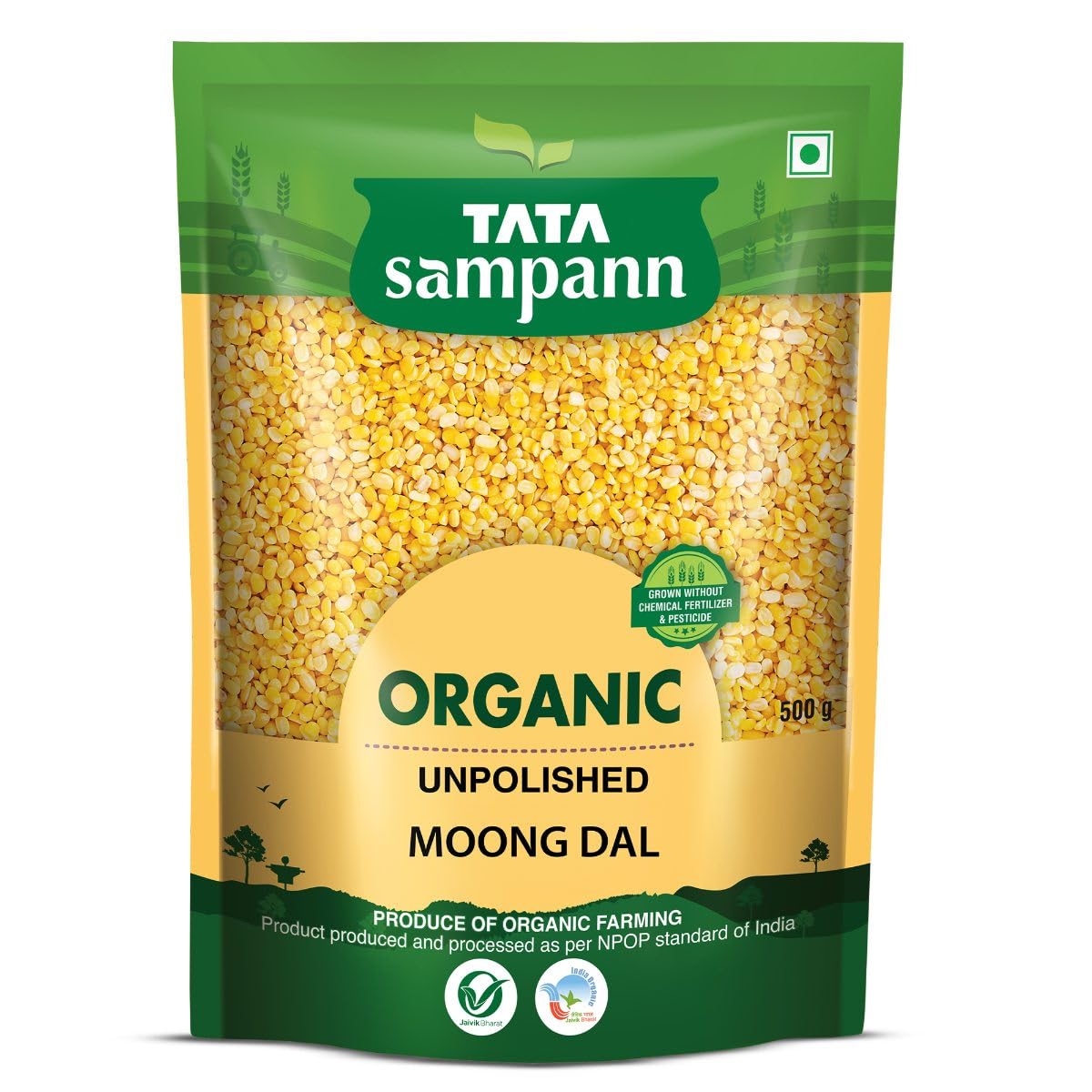
Tata Sampann Unpolished Moong Dal, 500g
- ✓ Unpolished, retains fiber and micronutrients
- ✓ No added preservatives
- ✓ Sourced from Indian farms
* We earn a small commission — at no extra cost to you.

India Gate Basmati Rice, 1kg
- ✓ Long grain, cooks soft
- ✓ Low starch when rinsed properly
- ✓ No broken grains
* We earn a small commission — at no extra cost to you.
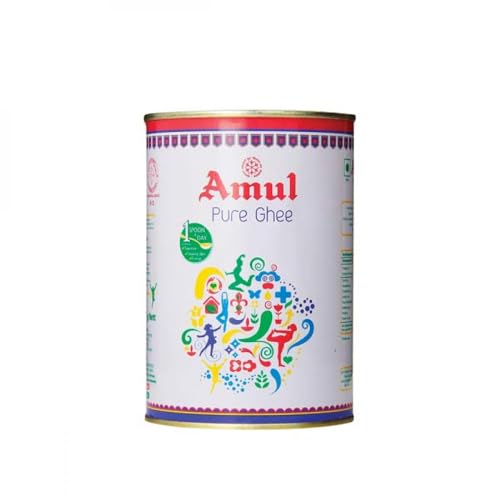
Amul Pure Ghee, 500ml
- ✓ 100% pure cow ghee
- ✓ No added preservatives or additives
- ✓ Rich in fat-soluble vitamins A, D, E, K
* We earn a small commission — at no extra cost to you.

Frozen Green Peas (Brand Variable - Any Reputable Frozen Brand)
- ✓ Flash-frozen within hours of harvest
- ✓ No added salt or preservatives
- ✓ Easy to portion and thaw
* We earn a small commission — at no extra cost to you.