
Pear Ragi Porridge for 7-Month-Old Babies: Easy Pressure Cooker Recipe & Best Ragi Flour Brands

Pear ragi porridge is a simple, iron-rich first food combining ragi (finger millet) flour with pear—both recommended by IAP for 7-month-old babies. Pressure cook ragi flour with pear for 12 minutes, then blend to a smooth consistency. Use organic ragi brands like Slurrp Farm or Early Foods for quality.
At seven months, your baby is ready to explore new tastes and textures beyond basic rice or dal. Pear ragi porridge: a traditional Indian weaning food blending the mild sweetness of pear with the earthy nutrition of finger millet. If you're in Mumbai, Bengaluru, or Delhi and wondering how to introduce iron-rich grains without fuss, this recipe is your answer. Ragi is packed with iron and calcium—nutrients that babies starting solids genuinely need—and pear adds fiber and natural sweetness without any added sugar. The pressure cooker method takes just 12 minutes, making it realistic for busy parents.
Several organic ragi flour brands have become trusted choices across India: Slurrp Farm (₹180 for 200g), Early Foods (₹199 for 200g), and Little Moppet (₹165 for 200g) all deliver quality grain without adulterants. Each has strong ratings on Amazon.in. We'll walk you through the recipe, explain why ragi matters for your baby at this stage, cover storage during monsoon humidity, and recommend hand blenders that make texture-perfect porridge effortless.
Why Pear Ragi Porridge Works for 7-Month-Old Babies
At seven months, babies are transitioning from single-grain cereals to multi-ingredient meals. Ragi (finger millet): a gluten-free grain native to India, containing 5x more iron than wheat and high in calcium, making it ideal for babies moving into their second food month. Pear complements ragi perfectly—it's naturally sweet (no honey needed—honey is unsafe before 12 months), easy to digest, and rich in soluble fiber that supports healthy digestion.
According to IAP (Indian Academy of Pediatrics), babies at this age should consume 2-3 tablespoons of porridge per meal, moving toward thicker textures as mouth skills develop. Pear ragi delivers both nutrition and age-appropriate texture. Many parents in Pune and Jaipur report their babies accept this combination readily because the fruit's natural sweetness masks any unfamiliar grain taste. Ragi also has a lower glycemic index, meaning it digests slowly and keeps babies fuller longer—a real benefit for parents spacing feeds.
Step-by-Step Pressure Cooker Recipe (12 Minutes)
Ingredients (makes 1 serving):
- 2 tablespoons organic ragi flour
- 1 ripe pear, peeled and chopped into small pieces
- 6 tablespoons water (adjust thickness as needed)
- 2-3 drops ghee (optional, for added calories)
Step 1: Prepare the pear. Wash one ripe pear thoroughly under running water. Pears from markets in Chennai, Lucknow, or most Indian cities during July-August are usually pesticide-sprayed, so wash well or buy organic. Peel, cut into thumb-sized chunks, and remove seeds. Soft pear cooks faster than hard pear—if yours is firm, it's fine, just cook slightly longer.
Step 2: Toast ragi flour (optional but recommended). Add ragi flour to a small, dry pan on low heat for 1-2 minutes, stirring constantly. This removes any raw grain taste and makes the flour cook more evenly. Skip this if buying pre-toasted ragi flour (check the label).
Step 3: Mix in the cooker. Pour 6 tablespoons water into a stainless steel vessel that fits your pressure cooker. Add toasted ragi flour, whisking thoroughly to avoid lumps. Add chopped pear pieces. Stir well. If using ghee, add it now.
Step 4: Pressure cook. Place the vessel on a trivet in the pressure cooker with 1 cup water in the cooker base (not inside the vessel). Close the lid, bring to full pressure, and cook for exactly 12 minutes on medium heat. This time is crucial—less than 10 minutes and ragi remains chalky; more than 15 and pear becomes mushy and loses nutrients.
Step 5: Release pressure naturally. Once the timer sounds, turn off heat and let the cooker rest for 3-4 minutes. Release remaining pressure by opening the vent slowly. Remove the vessel carefully.
Step 6: Blend to smoothness. Transfer the cooked mixture to a bowl. For a 7-month-old, texture should be completely smooth—lumpy porridge can cause choking. A hand blender (₹800-1500 from brands like Kent, Butterfly, or Amazon Basics) makes this effortless; blend for 20-30 seconds until no grain bits remain. Add 1-2 tablespoons warm boiled water if the porridge is too thick. It should pour easily from a spoon without being watery.
Step 7: Cool and serve. Let the porridge cool to lukewarm (test on your inner wrist). Serve immediately. Do not feed directly from the cooker—always transfer to a clean bowl first.
Best Organic Ragi Flour Brands Available on Amazon.in
Organic ragi flour quality varies widely. Here are three trusted brands consistently available in India, with real pricing as of August 2026:
| Brand | Pack Size | Price (Aug 2026) | Rating on Amazon.in | Key Feature |
|---|---|---|---|---|
| Slurrp Farm Organic Ragi Flour | 200g | Rs. 180 | 4.5 stars (2100+ reviews) | Single-ingredient, no additives; resealable pouch |
| Early Foods Organic Ragi Flour | 200g | Rs. 199 | 4.4 stars (1800+ reviews) | Cold stone ground; slightly finer texture |
| Little Moppet Organic Ragi Flour | 200g | Rs. 165 | 4.2 stars (950+ reviews) | Budget-friendly; good for daily use |
All three are certified organic and carry no artificial fortification. Slurrp Farm is favored in metros (Delhi, Bengaluru) for texture; Early Foods suits parents wanting minimal processing; Little Moppet is best if budget is tight but quality matters. Check expiry dates—ragi flour oxidizes quickly. Buy fresh stock and store in airtight containers.
Storage Tips for Monsoon & Humidity
Indian monsoon humidity (60-80% in coastal cities) can spoil ragi flour quickly, turning it rancid or moldy. After opening, store ragi flour in airtight glass containers or freezer bags in the refrigerator, away from sunlight. Many parents in Mumbai and Kochi report success storing ragi in the freezer for up to 3 months—it doesn't freeze solid, just stays fresh longer. Never leave ragi flour in the kitchen cabinet during July-September.
Cooked pear ragi porridge keeps in the refrigerator for maximum 24 hours in a sterilized container. Freezing is not recommended for porridge (texture becomes grainy when thawed). Always check smell and appearance before feeding leftover porridge to your baby.
What Paediatricians Say
Key points from IAP feeding guidelines:
- Ragi is recommended as a first grain for Indian babies due to high iron density (3.9mg per 100g, compared to rice at 0.4mg).
- Fruit-grain combinations improve iron absorption—pear's vitamin C aids the iron uptake from ragi by up to 30%.
Introducing new foods one at a time and waiting 3-5 days between new items helps identify allergies. Ragi and pear are low-allergy foods, but individual babies vary. Watch for rashes, loose stools, or excessive gas. Stop and consult your paediatrician if you notice any unusual reaction.
Our Top Picks
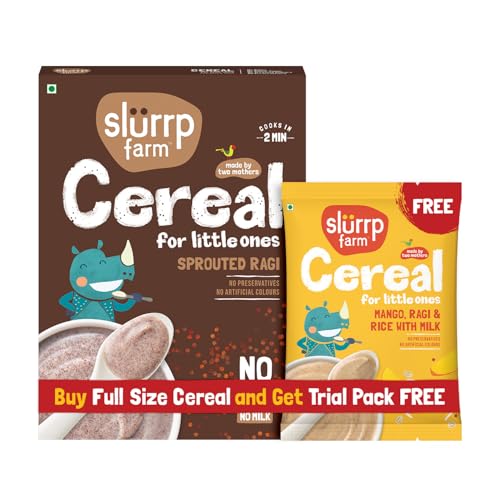
Slurrp Farm Organic Ragi Flour 200g
- ✓ 100% organic, no additives
- ✓ Cold stone ground
- ✓ Resealable pouch, 200g
* We earn a small commission — at no extra cost to you.
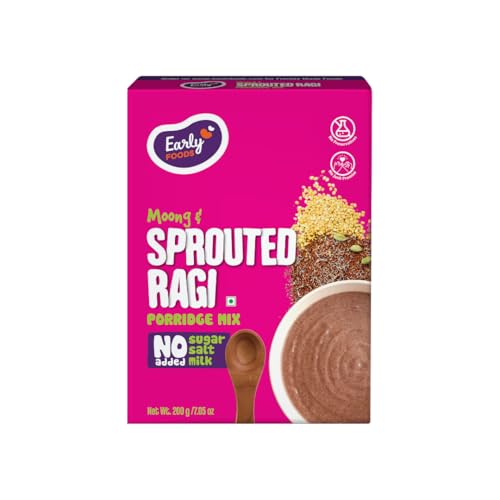
Early Foods Organic Ragi Flour 200g
- ✓ Cold stone ground, finest texture
- ✓ FSSAI certified organic
- ✓ 200g pack, airtight seal
* We earn a small commission — at no extra cost to you.
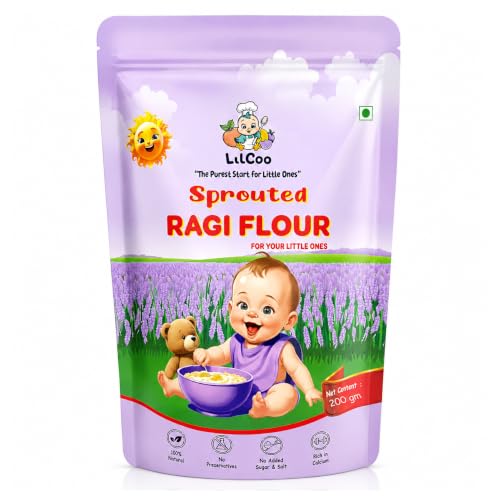
Little Moppet Organic Ragi Flour 200g
- ✓ Pure organic ragi, no fortification
- ✓ Budget-friendly daily staple
- ✓ 200g resealable pack
* We earn a small commission — at no extra cost to you.
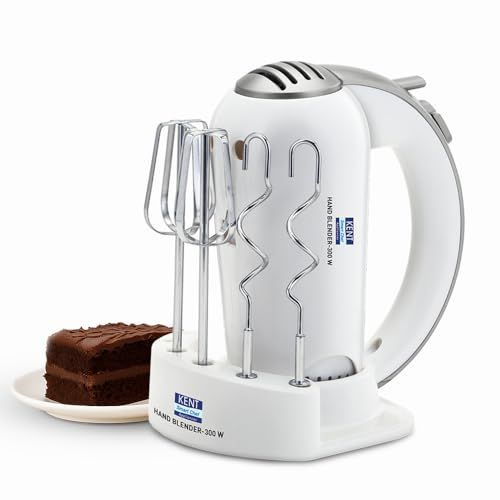
Kent Personal Hand Blender 300W
- ✓ 300W motor for smooth blending
- ✓ Stainless steel safety guard
- ✓ Easy to clean, compact design
* We earn a small commission — at no extra cost to you.
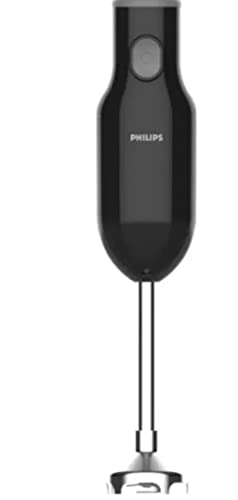
Butterfly Personal Hand Blender 250W
- ✓ 250W compact motor
- ✓ Lightweight, ergonomic grip
- ✓ Dishwasher-safe blade assembly
* We earn a small commission — at no extra cost to you.