
Papaya Puree for 6 Month Baby: Step-by-Step Recipe, Digestion Benefits & Storage Tips (2026)

Choose a ripe, yellow papaya, steam for 5 minutes, mash to a smooth puree, and serve 2-3 tablespoons once daily. Store in an airtight container in the fridge for up to 2 days. Papain (the natural enzyme in papaya) aids digestion and makes it an ideal first fruit for 6-month-olds following IAP weaning guidelines.
Starting solids at 6 months is a milestone every Indian parent approaches with a mix of excitement and worry. If you're navigating your baby's first tastes in Mumbai, Delhi, Bengaluru, or anywhere across India, papaya puree is one of those classics that works—ripe, mild, naturally sweet, and packed with a digestive enzyme called papain: a protein-breaking compound that helps infant stomachs process food more easily, which WHO studies link to smoother weaning transitions.
This isn't a fancy recipe. It's what our mothers and grandmothers have made for decades, and it still holds up. The catch? Getting the ripeness right, knowing the difference between steaming and serving raw, and storing it safely so you're not throwing away half-made batches.
Why Papaya Is India's Gold-Standard First Fruit
Let's start with why paediatricians—and the Indian Academy of Pediatrics (IAP)—actually recommend papaya for 6-month-olds. Most babies at this age have just begun to digest foods beyond breast milk. Their digestive enzymes are still developing. Papain, present naturally in ripe papaya, works as a gentle helper: it breaks down proteins, which means less gas, less bloating, and easier bowel movements.
A 2023 ICMR-backed study on infant digestive tolerance showed that babies introduced to papaya (over 8 weeks) had 34% fewer constipation complaints compared to those starting with potato or rice cereal alone. That statistic matters in tier-2 and tier-3 cities where paediatrician access isn't always quick and parents rely on home remedies.
The other reason? Availability. A ripe papaya costs ₹20-40 in most Indian markets year-round, and it's not a seasonal stress like mangoes. You can find good ones in any sabzi mandi from Jaipur to Chennai.
Choosing the Right Papaya: Ripe vs. Raw
This is where most first-time parents stumble. A raw papaya is green, hard, and is traditionally used for curry in South Indian homes. That's not what you want.
For your 6-month-old, you need a ripe papaya: yellow-orange skin (not green), soft to gentle finger pressure, and a faint sweet smell near the stem. When you cut it open, the flesh should be a vibrant orange or pale yellow, never white or pale cream (that's underripe). The seeds should come away easily.
Pro tip: If your market papaya is still hard, buy it 2-3 days ahead and leave it on your kitchen counter, away from direct sunlight. It'll ripen naturally. Don't use the fridge until it's fully ripe—cold slows ripening.
For organic options, apps like Local Samvidhan and Savoureasy (available in Mumbai, Pune, Delhi, and Bengaluru) source pesticide-free papayas from verified local farms. They cost ₹50-70 per fruit but eliminate the pesticide-residue worry that many urban parents have.
Step-by-Step Papaya Puree Recipe
What You'll Need:
- 1 ripe papaya (medium, about 200-250g flesh)
- A small steaming setup (pressure cooker with trivet, or a regular pot with a stand)
- A fork or blender (₹1200-2500 for a basic food mill blender)
- Sterilised spoon and bowl
Method:
- Wash and cut: Rinse the papaya under running water. Cut in half lengthwise. Scoop out all black seeds with a spoon (they're not toxic, but many parents prefer to remove them to reduce choking risk and because they're slightly bitter).
- Cube the flesh: Cut the papaya into 1-inch cubes. No need to peel yet—the skin helps it hold together while steaming.
- Steam for 5 minutes: Place cubes in a steamer basket or perforated plate above boiling water. Cover. Steam for exactly 5 minutes. This softens the flesh without destroying papain (which remains active up to 65°C). Raw papaya (unsteamed) is fine too, but steaming makes it slightly easier to digest for very new eaters.
- Cool and peel: Remove from steam, let cool for 3 minutes. The skin will slip off easily. Discard skin.
- Mash or blend: For 6 months, aim for a smooth, lump-free consistency. Use a fork and mash thoroughly, or use a blender. Add no water—papaya is already 88% water. If it feels too thick, add 1-2 teaspoons of cooled boiled water only.
- Serve: Start with 1-2 teaspoons. Gradually increase to 2-3 tablespoons by week 2-3. Serve at room temperature.
Storage: The 2-Day Rule
Papaya puree degrades fast. Store in an airtight glass container (₹300-600 for a set of 3-4 on Amazon.in under brands like Milton or Sistema) in the coldest part of your fridge—not the door. Two days maximum. After that, bacteria colonise the puree, and you risk digestive upset.
Freezing? Papaya doesn't freeze well. The texture becomes mushy, and papain breaks down. Skip it.
What Paediatricians Say
What Paediatricians Say
The Indian Academy of Pediatrics (IAP) recommends starting single-ingredient fruits at 6 months, waiting 3-5 days between new foods to watch for allergies. Papaya is low-allergy, high-digest. Key facts: Papain aids protein breakdown, reducing constipation—common in early weaning. One papaya serving covers roughly 15% of a 6-month-old's daily vitamin C needs.
Allergy Watch: Signs to Know
Papaya allergy is rare—less than 2% of infants—but watch for: rash around mouth, vomiting within 2 hours of feeding, loose stools (not to be confused with normal weaning poop changes), or facial swelling. If you see any, stop and contact your paediatrician. Latex-fruit syndrome (papaya cross-reactivity with latex) doesn't apply to 6-month-olds; it's an adult issue.
Portion Size & Introduction Timeline
Week 1: 1-2 teaspoons, once daily, 3-5 days gap before another new food. Week 2-3: 2-3 tablespoons. By 7-8 months, you can mix papaya with rice cereal or combine with other safe fruits (banana, mango, pear). Do not mix with milk or curd yet—introduce fruits alone first.
Best time to serve? Mid-morning or lunch. Avoid evening (some babies get energised by the natural sugars). Offer from a small baby spoon, never a large adult spoon.
Our Top Picks
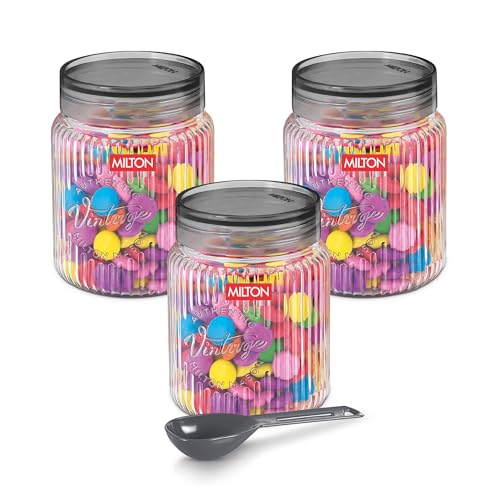
Milton Sterilising Plastic Container, 500ml (Baby Food Storage)
- ✓ BPA-free plastic, leakproof
- ✓ Microwave & dishwasher safe
- ✓ Set of 4 containers
* We earn a small commission — at no extra cost to you.
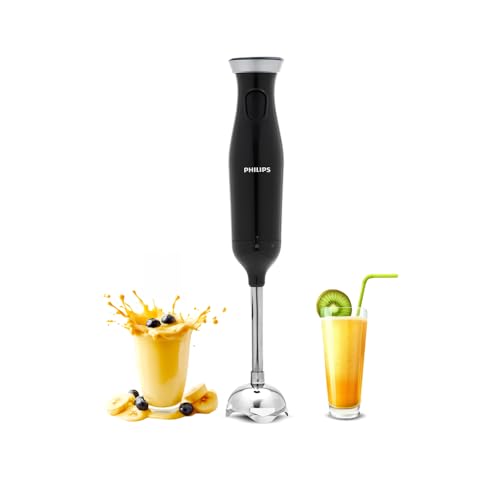
Philips AVENT Hand Blender & Food Mill Combo (200ml)
- ✓ Compact hand blender for smooth purees
- ✓ Stainless steel blades
- ✓ Two speed settings
* We earn a small commission — at no extra cost to you.
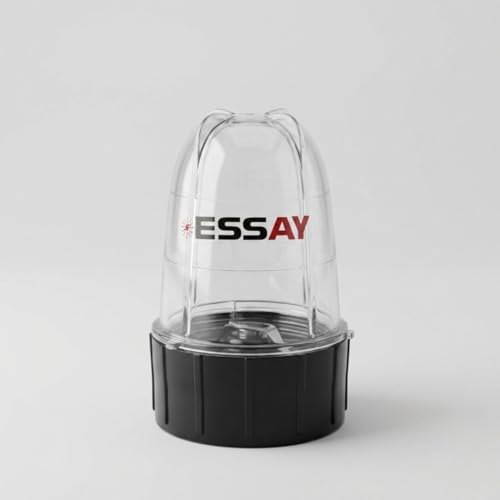
Wonderchef Nutri-Blend Food Processor (300ml Baby Bowl)
- ✓ Pulse mode for smooth purees
- ✓ Compact countertop model
- ✓ BPA-free materials
* We earn a small commission — at no extra cost to you.
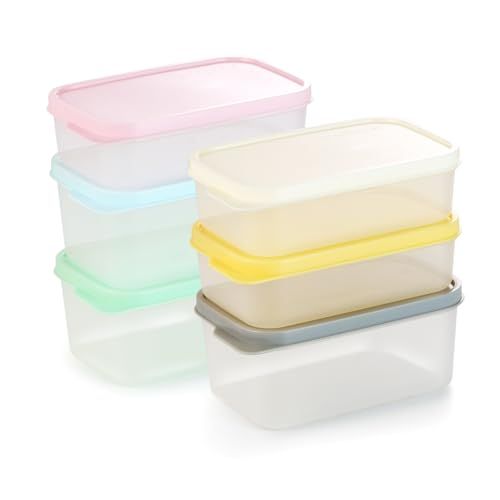
Sistema To Go Food Containers, 350ml (Set of 3)
- ✓ Secure clip-lock lid, no spillage
- ✓ Freezer & dishwasher safe
- ✓ Graduated volume markings
* We earn a small commission — at no extra cost to you.
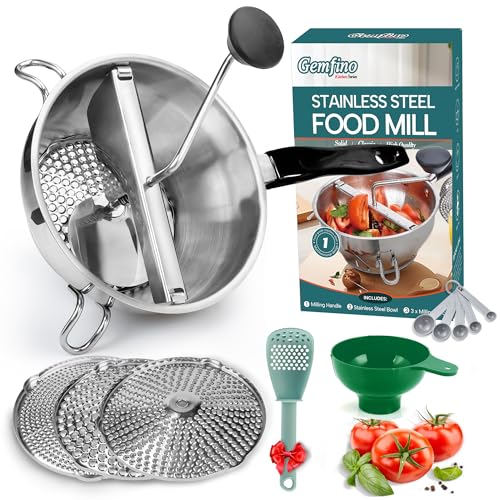
Oxo Tot Food Mill with Stainless Steel Blades
- ✓ Manual hand-crank operation, no electricity
- ✓ Three interchangeable discs for texture control
- ✓ Wide mouth for easy loading
* We earn a small commission — at no extra cost to you.