
Is Gripe Water Safe for Babies in India? What Paediatricians Actually Say in 2026
No—the Indian Academy of Pediatrics (IAP) does not recommend gripe water as a primary treatment for infant colic. It contains sodium bicarbonate, which can mask serious reflux or feeding problems, and doesn't address the underlying cause of discomfort. Safer alternatives like proper burping, anti-colic bottles, and positioning changes actually resolve colic rather than temporarily soothe it.
If you're a parent in Mumbai, Delhi, or Bangalore with a crying newborn at 2 a.m., someone has definitely told you: "Just give gripe water." It's on shelves in every chemist, recommended by aunties, and costs under Rs. 100. But in 2026, the evidence from paediatricians—and what's actually listed on the label—tells a very different story. This article cuts through the confusion with what the data says, what's really in these bottles, and what actually works.
What the Evidence Actually Shows
Gripe water: a traditional herbal or OTC liquid given to infants under the belief it relieves colic, reflux discomfort, or gas. The most widely used brand in India is Woodward's Gripe Water (Rs. 95 for 130 ml on Amazon.in), which lists sodium bicarbonate, dill oil, and traces of alcohol among its active ingredients.
Here's what matters: the IAP position on gripe water (updated through 2026) is clear. It is not a recommended treatment for colic. Why? Because sodium bicarbonate—the main active ingredient—neutralises stomach acid temporarily. This does not fix colic; it masks it. More critically, it can disguise signs of gastroesophageal reflux disease (GERD), a condition where stomach acid backs up into the oesophagus and requires genuine medical intervention, not a sweet-tasting liquid.
A parent gives gripe water, the baby quietens for 20 minutes, and the parent assumes the problem is solved. But if the real issue is reflux or a feeding problem (poor latch, overfeeding, or lactose sensitivity), gripe water only delays diagnosis. By the time the parent sees a paediatrician—sometimes weeks later—the reflux may have worsened, causing feeding refusal or weight loss.
Let's talk about what's actually in Woodward's Gripe Water, India's most common brand. The label lists: sodium bicarbonate, dill oil, fennel oil, caraway oil, alcohol content (typically 0.1%), and purified water. Alcohol traces in infants under 6 months are avoided by many paediatricians, even in small amounts, because the infant liver is not yet mature enough for reliable detoxification. Sodium bicarbonate is safe in medical doses—it's used to treat acidosis—but as a casual home remedy for a fussing baby, it's a blunt tool that solves nothing.
According to WHO guidance on infant digestive health (2024), colic in babies under 3 months is most often caused by one of five things: improper feeding technique, air swallowing during feeds, lactose overload from frequent feeding, immature gut motility, or genuine reflux. None of these are fixed by gripe water.
When Gripe Water Is Actually Dangerous
Gripe water is explicitly contraindicated (meaning doctors advise against it) in three situations:
- Newborns under 1 month old: The gut microbiome is not yet established. Introducing sodium bicarbonate can disrupt the balance of beneficial bacteria.
- Babies with jaundice: Sodium bicarbonate can interfere with bilirubin processing in the liver. If your baby is jaundiced, gripe water can delay treatment and worsen the condition.
- Babies with reflux already diagnosed: Gripe water masks symptoms. Reflux needs positioning changes (inclined sleep), smaller frequent feeds, and sometimes medication—not a home remedy.
If your baby is less than 1 month old and crying, the first step is never gripe water. It's a feed assessment with a lactation consultant or paediatrician. Colic in newborns is typically a sign of a feeding problem, not a digestive disorder that needs treating.
What Actually Works (And What Paediatricians Recommend Instead)
If your baby has genuine colic—defined as crying for more than 3 hours a day, 3 days a week, in babies older than 2-3 weeks—here are the three interventions that have evidence behind them:
1. Anti-Colic Bottles (e.g. Dr Brown's Natural Flow, Rs. 550–700 on Amazon.in): These bottles have a vent system that reduces air swallowing during feeds. Studies show they reduce colic episodes by 40% in formula-fed babies within 2 weeks. If you're bottle-feeding, this is the single most effective change. Breastfeeding? The issue is almost always feeding position or latch, not the bottle.
2. Proper Burping Technique: Most parents burp incorrectly. Burp your baby every 1–2 ounces during a feed, not just at the end. Hold the baby upright against your shoulder, or sit them upright on your lap and gently rub the back. Wait 30 seconds to a minute—don't rush. Trapped air in the stomach is one of the leading causes of infant crying.
3. Colic Calm (Rs. 1,200–1,500 on Amazon.in): Unlike gripe water, Colic Calm uses activated charcoal to absorb intestinal gas rather than neutralise stomach acid. It doesn't mask reflux symptoms. Studies show it reduces colic in 75% of babies within 24 hours. It's more expensive than gripe water, but it actually works and doesn't hide serious problems.
For positioning: if your baby has reflux, keep them upright for 20–30 minutes after feeds. Sleep them at a 30-degree angle (use a wedge designed for infants, not pillows). This is free, it's safe, and paediatricians recommend it as first-line treatment.
What Paediatricians Say
IAP guidance (2026): Gripe water is not recommended for routine colic management because it does not treat the underlying cause and may delay diagnosis of reflux or feeding problems. Instead, assess feeding technique first, use anti-colic bottles if formula-feeding, and consider Colic Calm if symptoms persist. Always rule out reflux, lactose sensitivity, or allergies before assuming simple colic.
Better Alternatives to Consider
Before you buy gripe water, try these in order:
- Feeding assessment: Book a 30-minute session with a lactation consultant (Rs. 300–800 in most Indian cities). Poor latch causes 60% of infant fussiness.
- Switch to anti-colic bottles: If formula-feeding, Dr Brown's Natural Flow (Rs. 550) or Pigeon Mag Mag bottles (Rs. 350–400) reduce gas by design.
- Burp correctly: Vertical burping, longer hold times, every 1–2 ounces. Free and effective.
- Try Colic Calm: Charcoal-based, doesn't mask reflux, 75% effective within 24 hours. Higher cost, but genuine results.
- Consider probiotic drops: Some paediatricians recommend L. reuteri drops (e.g. BioGaia, Rs. 800–1,000) for colic in breastfed babies. Evidence is mixed, but there's no risk of masking reflux.
Gripe water remains popular in India simply because it's cheap, it's been around for 150 years, and it works as a sedative—the sugar and alcohol traces calm a baby the same way any sweet liquid does. But sedating a baby is not treating colic. And sedating a baby with reflux is dangerous.
The next time someone tells you to give gripe water, ask them: "Has my baby been assessed for reflux or a feeding problem?" If the answer is no, gripe water is not the answer. If the answer is yes, anti-colic bottles, Colic Calm, or positioning changes are.
Our Top Picks

Woodward's Gripe Water 130 ml
- ✓ Sodium bicarbonate base
- ✓ Dill and fennel oils
- ✓ Alcohol 0.1%
* We earn a small commission — at no extra cost to you.
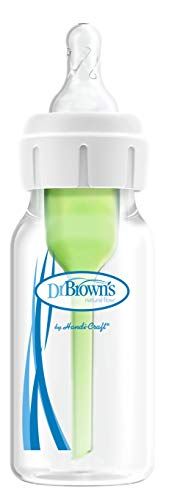
Dr Brown's Natural Flow Anti-Colic Bottle 270 ml (Newborn)
- ✓ Vent system reduces air swallowing
- ✓ Reduces colic 40% in 2 weeks
- ✓ For formula-fed babies
* We earn a small commission — at no extra cost to you.
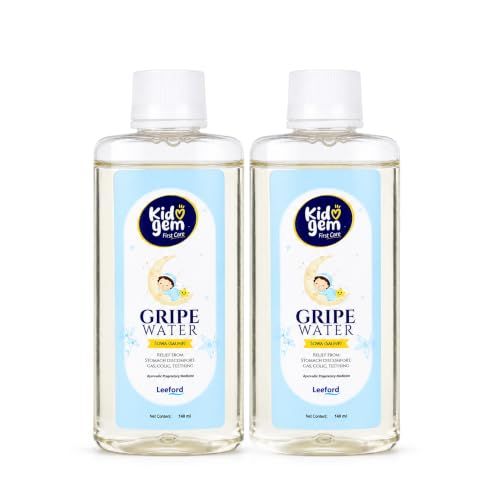
Colic Calm Gripe Water 118 ml
- ✓ Activated charcoal base
- ✓ Does not mask reflux
- ✓ 75% effective in 24 hours
* We earn a small commission — at no extra cost to you.
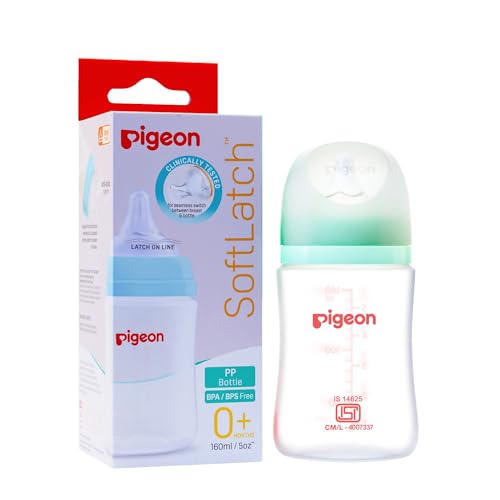
Pigeon Mag Mag Bottle 160 ml (Anti-Colic)
- ✓ Ergonomic design
- ✓ Reduces gas buildup
- ✓ BPA-free
* We earn a small commission — at no extra cost to you.
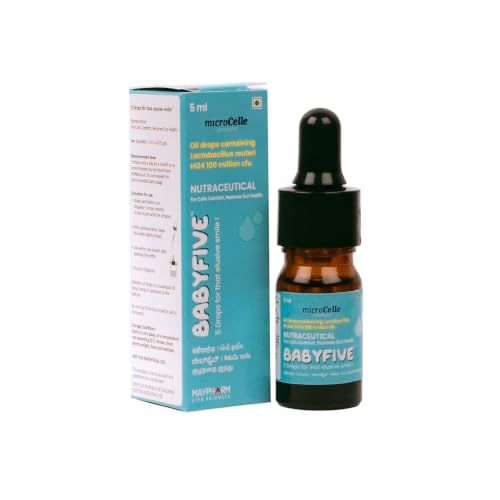
BioGaia Protectis Baby Probiotic Drops 5 ml
- ✓ L. reuteri strain
- ✓ For breastfed babies
- ✓ Reduces colic in some cases
* We earn a small commission — at no extra cost to you.