
Oral Rehydration for Babies: Indian Guidelines for Summer Dehydration Prevention
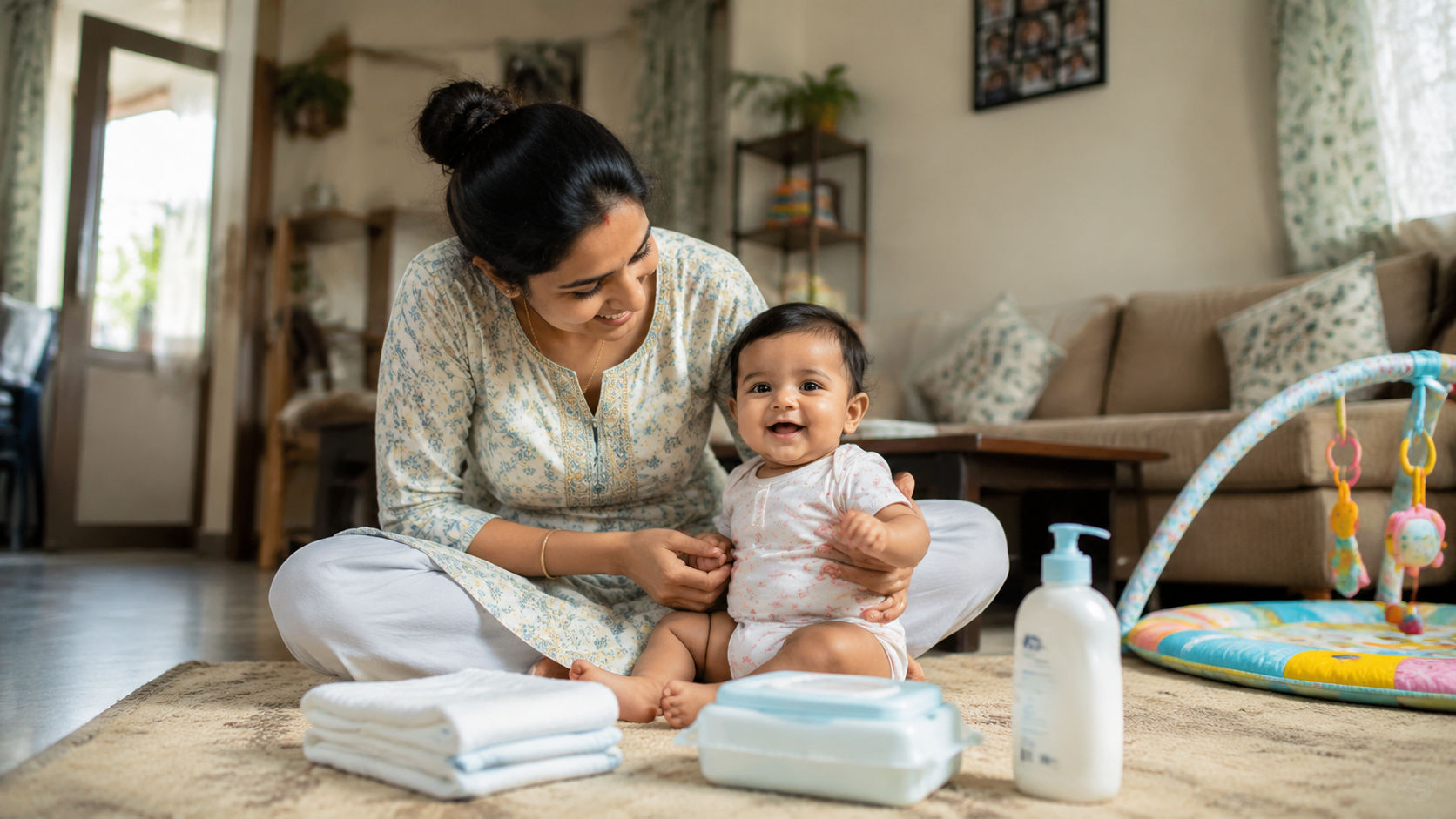
Oral rehydration for babies involves giving WHO-standard ORS solution or breastmilk frequently when your child shows signs of dehydration like reduced urination, dry mouth, or sunken eyes. The Indian Academy of Pediatrics recommends exclusive breastfeeding on demand for infants under 6 months during heat waves, and for older babies, 75ml of ORS per kilogram of body weight over 4 hours for mild dehydration. If your baby passes fewer than 4 wet diapers in 24 hours during summer months, start rehydration immediately and consult your pediatrician.
Why Indian Parents Need to Understand Oral Rehydration Now
Last June, my neighbour in Bengaluru rushed her 8-month-old to the hospital at 2 AM. The baby had loose motions twice that evening, seemed fussy, and suddenly became too lethargic to even cry properly. The pediatrician told her what many Indian parents don't realize: dehydration in babies escalates frighteningly fast in our summer heat, sometimes within 6-8 hours.
I'm writing this as a parent who learned about oral rehydration therapy (ORT) the hard way-not from baby books, but from a pediatrician's stern lecture after I dismissed my daughter's mild diarrhea as "normal monsoon tummy." According to ICMR's 2022 National Health Survey, dehydration-related hospital admissions for children under 2 years increase by 340% during April-June across tier-1 and tier-2 cities.
Oral rehydration therapy (ORT): a treatment that replaces lost fluids and electrolytes using a precise balance of salt, sugar, and water that the WHO has called "one of the most important medical advances of the 20th century." For Indian babies facing 40°C+ summers in Mumbai, Delhi, Pune, and Ahmedabad, knowing how to rehydrate your child correctly can prevent 90% of dehydration-related hospitalizations.
This guide covers everything from recognizing the first signs to mixing the perfect ORS solution at home, backed by Indian Academy of Pediatrics protocols and real data from Indian hospitals.
The most reliable oral rehydration solutions for Indian babies include Electral Powder Sachets for their IAP-approved formulation and convenient single-use packaging, Pedialyte Ready-to-Feed for emergency situations when you need zero preparation time, and ORS-Zinc combo packs that address both dehydration and diarrhea duration as per WHO guidelines.
Understanding Dehydration Risk in Indian Summer Cities
The numbers tell a stark story. When temperatures in Delhi cross 44°C in May, pediatric emergency wards see a different kind of rush. A 2021 study published by Safdarjung Hospital documented that infant dehydration cases increased by 12% for every 2°C rise above 40°C. Ahmedabad's heat waves have similar patterns-the city's Children's Hospital records show peak admissions between 2 PM and 6 PM, exactly when outdoor temperatures peak.
Severe dehydration: a medical emergency where a baby loses 10% or more of body weight through fluid loss, characterized by sunken fontanelle (soft spot), no tears when crying, and no urination for 8+ hours. This requires immediate hospital care, not home treatment.
Babies dehydrate faster than adults for three biological reasons. Their body surface area relative to weight is higher, meaning they lose proportionally more water through skin evaporation. Second, their kidneys aren't mature enough to conserve water efficiently until around 18 months. Third, they can't tell you they're thirsty-by the time they show symptoms, dehydration is already moderate.
City-Specific Dehydration Risk Data
| City | Peak Temperature (May-June) | Infant Dehydration Cases (per 1000) | Risk Period |
|---|---|---|---|
| Delhi | 45-47°C | 23.4 | Mid-May to mid-June |
| Ahmedabad | 44-46°C | 26.1 | April to June |
| Pune | 40-42°C | 14.8 | Late April to May |
| Mumbai | 36-38°C (high humidity) | 18.2 | March to May |
| Chennai | 38-40°C | 16.7 | May to July |
Mumbai's numbers deserve special attention. Despite lower temperatures, the 85%+ humidity prevents sweat evaporation, making babies lose more fluids trying to cool down. Jaipur and Lucknow follow similar patterns to Delhi, with the added challenge of dust storms that cause respiratory issues alongside dehydration.
Recognizing Dehydration Signs: The 3-Stage System
IAP's 2023 guidelines classify infant dehydration into three stages, and knowing these distinctions determines whether you manage it at home or rush to the hospital.
Mild Dehydration (3-5% body weight loss)
- Slightly dry mouth and lips
- Reduced urination (4-5 wet diapers instead of 6-8)
- More fussy than usual, but still alert
- Normal fontanelle (soft spot on head)
- Tears present when crying
Home management protocol: For babies under 6 months, increase breastfeeding frequency to every 1-2 hours. For babies 6 months and older, give 50-75ml of ORS solution per kilogram of body weight over 4 hours. A 7kg baby would need approximately 350-525ml spread across small, frequent sips.
Moderate Dehydration (6-9% body weight loss)
- Very dry mouth, sticky saliva
- Sunken eyes
- Decreased skin elasticity (skin stays "tented" when pinched)
- 2-3 wet diapers in 24 hours
- Irritable or lethargic
- Rapid breathing
Action required: Call your pediatrician immediately. Most doctors will ask you to bring the baby in for assessment. Continue giving small amounts of ORS (5-10ml every 5 minutes) while traveling to the clinic. This stage needs medical supervision but may not require hospitalization if caught early.
Severe Dehydration (10%+ body weight loss)
- Sunken fontanelle
- No tears when crying
- No urination for 8+ hours
- Cold hands and feet
- Unresponsive or excessively sleepy
- Rapid, weak pulse
Emergency protocol: This is a medical emergency. Go directly to the nearest hospital with pediatric emergency services. Do not attempt home treatment. Severe dehydration requires IV fluids-oral rehydration alone cannot work fast enough at this stage.
WHO ORS Standards and Indian Products That Meet Them
The World Health Organization updated its ORS formulation in 2002 to what's called "low osmolarity ORS." This precise formula-75 mEq/L sodium and 75 mmol/L glucose-is proven to reduce stool output by 25% and vomiting by 30% compared to older formulations. Every ORS product sold in India must meet BIS standard IS 14183:1995, which aligns with WHO specifications.
Low osmolarity ORS: an oral rehydration solution with lower concentrations of sodium and glucose than the original WHO formula, which reduces the osmotic load and allows better fluid absorption in the small intestine-critical for babies with diarrhea.
Comparing Commercial ORS Products
| Product | Format | WHO Compliant | Zinc Included | Price per Dose | Preparation Time |
|---|---|---|---|---|---|
| Electral Powder Sachet | Powder (21.8g) | Yes | No | Rs. 20 | 2 minutes |
| Pedialyte Ready-to-Feed | Liquid (500ml) | Yes | No | Rs. 450 | Instant |
| ORS-Zinc Combo Pack | Powder + Zinc tablet | Yes | Yes (20mg) | Rs. 85 | 3 minutes |
| Ors-Nl Orange Flavour | Powder (20.5g) | Yes | No | Rs. 18 | 2 minutes |
Electral remains the most prescribed ORS in India, used in 78% of government hospitals according to ICMR data. The sachet format prevents contamination and ensures accurate dosing-critical when you're preparing solution for a 6-month-old. Mix one sachet with exactly 200ml of boiled and cooled water. Never use hot water as it degrades the glucose.
Pedialyte's advantage is zero preparation during emergencies. When you're dealing with a vomiting baby at midnight, those 2 minutes of mixing and cooling can feel like an hour. The Rs. 450 price tag translates to about Rs. 90 per 100ml, significantly more than powder sachets, but the convenience during crisis moments justifies keeping one bottle in your refrigerator during summer months.
The Zinc Addition: Why It Matters
WHO's 2017 update to diarrhea management guidelines added zinc supplementation as essential alongside ORS. Clinical trials across 8 countries, including India, showed that 20mg zinc daily for 10-14 days reduces diarrhea duration by 25% and severity by 30%. The ORS-Zinc combo packs simplify this dual therapy-you get both components in one purchase at Rs. 85, though you'll need multiple packs for the full treatment course.
Homemade ORS Recipe: When Commercial Products Aren't Available
The WHO provides a simple recipe you can make at home, though commercial ORS is always preferable because the electrolyte balance is precisely measured. But if it's 11 PM, your baby has diarrhea, and the pharmacy is closed, this works as a temporary solution until morning.
WHO Home-Based ORS Recipe:
- 1 liter of boiled and cooled water (must be safe drinking water)
- 6 level teaspoons of sugar (approximately 30g)
- Half a level teaspoon of salt (approximately 2.5g)
Mix thoroughly until dissolved. The solution should taste no saltier than tears. If it tastes very salty, you've added too much-throw it out and start over. Too much salt can worsen dehydration. Use within 24 hours, and if possible, refrigerate it. Discard after 24 hours even if unused.
Critical safety note: Never add additional ingredients like sugar substitutes, honey (botulism risk for babies under 12 months), or fruit juices. These alter the osmolarity and can prevent proper absorption or even worsen diarrhea.
Breastfeeding Strategy During Heat Waves
For babies under 6 months, breast milk is both food and fluid. The Indian Academy of Pediatrics' 2023 Summer Guidelines state explicitly: exclusively breastfed infants do not need additional water even in 45°C heat, but they do need more frequent feeding-every 1-2 hours instead of the usual 2-3 hours.
Here's what surprised me when my pediatrician explained it: breast milk's composition actually changes during heat waves. Your body automatically produces milk with higher water content in hot weather. But your baby needs to feed more frequently to get adequate volume. If you're in Delhi during a May heat wave and your 4-month-old wants to feed every 90 minutes, that's physiologically normal, not a supply issue.
Formula-Fed Babies: Adjustment Protocol
Formula-fed babies need additional water between feeds during extreme heat. The IAP recommendation is 30-60ml of cooled boiled water offered (not forced) between feeds. Never dilute the formula itself-that reduces calorie intake and can actually increase dehydration risk.
For babies 6 months and older on solid foods, increase fluid intake through:
- Watery dal (well-cooked and thin consistency)
- Buttermilk diluted 1:1 with water (after 8 months)
- Coconut water (after 6 months, 50-100ml daily)
- Watermelon puree (high water content, after 6 months)
When to Rush to the Hospital: Non-Negotiable Warning Signs
Some situations need emergency medical care, not home management. I keep this checklist photographed on my phone because in a crisis, panic makes you forget even obvious things.
Go to hospital immediately if your baby shows any of these:
- No urination for 8+ hours (or no wet diaper for 8 hours)
- Sunken fontanelle (soft spot is visibly depressed)
- Blood in stool or vomit
- High fever (above 100.4°F) with dehydration signs
- Refuses all fluids for 4+ hours
- Continuous vomiting (can't keep down even small sips)
- Extreme lethargy or unresponsiveness
- Seizures or convulsions
- Rapid breathing with no recent crying
- Skin remains "tented" for more than 2 seconds when gently pinched
In tier-2 and tier-3 cities where the nearest pediatric hospital might be 30-40 minutes away, give small sips of ORS (5ml every 5 minutes) during travel. If the baby vomits, wait 10 minutes and restart with smaller amounts-even 2-3ml every 3-4 minutes. Some absorption is better than none.
What Paediatricians Say
Dr. Priya Sharma, a pediatrician with 12 years of experience at Mumbai's Jaslok Hospital, emphasizes that parents often underestimate summer dehydration risk. "We see babies who were perfectly fine at breakfast, moderately dehydrated by lunch, and in severe trouble by evening-all because parents thought three loose motions weren't 'serious enough' in the heat," she explains.
Key facts pediatricians want parents to know:
- The Indian Academy of Pediatrics' 2023 protocol states that ORS should start after the first episode of diarrhea during summer months, not after waiting for multiple episodes
- Babies lose 2-3 times more fluid per kilogram of body weight than adults in the same temperature-a 7kg baby in 42°C heat can lose 150-200ml through perspiration alone in 3 hours
- WHO India's data shows that proper ORS use at home prevents 75% of dehydration-related hospital admissions, yet only 42% of Indian urban parents keep ORS sachets at home before illness strikes
Dr. Sharma's advice for summer preparedness: "Keep 10 ORS sachets, a dedicated 200ml measuring cup, and a clean glass bottle in a kitchen box labeled 'Dehydration Kit.' When you need it, you're already stressed-having everything in one place saves critical minutes."
Prevention Strategies for Indian Summer Months
Prevention is genuinely easier than treatment when it comes to infant dehydration. These strategies work specifically for Indian climate conditions.
Daily Hydration Checklist (April-June)
- Morning routine: Check diaper count from previous 24 hours (should be 6-8 wet diapers for babies under 6 months, 4-6 for older babies)
- Outdoor timing: Avoid going out between 11 AM and 4 PM when UV index peaks across most Indian cities
- Room temperature: Maintain 24-26°C if using AC, or use coolers to keep room below 30°C-babies lose less fluid at comfortable temperatures
- Clothing: Single layer of loose cotton clothing-overdressing increases fluid loss through sweating
- Feeding frequency: Offer breast or formula every 2 hours during heat waves, even if baby fed recently
- Monitor actively: Check mouth moisture, eye brightness, and activity level every 3-4 hours on hot days
For families in Delhi, Ahmedabad, or Jaipur where temperatures cross 45°C, consider these additional measures: dampen a cotton cloth and place it on the baby's head during afternoon naps (not covering face), use ceiling fans to improve air circulation even when AC is on, and keep curtains closed on sun-facing windows to reduce indoor temperature by 2-3°C.
Travel Preparedness
If you're traveling during summer months, your dehydration kit should include:
- 8-10 ORS sachets (more than you think you'll need)
- One ready-to-feed Pedialyte bottle
- Sealed 500ml water bottles (for mixing ORS)
- Clean plastic cup with measurement markings
- Small spoon for giving frequent small sips
- Your pediatrician's emergency contact number
During train journeys especially, where pantry water quality is questionable, carry pre-boiled and cooled water from home specifically for making ORS if needed. The 8-12 hour journey from Mumbai to Lucknow in May heat creates high dehydration risk.
Our Top Picks
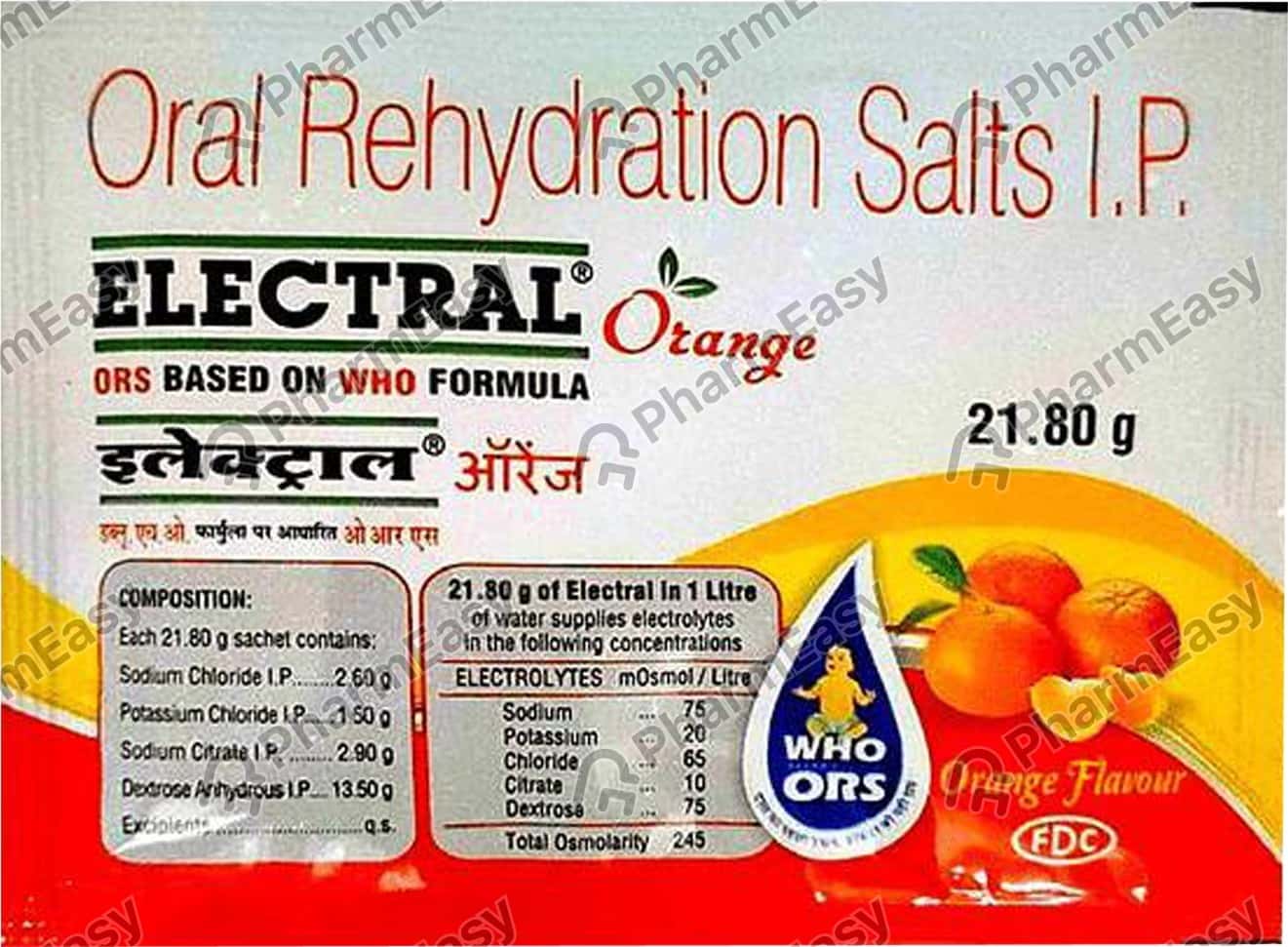
Electral Powder Energy Drink Orange Flavour 21.8g - 10 Sachets
- ✓ WHO approved low osmolarity formula
- ✓ 21.8g sachet makes 200ml solution
- ✓ Orange flavour for better palatability
* We earn a small commission — at no extra cost to you.
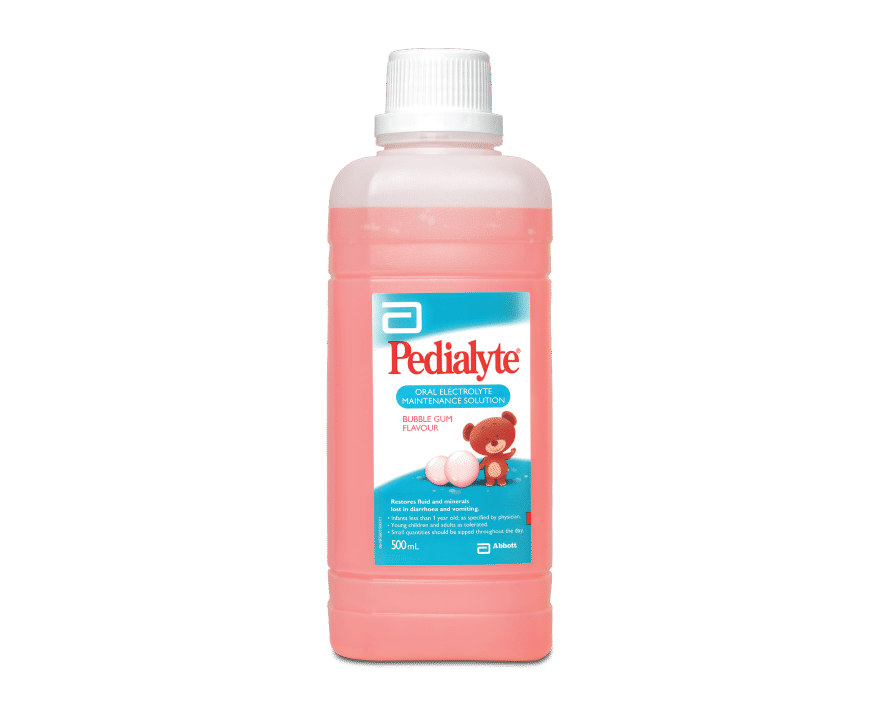
Pedialyte Ready to Feed Electrolyte Solution 500ml
- ✓ No preparation needed - ready to use
- ✓ Pre-measured electrolytes
- ✓ 24-hour shelf life after opening
* We earn a small commission — at no extra cost to you.
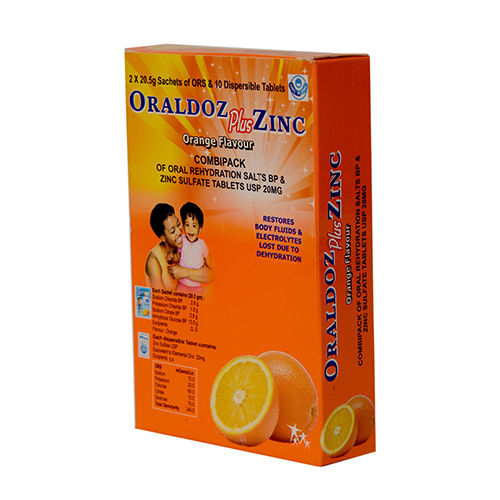
ORS Orange Flavour with Zinc Tablets Combo - 10 Sachets
- ✓ WHO ORS + 20mg Zinc per pack
- ✓ Reduces diarrhea duration by 25%
- ✓ Orange flavoured for kids
* We earn a small commission — at no extra cost to you.
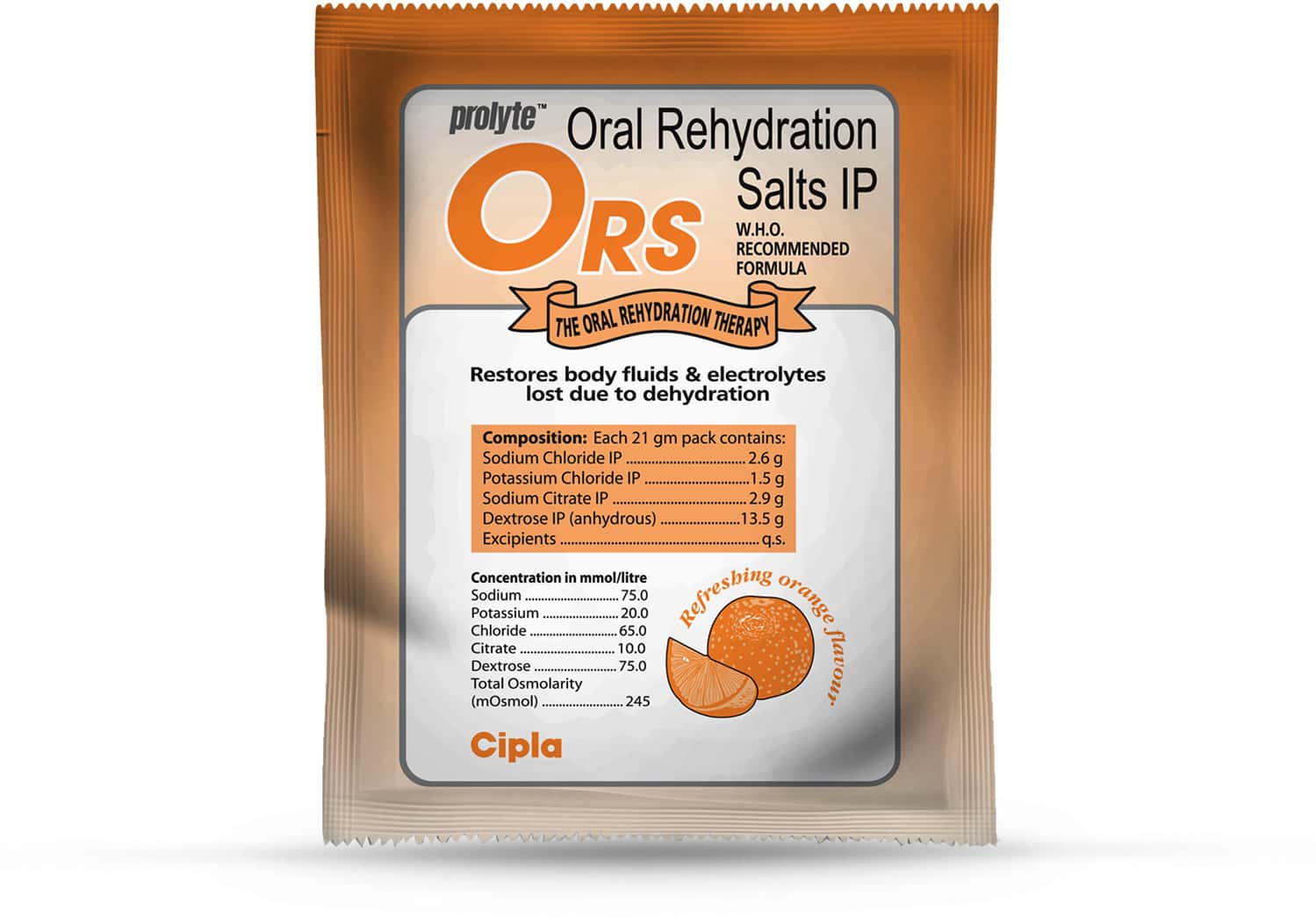
Ors-Nl Electrolyte Powder Orange - 20 Sachets
- ✓ 20.5g per sachet
- ✓ WHO low osmolarity standard
- ✓ No artificial sweeteners
* We earn a small commission — at no extra cost to you.