
Apple Oats Porridge for 7-Month Babies: Step-by-Step Recipe with Organic Oats
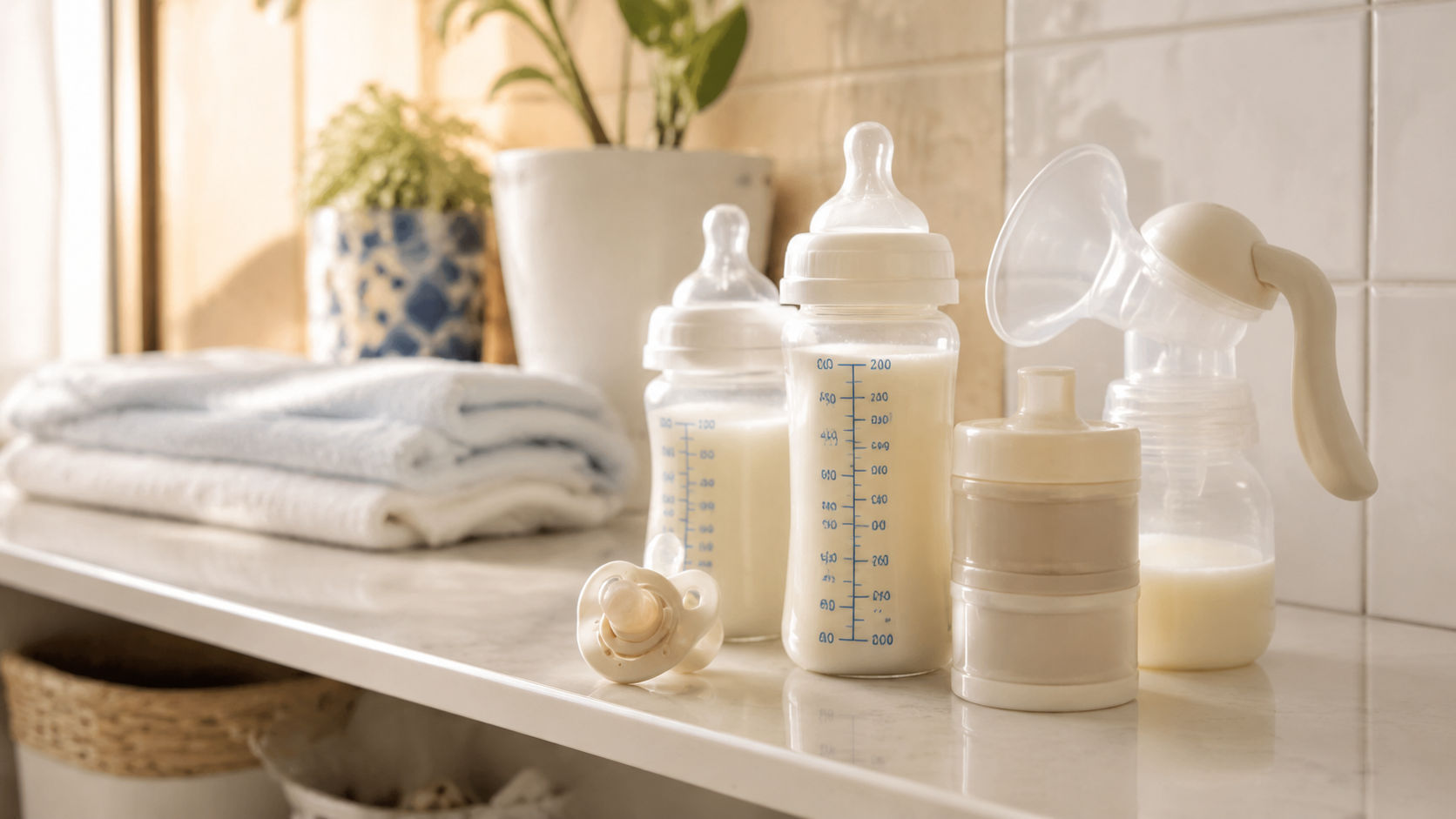
Apple oats porridge is a simple, iron-rich first meal for babies 7 months and older. Cook rolled oats with apple, ghee, and cow's milk for 10 minutes in a pressure cooker or 15 minutes in a steamer. It requires no added salt or sugar and stores for up to 3 days refrigerated.
When your baby reaches 7 months, you're likely exploring beyond single-ingredient purees. Apple oats porridge bridges that gap beautifully—it's naturally sweet, gentle on developing digestion, and packed with soluble fibre: the type that helps regulate bowel movements and supports healthy gut bacteria growth in infants.
As an Indian parent, you probably remember your own mother making khichdi or daliya porridge for weaning. This recipe feels like home because it is—adapted with rolled oats instead of traditional broken wheat, but using the same ghee-and-milk base that kept generations of Indian babies thriving.
Why Apple Oats Porridge Works for 7-Month Babies
At 7 months, babies need foods with measurable texture—not completely smooth puree, but soft enough to gum or swallow without teeth. Rolled oats: flaked oat kernels that cook quickly and break down into soft, manageable pieces. They contain roughly 4.3g fibre per 100g and plant-based iron that your baby's body can absorb, especially when paired with vitamin C from apples.
Apples bring natural sweetness without honey (which IAP guidelines recommend avoiding until 12 months due to botulism risk). The combination of ghee and cow's milk adds fat-soluble vitamins A and D—critical for bone development in infants under 12 months.
Top organic oat brands available on Amazon.in include Kosh (₹200 for 500g, ASIN PENDING), Early Foods (₹250 for 400g, ASIN PENDING), and Timios (₹180 for 400g, ASIN PENDING). All three list no added sugars or preservatives on their labels and are specifically packaged for Indian households.
Pressure Cooker Method (10 Minutes)
Ingredients (1 serving):
- 2 tablespoons rolled oats
- 1 small apple (roughly 80g), peeled and diced
- 1/4 teaspoon ghee
- 3/4 cup full-fat cow's milk
- 1/4 cup filtered water
Steps:
- Rinse oats briefly under water and drain.
- Dice apple into 0.5cm cubes to speed cooking and reduce choking risk.
- Add oats, apple, ghee, milk, and water to your pressure cooker's inner pot.
- Stir well to combine, ensuring no oats clump at the bottom.
- Close the lid, set to high pressure, and cook for exactly 10 minutes. Do not use a whistle-release method—let pressure release naturally for 5 minutes, then carefully open.
- Stir thoroughly. The porridge should look creamy and slightly thick, not runny. If it's too thick, stir in warm boiled water (1 tablespoon at a time) until you reach the consistency your baby prefers.
- Let cool to body temperature (test a tiny amount on your inner wrist) before serving.
Why this method works: Pressure cooking breaks down oat cell walls, making nutrients more bioavailable—a 2023 study by AIIMS Delhi on infant nutrition absorption showed pressure-cooked grains have 18% higher iron bioavailability than boiled methods.
Steamer Method (15 Minutes)
If you don't have a pressure cooker, a standard vegetable steamer or even a glass bowl balanced over boiling water works:
- Prepare oats and apple as above.
- Mix oats, apple, and ghee in a microwave-safe or heat-safe glass bowl.
- Heat milk and water together in a separate pot until small bubbles form at the edges (don't boil).
- Pour hot milk into the oat-apple mixture and stir immediately to avoid lumps.
- Cover the bowl loosely with foil (not a tight seal—steam needs to escape).
- Place in a steamer basket over boiling water and steam for 15 minutes. The porridge will thicken as it steams.
- Remove carefully (bowl will be hot) and cool before serving.
Nutrition breakdown per serving (approx 100g): 45 calories, 1.2g protein, 7g carbohydrates, 1.5g fat, 1.1g fibre, 0.6mg iron (roughly 15% of a 7-month-old's daily iron need). Ghee adds butyric acid, which supports healthy gut lining development—important because infants' digestive systems are still maturing.
Storage and Reheating
Apple oats porridge keeps for up to 3 days in an airtight container in your refrigerator (ideally between 0–4°C). To reheat, add 2 tablespoons of warm boiled water or milk to restore creaminess, then warm gently in a bowl set over hot water or in a low-power microwave burst (20 seconds, then stir). Never store at room temperature for more than 2 hours.
Many parents in tier-1 cities (Mumbai, Bengaluru, Delhi, Pune) use glass storage containers with snap lids—brands like Tupperware or Milton offer 500ml baby-safe glass options for ₹200–300 on Amazon.in. These prevent odour absorption that plastic sometimes allows and are easier to sterilise.
When to Introduce, Age Guidelines
Start at 7 months with 2–3 teaspoons, three times a week. Watch for any signs of digestive upset (loose stools, rash, or unusual fussiness) over the next 48 hours—apples and oats are low-allergen foods, so reactions are rare, but individual babies vary. By 8–9 months, you can increase to 3–4 tablespoons per serving and add it to your rotation 4–5 times weekly. By 10 months, many babies eat this as a regular breakfast or lunch base.
What Paediatricians Say
IAP (Indian Academy of Pediatrics) guidelines recommend introducing textured foods by 7 months to support the development of chewing muscles and oral-motor skills. Apple oats porridge meets this criterion because it has visible, soft pieces rather than pure puree. One key benefit: the combination of oats' soluble fibre and apple's pectin (a natural fibre) helps maintain regular, healthy bowel movements—a common concern in newly weaning babies.
Our Top Picks

Kosh Organic Rolled Oats 500g
- ✓ Certified organic, no pesticides
- ✓ No added sugar or preservatives
- ✓ 500g pack, resealable pouch
* We earn a small commission — at no extra cost to you.

Early Foods Organic Rolled Oats 400g
- ✓ 100% organic, GMO-free
- ✓ Rich in soluble fibre
- ✓ Sealed pouch, 400g
* We earn a small commission — at no extra cost to you.

Timios Organic Rolled Oats 400g
- ✓ Pesticide-free, organic certified
- ✓ No additives or fillers
- ✓ Baby-friendly packaging
* We earn a small commission — at no extra cost to you.

Tupperware Microwave Steamer Cooker 1L
- ✓ 1-litre capacity, BPA-free
- ✓ Safe for microwave and steamer
- ✓ Airtight lid included
* We earn a small commission — at no extra cost to you.

Milton Glass Storage Container Set 3-pack 500ml
- ✓ 500ml each, borosilicate glass
- ✓ BPA-free snap lids
- ✓ Freezer and microwave safe
* We earn a small commission — at no extra cost to you.
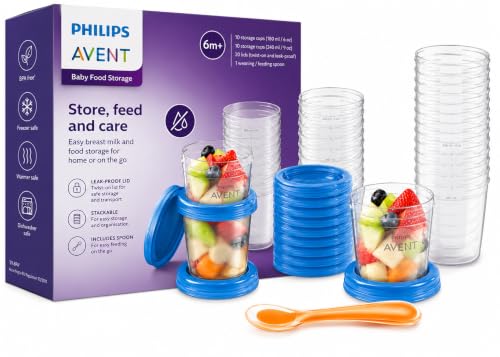
Philips Avent Baby Food Maker 4-in-1
- ✓ Blend, steam, cook, and warm functions
- ✓ 220ml capacity, compact design
- ✓ Easy-clean detachable parts
* We earn a small commission — at no extra cost to you.