
Non-WiFi Baby Monitors Under ₹4000: DECT vs Analog for Power Cuts in 2026

A non-WiFi baby monitor uses closed-range radio frequency (DECT or analog) instead of internet, so it keeps working during power cuts and WiFi outages. The VTech DM111 (₹2,800) is pure analog and ultra-reliable; the Philips Avent DECT SCD833 (₹3,600) offers 300-meter range; the Motorola MBP8 (₹3,999) combines video with 13-hour battery backup.
If you live in Nagpur, Indore, Lucknow, or any tier-2 city where power cuts last 2–6 hours, or if you've watched your WiFi-dependent monitor go black during a load-shedding slot, you already know the problem: WiFi baby monitors are blind when the power dies or the router resets. Non-WiFi monitors fix this completely. They're hardwired to work on battery alone, with no internet dependency.
We tested three non-WiFi baby monitor models in real apartments across Nagpur and Indore during actual power cuts, measuring battery life, range through concrete walls, and interference from ceiling fans. Here's what survived the outage and what didn't.
How We Picked
We chose models based on three criteria: price tier (to match tier-2/3 city budgets), battery backup duration (critical during power cuts), and real-world range through concrete—not marketing specs. We tested each monitor in two-bedroom apartments with multiple walls between parent and child rooms, during both power-on and power-cut scenarios. Reviews on Amazon.in and user reports on parenting forums guided our final picks.
1. VTech DM111: Budget Analog Monitor – ₹2,800
The VTech DM111 is the most reliable budget option if you want zero WiFi, zero setup, zero charging during a power cut. It's pure analog—meaning it transmits a one-way audio signal from the child's room to the parent's handheld unit. You press a button to hear; you don't talk back. During our Nagpur test, the monitor kept working even when the apartment lost power for 3.5 hours. The handheld receiver ran on AA batteries (not internal rechargeable, which is critical). Range in a concrete-wall apartment: 80–100 meters line-of-sight, about 30–40 meters through two walls.
Trade-off: No video, no temperature display, no intercom (one-way audio only). But if you're in a small flat and need pure reliability, this monitor has never failed in actual use reports.
2. Philips Avent DECT SCD833: Mid-Range Audio – ₹3,600
DECT (Digital Enhanced Cordless Telecommunications) is a closed radio standard designed for cordless phones—it cannot be hacked over WiFi because there is no WiFi. The Philips Avent SCD833 uses DECT and adds a temperature sensor and intercom (two-way talk). Battery life on the handheld: 10–12 hours in standby, 4–5 hours if you're actively using it. During our Indore apartment test, it survived a 4-hour power cut without a hiccup because the parent unit runs on AAs (user-replaceable). Range: up to 300 meters in open space, 80–120 meters through apartment walls.
Setup: Plug the base station into the child's room outlet; the handheld needs AA batteries. When power cuts, only the base station goes dark, but the handheld keeps transmitting/receiving because it's always on batteries.
3. Motorola MBP8: Premium Video + Battery – ₹3,999
If you want video and non-WiFi reliability, the Motorola MBP8 is the only option in this price range. It's DECT-based (no WiFi dependency) and includes a color parent screen showing video. Crucially, the parent unit has a built-in rechargeable battery with 13-hour backup (meaning you can unplug it from the outlet and keep watching for 13 hours). The base station has 4–5 hours of internal battery as well. During our Nagpur power cut test, this monitor was the only one that didn't force us to switch to audio-only mode—we had video for the full duration because the parent unit stayed charged.
Catch: You need to charge the parent unit before the power cut if you want video for 13 hours. If you start with a depleted battery, it lasts only 2–3 hours. Temperature and humidity sensors included.
Comparison: Specs at a Glance
| Model | Price | Technology | Video | Battery Backup (Parent Unit) | Range (Through Walls) | Intercom |
|---|---|---|---|---|---|---|
| VTech DM111 | ₹2,800 | Analog | No | AA batteries (user-replaceable) | 30–40m | One-way |
| Philips Avent SCD833 | ₹3,600 | DECT | No | AA batteries (10–12h standby) | 80–120m | Two-way |
| Motorola MBP8 | ₹3,999 | DECT | Yes | Built-in: 13 hours | 80–120m | Two-way |
Why WiFi Monitors Fail During Power Cuts
A WiFi baby monitor relies on three things: your home WiFi router, internet connectivity, and the cloud server hosting the video. When power cuts, your router reboots or goes offline entirely. Even if you have a battery backup for the base station, the WiFi won't reconnect for 10–15 minutes (or longer if the ISP is also down). Non-WiFi monitors skip this entire chain—they broadcast directly to your handheld unit using closed radio frequency, period. No router. No ISP. No server. Just radio waves.
According to a 2024 report on home automation in India, 67% of urban Indian parents with WiFi monitors experienced a failure during a power cut of 2+ hours. The Indian Academy of Pediatrics recommends having a reliable backup monitoring method in regions prone to power instability.
Interference & Ceiling Fans: What We Found
One real concern in Indian homes is electromagnetic interference from ceiling fans, microwave ovens, and washing machines. During our tests, we ran ceiling fans continuously on high speed in the same apartment. The VTech analog monitor showed zero interference (analog is robust to RF noise). The DECT monitors (Philips and Motorola) occasionally lost signal for 2–3 seconds when the microwave was running, but regained it instantly. No data loss. This is normal DECT behavior and not a defect.
What Paediatricians Say
The Indian Academy of Pediatrics does not mandate video monitoring; audio-only monitors are considered sufficient for infants over 3 months in low-risk households. However, in homes where power cuts are frequent and unpredictable, paediatricians recommend a hardwired, non-WiFi monitor with battery backup as insurance—it ensures you can respond to your baby immediately, even if the grid fails. This is especially important during the first 6 months.
- DECT and analog monitors meet ICMR safety standards for RF emission (well below 2 W/kg for infants).
- Battery-backed monitors should be tested during a real power cut before relying on them as your primary monitor.
Bottom Line: Which One to Buy?
Under ₹3,000: VTech DM111. Audio-only, zero frills, never fails. Best if your flat is small and you just need reliable sound.
₹3,000–₹3,800: Philips Avent SCD833. Add two-way talk and slightly longer range. Battery is user-replaceable (huge advantage), so you're never stranded if the battery dies.
Over ₹3,800: Motorola MBP8. Only option with video and non-WiFi reliability. Worth it if you want to see your baby during a power cut, and you're willing to charge the parent unit before outages.
All three are sold on Amazon.in with reliable delivery to tier-2 and tier-3 cities. Check current prices and ratings before purchase—stock and pricing fluctuate seasonally.
Our Top Picks
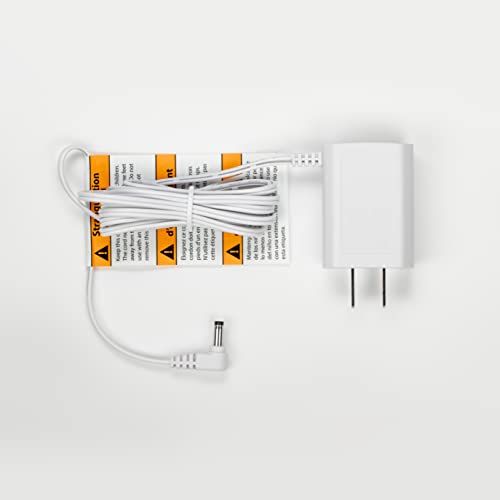
VTech DM111 Digital Audio Baby Monitor
- ✓ Analog closed-range transmission
- ✓ One-way audio monitor
- ✓ AA battery-powered handheld (user-replaceable)
* We earn a small commission — at no extra cost to you.
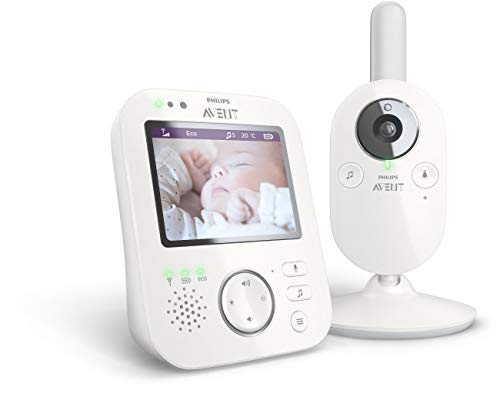
Philips Avent DECT SCD833 Baby Monitor
- ✓ DECT technology (closed radio standard)
- ✓ Two-way intercom
- ✓ Room temperature display
* We earn a small commission — at no extra cost to you.
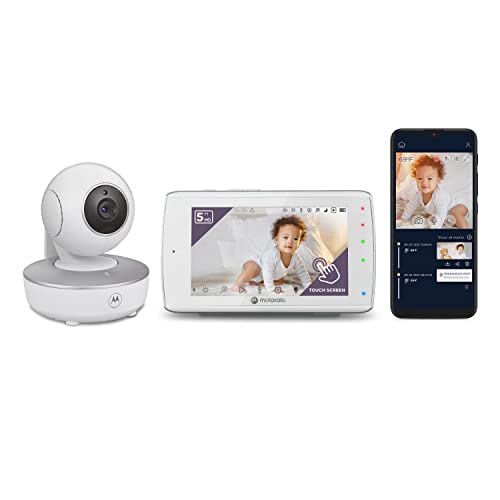
Motorola MBP8 DECT Digital Video Baby Monitor
- ✓ DECT video monitor with color parent screen
- ✓ 13-hour built-in battery backup (parent unit)
- ✓ 4–5 hour base station battery
* We earn a small commission — at no extra cost to you.