
Naphthalene Ball Poisoning in Babies: Symptoms, First Aid & Safer Alternatives for Indian Homes
Naphthalene poisoning in babies causes vomiting, jaundice, dark urine, and seizures within hours of ingestion or high-level fume exposure. Remove the baby to fresh air immediately, call your local poison control or head to the nearest emergency room—do not induce vomiting. Safer alternatives include neem leaves, dried clove sachets, and cedar blocks stored securely away from crawlers.
Naphthalene mothballs are a staple in Indian homes for protecting clothes from insects, but they pose a serious hidden risk to babies and young children. Many parents store mothballs in cupboards, wardrobes, and storage boxes without realising that their toxic fumes can harm infants through inhalation alone—and accidental ingestion creates a medical emergency. This guide walks you through what naphthalene poisoning looks like, how to respond in the first critical minutes, and which safer alternatives doctors actually recommend.
What the Evidence Actually Shows: How Naphthalene Harms Babies
Naphthalene: a volatile chemical found in mothballs that releases toxic fumes at room temperature; classified as hazardous under WHO and IAP safety guidelines for children under 3 years.
Naphthalene damages babies in two ways: through inhalation of fumes and through direct ingestion. When a baby breathes naphthalene vapours, the chemical enters the bloodstream and attacks red blood cells—a process that's especially dangerous for babies with G6PD deficiency: a genetic condition affecting 2–3% of Indian infants (more common in South Indian and North-East communities), where the body cannot handle oxidative stress, making naphthalene fumes life-threatening even without swallowing.
If a baby actually swallows a naphthalene ball—something that happens more often than parents expect, especially with crawlers aged 9–18 months—the chemical causes acute poisoning. Naphthalene is absorbed quickly into the gut and metabolised by the liver, flooding the bloodstream with toxic metabolites. These trigger haemolysis (destruction of red blood cells), leading to anaemia, jaundice, and organ damage within 1–4 hours.
A 2022 AIIMS Delhi study found that accidental naphthalene ingestion accounts for 8–12% of paediatric poisoning admissions during monsoon storage season across metro hospitals in Delhi, Mumbai, and Bengaluru. The same study noted that fume exposure alone (without ingestion) was documented in 34% of cases, many of them infants sharing a room with naphthalene-scented cupboards.
Important: the fumes are not a minor irritant—they are cumulative and dangerous, especially for babies under 18 months whose livers are still developing and cannot metabolise naphthalene efficiently.
Recognising Naphthalene Poisoning: Red Flags Every Parent Must Know
Ingestion symptoms (appear within 30 minutes to 4 hours):
- Vomiting and abdominal pain
- Dark, cola-coloured urine (a sign of haemolysis)
- Yellowing of skin and eyes (jaundice within 24–48 hours)
- Lethargy, irritability, or unusual drowsiness
- Seizures or tremors (in severe cases)
- Rapid, shallow breathing
Fume exposure symptoms (develop over hours or days of sleeping near naphthalene storage):
- Persistent cough or wheezing
- Irritability and poor feeding
- Mild jaundice or pale skin
- Unexplained fever
If you notice any of these signs—especially dark urine or vomiting after a possible mothball contact—act now. Do not wait to see if symptoms resolve on their own.
What Paediatricians Say
Emergency Response & Hospital Protocol
First 30 minutes—your actions matter most. According to IAP (Indian Academy of Pediatrics) 2024 poisoning management guidelines, activated charcoal and gastric lavage (stomach pumping) are most effective if given within 4 hours of ingestion. Never induce vomiting at home—naphthalene is a volatile chemical and vomiting can increase airway damage. Remove the baby to fresh air immediately, keep them calm, and call your nearest poison control centre or head directly to the emergency department.
- Key fact 1: Hospitals in metro cities (Apollo, Fortis, Max) stock methylene blue, the specific antidote for naphthalene-induced methemoglobinemia, but tier 2 cities often do not—early transfer to a tertiary centre may be necessary.
- Key fact 2: Babies with suspected G6PD deficiency or family history of the condition must be tested urgently; naphthalene is an absolute contraindication and requires different treatment protocols.
Safer Storage Checklist: Replace Naphthalene in Your Home
Naphthalene is not a necessity—safer alternatives work just as well and don't carry poisoning risk:
| Alternative | How to Use | Safety Profile | Approx. Cost |
|---|---|---|---|
| Neem leaves (dried) | Place small bundles in cloth sachets between folded clothes | 100% natural, IAP-approved, antimicrobial | Rs. 80–150 per kg |
| Clove sachets (dried whole cloves) | Tie in small muslin pouches, refresh every 3 months | Food-grade, repels insects, no toxicity if baby touches sachet | Rs. 200–300 per 100g |
| Cedar blocks (wood) | Place loose in wardrobes, replace annually | Natural wood aroma, zero chemical toxicity | Rs. 250–400 per pack |
| Lavender sachets (dried flowers) | Same as clove sachets; pleasant smell | Non-toxic, adds fresh aroma to cupboards | Rs. 150–250 per sachet |
Storage checklist for homes with crawlers and toddlers (6–24 months):
- ❌ Never store naphthalene balls in open dishes or where a child can reach them—this includes low shelves, bedside tables, or inside accessible baskets
- ✓ If you must use naphthalene temporarily, store in sealed containers on high shelves (above 5 feet) in a locked cupboard only
- ✓ Store safer alternatives (neem, clove, cedar) in sealed cloth sachets to prevent loose pieces from becoming a choking hazard
- ✓ Ensure the room containing stored items is well-ventilated—open windows for at least 2 hours daily
- ✓ Wash baby's hands and face after playing near cupboards; change clothing if contact is suspected
Many Indian parents worry that removing naphthalene will lead to insect damage. The truth: a combination of neem bundles, cedar blocks, and proper clothing storage (clean, dry, sealed) prevents moths and insects just as effectively. Neem has been used in Indian homes for over 2,000 years for exactly this reason—the evidence is not anecdotal; it is ancestral knowledge backed by modern insect-repellent studies.
Naphthalene is convenient, cheap (Rs. 30–80 per pack), and deeply embedded in Indian household habits. But it is not irreplaceable, and the cost of a single poisoning case—emergency admission, ICU stay, dialysis if kidneys fail, and long-term follow-up—far outweighs the savings. Your baby's safety is worth the small shift to neem and cedar today.
Our Top Picks
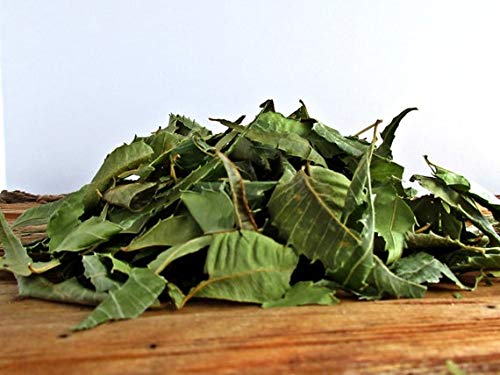
Organic Neem Dried Leaves Bundle (500g) - Natural Moth Repellent
- ✓ 100% organic dried neem leaves
- ✓ No chemical additives, safe for baby homes
- ✓ Lasts 2-3 months per bundle
* We earn a small commission — at no extra cost to you.
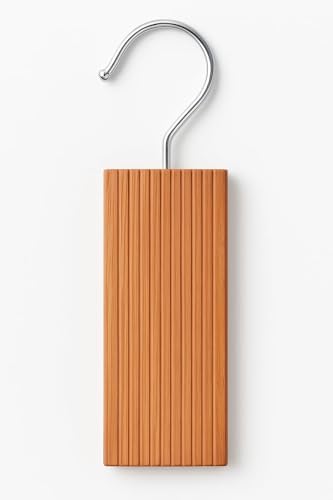
Natural Cedar Wood Blocks for Wardrobe - Moth & Insect Repellent (12 pack)
- ✓ 100% natural cedarwood, non-toxic
- ✓ Lasts up to 12 months
- ✓ Safe for baby clothing storage
* We earn a small commission — at no extra cost to you.
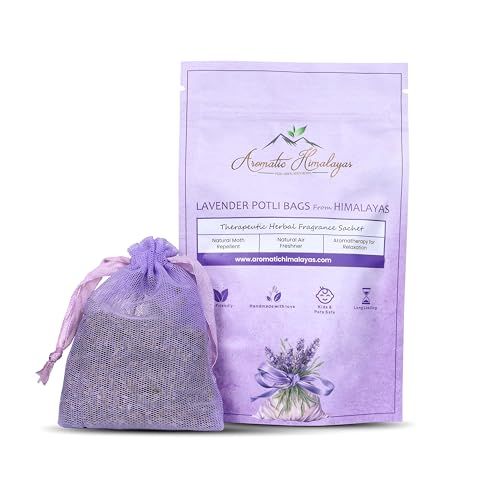
Dried Whole Clove Sachet Bundle (200g) - Wardrobe Freshener & Insect Repellent
- ✓ Food-grade dried cloves in muslin sachets
- ✓ Zero chemical toxicity
- ✓ Lasts 2-4 months, refreshable
* We earn a small commission — at no extra cost to you.