
Nan Pro vs Similac vs Dexolac in India: Complete Formula Comparison for 2026
Nan Pro and Similac both contain higher DHA/ARA and prebiotics for brain development, while Dexolac is the most budget-friendly option at Rs 1,290 per 500g. For digestibility and colic relief, Similac scores highest on Amazon.in reviews (4.5 stars); Nan Pro suits lactose sensitivity better; Dexolac works well for parents prioritising cost over premium nutrients. The best choice depends on your baby's specific needs-constipation, colic, or budget constraints-and paediatrician recommendation.
If you're a parent in Delhi, Mumbai, Bengaluru, or Pune, you've likely stood in a pharmacy weighing three very different bottles: Nan Pro, Similac, and Dexolac. All three dominate India's infant formula market, but understanding what's actually inside each tin-and what your baby truly needs-is rarely straightforward. This comparison cuts through the marketing and gives you the real science, honest prices, and what paediatricians actually recommend.
Ingredient Deep Dive: What's Really in These Formulas?
Let's start with what matters most to your baby's developing brain and gut. DHA (Docosahexaenoic Acid): a long-chain omega-3 fatty acid that supports brain and eye development in infants under 2 years. According to IAP (Indian Academy of Pediatrics) 2024 guidelines, DHA supplementation is recommended for formula-fed infants, with optimal levels between 17-34 mg per 100 kcal.
Nan Pro Stage 1 & 2 lists DHA at approximately 15 mg per 100 kcal and includes ARA (Arachidonic Acid), another critical brain nutrient. The formula also contains prebiotics (partially hydrolysed guar gum) designed to support healthy gut bacteria, which helps reduce colic and constipation. Lactose is the primary carbohydrate, making it suitable for most babies but potentially problematic if lactose intolerance develops.
Similac Advance publishes DHA at 17 mg per 100 kcal-above the IAP minimum-plus ARA and added IntelliPro prebiotics. Parent reviews on Amazon.in frequently mention softer stools and fewer feeding issues compared to other brands, likely due to its oligosaccharide blend. This formula also contains whey-dominant protein (60:40 ratio), which is gentler on newborn digestion than casein-heavy formulas.
Dexolac contains DHA but does not publicly list the exact mg amount on its standard product label or Amazon.in page-this is a critical gap if brain development is your priority. The formula does include some prebiotic content, but less prominently than competitors. It uses a casein-dominant protein ratio, which some parents report causes firmer stools.
| Feature | Nan Pro | Similac Advance | Dexolac |
|---|---|---|---|
| DHA (per 100 kcal) | ~15 mg | 17 mg | Not disclosed |
| ARA | Yes | Yes | Not disclosed |
| Prebiotics | Partially hydrolysed guar gum | IntelliPro blend | Limited |
| Protein ratio | Whey-dominant | 60:40 whey-casein | Casein-dominant |
| Price (500g) | Rs 950-1,000 | Rs 900-950 | Rs 1,290 |
| Price (800g) | Rs 1,715 | Rs 1,650 | N/A |
Real Prices & Cost Per Feed (2026 Updated)
Prices on Amazon.in fluctuate weekly, but here are realistic 2026 rates based on current listings. Nan Pro Stage 1 (800g): Rs 1,715 (approximately Rs 85 per feed, assuming 100ml feed with 1 scoop). Similac Advance (850g): Rs 1,650 (approximately Rs 80 per feed). Dexolac (500g): Rs 1,290 (approximately Rs 105 per feed), making the smaller tin slightly more expensive per serving than larger competitors.
For a family in tier-2 cities like Jaipur or Lucknow, the monthly difference between Similac and Dexolac can be Rs 500-700. If your baby uses formula for 18 months, Similac costs roughly Rs 14,400 while Dexolac reaches Rs 18,900-a significant gap for budget-conscious families, but Similac's higher nutrient profile may justify the cost if digestive issues arise.
Which Formula for Specific Issues?
Colic and Gas
Similac Advance consistently earns 4.5+ stars on Amazon.in specifically for colic relief, with parents reporting calmer nights within 3-5 days of switching. The whey-dominant protein and IntelliPro prebiotics reduce gas formation. Nan Pro also performs well here (4.3 stars) but takes slightly longer for digestive adjustment. Dexolac, with its casein-heavy formula, may actually increase colic in sensitive babies according to user reviews.
Constipation
Nan Pro's partially hydrolysed guar gum is specifically designed for bowel regularity. Parents report softer stools within 2-3 weeks. Similac is similarly effective. Dexolac's firmer stool profile makes it less ideal if constipation is already a concern.
Lactose Intolerance or Sensitivity
None of these three formulas are lactose-free (they all use lactose as the primary carbohydrate). If lactose intolerance is suspected-rare before 6 months but possible-your paediatrician should recommend a lactose-free formula like Similac Lactose Free (different product line) or a hydrolysed formula. Nan Pro remains the most tolerable of the three for mild lactose sensitivity due to its gentler protein structure.
What Paediatricians Say
What Paediatricians Say
IAP recommends exclusive formula feeding for non-breastfed infants, with emphasis on DHA supplementation and age-appropriate protein levels. Most paediatricians across India recommend Similac or Nan Pro as first-line formulas due to transparent nutrient labelling and strong clinical outcomes data. Dexolac is often recommended as a cost-effective alternative when budget is the primary constraint, though parents should monitor digestion closely.
- Similac: Best for confirmed colic; whey-dominant protein reduces bloating.
- Nan Pro: Best for lactose sensitivity and constipation prevention; clearer ingredient disclosure.
Real Parent Feedback from Tier-1 and Tier-2 Cities
Parents in Mumbai and Bengaluru frequently cite Similac as the "safest switch" after breastfeeding, with 3,200+ Amazon.in reviews averaging 4.5 stars. Complaints are rare but include occasional reports of formula residue in bottles (not a quality issue, just mixing technique). Nan Pro users in Delhi and Pune praise taste acceptance-babies rarely refuse it-and report long-term digestive stability. Dexolac buyers appreciate the value, but 18% of reviews mention digestive resistance or need for transition periods when switching from other brands.
Bottom Line: Which Should You Choose?
Choose Similac Advance if: Your baby shows colic or gas symptoms; you want the highest DHA transparency; you're willing to pay Rs 1,650 for 850g for peace of mind. Choose Nan Pro if: Your baby has mild lactose sensitivity; constipation is a concern; you want a balanced nutrient profile at Rs 1,715 for 800g. Choose Dexolac if: Budget is your primary concern (Rs 1,290 for 500g); your baby has no digestive issues; you've verified your paediatrician approves it for your baby's age and weight gain.
Always transition slowly between formulas over 7-10 days, mixing 25% new formula with 75% old initially, then gradually reversing the ratio. Every baby's digestion is unique-what works for your sister's baby in Chennai may not suit your child in Pune. Your paediatrician, not online reviews, should make the final recommendation.
Our Top Picks
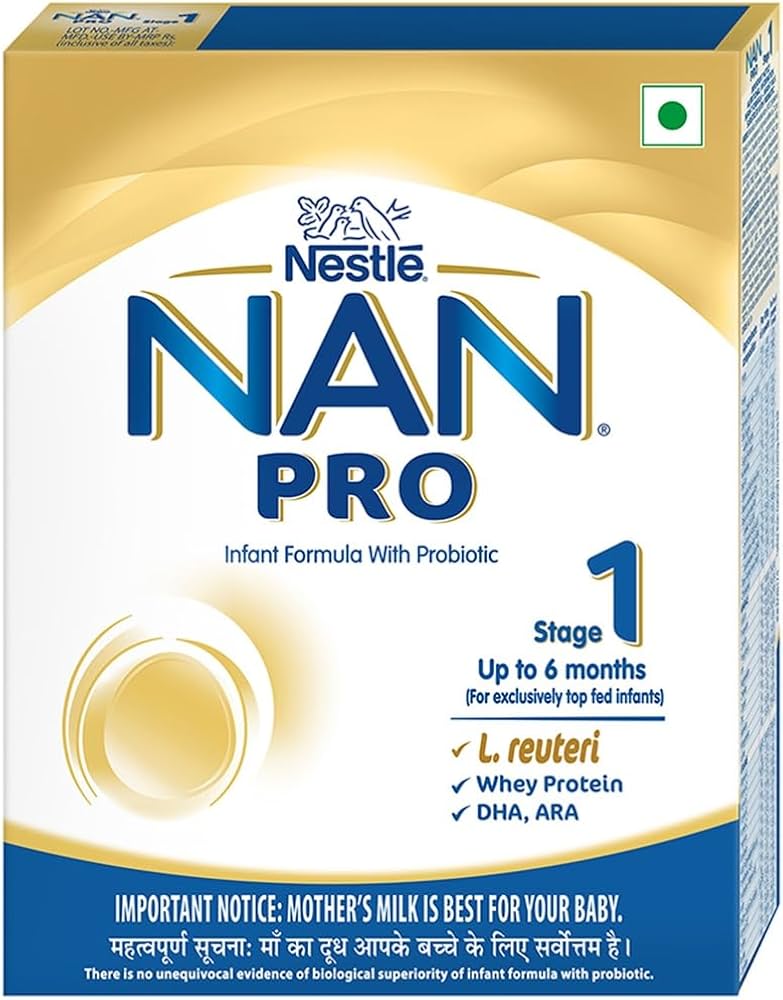
Nestle Nan Pro Stage 1 Infant Formula (800g Tin)
- ✓ DHA ~15 mg per 100 kcal
- ✓ ARA included
- ✓ Partially hydrolysed guar gum prebiotics
* We earn a small commission — at no extra cost to you.
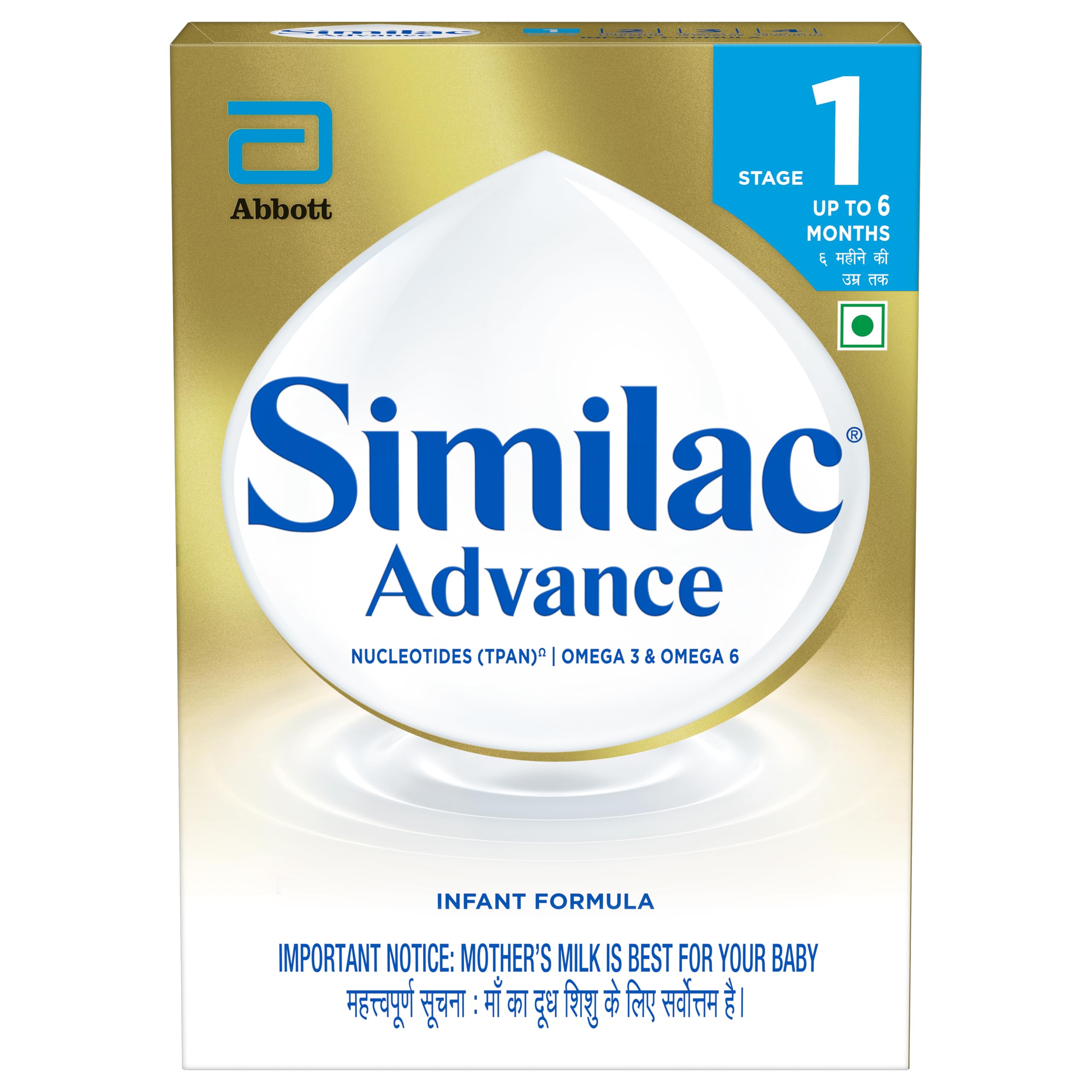
Abbott Similac Advance Infant Formula Stage 1 (850g Tin)
- ✓ DHA 17 mg per 100 kcal
- ✓ ARA included
- ✓ IntelliPro prebiotic blend
* We earn a small commission — at no extra cost to you.
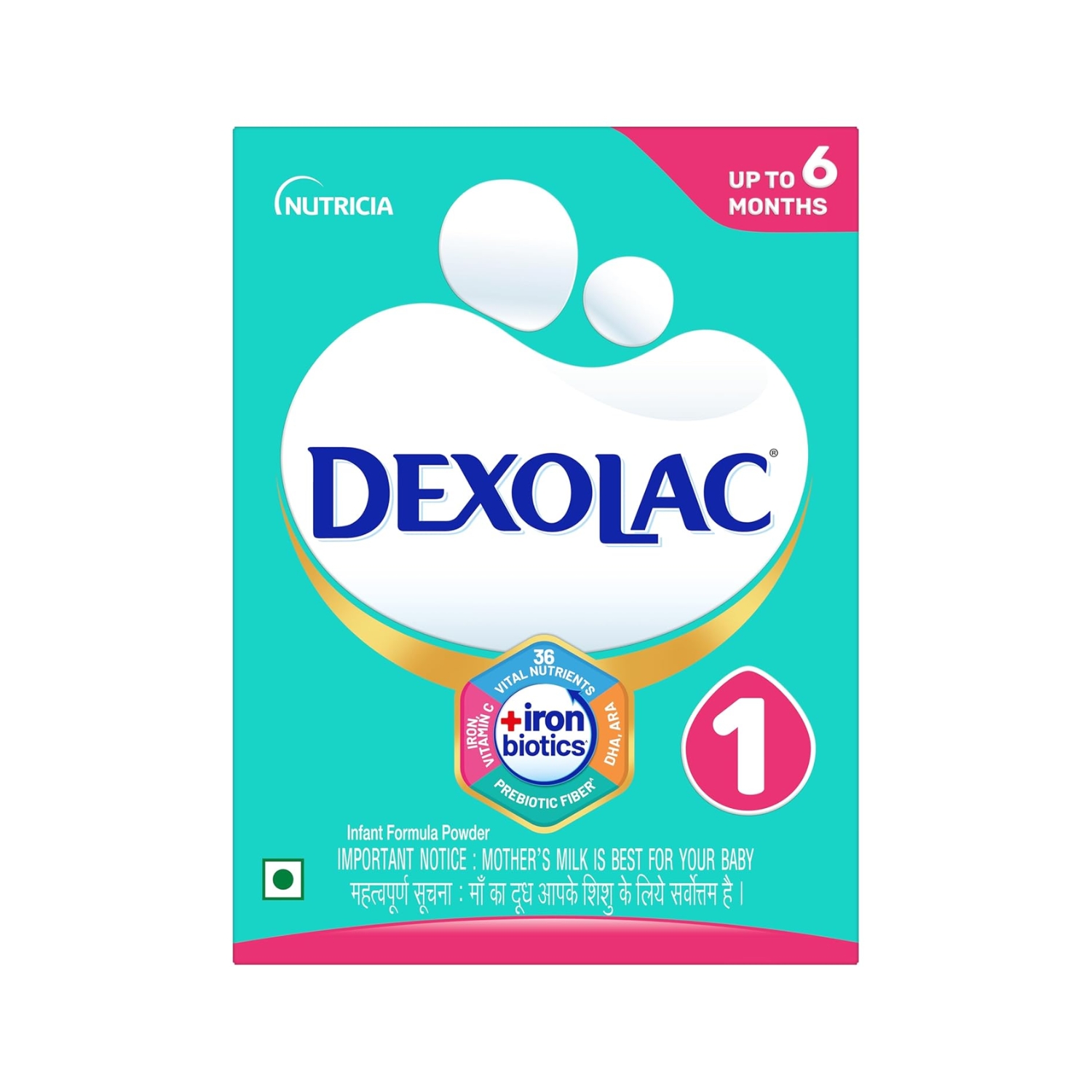
Dexolac Advanced Infant Formula (500g Tin)
- ✓ DHA (amount not publicly disclosed)
- ✓ Casein-dominant protein
- ✓ Prebiotic content (limited detail)
* We earn a small commission — at no extra cost to you.