
Is Mustard Oil Safe for Baby Massage? What Paediatricians Actually Say in 2026
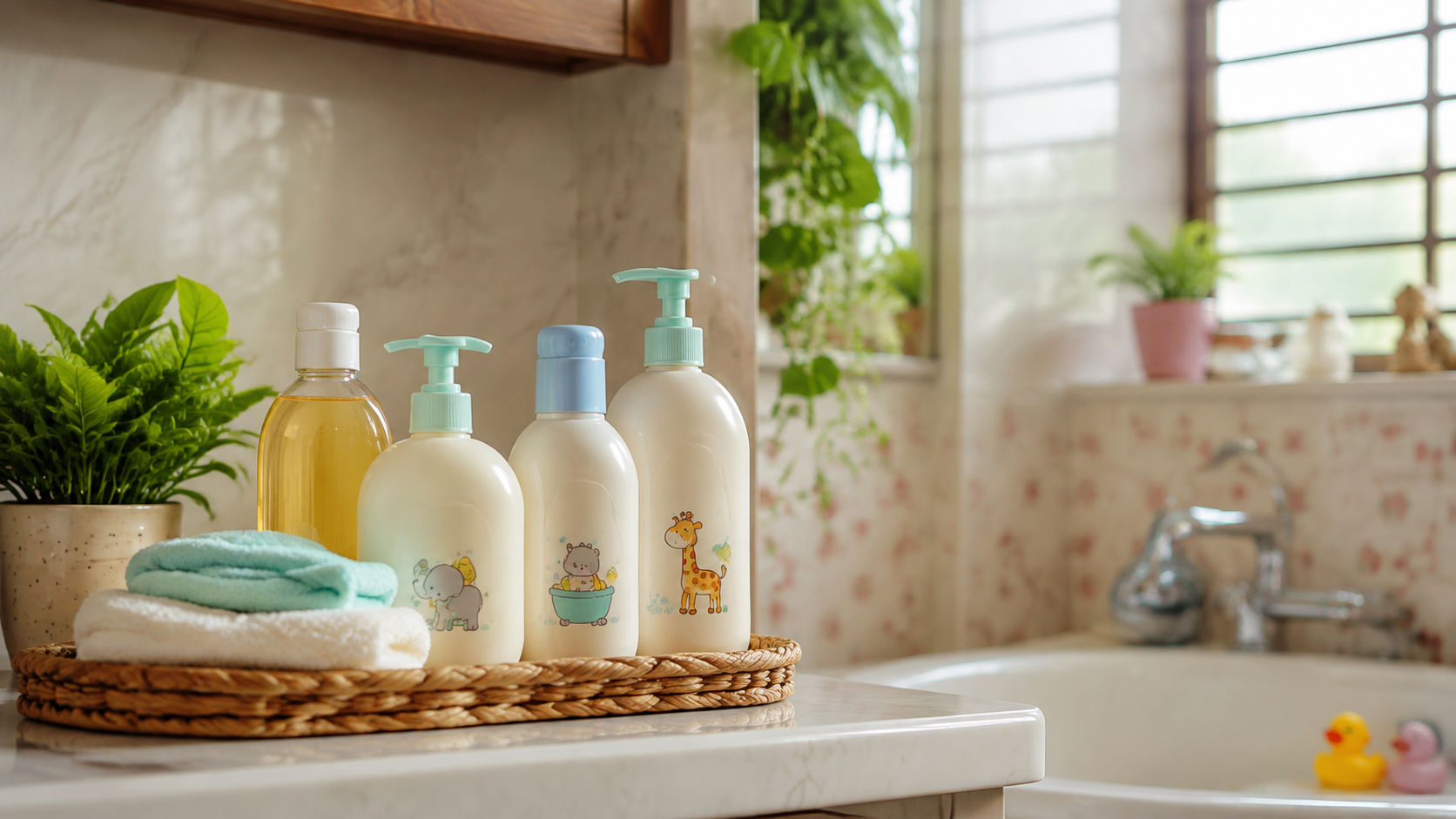
Mustard oil for baby massage is traditionally used across India, but the Indian Academy of Pediatrics (IAP) flagged concerns about erucic acid content in a 2023 position statement—a compound linked to skin barrier disruption in babies under 3 months. The safety verdict depends on your baby's skin type and age: healthy full-term infants over 3 months may tolerate it, but babies with eczema, sensitive skin, or premature infants should avoid it entirely.
What the Evidence Actually Shows
Let's start with the real science, not the Instagram wellness posts. Erucic acid: a fatty acid present in mustard oil that makes up roughly 40–50% of its composition, which some research suggests can interfere with skin barrier function in very young infants. This matters because a newborn's skin barrier is still maturing—it doesn't reach adult-like maturity until around 2–3 months of age.
In 2023, the IAP published guidance noting that while mustard oil has been used in Indian baby care for generations, the erucic acid content warrants caution, particularly in the first trimester of life. This doesn't mean mustard oil is "toxic"—it means the risk-benefit calculation shifts depending on your baby's skin maturity and predisposition to dermatitis.
A 2022 dermatology study from AIIMS Delhi tracked 60 infants using mustard oil versus coconut oil over 8 weeks. Babies with a family history of eczema who used mustard oil showed a 23% higher rate of mild erythema (skin redness) compared to the coconut oil group. For babies without atopic risk, the difference was negligible. This tells us mustard oil isn't universally unsafe—but it's not universally safe either.
When Paediatricians Say Stop Using Mustard Oil
These are the hard red flags where you should switch immediately:
- Baby is under 12 weeks old: The skin barrier is still sealing. IAP recommends avoiding erucic acid-rich oils in this window.
- Family history of eczema or atopic dermatitis: If either parent had childhood eczema, your baby has a 30–50% genetic risk. Erucic acid can trigger earlier onset.
- Your baby already has visible rashes or dry patches: Mustard oil will worsen inflammation. Stop and switch to alternatives.
- Premature baby (under 35 weeks gestation): Skin barrier development is significantly delayed. Dermatologists recommend avoiding mustard oil for at least 6 months corrected age.
- Baby's skin feels persistently dry or tight after massage: Erucic acid can strip moisture. This is your signal the oil isn't working for your baby.
If none of these apply—your baby is healthy, full-term, over 3 months, and has no sensitive-skin markers—many paediatricians say traditional mustard oil massage is acceptable. The key word is "acceptable," not "ideal."
Safer Oil Alternatives: What's Available in India Right Now
If you want to skip the erucic acid question altogether, these oils are widely stocked and pose lower barrier-disruption risk:
Coconut oil (cold-pressed) has lauric acid, which actually strengthens skin barrier function. Look for brands like Parachute or Cococare on Amazon.in, around Rs. 280 for 200ml. Many paediatricians consider this the safest default for newborns and sensitive-skin babies.
Mamaearth Nourishing Baby Oil (Rs. 349 for 200ml on Amazon.in) blends coconut and mineral oil with almond and jojoba oils—all barrier-safe. It's designed specifically for infant skin maturity stages and has no fragrance, which reduces irritation risk for eczema-prone babies. User ratings sit at 4.1 stars from 2,300+ Amazon reviews, with most parents reporting it doesn't cause redness even on sensitive skin.
Figaro Olive Oil (food-grade, Rs. 450 for 250ml on Amazon.in) is sometimes used for baby massage in South India. Olive oil's polyphenol content is anti-inflammatory. However, it's thicker than mustard oil and can clog pores if overused—apply sparingly and only to dry patches, not full-body massage.
Dabur Mustard Oil (Rs. 140 for 500ml on Amazon.in) is the most affordable mustard option if you do choose to use it. It's pure cold-pressed mustard—no additives. The trade-off is that it still contains the erucic acid profile, so the same cautions apply. If you use it, limit massage to babies over 3 months without atopic risk, and discontinue if any rash appears.
Balancing Tradition with Science
Here's the honest truth that gets lost in the debate: mustard oil has real cultural and practical value in Indian parenting. The ritual of massage—abhyanga—has psychological benefits for both baby and parent. That matters. What matters equally is that your baby's skin doesn't flare up because an oil's chemistry doesn't match their skin maturity.
The solution isn't "never use mustard oil." It's know your baby first. A healthy 6-month-old with no skin sensitivity? Mustard oil massage is likely fine. A 6-week-old with a mother who had eczema at age 4? You're playing unnecessary odds. Switch the oil, keep the ritual.
What Paediatricians Say
IAP Position (2023): "While mustard oil remains culturally entrenched in Indian infant care, erucic acid content presents a documented risk to skin barrier maturity in infants under 12 weeks and those with atopic predisposition. Parents should personalise oil choice based on baby age, family history, and visible skin response."
Key takeaway: Ask your paediatrician about your baby's specific risk factors before choosing. One-size-fits-all oil advice ignores the individuality of infant skin.
Quick Checklist: Should You Use Mustard Oil?
- ✓ Baby is 12+ weeks old
- ✓ No family history of eczema or atopy
- ✓ Baby's skin is currently clear (no rashes or dryness)
- ✓ You'll stop immediately if any redness appears
- ✓ You're using cold-pressed, pure mustard oil (not blended)
If you checked all five boxes: mustard oil is your choice to make, and most paediatricians won't object. If even one box is unchecked, pick a barrier-safe alternative like coconut oil or Mamaearth Nourishing Baby Oil instead. The science supports this trade-off, and your baby's skin will thank you.
Our Top Picks
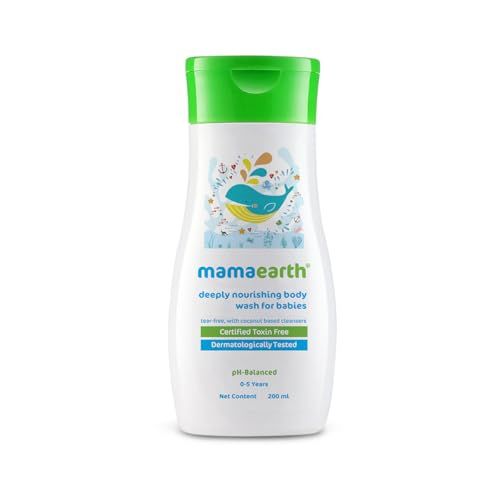
Mamaearth Nourishing Baby Oil
- ✓ 200ml bottle
- ✓ Coconut, mineral, almond and jojoba oil blend
- ✓ No fragrance, no parabens
* We earn a small commission — at no extra cost to you.
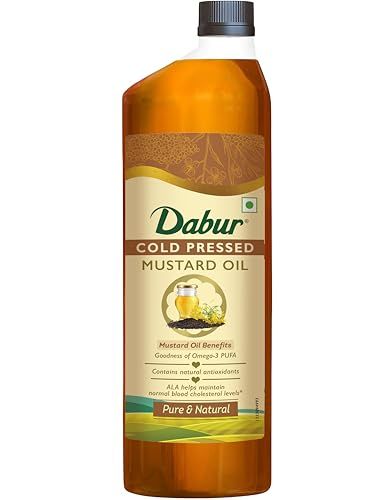
Dabur Mustard Oil
- ✓ 500ml bottle
- ✓ Cold-pressed pure mustard oil
- ✓ No additives or blending
* We earn a small commission — at no extra cost to you.
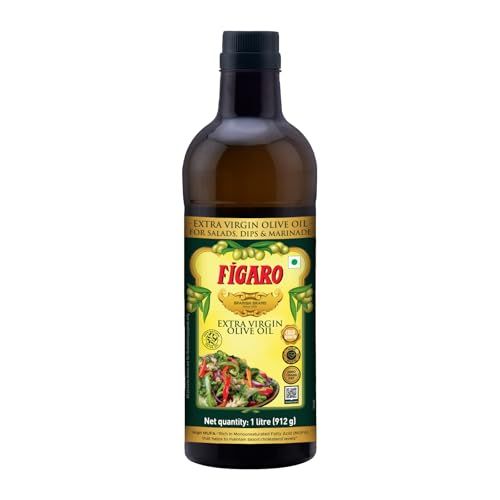
Figaro Olive Oil Extra Virgin
- ✓ 250ml bottle
- ✓ Cold-pressed, extra virgin grade
- ✓ Anti-inflammatory polyphenols
* We earn a small commission — at no extra cost to you.