
Mosquito Repellent Safety for Babies: DEET Limits, Poisoning Signs & Safer Alternatives (2026)

Most mosquito repellents are unsafe for babies under 2 months. For older babies, the Indian Academy of Pediatrics (IAP) recommends maximum 10% DEET concentration only from 2 months onwards. However, safer alternatives like permethrin-treated nets, fine-mesh screens, and citronella-based sprays avoid chemical exposure entirely.
Last month, a pediatrician friend mentioned how often parents apply adult-strength Odomos or Goodknight to their babies' skin without realizing the DEET concentration. A single jar of adult repellent can mean 20-25% DEET — three times the safe limit for infants. This wasn't carelessness; it was confusion about what "safe" actually means. If this is you, jaan, you're not alone. Let's clarify what the data actually shows.
Many parents across Tier 1 and Tier 2 cities rely on mosquito repellents during monsoon season, but mosquito repellent poisoning in babies is real and preventable. This guide covers IAP safety thresholds, how to spot poisoning symptoms, and genuine alternatives that don't require chemicals touching your baby's skin.
What the Evidence Actually Shows
The Indian Academy of Pediatrics (IAP) is clear: DEET (diethyltoluamide) — the most common synthetic repellent ingredient — requires strict age and concentration limits. For children aged 2-12 months, the maximum safe DEET concentration is 10%. Below 2 months, no DEET products should be used at all. WHO and CDC guidelines align with this, though WHO slightly extends the 10% window to children up to 12 years.
Why the caution? DEET is absorbed through the skin and can accumulate in the bloodstream, especially in infants whose skin barrier is still developing. Repeated application (say, daily during monsoon) compounds this risk.
Check your current repellent label right now: Look for DEET percentage. If it says 20%, 25%, or simply doesn't list DEET content, that's a red flag for babies under 2 years. Brands like Odomos Max, Good Knight, and most adult-range sprays fall into this unsafe category for infants. Many parents don't realize these are sold in India without age restrictions on the label — regulatory clarity is weak here.
Poisoning symptoms to recognize: Skin irritation, redness, or rash (most common). In severe cases: muscle tremors, seizures, altered consciousness, or difficulty breathing. Seizures from DEET toxicity in babies have been documented, though rare. If your baby shows any of these after repellent application, wash the area immediately and seek pediatric care — don't wait.
First-aid steps if ingestion or overdose is suspected: (1) Stop application immediately. (2) Wash the skin thoroughly with mild soap and water. (3) Do not induce vomiting if swallowed. (4) Call your pediatrician or Poison Control (toll-free: 1800-116-222 in India) within minutes. Have the product label handy so they know the exact concentration.
Storage safety in joint families: In Indian homes with grandparents or multiple caregivers, repellent bottles often sit on open shelves. A curious toddler grabbing an adult repellent spray is a real risk. Store all mosquito repellents in a locked cabinet, clearly labeled, away from baby care products. Communicate with all caregivers which products are approved for the baby — many accidental poisonings happen because Dadi applied the "family" repellent without checking concentration.
Safer Alternatives That Actually Work
Permethrin-treated mosquito nets are the gold standard and have zero absorption risk. Permethrin is an insecticide that kills mosquitoes on contact with the net fibers — your baby never touches it. A good net costs Rs. 400–800 on Amazon.in and lasts 2–3 years. For newborns and babies under 2 months, this is non-negotiable.
Physical barriers: Ensure windows have fine-mesh screens (not large-hole net panels). Keep doors closed during dusk and early morning when mosquitoes are most active. Fans also deter mosquitoes — they struggle to fly in air movement.
Citronella and neem-based sprays are lower-risk options if you must use a spray. Mamaearth Baby Mosquito Repellent (Rs. 299–349 on Amazon.in) uses citronella, lemongrass, and cedarwood — no DEET, no synthetic chemicals. However, even natural sprays can cause mild skin irritation in sensitive babies. Always patch-test on a small arm area 2 hours before full application. Citronella-based products are considered safer than DEET but are not as effective in high dengue-risk zones; they work best in combination with nets.
Neem oil dilution: Some traditional Indian households use diluted neem oil (1 part neem to 10 parts coconut oil) applied to exposed skin. Neem has mild mosquito-repellent properties, though clinical efficacy is modest. It's not a standalone solution but adds a layer of protection and has been used for generations with minimal toxicity reports.
Room sprays and coils: If using household mosquito coils or room sprays (like Good Knight liquid vapor), ensure they're used in a separate room, not where your baby sleeps. These emit smoke/vapor that can irritate infant lungs even if not directly applied to skin. Ventilate well and keep the baby out for at least 30 minutes after spraying.
| Repellent Type | Safe for Babies Under 2 Months? | Safe for 2–12 Months? | DEET Concentration Limit | Cost (approx.) |
|---|---|---|---|---|
| Permethrin-treated nets | ✅ Yes | ✅ Yes | N/A (external) | Rs. 400–800 |
| Citronella spray (Mamaearth) | ❌ Not ideal | ✅ With patch test | 0% DEET | Rs. 299–349 |
| DEET 10% spray | ❌ No | ✅ Max 10% | 10% (maximum) | Rs. 150–250 |
| Adult DEET sprays (Odomos, Good Knight) | ❌ No | ❌ No | 20–25% (unsafe) | Rs. 100–200 |
| Neem oil (diluted 1:10) | ⚠️ Cautious | ✅ With patch test | 0% DEET | Rs. 50–100 |
What Paediatricians Say
IAP guidelines emphasize layered protection over reliance on chemical repellents. The recommendation is: (1) nets and screens first, (2) clothing (long sleeves in high-risk areas), (3) DEET-based repellent only if the baby is 2+ months old and the DEET is maximum 10%. A 2024 IAP update notes that dengue cases in Indian infants have increased, making this guidance even more critical during monsoon months.
- DEET at 10% concentration is safe for repeated use on children 2–12 months, but always wash it off daily.
- Never apply repellent to a baby's hands, mouth, or any area they can suck. Apply to exposed arm and leg skin only, and wash off before feeding or sleeping.
Our Top Picks
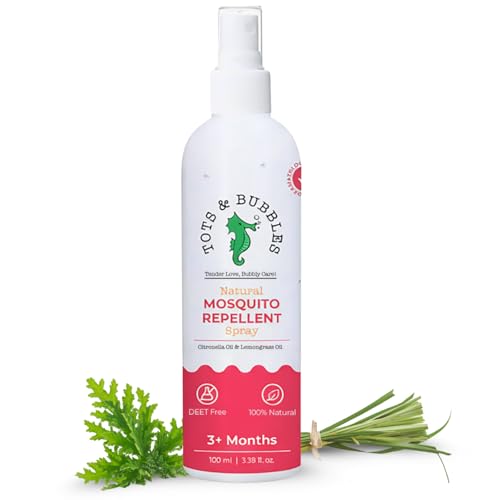
Mamaearth Baby Mosquito Repellent Spray (100ml)
- ✓ Citronella, lemongrass & cedarwood extract
- ✓ 0% DEET, no synthetic chemicals
- ✓ Suitable from 2+ months with patch test
* We earn a small commission — at no extra cost to you.
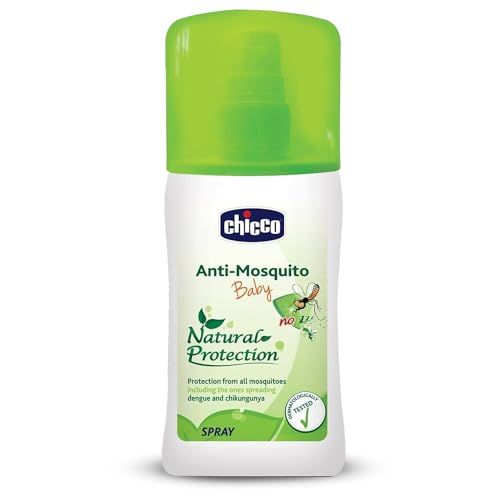
Chicco Anti-Mosquito Spray 100ml
- ✓ Natural ingredients (citronella & lemongrass)
- ✓ No DEET, dermatologically tested
- ✓ Travel-friendly 100ml size
* We earn a small commission — at no extra cost to you.
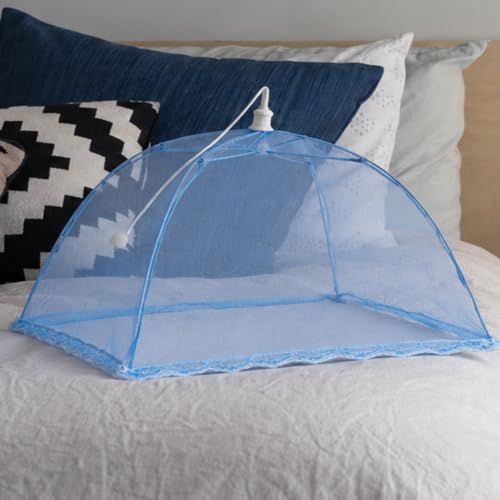
Permethrin-Treated Baby Mosquito Net with Stand (120cm x 60cm)
- ✓ Permethrin-treated fine mesh (no DEET contact)
- ✓ Fits standard cribs & bassinets
- ✓ Lasts 2–3 years with proper care
* We earn a small commission — at no extra cost to you.