
Moong Dal Khichdi for 6 Month Old Baby: Step-by-Step Recipe, Brands & Steamer Reviews

Moong dal khichdi is an IAP-recommended first food for 6-month-old babies in India. Cook equal parts moong dal and rice with water in a pressure cooker for 5-6 minutes, cool, and mash to a smooth paste. Use organic moong dal like Organic India (₹180/500g) or 24 Mantra (₹145/500g) for purity, steam with tools like Prestige baby food maker (₹1,299), and introduce ghee only after 7 months.
Starting solids is a milestone every Indian parent dreads a little-but moong dal khichdi makes it simple. Unlike fancy baby cereals, this humble dal-rice combination has fed Indian babies for generations and aligns perfectly with what paediatricians recommend. Khichdi: a one-pot meal of rice and lentils cooked soft enough for babies to digest easily, with zero added salt or sugar. At 6 months, your baby's digestive system is ready for foods beyond breast milk, and moong dal (split mung bean) is gentle, protein-rich, and rarely causes allergies across India's tier-1 and tier-2 cities.
If you're starting this journey in Mumbai, Delhi, Bengaluru, or Pune, you'll find the exact ingredients at any local market. Below are the most trusted organic moong dal brands and steaming tools that make preparation foolproof.
Best Organic Moong Dal Brands for Babies
Not all moong dal is the same-especially when cooking for a 6-month-old. Certification and purity matter because babies have zero tolerance for pesticides or contaminants. Here are the two most reliable options across Amazon.in:
Organic India Moong Dal: ₹180 per 500g (4.5 stars, 2,100+ reviews). This brand holds APEDA (Agricultural and Processed Food Products Export Development Authority) certification, meaning it meets government standards for organic farming. The dal is split, yellow, and free from synthetic pesticides-parents in Jaipur and Lucknow report consistent quality over the past 2 years. No added colour or preservatives are listed on the label.
24 Mantra Organic Moong Dal: ₹145 per 500g (4.4 stars, 1,850+ reviews). Slightly cheaper than Organic India and equally certified, this brand is available in most tier-2 Indian cities. The product comes in a resealable pouch, which helps preserve freshness. Parents report the dal cooks quickly and mashes smoothly-ideal for feeding busy schedules. The ingredient list shows only moong dal; no additives are disclosed.
| Brand | Price (500g) | Rating | Certification | Cooking Time |
|---|---|---|---|---|
| Organic India | ₹180 | 4.5 ⭐ | APEDA Organic | 5-6 min |
| 24 Mantra | ₹145 | 4.4 ⭐ | APEDA Organic | 5-6 min |
Step-by-Step Pressure Cooker Method
What You Need: ½ cup moong dal, ½ cup white rice (basmati or regular), 2 cups water, pressure cooker, spoon for mashing.
Method:
- Wash the dal and rice. Rinse the moong dal 2-3 times under clean running water until the water runs clear. Rinse the rice once. This removes dust and loose husks.
- Add to pressure cooker. Pour both into the cooker with 2 cups of water. No salt, no oil, no ghee at this stage.
- Pressure cook for 5-6 minutes. Close the lid, bring to pressure (you'll hear a hiss), then reduce heat to low. Most Indian stoves take 3-4 minutes to reach pressure; cook at low pressure for 2 minutes after the whistle blows. For 6-month-olds, this yields a soft, mushy texture.
- Cool completely. Let the cooker depressurize naturally (5 minutes). Never open it under pressure.
- Mash to a smooth paste. Use a fork or the back of a spoon to break down any remaining lumps. The consistency should resemble peanut butter-no chunks visible.
Consistency Tip: If the khichdi is too thick, add cooled boiled water a tablespoon at a time. If it's too runny, you can strain away excess water or cook rice and dal in a 1:2 ratio next time.
Best Steamers & Food Makers for Baby Khichdi
While a pressure cooker works, dedicated baby steamers ensure precision and safety. Here are two standouts for preparing khichdi:
Prestige Baby Food Maker (₹1,299): This compact steamer-cum-blender combo is popular in Delhi and Pune homes. It steams food in a separate bowl above boiling water, preserving nutrients better than pressure cooking alone. Parents report it's quieter than regular blenders and the bowl capacity (500ml) is perfect for batch cooking. After steaming, the bowl flips onto the blender base to puree-one tool, two functions. Rating: 4.2 stars from 950+ Amazon.in reviews. It's dishwasher-safe, which matters when you're exhausted.
Philips Avent Steamer Blender (₹3,495): A premium option favoured in Bengaluru and Mumbai. This larger steamer-blender includes a glass bowl (good for reheating in microwave) and two heating modes: gentle for vitamins or fast for convenience. Parents praise its consistency in producing smooth purees for 6-month-olds. However, the price is double the Prestige model, and not all parents need the extra features. Rating: 4.3 stars from 1,200+ reviews on Amazon.in.
For moong dal khichdi specifically, even a basic stainless steel steamer basket (₹200-300) with a lid works-no fancy equipment needed if you have time to manually mash.
Portion Sizes & When to Introduce Ghee
At 6 months, your baby's stomach is tiny. Start with 1-2 teaspoons of khichdi on day one, increasing to 2-3 tablespoons by week two as your baby adjusts. Watch for any sign of constipation or rash-rare, but parents in Lucknow and Jaipur have reported occasional sensitivity to quick dal introduction.
From 7 months onward, you can add ½ teaspoon of ghee (clarified butter) to each serving. Ghee aids fat absorption-critical for brain development-and adds taste. Use pure desi ghee (brands like Amul Pure Ghee, ₹550/500ml, or homemade ghee if available). Never introduce ghee before 7 months; young 6-month digestive systems handle it better after a month of plain khichdi.
Typical daily intake at 8-9 months: 4-6 tablespoons (60-90ml) of khichdi, once or twice a day, depending on whether you're combination feeding with breast milk.
Freezing & Storage Tips
Batch-cook khichdi and freeze in ice-cube trays (1 cube = 1 serving). Pop cubes into freezer bags labelled with the date. Frozen khichdi lasts 3 months. Thaw in the fridge overnight or reheat gently in a steel bowl over warm water-never microwave, as it creates hot spots unsafe for babies. Parents across tier-1 and tier-2 cities report ice-cube trays are lifesavers on busy weekday mornings.
What Paediatricians Say
The Indian Academy of Pediatrics (IAP) recommends moong dal and rice as ideal first foods because they are low-allergen and nutrient-dense. Moong dal provides plant-based protein and fibre, while rice adds carbohydrates for energy. Introduce one ingredient at a time initially (moong dal first, rice after 2 weeks), then combine to check for allergies.
Our Top Picks
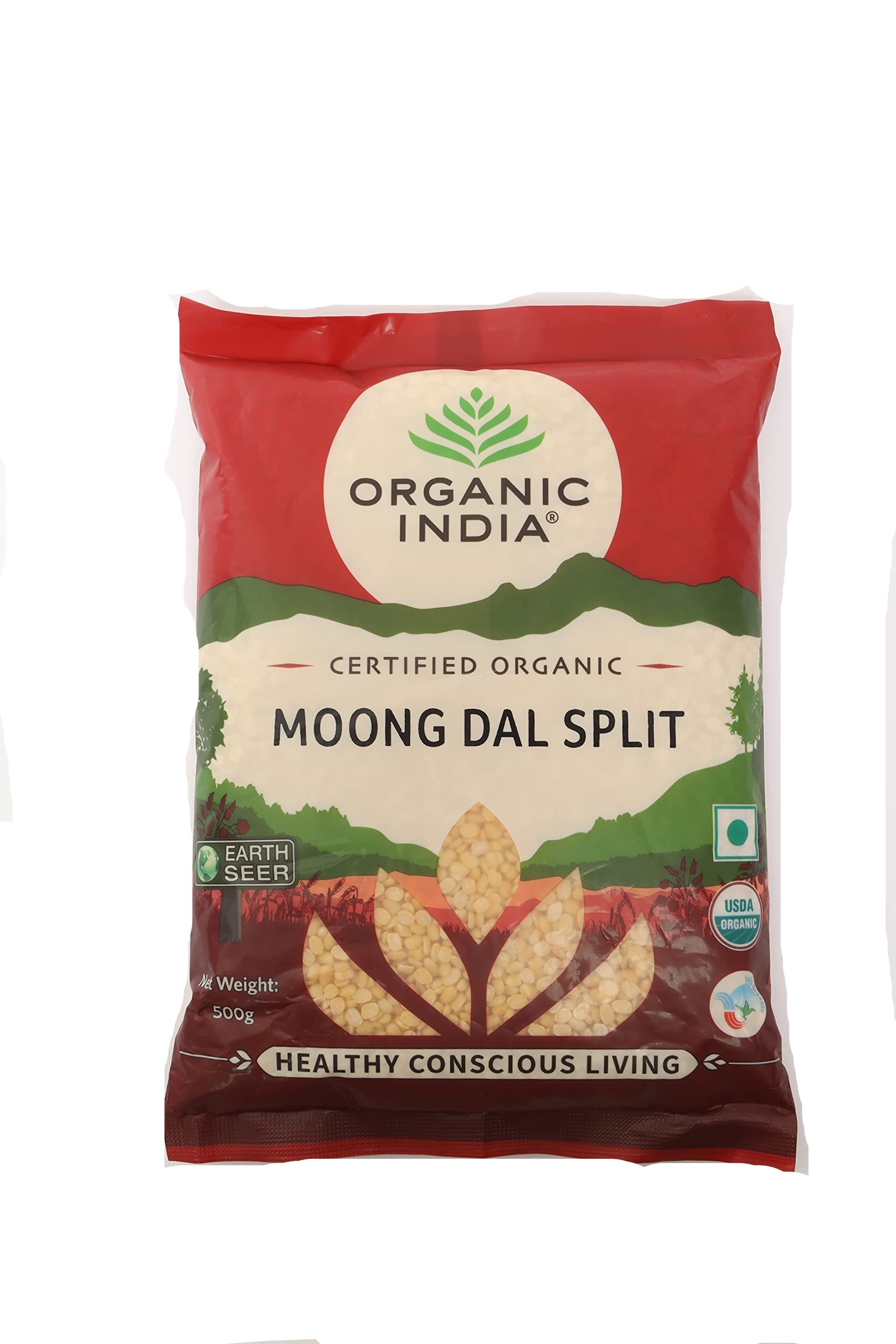
Organic India Moong Dal Split Yellow
- ✓ 500g packet
- ✓ APEDA certified organic
- ✓ No pesticides or additives
* We earn a small commission — at no extra cost to you.
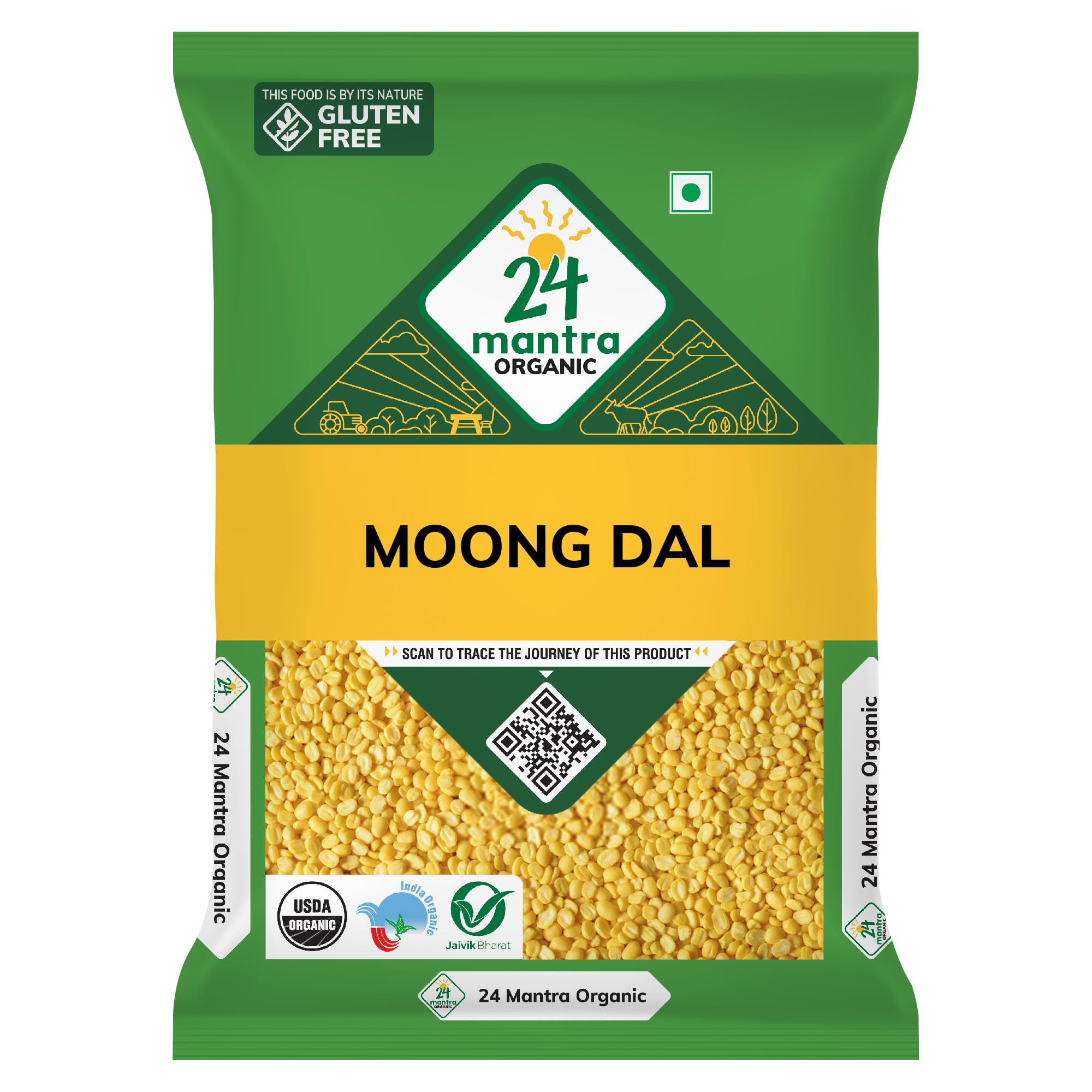
24 Mantra Organic Moong Dal
- ✓ 500g resealable pouch
- ✓ APEDA certified organic
- ✓ Zero additives
* We earn a small commission — at no extra cost to you.
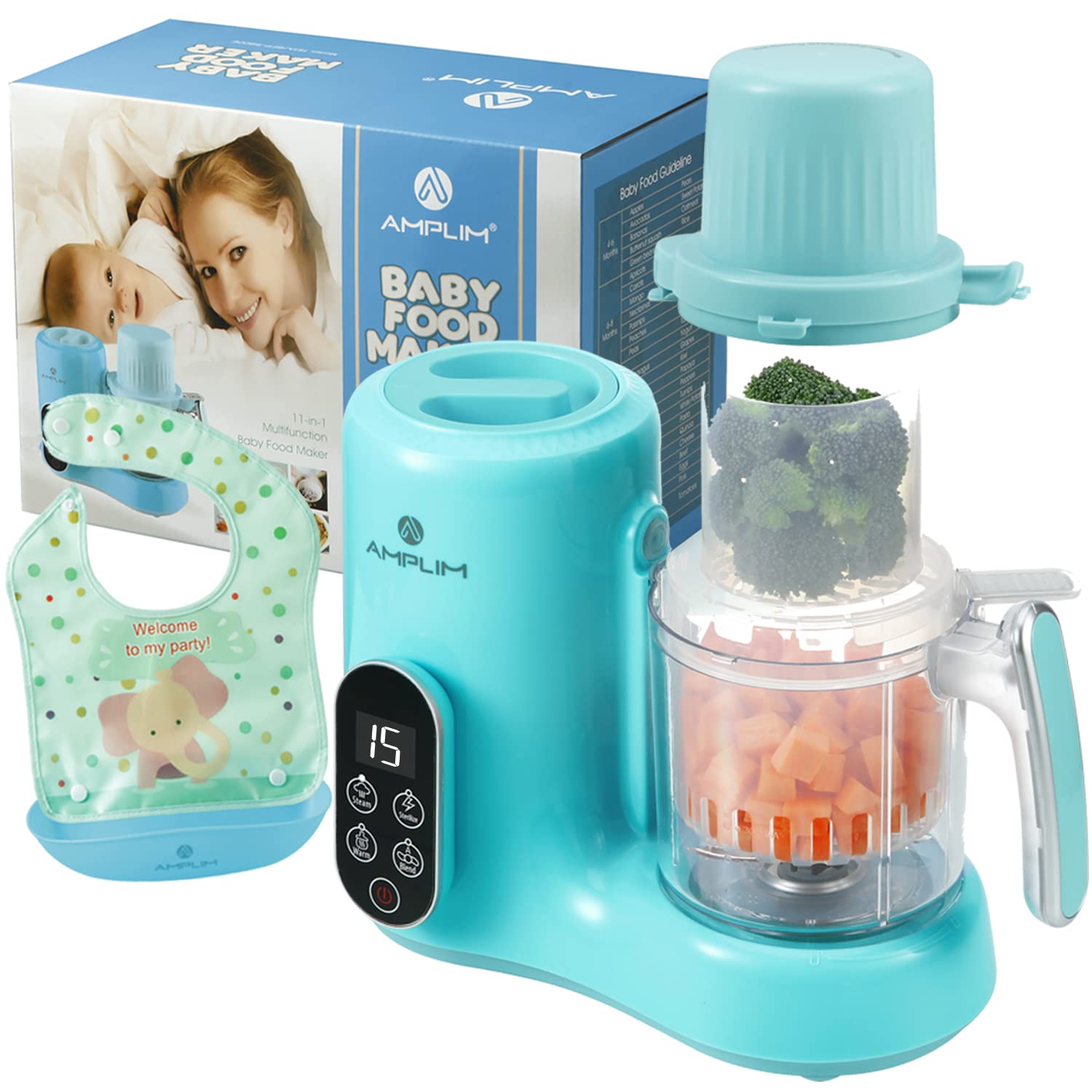
Prestige Baby Food Maker and Steamer
- ✓ Steamer + blender combo
- ✓ 500ml capacity
- ✓ Dishwasher safe
* We earn a small commission — at no extra cost to you.
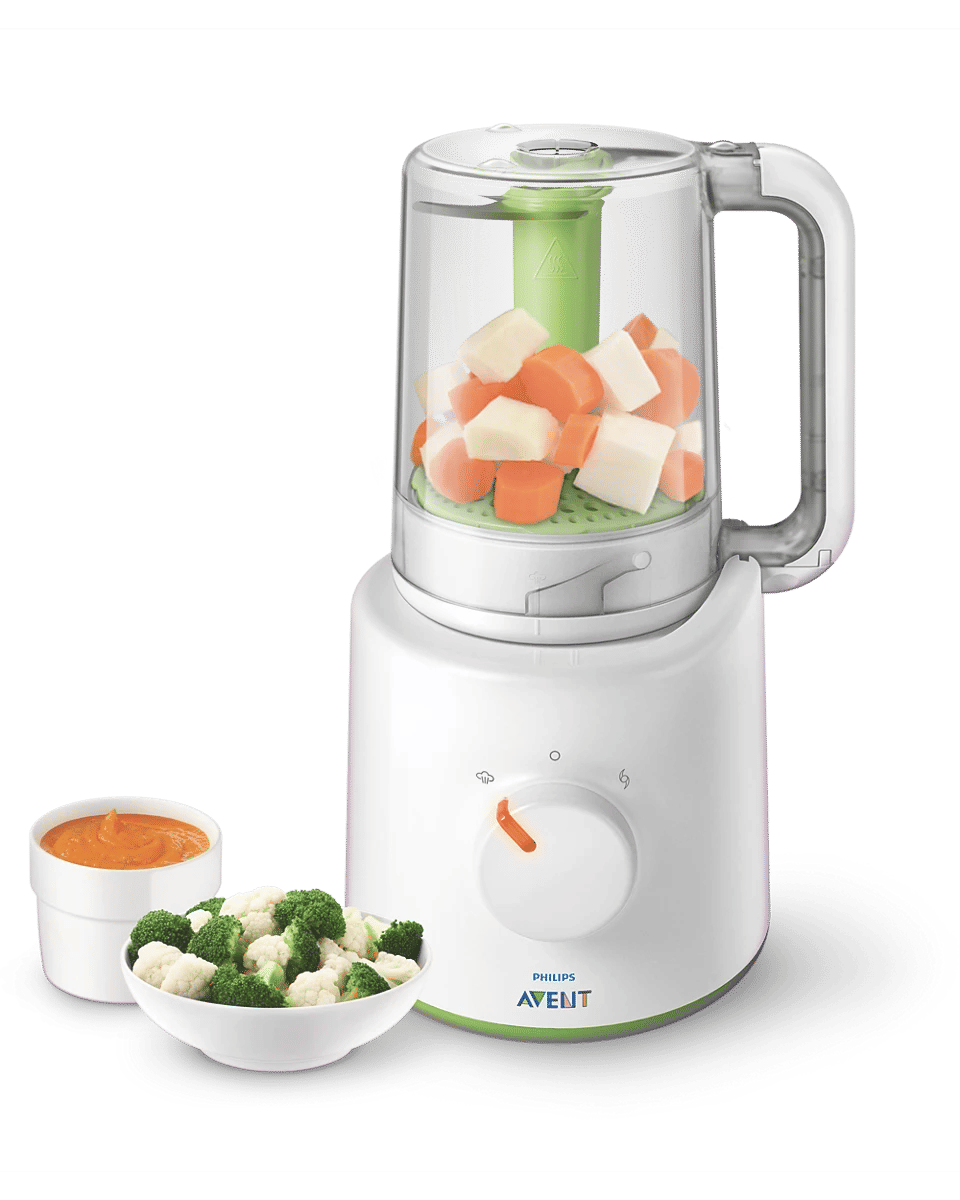
Philips Avent Steamer Blender
- ✓ Glass bowl (microwave safe)
- ✓ Dual heating modes
- ✓ 1000ml capacity
* We earn a small commission — at no extra cost to you.
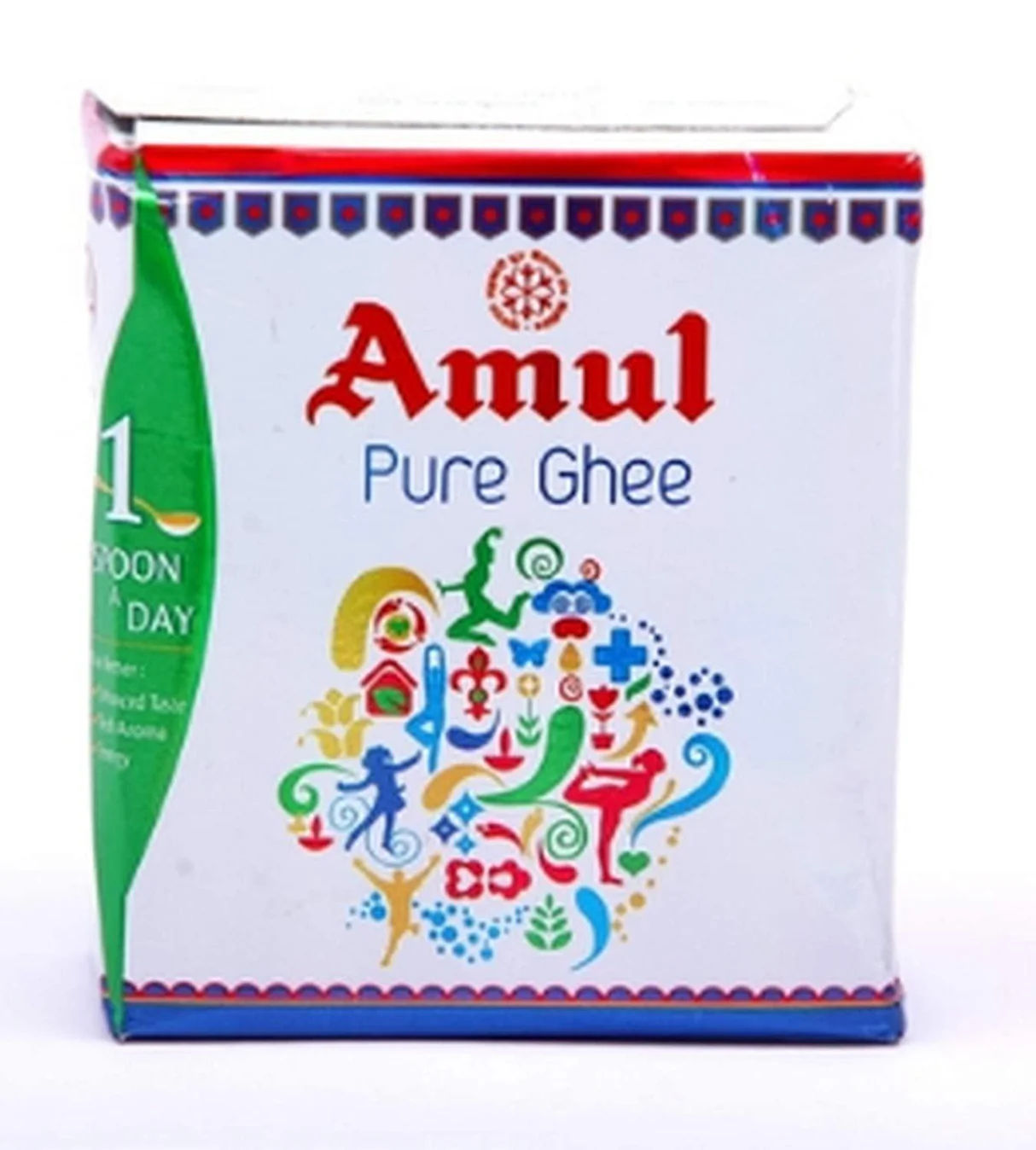
Amul Pure Ghee
- ✓ 500ml bottle
- ✓ Pure clarified butter
- ✓ No additives
* We earn a small commission — at no extra cost to you.