
Does Moong Dal Cause Phlegm in Babies? What IAP Guidelines Actually Say in 2026
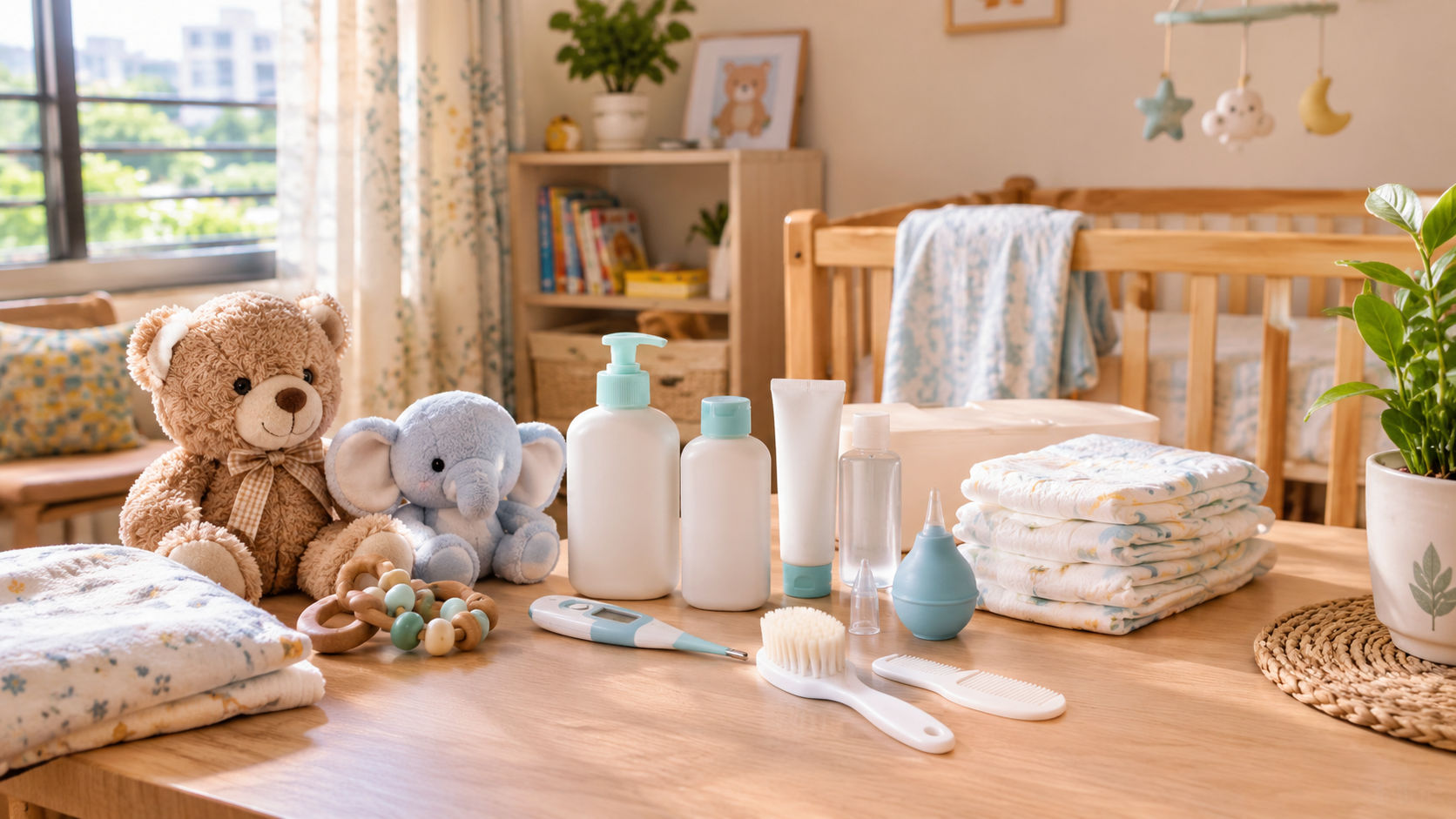
No, moong dal does not inherently cause phlegm in babies. IAP (Indian Academy of Pediatrics) includes mung-based porridges in infant feeding guidelines from 6 months onwards. Any respiratory symptoms after introducing moong dal are usually unrelated to the dal itself and warrant a doctor's evaluation for infections or allergies.
If your mother-in-law warns that moong dal will clog your baby's throat with kapha (phlegm), you're not alone—this belief runs deep in Indian parenting culture. But before you skip this highly digestible, iron-rich dal entirely, here's what the evidence actually shows: the traditional kapha theory doesn't align with how pediatricians approach infant feeding in 2026.
Top organic moong dal brands trusted by Indian parents include Tata Sampann, 24 Mantra Organic, and Anand, all available on Amazon.in with transparent sourcing. We'll walk through the safety, portion guidelines, and real reasons to introduce moong dal thoughtfully—not fearfully.
What the Evidence Actually Shows
The kapha/phlegm concern stems from Ayurvedic classifications that divide foods by their heating or cooling properties. While this framework has merit in traditional medicine, it doesn't match how modern pediatricians assess protein digestibility and nutrient bioavailability in infants. Moong dal digestion: the process by which a baby's gut breaks down and absorbs protein and minerals from lentils, measured by how quickly the dal moves through the digestive tract and how much gas or distress it causes. Moong dal is one of the easiest lentils to digest precisely because it has a thin skin and lower fiber density compared to masoor or chana dal.
IAP feeding guidelines for 6–12 month babies recommend introducing well-cooked, mashed dals as primary protein sources. Moong dal appears consistently in sample meal plans because it rarely triggers allergic reactions and is gentler on developing digestion than heavier dals. The absence of phlegm-related warnings in these guidelines reflects clinical experience across thousands of Indian infants.
Why does phlegm concern persist? Often, a baby develops a cough or mild congestion days or weeks after dal introduction, and the timing creates a false link. Respiratory infections are far more common in the 6–12 month window—this is when immune systems are encountering new pathogens. A viral cough that coincides with trying a new food doesn't mean the food caused it. If your baby shows respiratory distress immediately after a dal feed (within minutes), that points to aspiration or a possible allergic reaction, which is rare but does require urgent attention.
Safe Introduction Protocol: Portions and Signs to Watch
Start moong dal at 6 months, after your baby has tolerated 2–3 single grains (rice, ragi, oats). Begin with 1–2 teaspoons of finely mashed, well-cooked moong dal porridge mixed into a familiar grain or as a thin khichdi. Increase to 2–3 teaspoons over 1–2 weeks, assuming no digestive upset. By 8–9 months, if tolerated well, portions can reach 4–5 teaspoons as part of a mixed meal.
Cook moong dal until completely soft—a pressure cooker on high for 4–5 minutes, or 25–30 minutes on stovetop. Organic varieties (Tata Sampann, 24 Mantra) are worth the premium only if your household prioritizes pesticide-free sourcing; regular moong dal from reputable grocers on Amazon.in meets food safety standards. Store cooked dal in the fridge for up to 24 hours, or freeze in ice-cube trays for portion control.
Red flags that warrant pausing dal (not quitting it):
- Explosive, foul-smelling stools within 2–4 hours (suggests incomplete digestion—cook longer next time).
- Vomiting or gagging immediately after a feed (possible aspiration or true allergy—see doctor).
- Rash or swelling around the mouth (allergic reaction, rare—consult pediatrician).
- Constipation lasting 3+ days (unrelated to dal usually, but reduce portion and increase water/fluids).
A mild cough, runny nose, or slight throat sounds hours or days after dal are not red flags and typically resolve on their own as the baby's immune system responds to everyday germs.
Moong Dal vs. Other Dals: Why Moong Comes First
Each dal has a different protein profile and fiber load. Moong dal has the lowest anti-nutrient content (compounds that can block mineral absorption) and the thinnest seed coat, making it gentler. Masoor dal is equally nutritious but slightly denser; toor dal is richer but sits heavier in the stomach. Chana dal is harder to digest for younger infants. None of these dals cause phlegm in the biomedical sense, but moong is the safest first introduction because it leaves the least room for digestive complaint—which can then be mistaken for kapha buildup.
Organic Moong Dal Brands: What Parents Choose
Tata Sampann Organic Moong Dal is widely stocked on Amazon.in (500g pack, typically Rs. 80–120). Label lists no additives, sourced from certified organic farms, and has a 4.6-star rating from over 8,000 Amazon reviews. Parents note its consistent cook time and fine powder consistency when blended. 24 Mantra Organic Moong Dal (500g, Rs. 90–130) is similarly trusted, with transparent farm-to-table sourcing and prominent IAP/nutritionist endorsements in marketing. Both brands publish ingredient lists clearly on their Amazon.in pages—check for single-ingredient dal with no added salt, color, or preservatives.
Budget-conscious parents also rely on regular moong from reputable loose-dal vendors at local markets or Amazon Fresh, which meet FSSAI food safety standards. Organic certification is reassuring but not essential for infant feeding if you rinse the dal thoroughly before cooking.
When to See a Doctor
Persistent cough, fever, or wheezing that lasts more than 3–5 days warrants a pediatrician visit—these are signs of infection or airway inflammation, not dal sensitivity. Vomiting immediately after feeds, refusal to swallow, or choking sounds demand urgent evaluation for aspiration or swallowing difficulty. Severe allergic reactions (facial swelling, persistent rash, difficulty breathing) are rare with moong dal but require emergency care. This is general information, not medical advice.
What IAP and WHO Guidance Says
IAP (Indian Academy of Pediatrics) includes mung dal porridge in complementary feeding guidelines from 6 months, emphasizing well-cooked, mashed preparations and gradual introduction to monitor tolerance. WHO recommends legume-based meals for infants 6 months and older as cost-effective, locally available protein sources that support iron and micronutrient intake in low-resource settings—a description that fits moong dal perfectly in the Indian context.
Frequently Asked Questions About Moong Dal and Babies
Can moong dal cause constipation in babies? Moong dal alone is unlikely to cause constipation; inadequate water intake or too-thick preparation can. If your baby becomes constipated after starting dal, ensure porridge is thin (not a stiff paste), increase water or breastfeeds, and add cooked pumpkin or spinach at the next meal.
How do I know if my baby is allergic to moong dal? True moong dal allergy is extremely rare. Allergic signs appear within minutes to 2 hours: vomiting, facial swelling, or rash. Delayed reactions (rash 6–24 hours later) are less common but possible. If you suspect allergy, stop dal, inform your pediatrician, and do not reintroduce without guidance.
Is split yellow moong (mung beans) different from whole moong dal for babies? Split yellow moong cooks faster and is easier to digest; whole moong has more fiber. Both are safe at 6+ months, but split moong is preferable for first introductions because it requires less cooking time and less active digestion.
What's the best way to store cooked moong dal for baby meals? Refrigerate in an airtight container up to 24 hours, or freeze in ice-cube trays (2–3 teaspoon portions) for up to 3 months. Thaw at room temperature or gently warm on the stove before serving. Discard any portion left at room temperature for more than 2 hours.
Can I mix moong dal with rice to reduce phlegm concerns? Yes—khichdi (moong dal + rice in a 1:3 or 1:4 ratio) is a traditional, balanced meal that parents have fed for generations. The rice doesn't reduce kapha, but it does make portions feel less heavy and is easier to digest, which may ease parental anxiety.
Is organic moong dal worth the extra cost for babies? Organic certification reduces pesticide residue but is not strictly necessary if you source from reputable brands (Tata, MDH, Everest) and rinse thoroughly. The nutritional content is identical. Budget moong dal from trusted grocers is safe; organic is a choice based on household values, not health necessity for your baby.
Our Top Picks
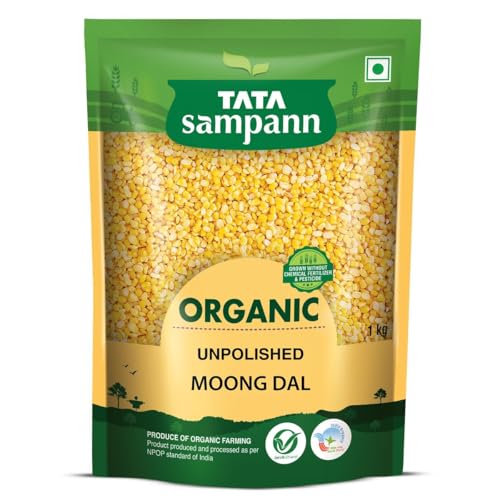
Tata Sampann Organic Moong Dal
- ✓ 500g pack, certified organic, no additives
- ✓ Single-ingredient moong dal, FSSAI approved
- ✓ Consistent cook time, suitable for infant porridge
* We earn a small commission — at no extra cost to you.
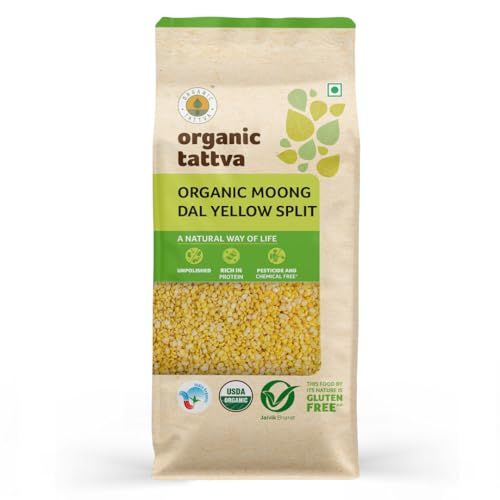
24 Mantra Organic Moong Dal
- ✓ 500g pack, certified organic, farm-to-table sourcing
- ✓ No pesticide residue, transparent labeling
- ✓ Recommended by nutritionists for infant feeding
* We earn a small commission — at no extra cost to you.

Anand Organic Moong Dal Split
- ✓ 500g pack, split yellow moong, USDA and India certified organic
- ✓ Faster cook time (3–4 minutes), easier digestion for babies
- ✓ No added salt, color, or preservatives
* We earn a small commission — at no extra cost to you.