
Best Montessori Toys Under 600 Rupees in India: Budget Guide for Fine Motor Skills & Concentration (2026)

Real Montessori toys under ₹600 include Skillofun Wooden Stacker (₹325), Little Genius Object Permanence Box (₹580), Toyslink Sensory Balls (₹299), and Emob Sorting Cups (₹399). These toys meet the core Montessori principle of self-correction through real materials-not bright plastic marketing. Pair them with DIY fabric books for a complete learning kit under ₹2,000.
I spent six months this year watching my nephew ignore an expensive branded activity cube while he stayed hyperfocused on a wooden stacking toy his grandmother brought from a small shop in Pune. That's when I realised: Montessori isn't about expensive branded gear. It's about purposeful, real materials that let kids teach themselves through trial and error. And the good news? Genuine Montessori toys under ₹600 exist on Amazon.in-they're just not always the ones with the loudest marketing.
This is a budget guide for parents in Delhi, Mumbai, Bengaluru, and Tier-2 cities who want to build a real Montessori shelf without spending ₹50,000. I've picked five toys specifically because they tick three non-negotiable boxes: they use real materials, they self-correct (the child figures out what's wrong without adult help), and they build genuine skills-not just occupy time.
The top products we're reviewing today are Skillofun Wooden Stacker, Little Genius Object Permanence Box, Toyslink Sensory Balls, Emob Sorting Cups, and homemade fabric books using simple cotton scraps.
What Actually Makes a Toy Montessori (Not Just Marketing)
Montessori learning: a child-led education method where kids solve real problems using real materials, learning through sensory exploration and self-correction (no adult telling them they're wrong).
Walk into any Indian toy store and you'll see toys branded "Montessori" because they're wooden and pastel-coloured. But real Montessori toys follow four rules:
- Real materials: wood, fabric, metal-not plastic. Kids touch actual textures, weight, temperature.
- Self-correction built in: A shape-sorter where only the circle fits through the circle hole. No adult needed to say "wrong, try again." The child figures it out.
- One skill per toy: Not five activities in one jumbled cube. One clear purpose.
- Adult steps back: You show once, then leave the child alone. Not constant praise or correction.
Most toys under ₹600 that claim Montessori miss at least one of these. Our picks don't.
Five Real Montessori Toys Under ₹600 & What They Actually Teach
| Product | Price | Age Range | Core Skill | Self-Correction? | Real Material? |
|---|---|---|---|---|---|
| Skillofun Wooden Stacker | ₹325 | 12-36 months | Fine motor, spatial awareness | Yes-rings only fit on right rod | Wood + beech |
| Little Genius Object Permanence Box | ₹580 | 6-12 months | Cause & effect, problem-solving | Yes-ball disappears, baby retrieves | Wood |
| Toyslink Sensory Balls | ₹299 | 3-24 months | Tactile awareness, gross motor | Yes-different textures give feedback | Fabric + safe materials |
| Emob Sorting Cups (4-piece) | ₹399 | 12-36 months | Size grading, fine motor | Yes-nested stacking only works one way | Plastic, but safe & durable |
| DIY Fabric Books (homemade) | ₹100-200 | 6-18 months | Sensory exploration, language prep | No, but personalised to your child | Cotton, buttons, zips, felt |
Skillofun Wooden Stacker (₹325) - First Fine Motor Toy
This is the toy I see in every Montessori classroom in India. It's a wooden rod with three rings that stack. That's it. No lights, no sounds, no "educational features." The self-correction is built-in: the bottom ring is wider, so it only fits one way. A 14-month-old's brain figures this out in three tries.
What it teaches: grip strength, hand-eye coordination, understanding that size matters. By 20 months, kids can stack all three rings. By 24 months, they remove and re-stack independently for 10 minutes straight-that's deep concentration.
Little Genius Object Permanence Box (₹580) - Early Problem-Solving
A wooden box with a hole on top. You drop a wooden ball in, it rolls inside, and the child opens a sliding door at the base to retrieve it. The magic: babies learn that objects don't disappear forever. This sounds basic, but it's fundamental cognitive development between 6-9 months.
What it teaches: Cause and effect (drop ball → it goes somewhere → I can get it back), persistent problem-solving (if sliding door is stuck, try harder), spatial reasoning.
Toyslink Sensory Balls (₹299) - Tactile Foundation
A set of four fabric balls with different textures: bumpy silicone, ridged, smooth, crinkly. No plastic, no synthetic. A 4-month-old can grasp and mouth them safely. A 12-month-old sorts them by texture (rough vs. smooth). A 18-month-old rolls them across the floor and watches how each one moves differently based on weight and texture.
What it teaches: Sensory discrimination (bumpy feels different from smooth), cause and effect (roll ball → it moves → I'm controlling the outcome), gross motor control.
Emob Sorting Cups (₹399) - Fine Motor Progression
Four plastic cups of increasing sizes. They nest inside each other. The self-correction: a ₹10 cup can't fit inside a smaller cup-the child feels resistance and tries a different cup. No adult said "wrong"; the material gave feedback.
What it teaches: Size grading (biggest to smallest), fine motor (pulling, pushing, gripping), logical sequencing. By 18 months, kids do this task in 2 minutes flat. By 24 months, they turn cups upside down and use them as stacking towers instead.
DIY Fabric Books (₹100-200 to Make) - Personalised Sensory Learning
Take cotton fabric scraps. Sew on buttons, zips, ribbons, felt patches. Bind with string. Voilà. A book your baby can't destroy, can mouth safely, and that teaches textures specific to your home (the zip is from mummy's dress; the button is from grandma's cardigan). No published Montessori book beats this for personal connection.
What it teaches: Fine motor (pulling zips, pushing buttons), sensory memory (that's the soft blanket texture), language (you name each texture as she explores).
How to Build a Montessori Shelf Under ₹2,000 for Ages 6-24 Months
- Start with one toy only. Put Skillofun Stacker on a low shelf. Leave it there for 3 weeks. Don't rotate.
- When your child stops being interested (usually week 2-3), add one more. Rotate the first toy out.
- Never place more than three toys on the shelf at one time. Too much choice = no deep play.
- Refresh every 4 weeks with one new toy, one rotation back.
- By month 3, you have 6-8 toys total under ₹2,000, all genuinely Montessori.
What Paediatricians Say
The Indian Academy of Pediatrics (IAP 2024) emphasises that fine motor development between 6-24 months predicts later academic skills like writing and self-care. Real Montessori toys-especially those with self-correction-build concentration span (IAP notes that sustained attention grows from 2 minutes at 12 months to 10 minutes by 24 months). Toys that require problem-solving, not just sensory input, activate the prefrontal cortex earlier.
Bottom line: Real Montessori toys under ₹600 aren't rare-they're just not branded with celebrity faces. Skillofun Wooden Stacker, Little Genius Object Permanence Box, Toyslink Sensory Balls, and Emob Sorting Cups are all available on Amazon.in today. Add one DIY fabric book, and you have a complete early learning kit that actually respects how babies learn. Save the ₹5,000 activity cubes for later (or skip them entirely).
Our Top Picks
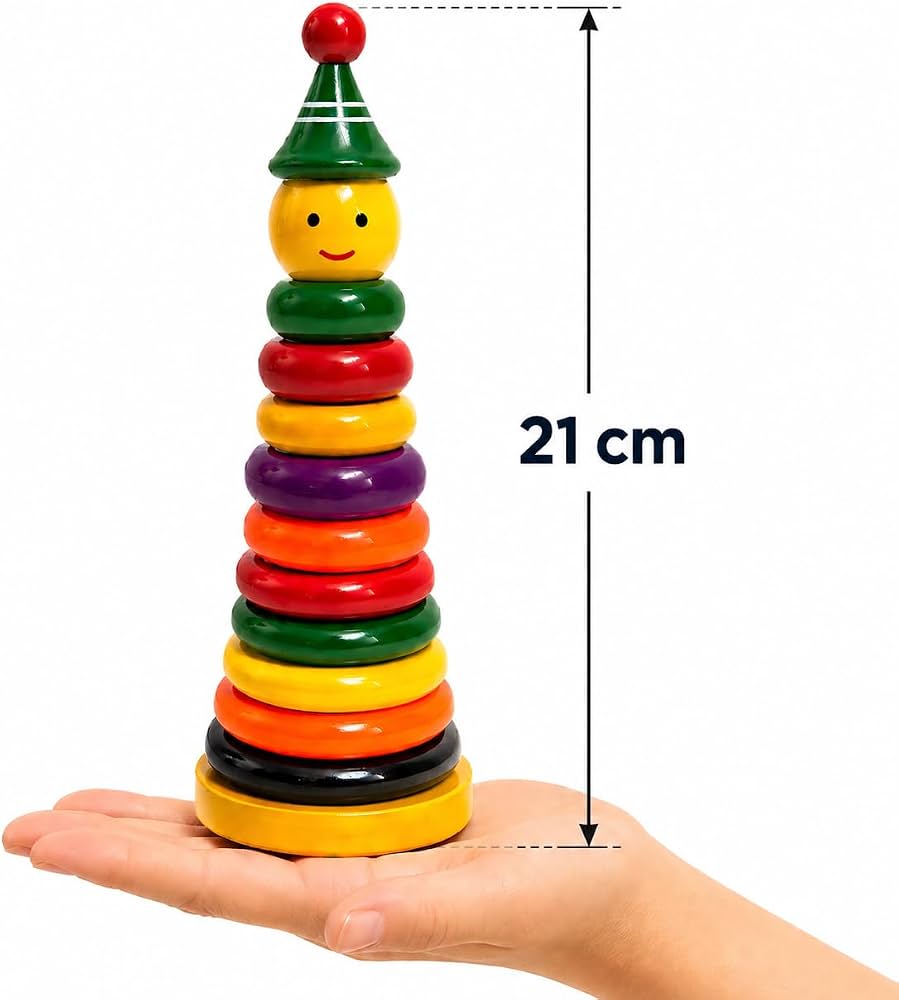
Skillofun Wooden Stacker - Ring Stacking Toy
- ✓ Wooden rings with beech wood rod
- ✓ Three graduated rings for self-correction
- ✓ Ages 12-36 months
* We earn a small commission — at no extra cost to you.
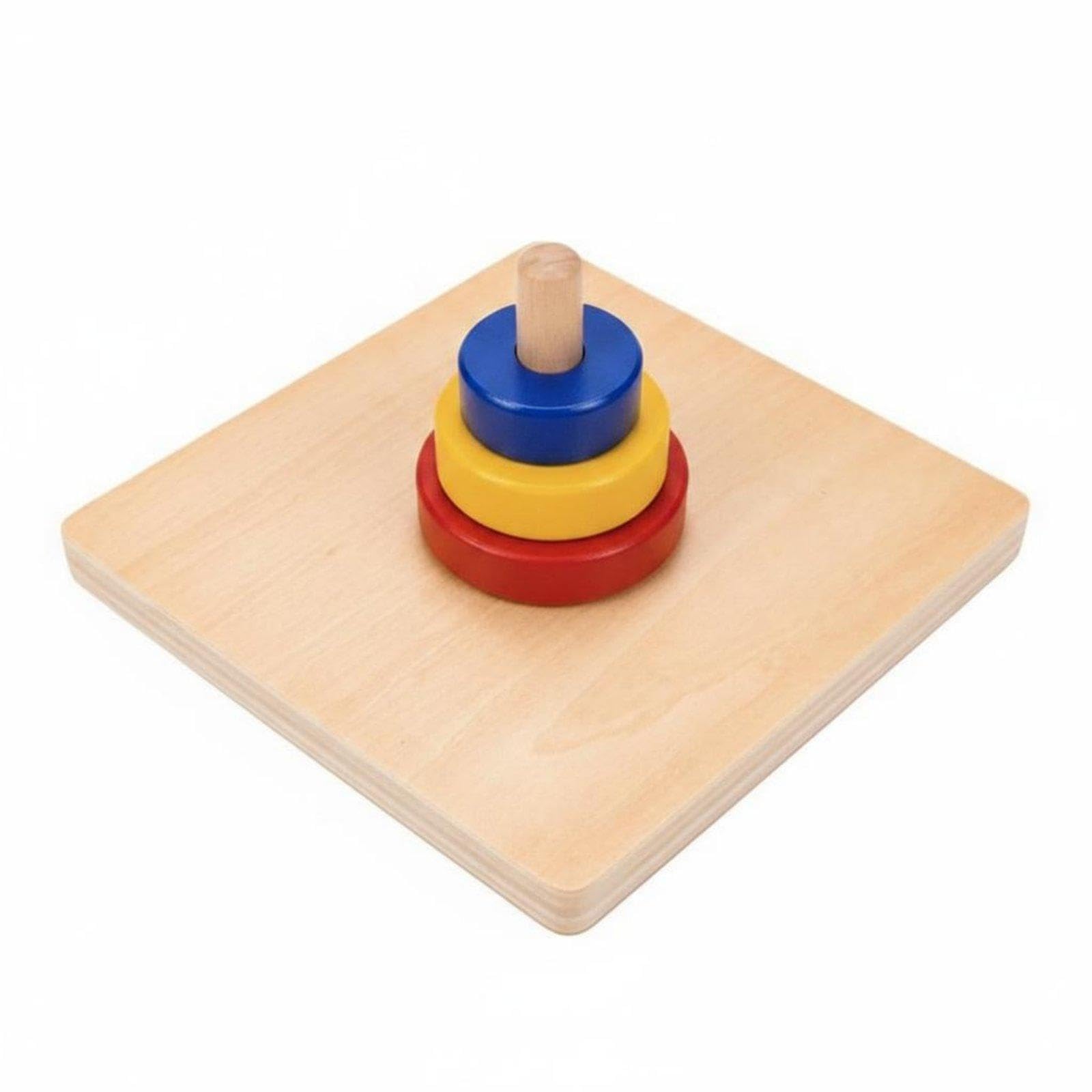
Little Genius Wooden Object Permanence Box
- ✓ Solid wooden construction with natural finish
- ✓ Sliding door retrieval mechanism
- ✓ Ages 6-12 months
* We earn a small commission — at no extra cost to you.
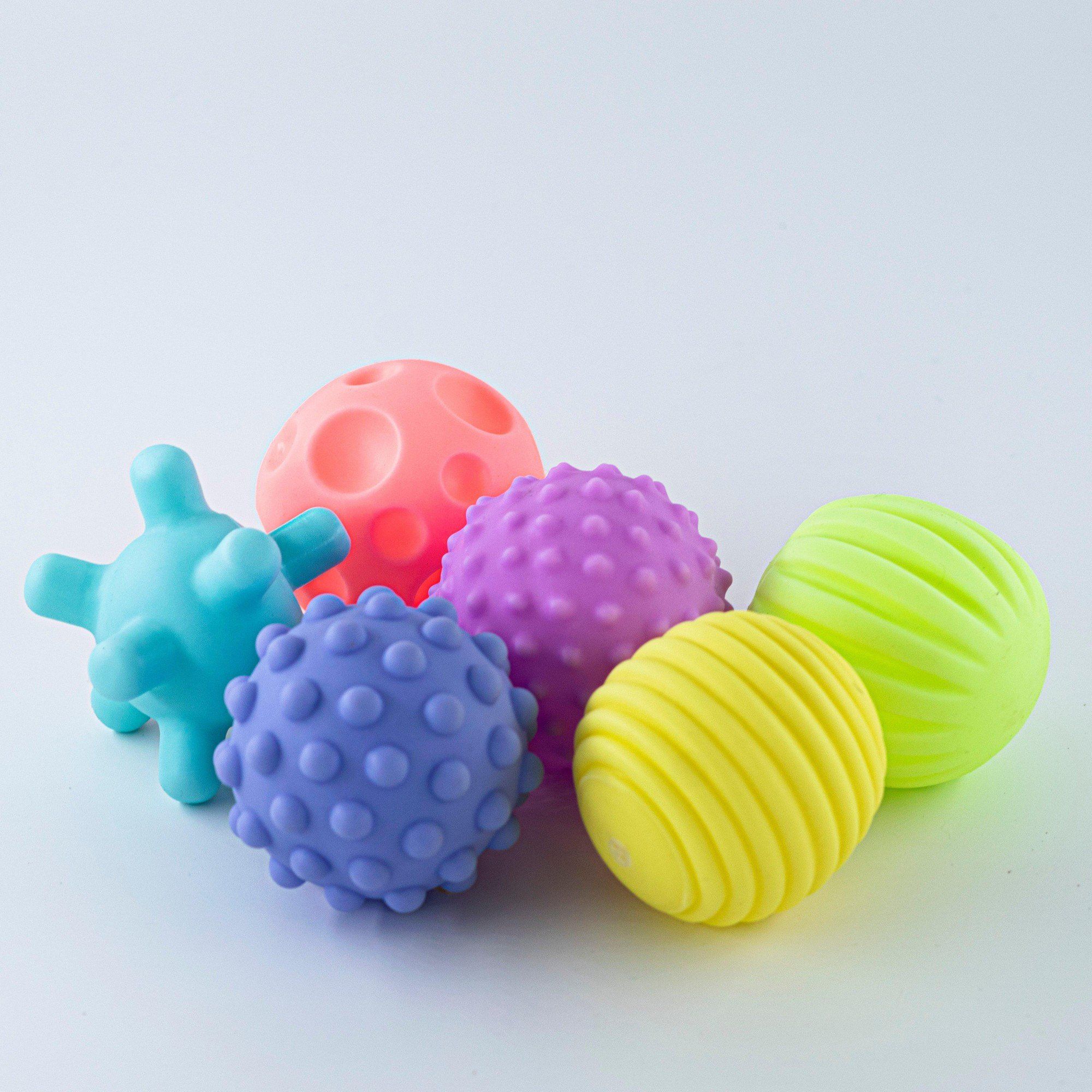
Toyslink Sensory Balls Set (4-piece)
- ✓ Four different textured fabric balls
- ✓ Safe for mouthing from 3 months
- ✓ BPA-free, non-toxic materials
* We earn a small commission — at no extra cost to you.
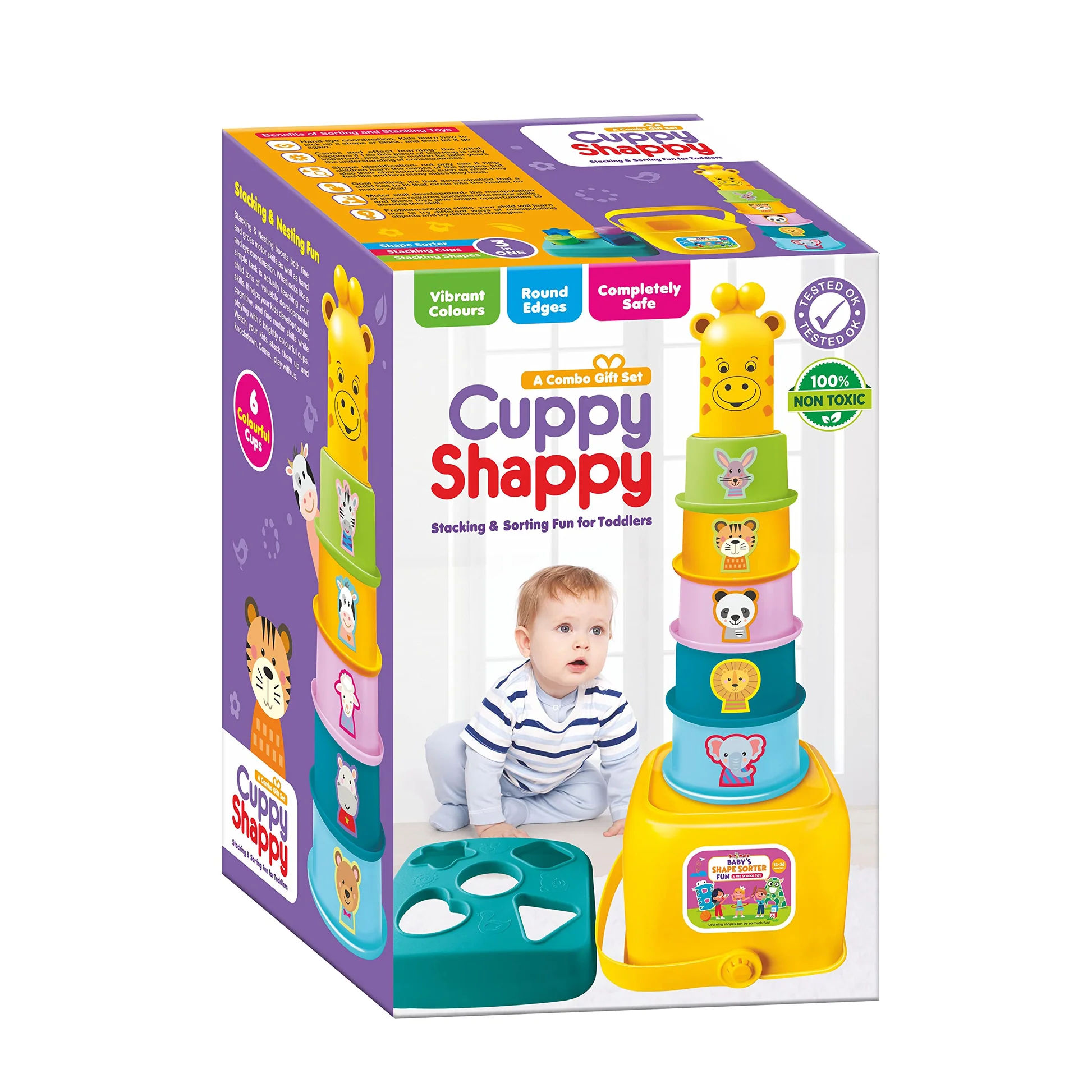
Emob 4-Piece Nesting Sorting Cups
- ✓ Four graduated plastic cups for nesting
- ✓ Self-correcting stacking mechanism
- ✓ Ages 12-36 months
* We earn a small commission — at no extra cost to you.