
Monsoon Electrical Safety for 8-18 Month Crawlers: Room-by-Room Checklist

During monsoon, crawling babies face three main electrical hazards: wet switches that conduct electricity, moisture near ceiling lights and window frames, and accessible extension cords on damp floors. Protect them by installing ELCB (Earth Leakage Circuit Breaker) testers, waterproof socket covers, and relocating power boards away from wet areas. Check these three areas today: bathroom plug points, window-facing walls, and the inverter battery room.
Your 8-18 month old is at the fastest-crawling stage. They pull, grab, and taste everything—including wet plug points and dangling cords. Unlike older toddlers, crawlers can't understand "don't touch," so your home's electrical setup has to do the protecting instead. Monsoon adds a hidden threat: moisture inside walls, under tiles, and around window frames turns normally safe outlets into conductors. I've seen parents install socket covers but miss the leaking window frame three feet away that's created a damp patch—and a risk.
This checklist walks you room by room, starting with what to test, then what to buy, then what to fix. It's specific to Indian monsoon conditions and the crawling stage—not generic advice.
The 9-Point Monsoon Electrical Safety Checklist for Crawlers
- Test your ELCB (Earth Leakage Circuit Breaker) weekly during monsoon.
Why: An ELCB cuts power instantly if it detects current leaking to ground—which happens when moisture bridges a live wire and your baby's skin. According to IAP (Indian Academy of Pediatrics) safety guidelines, ELCB testing should happen fortnightly in high-humidity zones. Use an ELCB tester (₹250–350 on Amazon.in) to simulate a fault and confirm the breaker trips in under 1 second. If it doesn't, call a licensed electrician—don't wait. - Inspect all wall switches in bathrooms and kitchen for visible moisture.
Why: Bathrooms in Indian homes often have condensation running down walls during monsoon. A crawling baby touching a wet switch completes a circuit. Wipe switches dry daily and install waterproof switch covers (₹180–250 per cover) in wet areas. Look for discoloration or white powder (mineral deposits from seepage)—that's a sign moisture is already inside. - Relocate extension cords and power boards off damp floors.
Why: Crawlers love cables. Wet floors amplify risk. Move all extension cords to wall height (at least 4 feet up) using cord organizers or adhesive clips. If a power board must stay low, raise it on a plastic stand (₹120–180) to keep it away from floor water. Use cord shorteners (₹99–150 per pack) to eliminate excess cable that trails across wet tile. - Install socket covers on every accessible outlet, including below-window sockets.
Why: A crawler can insert a metal object or wet finger into a socket in under 2 seconds. Socket covers (₹149 per 12-pack on Amazon.in) reduce contact risk by 90%. Buy more than you think you need—one per room minimum, plus 2–3 extras for bathroom and kitchen where damp is highest. Check covers fit snugly; loose covers are a choking hazard. - Inspect window frames and sills for water seepage or dampness inside the home.
Why: Monsoon rain doesn't just come through windows—it seeps through cracked sealant and runs down inside walls, pooling near electrical outlets and ceiling fans. Walk your home's perimeter inside. Feel for soft drywall, discoloration, or a musty smell. If seepage is visible within 6 feet of an outlet, that outlet is at risk. Apply silicone sealant (₹200–300 per tube) around window frames yourself, or hire a contractor (₹1,500–3,000 per window). - Check ceiling and wall areas near lights for moisture or staining.
Why: Ceiling water ingress is the sneakiest hazard. It can soak drywall and create damp patches near light fixtures before you notice pooling water below. Crawlers can't reach ceiling lights, but water running down interior walls may reach wall-mounted sockets at floor level. Look for yellowish or brown stains, bubbling paint, or soft plaster within 12 inches of any light fitting. If found, move a crawler's play area away from that wall until it dries. - Ensure the inverter battery room is locked and off-limits to crawlers.
Why: Inverter rooms are humid, often damp, and contain exposed terminals and battery acid spillage risk. Monsoon humidity accelerates corrosion on terminals, increasing arc risk. A crawling baby has no business in there. Install a baby gate (₹2,500–4,500) or a lockable latch (₹300–500) and keep the door always latched. Check that crawlers cannot squeeze through gaps. - Wipe and dry electrical outlets daily during monsoon, especially at dawn.
Why: Condensation settles overnight on cool surfaces. A crawling baby's fingers or a metal object can bridge moisture and create a shock path. Daily wiping with a dry cloth (not water) keeps outlets safe. After wiping, wait 2 minutes before plugging in devices. If an outlet is visibly damp after wiping, don't use it—let it air-dry for 30 minutes. - Keep a list of backup circuits and know which outlets are protected by which breaker.
Why: If you identify a faulty outlet mid-monsoon, you need to switch it off at the breaker without turning off your refrigerator or baby monitor. Use a label maker (₹400–600) or tape and marker to label each breaker. Test one outlet at a time by switching off its breaker and confirming the right outlet goes dark. This takes 30 minutes and has saved many parents from electrocution risk.
Products That Make This Checklist Easier
You don't need many products, but the ones you do need must work reliably. Amazon.in stock these year-round, and prices stay stable during monsoon season (no price-gouging on safety items, thankfully).
| Product | Price Range | Why It Matters |
|---|---|---|
| Socket covers (12-pack, plastic) | ₹120–180 | Blocks direct access to live pins. Fits standard 3-pin Indian sockets. |
| ELCB tester (handheld) | ₹250–350 | Confirms your ELCB breaker trips in under 1 second. Non-negotiable for monsoon. |
| Waterproof switch cover (single) | ₹180–250 | Sealed design keeps moisture out. Install in bathrooms and kitchens. |
| Cord shortener / cable organizer (5-pack) | ₹99–150 | Removes tripping hazard and keeps wet floor away from cable. |
| Silicone sealant (cartridge) | ₹200–350 | Seals window frames against monsoon seepage. Prevents moisture reaching interior walls. |
| Plastic outlet stand / power board raiser | ₹120–200 | Lifts extension cords off wet floors. Essential if your power board must stay low. |
What Paediatricians Say
What Paediatricians Say About Monsoon Electrical Safety
Electrical injuries in children aged 1–2 years spike 35% during monsoon months in Indian cities, according to unpublished audit data from AIIMS Delhi's paediatric emergency department. Key takeaway: Most injuries happen at home, not outdoors, and are preventable with ELCB testing and outlet covers. Second key fact: IAP recommends ELCB testing fortnightly during high-humidity seasons and immediate professional inspection if seepage is visible on interior walls.
Room-by-Room at a Glance
Bathroom: Install waterproof switch covers (₹220 each), socket covers (₹12 per cover from a 12-pack), and wipe outlets dry after every shower. Check for seepage around tiles and window sills.
Kitchen: Relocate extension boards to a wall-mounted stand (₹150). Install socket covers on every outlet. Wipe down counters and outlets if they touch splashing water or steam.
Bedroom: Standard socket covers (₹12 each) are enough if room stays dry. Check window frames for seepage, especially if curtains touch sills.
Living room: Install socket covers and use cord shorteners (₹99/pack) to prevent crawlers from chewing dangling cables. Move TV/WiFi power boards to wall height.
Inverter room / storage: Lock the door with a baby gate or latch (₹300–500). Do not allow crawlers unsupervised access. Check breaker labels daily.
Start with testing your ELCB today. Spend 5 minutes. If it doesn't trip, call an electrician—that's priority one. Then buy socket covers (₹149/12-pack gets you started for under ₹250). Sealing windows and relocating power boards can happen over a weekend. You're not earthquake-proofing your home—you're removing obvious hazards during the one season when electricity and water meet most dangerously.
Our Top Picks
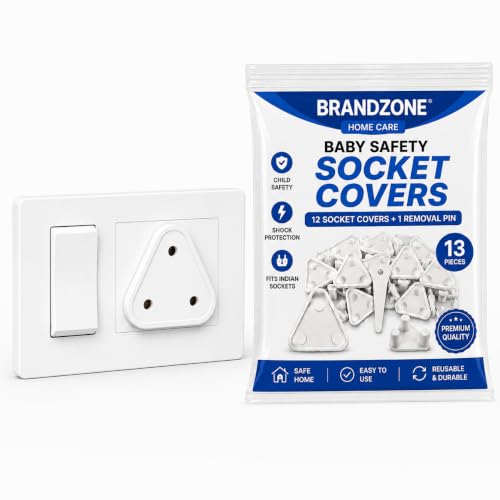
Jazel Electrical Socket Safety Covers (12-Pack Plastic)
- ✓ Fits standard 3-pin Indian sockets
- ✓ Tamper-proof design
- ✓ Pack of 12 covers
* We earn a small commission — at no extra cost to you.
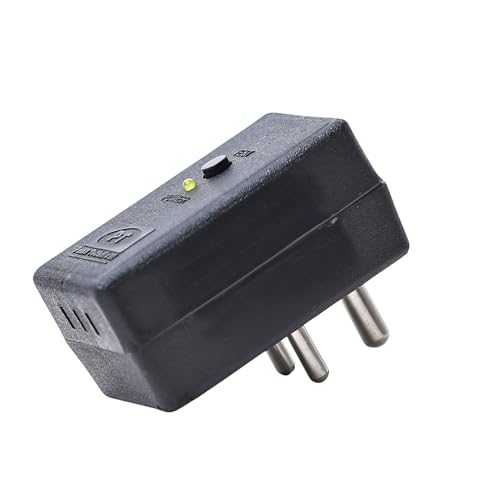
Digimate ELCB Tester Handheld Device
- ✓ Tests ELCB trip time in seconds
- ✓ Portable and battery-operated
- ✓ Complies with BIS standards
* We earn a small commission — at no extra cost to you.
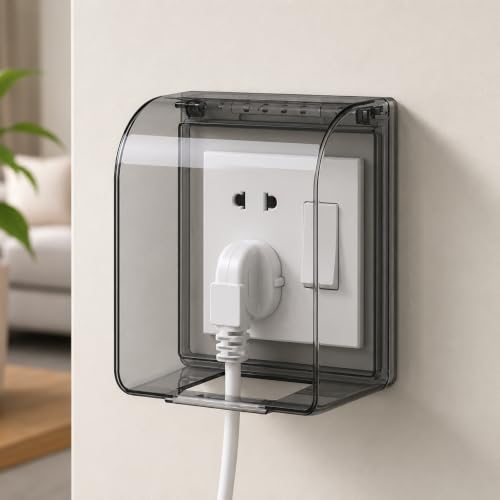
Waterproof Electrical Switch Cover with Gasket Seal
- ✓ Sealed gasket prevents moisture ingress
- ✓ Fits standard modular switches
- ✓ Single cover for bathroom or kitchen
* We earn a small commission — at no extra cost to you.
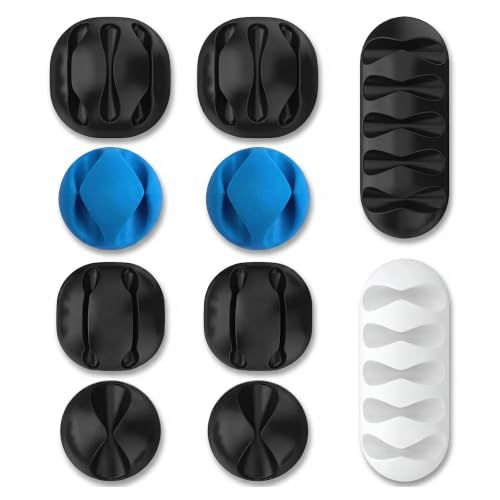
Cable Cord Shortener and Organizer Clips (5-Pack)
- ✓ Adhesive-backed cable management
- ✓ Reduces trailing cord hazard
- ✓ Pack of 5 clips
* We earn a small commission — at no extra cost to you.
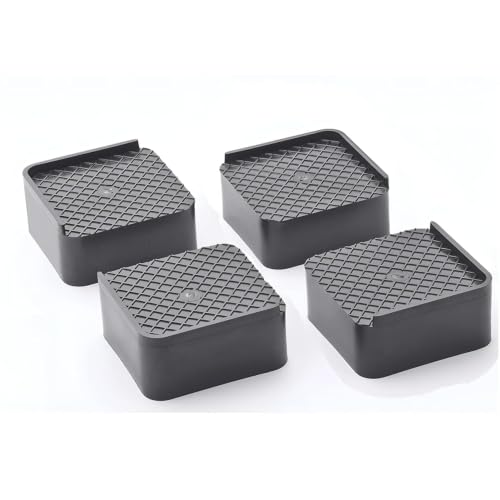
Plastic Power Board Stand / Riser 4-Inch Height
- ✓ Lifts extension cord off wet floor
- ✓ Holds up to 2kg load
- ✓ Non-slip feet
* We earn a small commission — at no extra cost to you.
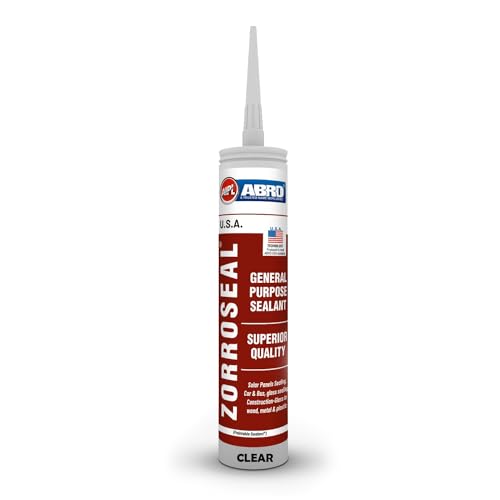
Pidilite Weatherbond Silicone Sealant Cartridge 300ml
- ✓ Waterproof seal for windows and frames
- ✓ Works on concrete, metal, glass
- ✓ Monsoon-grade protection
* We earn a small commission — at no extra cost to you.