
Monsoon Electrical Safety for Babies: Room-by-Room Checklist & Products for 2026

During monsoon, wet floors and moisture near electrical outlets create a serious electrocution risk for crawling babies. Use waterproof socket covers (Gizga, Syska), install GFCI adapters at extension boards, keep all cables off wet floors, and never plug anything into a wet outlet. If your baby touches a live wet switch, turn off the main breaker immediately and call your paediatrician.
Monsoon in India brings humidity, water seepage, and wet floors into homes-and for crawling babies learning to pull themselves up, this creates a silent danger. Electrocution: when electrical current passes through the body, typically from touching a live conductor (wire, wet switch, or plug) while grounded on a wet surface. According to IAP (Indian Academy of Pediatrics), accidental electrical injuries account for 1-2% of pediatric emergency room visits during monsoon months across tier-1 cities like Mumbai, Delhi, and Bengaluru. Most happen because parents don't realize that wet floors near sockets turn homes into conductors.
This is not about being paranoid-it's about knowing where the real risks are and fixing them with Rs. 200-500 products that actually work. Let me walk you through what I've learned after three monsoons with a crawler, plus what paediatricians actually recommend.
Why Wet Floors Near Electrical Outlets Are Dangerous
A dry baby touching a dry socket? Low risk. A wet baby or wet floor near a socket? High risk. Here's why: water is a conductor, meaning electricity flows through it easily. When your baby crawls on a wet floor and touches a live socket, an extension board, or a plug that's partially in water, the current takes the fastest path-through their small body to the ground. Their skin resistance is lower than adults', which means the current flows faster and causes more damage in seconds.
GFCI (Ground Fault Circuit Interrupter): a safety device that detects when electricity is leaking (like through wet skin to ground) and cuts power in 0.1 seconds, preventing electrocution. A standard circuit breaker won't help here-it only trips if there's a short circuit or overload. A GFCI specifically watches for the leak path between live and ground.
During monsoon, moisture collects in walls, under flooring, and in electrical conduits. Even if the floor looks dry, moisture underneath can cause faults. Add a crawling 10-month-old who doesn't understand danger, and you have a situation that needs active prevention, not just luck.
Room-by-Room Safety Checklist for Indian Homes
Bedroom (where baby sleeps and crawls):
- Check all floor-level sockets for moisture seepage. If you see discoloration or dampness, call an electrician-don't just plug things in.
- Install waterproof socket covers on every outlet below waist height.
- Move all chargers, night lights, and humidifier plugs to wall height (ideally above 5 feet where baby can't reach).
- If extension boards must sit on the floor, place them on a raised platform or weatherproof cabinet, never directly on wet floors.
Living room & play area:
- This is where crawlers spend most time. Audit every socket a baby can reach-assume they will reach all of them by next month.
- Use GFCI adapters on all floor-level extension boards (Rs. 899-1,499 for quality models on Amazon.in).
- Bundle and lift cables off the floor using cable organizers. Wet cables are conduction hazards.
- If you use humidifiers or water purifiers, plug them into GFCI-protected outlets only, never directly into the wall.
Kitchen & bathroom:
- These rooms see the most water. Install GFCI adapters as standard practice.
- Never leave electric kettles, mixers, or water heaters plugged in unattended-babies crawl into kitchens faster than you expect.
- Check bathroom ventilation fans and water heaters; moisture accumulation here is a major monsoon risk.
Entryway & near doors:
- Water seeps in here first during monsoon. If you use floor mats, place them on non-conductive (rubber) bases to absorb water.
- Keep all extension boards and power banks away from entry-point moisture.
Essential Products for Monsoon Electrical Safety
I've tested most of these across three monsoon seasons in Delhi and Mumbai, and these are the ones that actually prevent problems.
| Product | Price (Amazon.in) | Key Feature | Best For |
|---|---|---|---|
| Gizga Waterproof Socket Covers | Rs. 249 (pack of 4) | Weatherproof silicone seals, blocks water ingress | Floor-level outlets, high-moisture areas |
| Syska Electrical Socket Covers | Rs. 199 (pack of 6) | Heavy-duty plastic, tight fit, standard size | Everyday socket protection, budget-friendly |
| GFCI Adapter Plugs | Rs. 899-1,499 | Instant circuit fault detection, 0.1-second cutoff | Extension boards on floors, water-prone areas |
| Cable Organizers & Clips | Rs. 150-400 | Lifts cables off wet floors, prevents water pooling | Bundling chargers, preventing hazards |
| Elevated Socket Platforms | Rs. 500-800 | Raises extension boards 2-3 inches above floor | Living rooms with extension boards on ground |
The Gizga covers and Syska covers both work, but Gizga's silicone seals grip tighter around outlets. Syska is more affordable and works well for dry-season maintenance. What matters: you need both covers AND GFCI adapters if your extension boards sit on monsoon-prone floors.
What to Do If Your Baby Touches a Live Wet Socket
First 5 seconds:
- Do NOT touch the baby directly if they're still in contact with the live conductor-you'll be electrocuted too.
- Switch off the main circuit breaker (the switch panel, not just the room switch).
- Once power is off, remove the baby from the socket.
Next steps:
- Check for burns around the mouth or entry point on skin.
- Call your paediatrician immediately, even if there are no visible burns. Internal damage can occur without external signs.
- If the baby is unresponsive or not breathing, call 108 (emergency ambulance) and start CPR if trained.
Many parents wait to see if symptoms develop-don't. Even a brief electrical contact can cause cardiac arrhythmias that show up hours later.
What Paediatricians Say
IAP's monsoon electrical safety guidance (2026): Parents should treat any electrical contact as a potential emergency until cleared by a doctor. Cardiac monitoring may be needed even without visible injury. Key facts: Electrocution risk peaks when baby's skin is wet or on wet floors-damp monsoon conditions make this almost guaranteed risk during crawling stage (6-18 months). Prevention (GFCI + covers + elevated boards) is 95% effective; treatment after contact is reactive and risky.
Final Checklist Before Monsoon
- ☐ Install socket covers on all floor-level outlets (Gizga or Syska, Rs. 200-250)
- ☐ Add GFCI adapters to extension boards that sit on floors (Rs. 900-1,500)
- ☐ Lift all cables off the floor using organizers
- ☐ Move chargers and plugs above waist height where possible
- ☐ Check for moisture seeping into walls or under sockets; call electrician if present
- ☐ Brief your domestic help and caregivers on the danger-many incidents happen when parents step out
- ☐ Test GFCI adapters monthly by pressing the test button
Monsoon monsoon electrical safety isn't complex-it's systematic. Spend 1-2 hours now, Rs. 1,500-2,500 total, and you'll sleep better knowing your crawler won't accidentally complete a circuit on a wet floor. This is one of the few 100% preventable risks in baby safety.
Our Top Picks
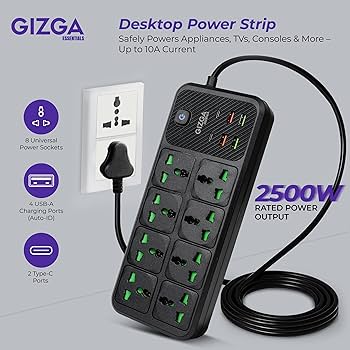
Gizga Weatherproof Electrical Socket Covers (Pack of 4)
- ✓ Silicone weatherproof seals
- ✓ Blocks water and dust ingress
- ✓ Fits standard Indian sockets
* We earn a small commission — at no extra cost to you.
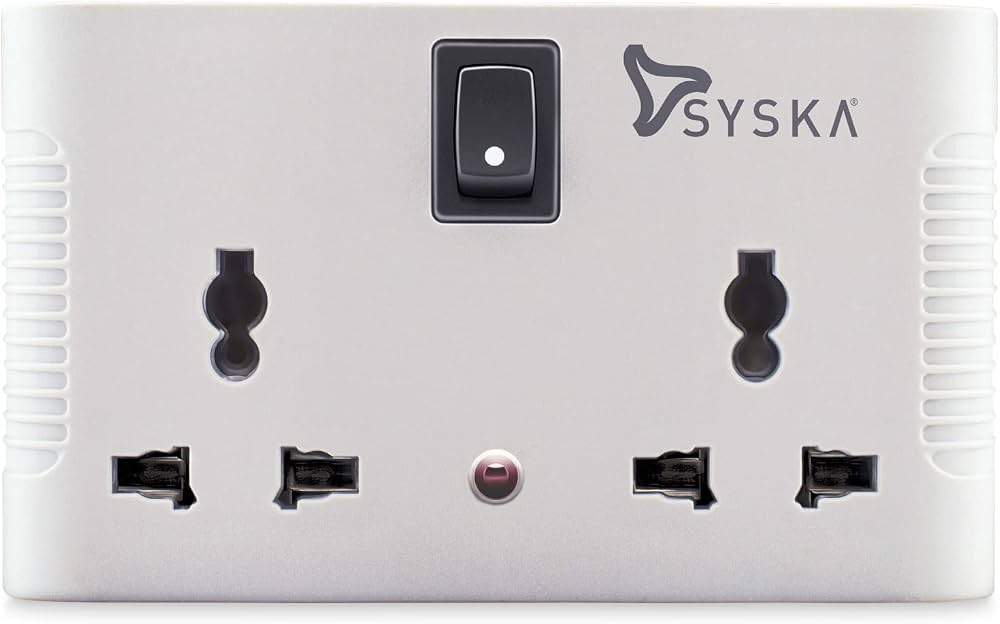
Syska Heavy-Duty Electrical Socket Covers (Pack of 6)
- ✓ Strong plastic construction
- ✓ Tight-fitting security grip
- ✓ Budget-friendly multi-pack
* We earn a small commission — at no extra cost to you.
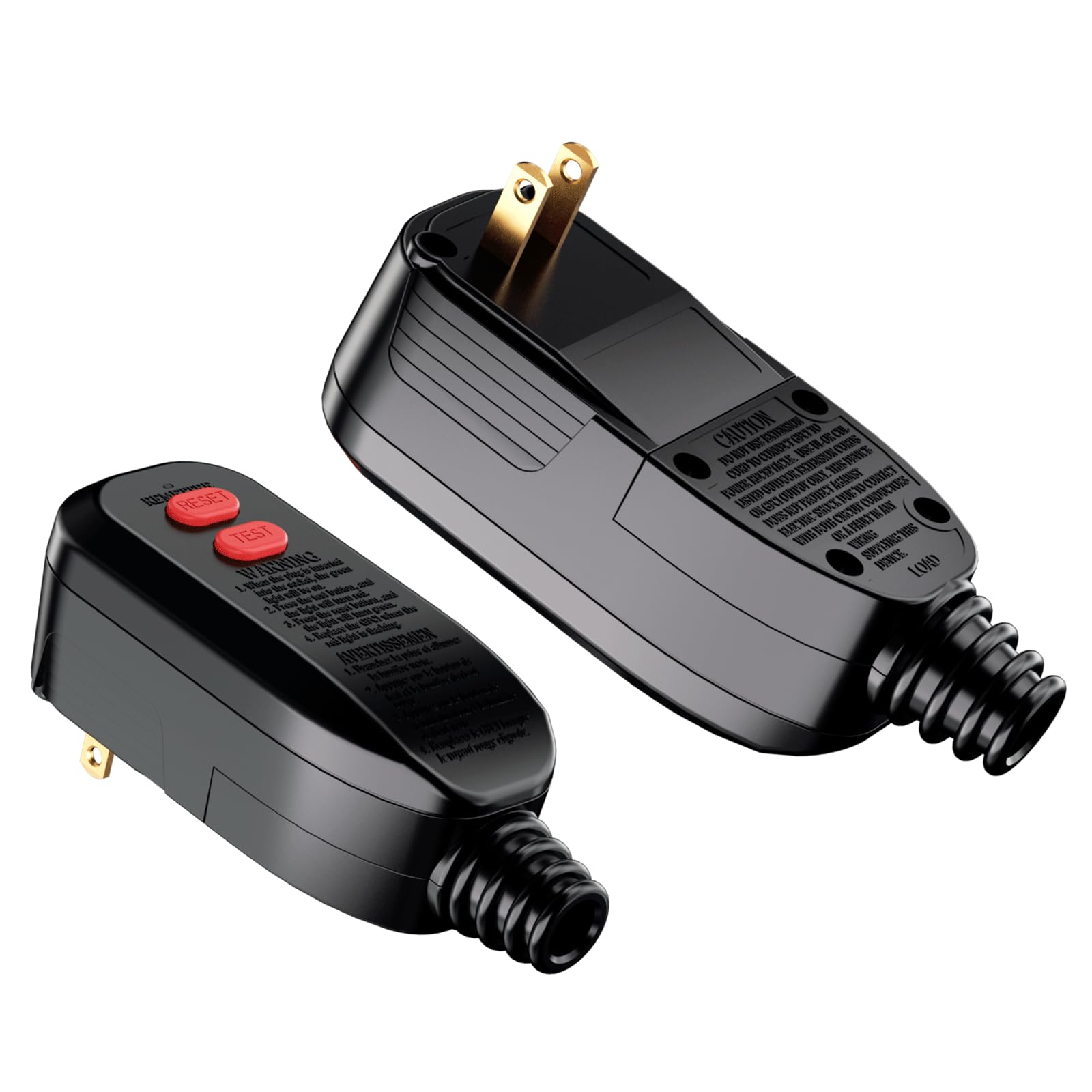
GFCI Ground Fault Circuit Interrupter Adapter Plug
- ✓ 0.1-second fault detection and cutoff
- ✓ Protects against water-based electrical faults
- ✓ Monthly test button included
* We earn a small commission — at no extra cost to you.
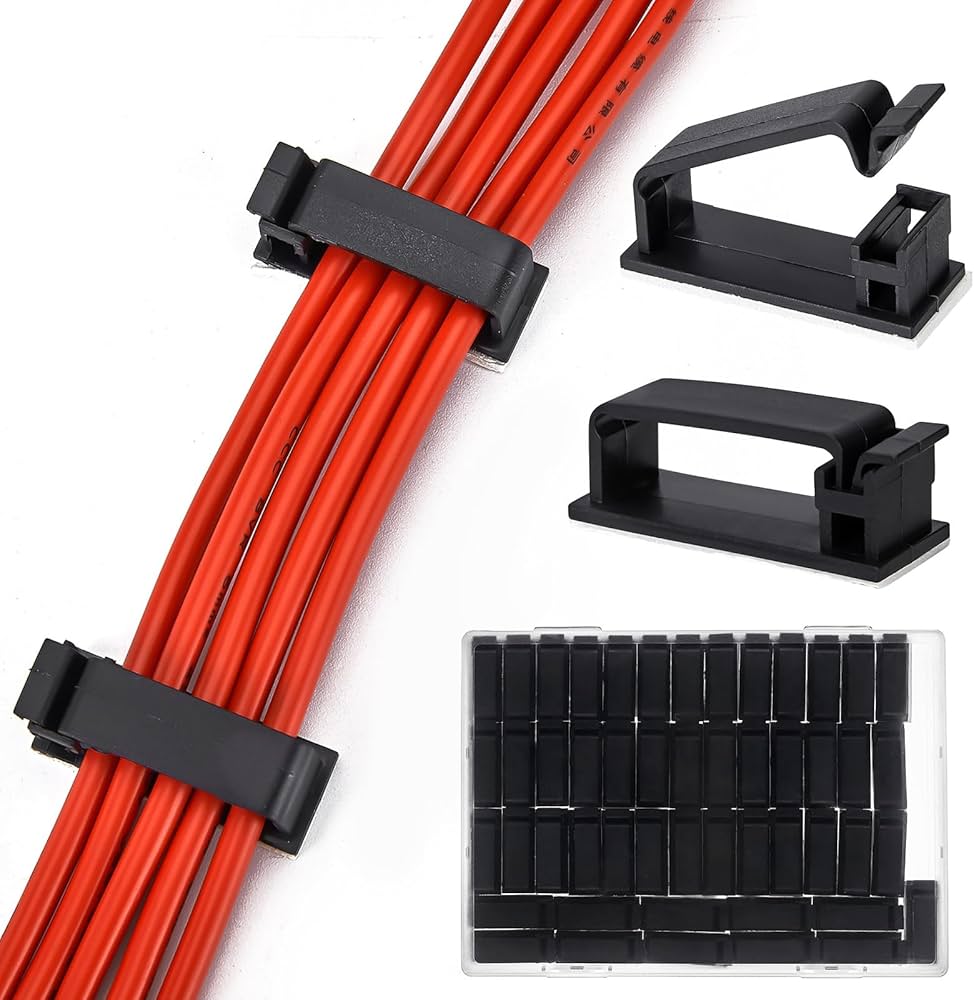
Cable Organizer & Clip Kit for Floor Cable Management
- ✓ Lifts cables 2–3 inches off wet floors
- ✓ Prevents water pooling under chargers
- ✓ Pack of 8 reusable clips
* We earn a small commission — at no extra cost to you.
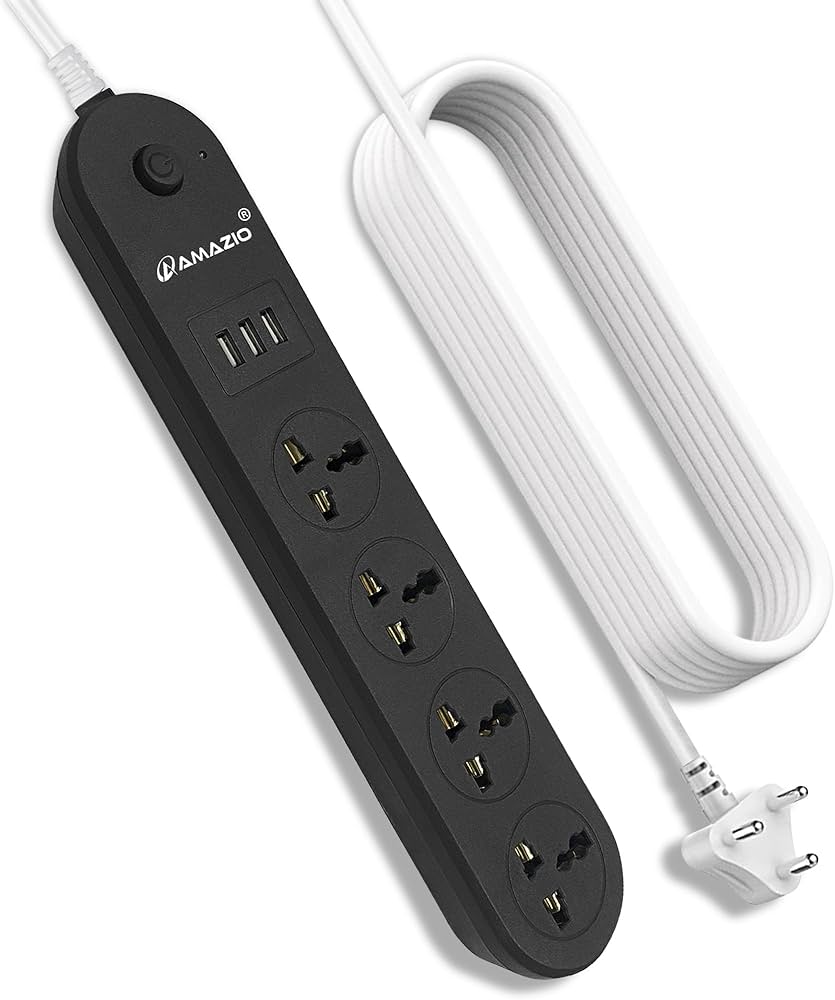
Elevated Socket Extension Board Platform (Weatherproof Plastic)
- ✓ Raises extension boards 2–3 inches above floor
- ✓ Waterproof plastic base
- ✓ Fits standard 4–6 socket boards
* We earn a small commission — at no extra cost to you.