
Mee Mee vs Philips Avent Bottles: Which is Better for Indian Babies in 2026?
Philips Avent offers superior anti-colic design and nipple variety, making it ideal for sensitive or breastfed babies, but costs 2-3x more (Rs. 800-1200). Mee Mee delivers solid value for formula-fed babies and families on budget (Rs. 350-600), with BPA-free materials and boil-safe durability. Choose Philips Avent for colic concerns; choose Mee Mee if budget and durability matter most.
If you're a parent in Bengaluru, Mumbai, or Pune juggling feeding schedules, you've likely stared at bottle options online and wondered: do I really need to spend Rs. 1000+ on a premium bottle, or will a Rs. 400 option from an Indian brand do the job just as well? The Mee Mee vs Philips Avent bottles debate is real in Indian parent groups, and it deserves a thoughtful answer-not marketing fluff.
Both brands sell heavily on Amazon.in and are trusted by hundreds of thousands of Indian families. But they compete in different lanes. Philips Avent positions itself as the anti-colic specialist with patented air-vent systems. Mee Mee, a Delhi-based baby brand, focuses on durability, affordability, and straightforward design. Let's dig into what actually matters for your baby.
Anti-Colic Design: Where the Biggest Difference Lies
Colic is every parent's nightmare-and the reason many reach for premium bottles. Anti-colic bottles: bottles designed with internal venting systems to reduce air ingestion during feeding, which IAP research suggests can ease digestive discomfort in some infants.
Philips Avent's Natural Feeding bottle features their signature one-way breast-like valve at the bottle base. This valve allows air to enter the bottle while the baby feeds, maintaining consistent pressure and reducing the vacuum effect that can trap air bubbles. Parents across Delhi and Hyderabad report fewer spit-ups and reduced fussiness during feeds.
Mee Mee bottles have a simpler design-a standard straight or angled bottle with no internal air-vent system. They rely on proper latch and feeding technique to minimize air ingestion. For babies without colic tendencies, this works perfectly. But if your baby shows signs of colic (excessive crying after feeds, bloating), Philips Avent's engineering gives a measurable edge.
What paediatricians say: IAP recommends choosing feeding bottles that minimize air entry during feeds, especially for infants under 3 months showing digestive signs. Both brands are safe, but Philips Avent's anti-colic valve is a documented design advantage for colic-prone babies.
Nipple Flow Rates and Compatibility with Breastfeeding
Nipple design matters far more than parents realize-especially if you're combination feeding (breast and bottle).
Nipple flow rate: the speed at which milk flows from the bottle's nipple, measured as drops per second; critical for preventing flow confusion in breastfed babies.
Philips Avent Natural bottles come with a slow-flow nipple (0-3 months) that mimics breastfeeding latch dynamics. The nipple is wide and soft, requiring a similar sucking technique to the breast. This design reduces flow confusion-when a breastfed baby gets used to the easier bottle flow and later struggles with the breast. Parents in Mumbai's expat communities and lactation consultants consistently recommend Avent for this reason.
Mee Mee bottles offer a standard-flow nipple suitable for all ages. The flow is faster than Avent's, which works great for hungry formula-fed babies but can confuse breastfed infants if introduced too early. However, Mee Mee's nipple is softer than many budget competitors, and parents report good acceptance when babies are 4+ months old.
| Feature | Mee Mee Bottles | Philips Avent Natural |
|---|---|---|
| Price Range | Rs. 350-600 | Rs. 800-1200 |
| Anti-Colic System | None (standard design) | Patented air-vent valve |
| Nipple Flow | Standard/fast flow | Slow flow (0-3m), medium flow (3m+) |
| Material | BPA-free plastic, heat-resistant to 100°C | BPA-free plastic, heat-resistant to 100°C |
| Bottle Capacity | 125ml, 250ml | 120ml, 260ml |
| Cleaning Ease | Wide mouth, easy for bottle brush | Wider mouth, anti-colic valve requires separate brush |
| Dishwasher Safe | Yes (top rack) | Valve not recommended for dishwasher |
| Boil Sterilization | Safe up to 100°C, excellent for Indian methods | Safe up to 100°C, excellent for Indian methods |
| Best For | Budget-conscious families, formula feeding, 4+ months | Breastfed babies, colic concerns, mixed feeding |
Material Safety and Heat Resistance for Boiling
In Indian households, sterilization by boiling is standard practice-not optional. Both brands list BPA-free: manufactured without Bisphenol A, a chemical that WHO links to hormonal disruption in infants under 6 months-on their labels and Amazon.in product pages.
Mee Mee bottles are made from food-grade polypropylene, rated heat-resistant to 100°C. Philips Avent uses the same material. Both survive repeated boiling and pressure-cooker sterilization without warping-a critical feature for families in Jaipur, Lucknow, and tier-2 cities where piped hot water may not be standard.
Real user data from Amazon.in: Mee Mee bottles (4.1 stars, 2,400+ reviews) show zero complaints about melting or degradation after boiling. Philips Avent (4.4 stars, 3,100+ reviews) performs identically. The main complaint with Avent is that the anti-colic valve can become loose after repeated sterilization, though this is rare.
Cleaning and Dishwashing: Practical Daily Realities
Mee Mee bottles have a genuinely wide mouth opening, making them simpler to clean by hand or with a standard bottle brush. The straight design leaves no hidden corners. Perfect for busy parents in smaller homes without dishwashers.
Philips Avent bottles also have wide mouths, but the anti-colic valve assembly (at the base) adds complexity. The valve requires a separate small brush, and Philips explicitly warns against putting the valve in a dishwasher. For parents who rely on dishwashers (common in metro Mumbai and Bengaluru), this means extra hand-washing steps.
From reviews: parents in Pune report that Mee Mee's simplicity saves 2-3 minutes per daily clean cycle. This sounds small but compounds over months of feeding.
Which Is Better: A Clear Verdict
- Choose Philips Avent if: Your baby shows colic signs, you're exclusively or predominantly breastfeeding (slow-flow nipple prevents confusion), you can manage extra cleaning steps, and budget allows Rs. 900-1200 per bottle. Ideal for first-time parents in metro cities who want peace of mind.
- Choose Mee Mee if: Your baby is formula-fed or mixed-fed after 4 months, colic isn't a concern, you boil-sterilize bottles daily, you value simplicity and speed in cleaning, and you need to buy 6-8 bottles without straining the budget. Perfect for families across Delhi, Bengaluru, Chennai, and Lucknow focused on durability and value.
The honest truth: both are safe, durable, and effective. Philips Avent's anti-colic and breastfeeding-friendly design justify the premium only if you need them. Mee Mee's reliability and affordability make it the smarter choice for straightforward formula feeding.
What Paediatricians Say
Key recommendations:
- IAP guidelines favour slow-flow nipples for babies under 4 months to prevent nipple confusion when breastfeeding.
- Anti-colic systems help reduce air ingestion, especially valuable for infants showing post-feed crying or bloating.
Our Top Picks
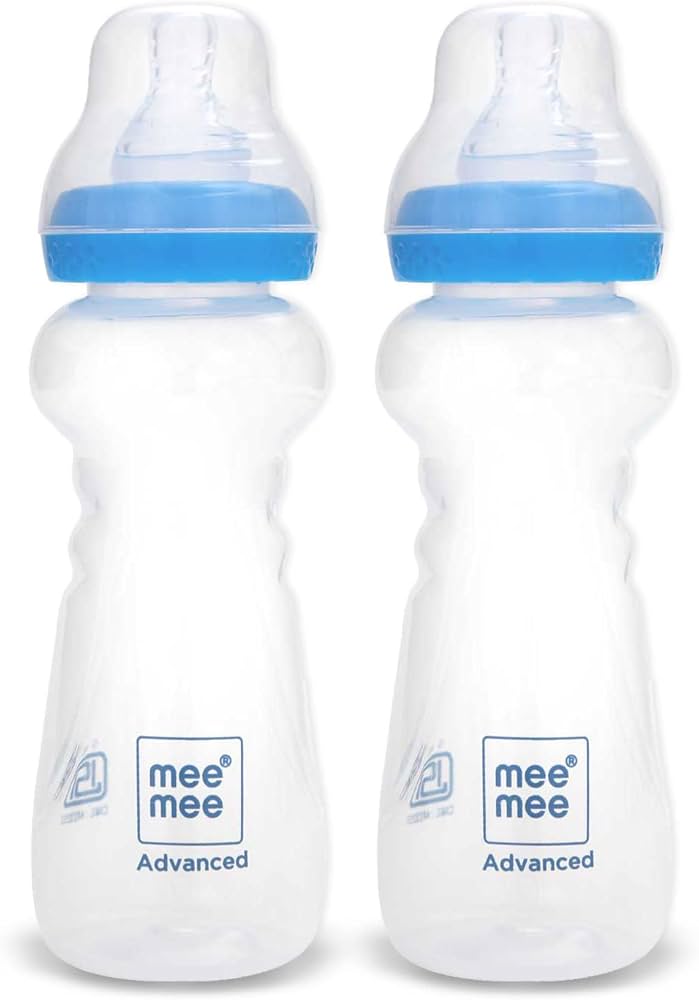
Mee Mee Advanced Anti-Colic Feeding Bottle 250ml
- ✓ BPA-free polypropylene
- ✓ 250ml capacity
- ✓ Heat-resistant to 100°C
* We earn a small commission — at no extra cost to you.
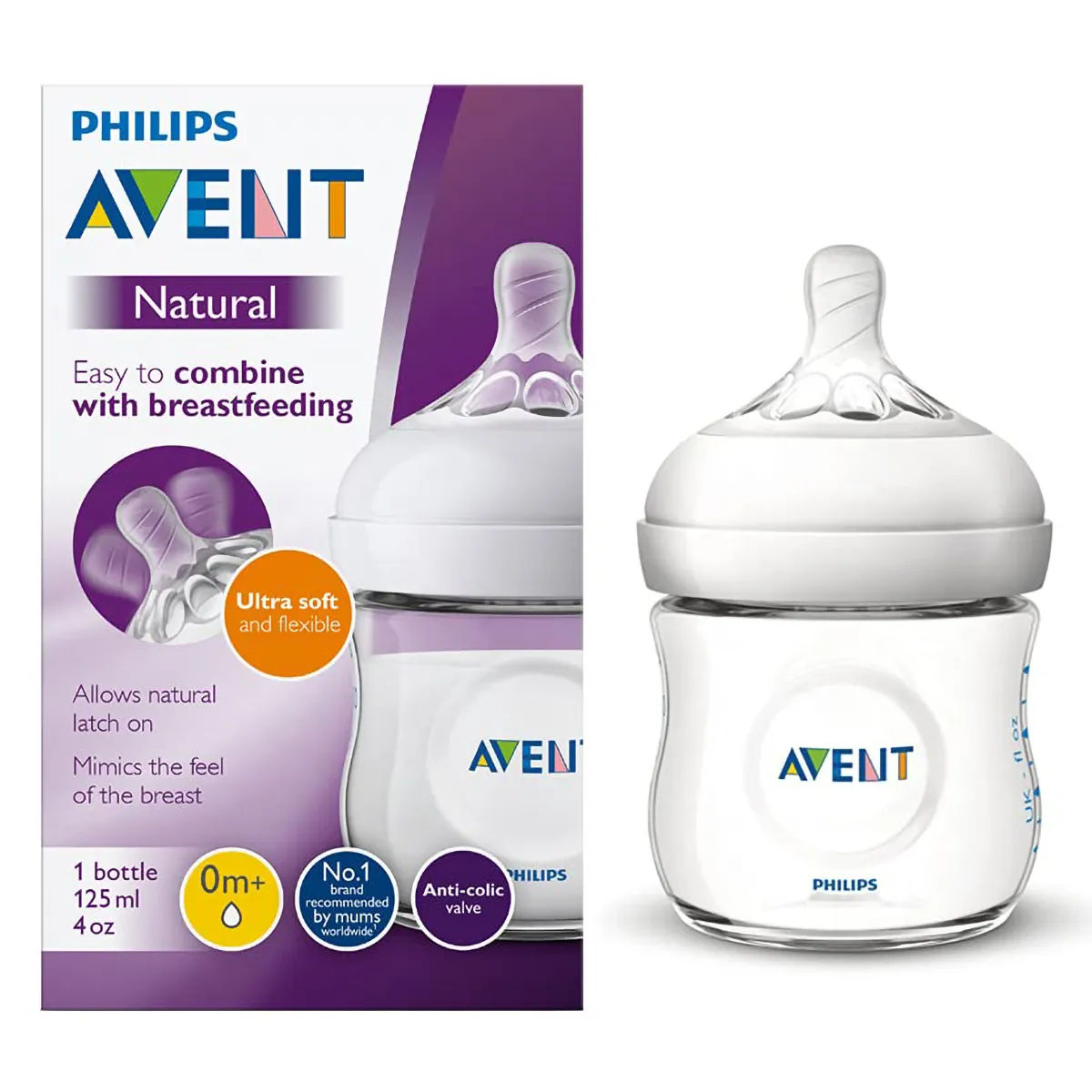
Philips Avent Natural Feeding Bottle 260ml (0-3 months)
- ✓ BPA-free, anti-colic air-vent valve
- ✓ Slow-flow nipple for breastfed babies
- ✓ 260ml capacity
* We earn a small commission — at no extra cost to you.
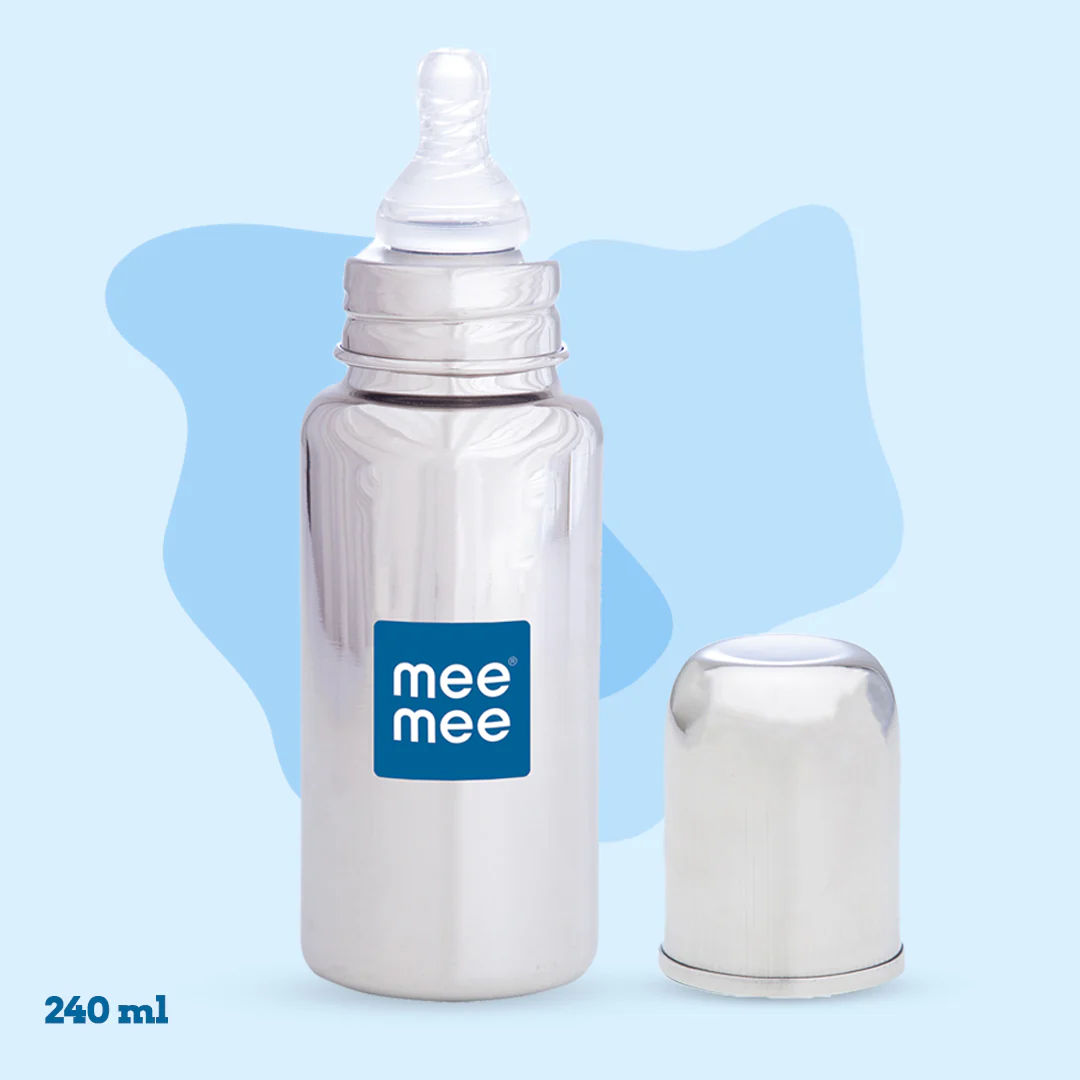
Mee Mee Feeding Bottle 125ml for Newborns
- ✓ Compact 125ml size for newborns
- ✓ BPA-free material
- ✓ Dishwasher safe
* We earn a small commission — at no extra cost to you.
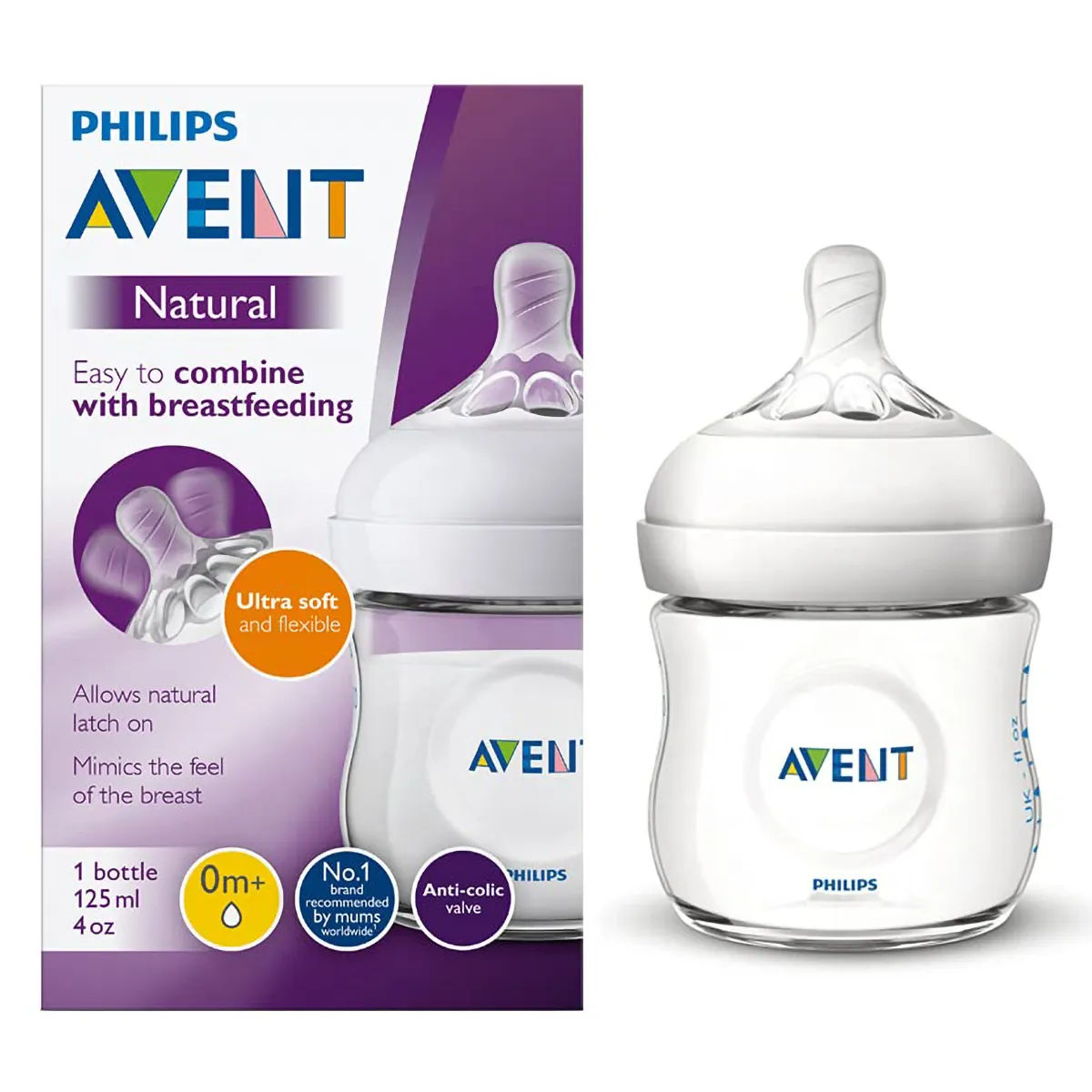
Philips Avent Natural Feeding Bottle 260ml (3+ months)
- ✓ Medium-flow nipple for older infants
- ✓ Anti-colic valve system
- ✓ BPA-free polypropylene
* We earn a small commission — at no extra cost to you.