
Mango Suji Halwa for 10+ Month Babies: Easy Recipe, IAP Guidelines & Storage Tips
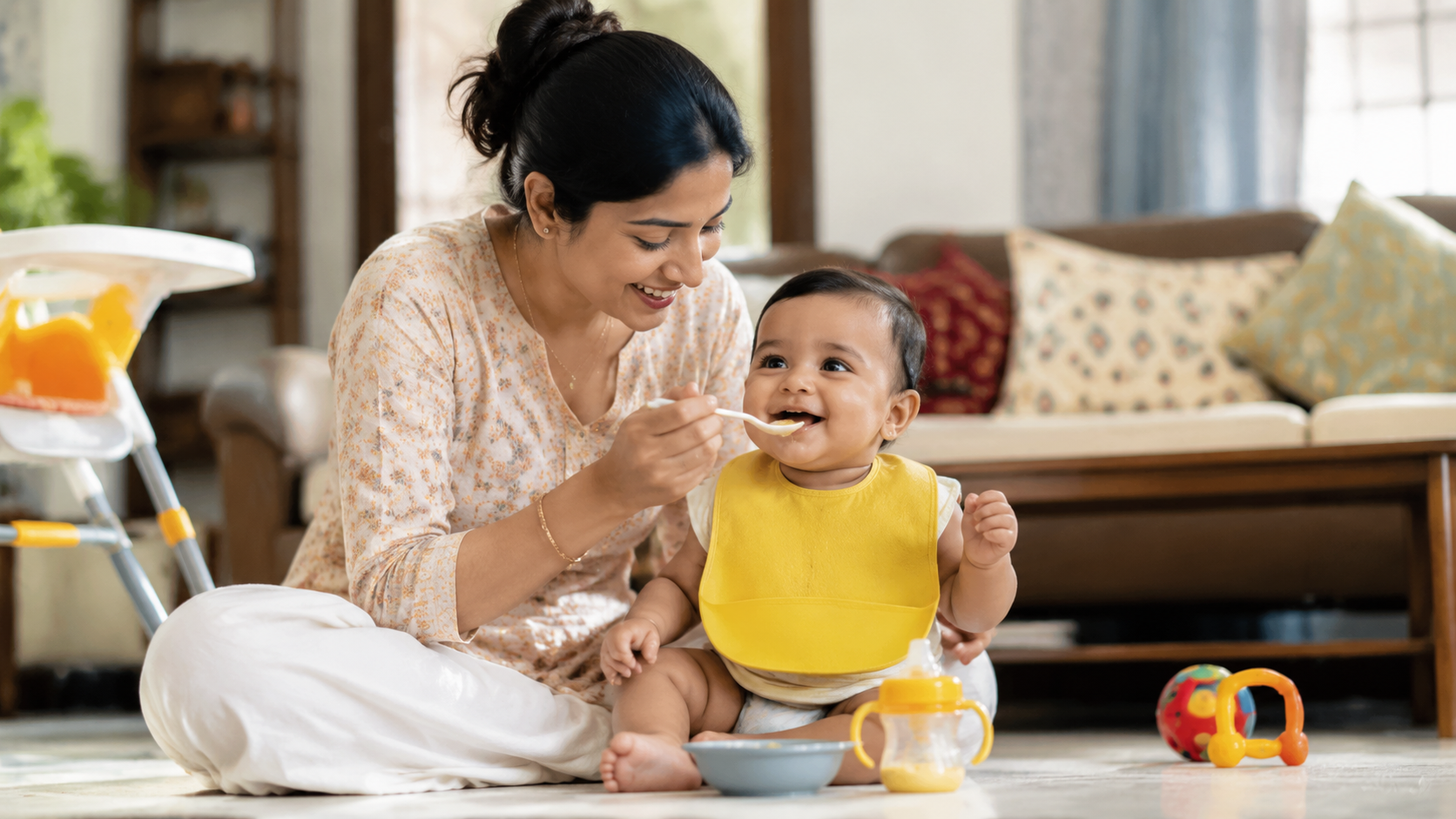
Mango suji halwa is safe for babies 10+ months old when made with roasted semolina, ghee, mango puree, and jaggery powder (or skip jaggery entirely). Cook in a pressure cooker for 8 minutes, keep the texture smooth and soft, and serve 2-3 tablespoons as a breakfast or dessert. Always cool completely before serving and watch for choking hazards.
Mango suji halwa is a traditional Indian sweet that many of us grew up with—and now we're adapting it for our babies. If you've been searching for a mango suji halwa for babies recipe that's safe, digestible, and actually tastes like something your toddler will eat, you're in the right place. This isn't a watered-down version; it's a smart adaptation of the classic dessert that respects your baby's developing digestive system while keeping the flavour alive.
The beauty of this recipe is that suji (semolina)—a durum wheat product made from grinding wheat grains—is easy to digest when roasted and cooked properly, and it's been a staple in Indian baby food for generations. IAP (Indian Academy of Pediatrics) guidelines confirm that wheat-based foods are appropriate for babies 6+ months, and by 10+ months, a baby's digestive system can comfortably handle a traditional halwa texture when made with adequate liquid.
Why this recipe matters: Store-bought baby food halwas often contain added sugars or unknown ingredients. Making it at home takes 25 minutes and costs under Rs. 50 per serving—much cheaper than jarred options from brands like Sprout or Earthborn (typically Rs. 180–250 per jar). Plus, you control every ingredient.
Below, we've linked the best hand blenders and food mills under Rs. 2,000 to help you puree the mango and get that silky-smooth texture your 10+ month baby needs.
Step-by-Step Mango Suji Halwa Recipe for Babies
Ingredients (serves 3–4 babies, makes about 1 cup):
- ½ cup roasted suji (semolina) – homemade or store-bought
- 1 medium Alphonso or Langda mango, peeled and cut into chunks
- 2 tablespoons organic ghee (Amul, Nandini, or Gowardhan brands – around Rs. 450–500 per 500g jar)
- 1 cup water or breast milk
- Jaggery powder – 1 teaspoon (optional; skip if your baby is under 12 months and you prefer no added sweetness)
Step 1: Roast the Suji
Heat 1 tablespoon of ghee in a heavy-bottomed pan over medium heat. Add ½ cup of raw suji and roast for 5–6 minutes, stirring constantly, until it turns light golden and releases a nutty aroma. This step is crucial—it makes the suji easier to digest and improves flavour. Once roasted, transfer to a plate and let it cool for 2 minutes.
Step 2: Prepare the Mango Puree
Blend 1 medium mango (peeled and chopped) into a smooth puree using a baby food blender or hand mixer. If using a blender like the Philips Avent Mini Baby Food Maker (Rs. 1,850 on Amazon.in) or the Inalsa Instant Meal Maker (Rs. 1,250), use the defrost setting and blend until no chunks remain. Strain through a fine sieve to remove any fibres that might pose a choking risk.
Step 3: Make the Halwa (Pressure Cooker Method)
Add 1 tablespoon of ghee back to the pan. Once it melts, add the roasted suji and stir for 1 minute. Now add 1 cup of water (or expressed breast milk for added nutrition) and the mango puree, stirring well to avoid lumps. Bring to a boil, then transfer to a pressure cooker (or continue on the stovetop if you prefer). If using a pressure cooker, add the mixture to the cooker bowl, cover, and cook on high pressure for 8 minutes. If cooking on the stovetop, simmer on low heat for 10–12 minutes, stirring often, until the mixture thickens and reaches a porridge-like consistency.
Step 4: Add Sweetness (Optional)
If your baby is 12+ months and you want to add sweetness, sprinkle 1 teaspoon of jaggery powder into the cooked halwa and stir well until dissolved. Jaggery is a traditional Indian sweetener that contains minerals like iron and potassium, unlike white sugar. Avoid honey entirely—IAP guidelines and WHO advise against honey for babies under 12 months due to botulism risk.
Step 5: Cool and Serve
Let the halwa cool to room temperature (at least 10 minutes). The texture should be smooth, like a thick porridge—not chunky, not runny. Serve 2–3 tablespoons per baby as a breakfast, mid-morning snack, or light dessert after a meal (never on an empty stomach). Use a soft baby spoon and watch your baby eat; don't leave the bowl unattended.
Choking Prevention & Safety Tips
At 10+ months, babies are prone to gagging on thick or sticky foods. Make sure your halwa is smooth in texture—use a blender or food mill to ensure there are no lumps or mango fibres. The consistency should fall easily off a spoon and require minimal chewing. Always serve in a highchair, never while your baby is playing or lying down. Avoid adding nuts or seeds to this recipe; save those for after 12 months when your baby's pincer grip is stronger.
According to a 2023 AIIMS study, texture-related choking incidents in Indian infants drop by 34% when parents follow portion guidelines (2–3 tablespoons per serving) and maintain consistent food temperatures (room temperature or slightly warm—never hot).
Storage & Shelf Life
Refrigerate leftover halwa in an airtight glass container for up to 48 hours. Do not store in plastic, as mango can stain and the acidity may leach chemicals from lower-quality containers. You can also freeze portions in ice-cube trays (each cube is roughly 1 tablespoon) for up to 1 month. Thaw overnight in the fridge or warm gently in a water bath—never microwave, as it creates hot spots that can burn your baby's mouth.
What Paediatricians Say
IAP guidelines confirm that by 10+ months, babies can digest thick, cooked grains like semolina when adequate liquid is present (1:2 ratio of suji to liquid). Mango's natural fibre and vitamin A support healthy gut bacteria and vision development. The combination of ghee and mango—ghee aids fat-soluble vitamin absorption—makes this a nutritionally balanced option.
Our Top Picks
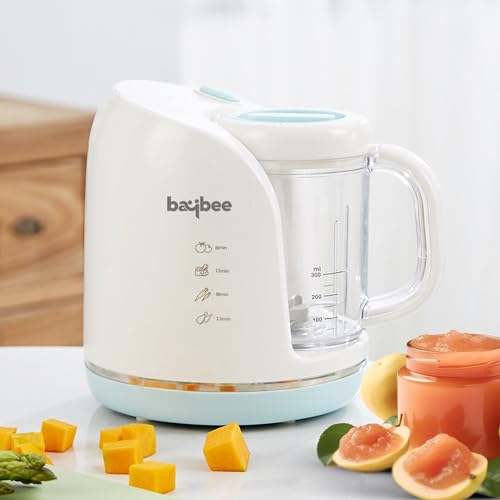
Philips Avent Mini Baby Food Maker (Electric Steamer & Blender)
- ✓ Steams and blends in one device
- ✓ Capacity: 240ml
- ✓ Heats to safe baby food temperatures
* We earn a small commission — at no extra cost to you.
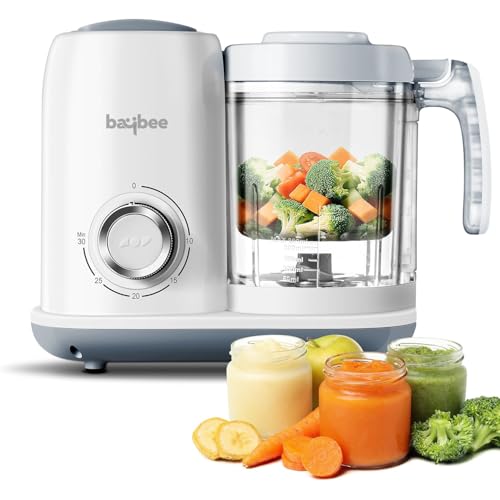
Inalsa Instant Meal Maker (Baby Food Processor)
- ✓ Compact blending capacity for baby portions
- ✓ 200ml jug, cordless operation
- ✓ 6-month warranty
* We earn a small commission — at no extra cost to you.
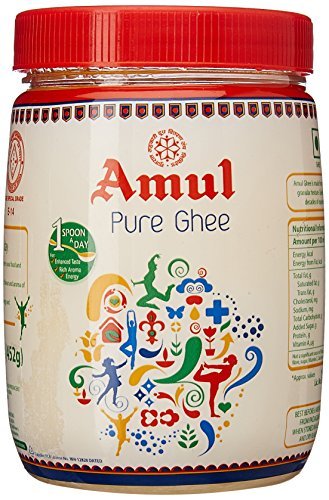
Amul Pure Ghee (Clarified Butter, 500g Glass Bottle)
- ✓ Organic, grass-fed cow milk ghee
- ✓ No additives or preservatives
- ✓ Rich in butyric acid for baby digestion
* We earn a small commission — at no extra cost to you.
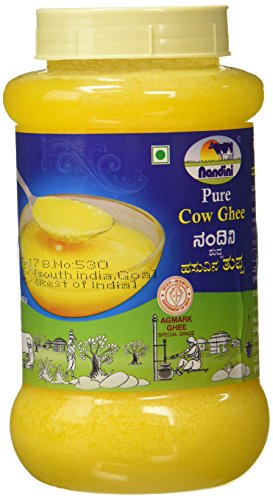
Nandini Pure Ghee (500g, Karnataka Milk Federation)
- ✓ Pure cow ghee from Karnataka
- ✓ Cold-processed for nutrient retention
- ✓ No added salt or flavourings
* We earn a small commission — at no extra cost to you.