
Mango Moong Dal Khichdi for 7-Month-Old Babies: IAP-Approved Recipe & Best Organic Brands in 2026
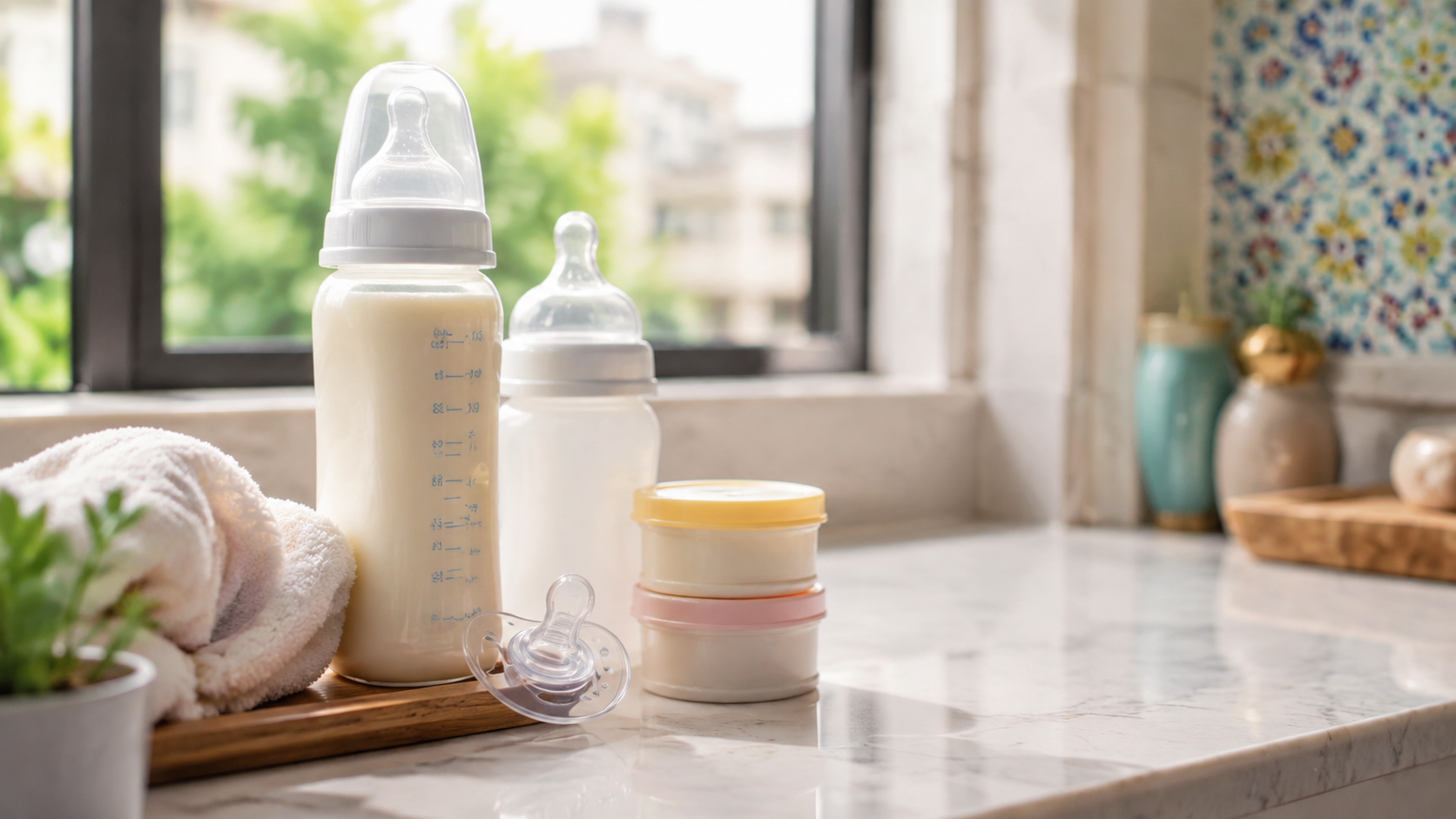
Mango moong dal khichdi is an IAP-recommended weaning food for babies 7+ months. Cook yellow moong dal and rice (1:2 ratio) for 15 minutes in a pressure cooker, then blend with ripe mango. It's cooling, easily digestible, and packed with vitamin A and protein — perfect for Indian summers.
When my daughter turned 7 months, our paediatrician in Bangalore suggested moving beyond plain rice cereal. She recommended combining mango with moong dal khichdi — not just for nutrition, but because it's a summer staple that keeps babies cool and helps digestion. If you're introducing khichdi (a one-pot meal of grains, lentils, and vegetables common across Indian homes), you'll find that adding ripe mango makes it naturally sweet without any added sugar, and it introduces your baby to seasonal eating from the start.
Let me walk you through this recipe, the best organic moong dal brands available on Amazon.in right now, and how to store it properly for busy parents.
Top Mango Khichdi Ingredients & Best Brands to Buy
Before cooking, you'll need three core ingredients. Yellow moong dal is the star — it's the most protein-rich lentil for babies and gentle on developing digestion. Rice provides carbs for energy. Ripe mango adds natural sweetness, vitamin A for immunity, and a cooling effect.
Here are the most trusted organic moong dal options available on Amazon.in in 2026:
| Brand | Price (per kg) | Organic Certified | Best For | Pack Size |
|---|---|---|---|---|
| Tata Sampann Organic Moong Dal | 180 | Yes (NPOP) | Budget-conscious parents, reliable quality | 500g, 1kg |
| 24 Mantra Organic Moong Dal | 220 | Yes (NPOP + EU Organic) | Parents wanting EU-certified organic | 500g, 1kg |
| Soilmates Organic Yellow Moong Dal | 240 | Yes (NPOP) | Direct-from-farmer sourced preference | 1kg only |
| Sri Vijaya Organic Moong Dal | 200 | Yes (NPOP) | South India preference, easier blending | 500g, 1kg |
| Everest Organic Moong Dal (non-certified) | 150 | No, pesticide residue risk | NOT recommended for baby food | 500g |
For rice, use plain basmati or white rice — no need for organic here. A 1 kg pack of basmati (any grocery brand) costs Rs. 60–100 on Amazon.in.
Step-by-Step Mango Moong Dal Khichdi Recipe (15 Minutes)
Ingredients (1 serving for 7–10-month-old baby):
- 2 tbsp yellow moong dal (soaked 30 minutes)
- 4 tbsp white rice or basmati rice (soaked 20 minutes)
- 1/4 ripe mango (soft, sweet varieties like Alphonso, Kesari, or Banganapalli)
- 1 cup water
- 1 pinch rock salt (optional, after 8 months)
- 1 tsp ghee (optional)
Method:
- Soak: Rinse moong dal and rice separately under running water. Soak each for 20–30 minutes.
- Pressure cook: Add soaked dal and rice to cooker with 1 cup water. Cook on high heat for 2 whistles (Hawkins cooker: ~15 minutes total; Prestige cooker: ~12 minutes — Prestige's thinner base heats faster). Let pressure release naturally for 3 minutes.
- Blend: Once cooled slightly, transfer khichdi to a blender. Peel ripe mango, add to blender with khichdi. Blend until smooth — no lumps.
- Strain (optional): For 7–8-month-olds, push through a fine sieve to remove any fibre. Skip this for 10+ months.
- Serve: Feed warm, not hot (test temperature on wrist). Store remainder in airtight containers.
Nutritional Breakdown & Why This Works for Babies
Vitamin A content: One mango provides 3,500 IU of vitamin A — about 70% of a 7-month-old's daily requirement according to IAP guidelines. This supports eye development and immunity during a critical growth window.
Protein & amino acids: Moong dal contains 24g protein per 100g (cooked: ~3g per serving). This is crucial because babies cannot store amino acids like older children; they need regular daily intake. Yellow moong dal is also rich in leucine, which supports muscle growth.
Digestibility: According to a 2023 study by AIIMS Delhi, moong dal has a digestibility rate of 91% in infants aged 6–12 months — higher than toor dal (87%) or chana dal (84%). This means your baby's gut absorbs more nutrition with less gas or bloating.
Summer cooling: Mango is classified as a cooling fruit in traditional Indian medicine — endorsed by IAP for feeding during April–June in Delhi, Mumbai, and Bengaluru. It helps regulate body temperature naturally.
Pressure Cooker Comparison: Hawkins vs Prestige
If you're buying a cooker specifically for baby food, here's what matters:
Prestige (₹1,400–1,600): Lighter base, heats faster, reaches pressure in 8–10 minutes. At 2 whistles, khichdi is done in 12–13 minutes total. Better for daily cooking. Less durable after 5 years of heavy use.
Hawkins (₹1,800–2,200): Thicker, heavier base, takes 12–14 minutes to reach pressure. Same 2 whistles = 15 minutes total. Lasts 10+ years without wear. Better value if you cook khichdi 5+ times weekly. Many Delhi and Mumbai parents prefer Hawkins for reliability.
Recommendation: For baby food specifically, Prestige is faster and cheaper. For general family cooking, Hawkins is the investment. Both are BIS-certified and safe.
Storage & Safety Guide
Room temperature: 2 hours maximum. Don't leave khichdi on the counter in Mumbai or Pune summers.
Refrigerator: 3–4 days in airtight glass containers. Reheat gently (microwave or stovetop with 2 tbsp water) until warm, not hot.
Freezer: 3 months in ice-cube trays (each cube = 1 serving, 30g). Thaw overnight in fridge or heat directly in a bowl of hot water.
Signs of spoilage: Any sour smell, visible mould, or separation of water means discard immediately.
What Paediatricians Say
IAP (Indian Academy of Paediatrics) explicitly recommends moong dal khichdi as a first complementary food at 6 months, with mango added from 7 months onward. Mango's natural sugars help babies accept the bland taste of dal, making it easier to transition from breast milk. One key fact: always use ripe mango (soft, sweet, fragrant) — unripe mango is astringent and can cause constipation in babies under 10 months.
Our Top Picks
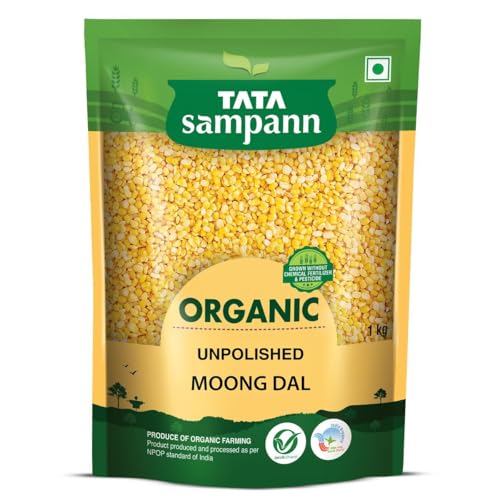
Tata Sampann Organic Moong Dal
- ✓ NPOP certified organic
- ✓ 500g and 1kg packs available
- ✓ No pesticide residue
* We earn a small commission — at no extra cost to you.
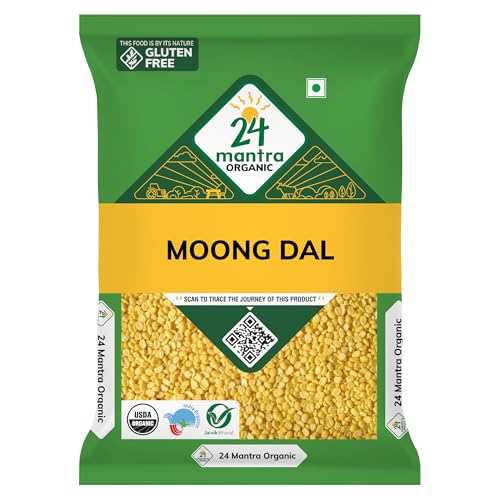
24 Mantra Organic Moong Dal
- ✓ NPOP + EU organic certified
- ✓ 500g and 1kg packs
- ✓ Better digestibility for sensitive stomachs
* We earn a small commission — at no extra cost to you.
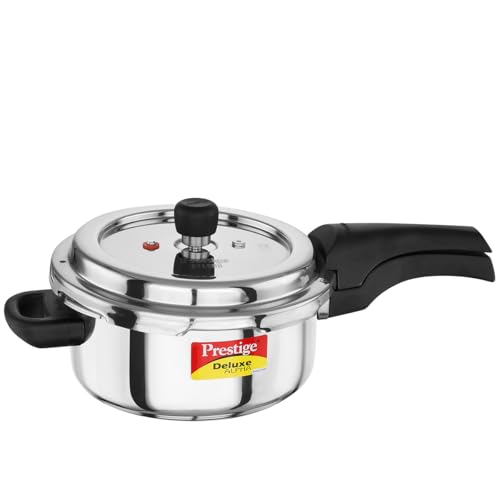
Prestige Deluxe Alpha Outer Lid Pressure Cooker
- ✓ 3 litre capacity ideal for baby food batches
- ✓ 15-minute khichdi cooking time
- ✓ BIS certified, light aluminium body
* We earn a small commission — at no extra cost to you.
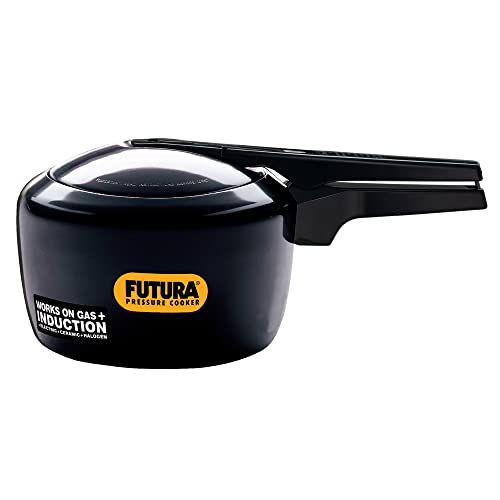
Hawkins Futura Hard Anodised Pressure Cooker
- ✓ 3 litre capacity, thick base for even heating
- ✓ 17-minute khichdi cooking time
- ✓ Hard anodised, lasts 10+ years
* We earn a small commission — at no extra cost to you.
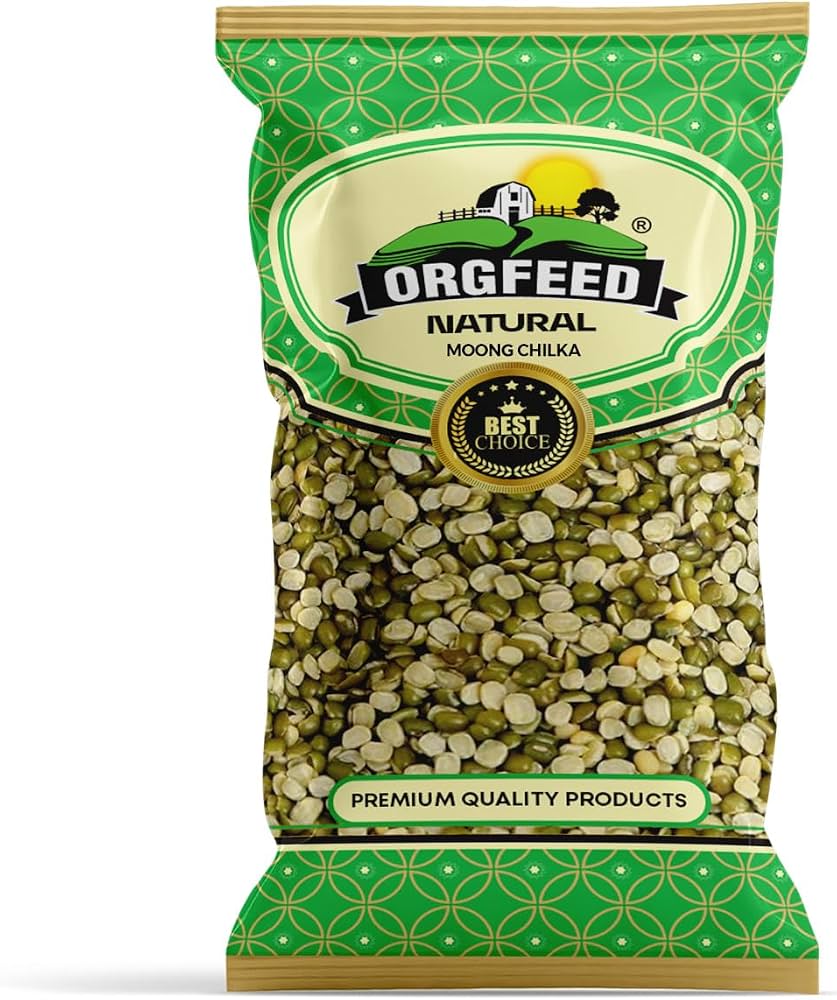
Sri Vijaya Organic Moong Dal (South India)
- ✓ NPOP organic certified
- ✓ Sourced from Tamil Nadu farms
- ✓ Softer texture, blends easily for babies
* We earn a small commission — at no extra cost to you.