
Manganese Deficiency in Babies: IAP 2026 Guidelines, Symptoms & Safe Food Sources for Indian Parents
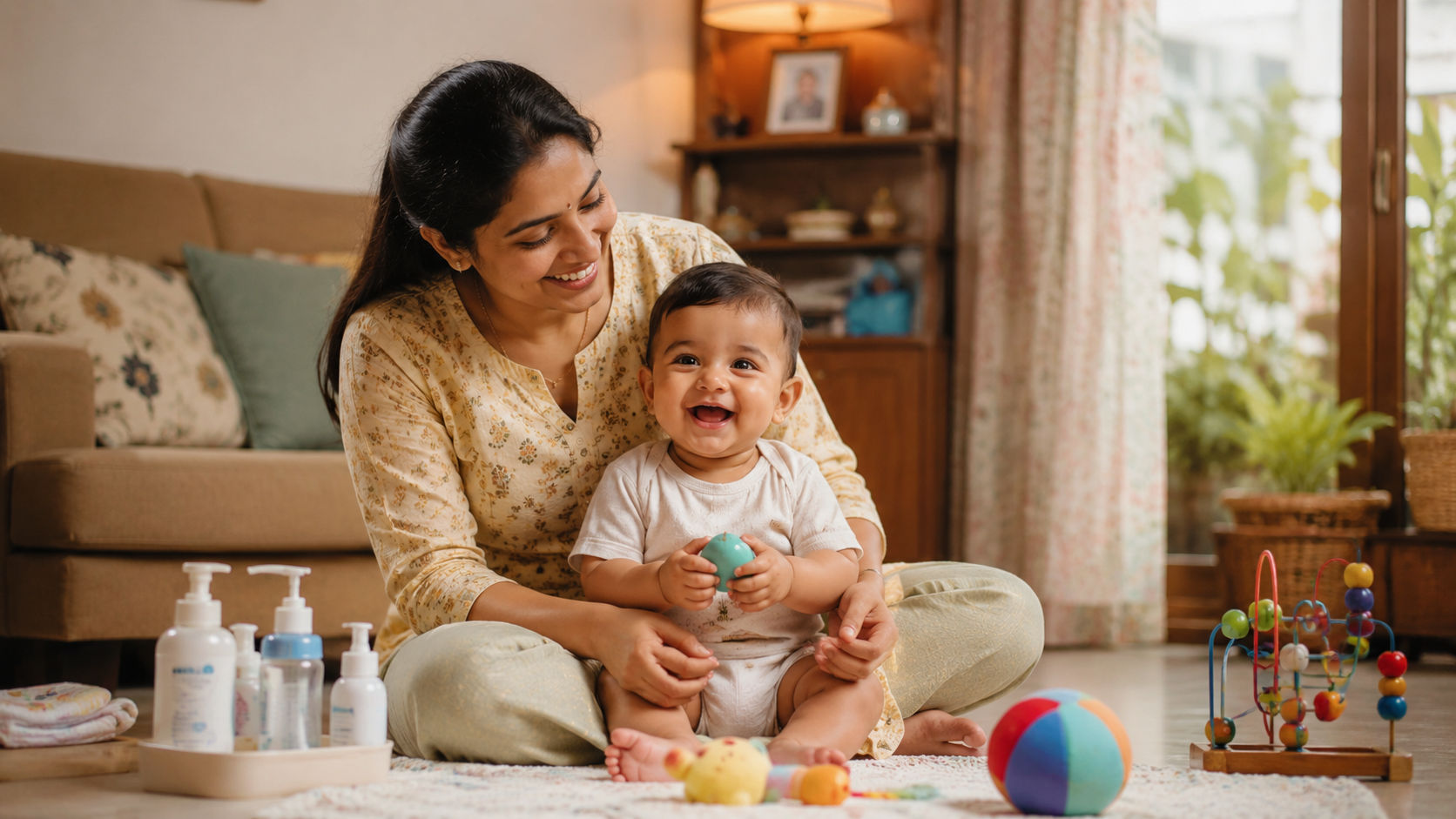
Manganese deficiency in babies is rare in India but can cause slow growth, poor bone development, and skin issues. Most Indian babies get adequate manganese from breastmilk and fortified formulas. IAP recommends whole grains (ragi, wheat), lentils (moong dal), and leafy greens as natural sources from 6 months onwards. Testing is done only if a paediatrician suspects deficiency based on symptoms; overdose from food is unlikely, but supplementation requires medical guidance.
Manganese is a trace mineral essential for bone formation, metabolism, and immune function — your baby needs only small amounts, but those amounts matter hugely for healthy development. If you're a parent in Delhi, Mumbai, Bengaluru, or any Indian city reading about mineral deficiencies, you've probably wondered whether your baby is getting enough. The good news: true manganese deficiency is uncommon in India, especially in exclusively breastfed babies. The less obvious part: the symptoms can mimic other nutritional gaps, and knowing when to test (or not test) is where most parents get confused.
This guide pulls together what IAP (Indian Academy of Pediatrics) recommends in 2026, what the science actually says about Indian babies, and the real foods you can use — not supplements you don't need.
What Is Manganese Deficiency and Why It Matters for Indian Babies
Manganese deficiency: a condition where your baby's body doesn't have enough manganese to support bone growth, cartilage formation, and metabolic processes. Unlike iron or calcium deficiency, which are common in India, manganese deficiency is genuinely rare — partly because even small amounts are present in most Indian staple grains and vegetables.
Manganese works with other minerals and enzymes. When levels drop, your baby's bones don't calcify properly, growth slows, and sometimes skin takes on an unusual appearance. The challenge: you can't tell by looking. You need to know the early signs and when a paediatrician should test.
Why it's relevant now: with more parents choosing alternative formulas, reducing whole grains, or over-relying on processed baby foods, trace mineral intake can slip. Understanding natural food sources matters more in 2026 than ever.
Recognizing the Early Signs: Symptoms of Manganese Deficiency in Babies
Slow growth and weight gain: The first sign most parents notice is that their baby isn't gaining weight at the expected rate. A 12-month-old should weigh roughly 3× their birth weight; if your baby is consistently below growth charts despite adequate calories, a paediatrician may investigate. Manganese plays a role in enzyme activity that drives growth; without it, growth plateaus.
Bone and joint issues: Manganese is critical for glycosaminoglycan synthesis, the compound that forms cartilage and bone matrix. Deficiency can lead to joint stiffness, unusual bone shape, or reduced bone density. You might notice your baby avoids certain movements or seems stiff when moving. These are subtle — often dismissed as normal variation — but a paediatrician familiar with trace mineral deficiency will flag them.
Skin changes: Does manganese deficiency affect the skin? Yes, sometimes. Affected babies can develop scaly, flaky, or eczema-like patches, particularly on the legs and arms. The skin may appear dull or show delayed wound healing. This symptom often gets mistaken for dry skin or atopic dermatitis, so context matters — if skin issues appear alongside slow growth, mention it to your paediatrician.
Hair and nail problems: In severe cases (very rare in India), hair may become thin, fragile, or lose color variation. Nails can become brittle. Again, these are late-stage signs; you'd catch a deficiency long before this in routine well-baby visits.
What paediatricians say about early detection: According to IAP 2026 guidelines, any baby showing persistent growth lag (falling below their own growth curve, not just below the general chart) combined with bone or skin symptoms warrants investigation. Testing is not routine — it's targeted. If your baby is growing normally and eating a mixed diet, manganese deficiency is extremely unlikely.
Indian Food Sources: How to Meet Manganese Needs Without Supplements
The easiest way to prevent deficiency: offer age-appropriate foods rich in manganese from 6 months onwards. Here's what works for Indian babies:
Whole grains and cereals (6+ months): Ragi (finger millet) is the standout — one of India's richest natural sources. At ₹80–120 per kilogram, it's affordable and available everywhere from Lucknow to Chennai. Prepare ragi porridge or mix it into wheat-based weaning foods. Whole wheat roti or bread (₹40–60 per kg) is equally important. Oats (₹150–200 per kg) are another excellent option, especially for babies with sensitive digestion. These three alone meet most manganese needs for a 6–12-month-old.
Lentils and dals (7+ months): Moong dal (₹120–150 per kg) is mild and easily digestible; combine it with rice as a soft khichdi for 7–8-month-olds. Masoor dal (red lentil, ₹100–130 per kg) is similarly nutritious. Toor dal (₹140–180 per kg) works well in sambar or as a light puree. One serving of any dal daily covers a significant portion of daily manganese needs.
Leafy greens (8+ months): Spinach, when soft-cooked and finely chopped, is manganese-dense. Add a small portion to khichdi or mash. Fenugreek leaves are also traditional and work. These are potent — a tablespoon of cooked greens contributes meaningfully without being bulky for a small stomach.
Nuts and seeds (after 9 months, if no allergy history): Crushed almonds (₹800–1000 per kg) or walnut powder (₹600–800 per kg) added to porridge or yogurt boost manganese. Always crush finely to prevent choking; introduce one at a time to check for allergies.
Practical approach: a 12-month-old eating ragi porridge for breakfast, moong dal khichdi at lunch, and whole wheat roti at dinner is getting far more manganese than needed. You're not counting milligrams — you're eating real food. That's the IAP-backed strategy for 2026.
Breastmilk vs Formula: Manganese Content and What It Means
Exclusively breastfed babies up to 6 months receive manganese from mature breastmilk, though levels vary slightly based on maternal diet. Healthy breastfeeding mothers in India rarely have manganese deficiency themselves, so breastmilk typically contains adequate amounts. Formula-fed babies receive manganese from fortified infant formula — most major brands sold on Amazon.in (like Nan, S-26, Lactodex, Farex) meet recommended levels per FSSAI standards.
The risk emerges after 6 months when babies transition to semi-solids. If parents offer only refined carbohydrates (white rice, white bread) and avoid whole grains and lentils, manganese intake drops. This is where food choice, not formula choice, becomes critical.
When Paediatricians Test and What Results Mean
Testing is not routine. A paediatrician tests for manganese deficiency only if:
- Your baby shows persistent growth failure (crossing growth percentiles downward)
- Bone or joint abnormalities are visible on exam or X-ray
- Skin issues don't respond to standard eczema care and other causes are ruled out
- Your baby is on prolonged parenteral nutrition (rare in India) or has severe malabsorption
The test: blood manganese level. Normal range is roughly 4–20 mcg/L (varies by lab). Below 4 mcg/L is deficient. However, blood levels don't always reflect tissue levels, so paediatricians also consider clinical symptoms. A baby with normal growth and no symptoms doesn't need testing, regardless of diet.
Safe Supplementation: When and How Much
Supplementation should happen only under paediatrician supervision. If testing confirms deficiency, typical dosing is 0.3–0.5 mg/kg/day in divided doses, for 2–4 weeks, with repeat testing to confirm correction.
Overdose risks: Excess manganese (above 15 mg/day in young children) can cause toxicity, affecting the nervous system and liver. This is rare from food but possible from supplements. Never self-supplement. If your paediatrician prescribes a manganese supplement, follow the dose exactly and attend follow-up visits. Supplements available on Amazon.in include pediatric multivitamins with trace minerals — but use only if recommended by your doctor, not as a preventive.
Most Indian babies never need a supplement if eating whole grains, lentils, and greens. Prevention through food is safer, cheaper, and proven.
What Paediatricians Say
IAP 2026 position: manganese deficiency in infants and toddlers is rare in India due to widespread consumption of whole grains and lentils. Routine supplementation is not recommended. Focus on dietary diversity from 6 months — whole grains, lentils, leafy greens, and nuts — as the first line. Test only if growth or bone symptoms arise. Early detection at routine 9, 12, and 18-month check-ups catches any real deficiency before it causes harm.
- Key fact 1: Breastmilk contains adequate manganese; risk rises only after 6 months if semi-solid foods lack whole grains.
- Key fact 2: Overdose from food is virtually impossible; overdose from unsupervised supplements is the actual risk.
Bottom line: Manganese deficiency in babies is uncommon in India. Know the early signs (slow growth, bone stiffness, unusual skin), offer whole grains and lentils daily from 6 months, and trust your paediatrician to test only if symptoms warrant it. A balanced diet — not supplements — is your best defence in 2026.
Our Top Picks
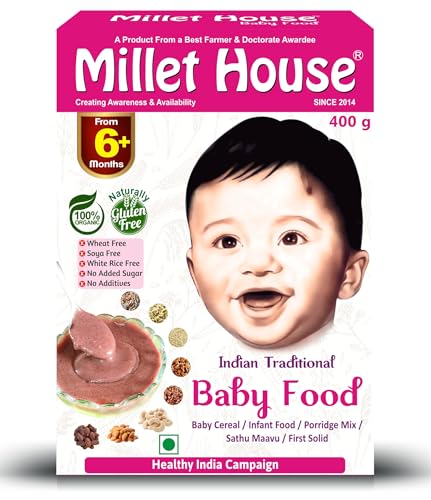
Farex Advanced Baby Cereal - Ragi Multi-Grain (6+ Months)
- ✓ Iron-fortified with ragi and oats
- ✓ No added sugar or salt
- ✓ Suitable from 6 months
* We earn a small commission — at no extra cost to you.
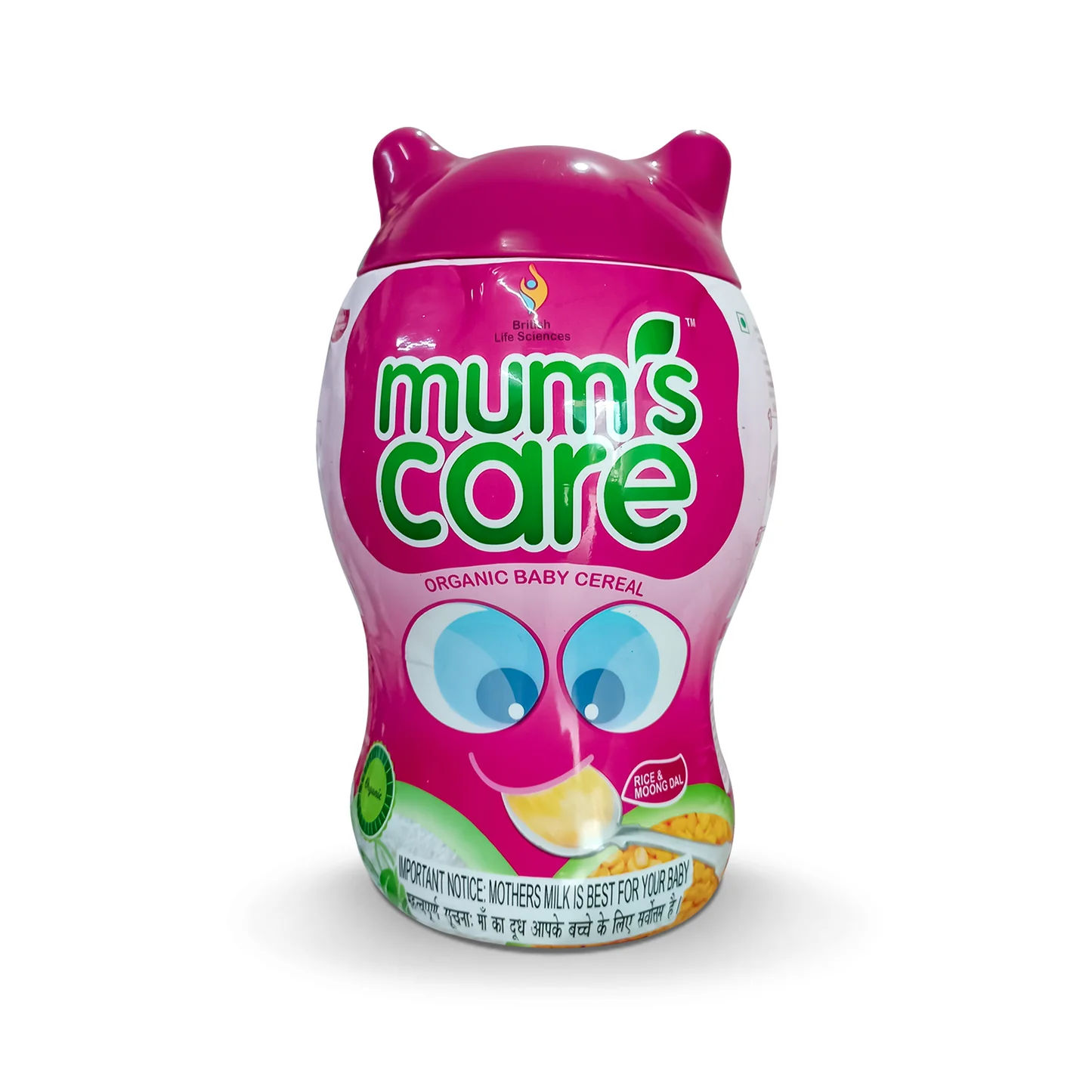
Babyorgano Organic Moong Dal Baby Food Powder (7+ Months)
- ✓ 100% organic moong dal
- ✓ No additives or preservatives
- ✓ Easy to digest
* We earn a small commission — at no extra cost to you.
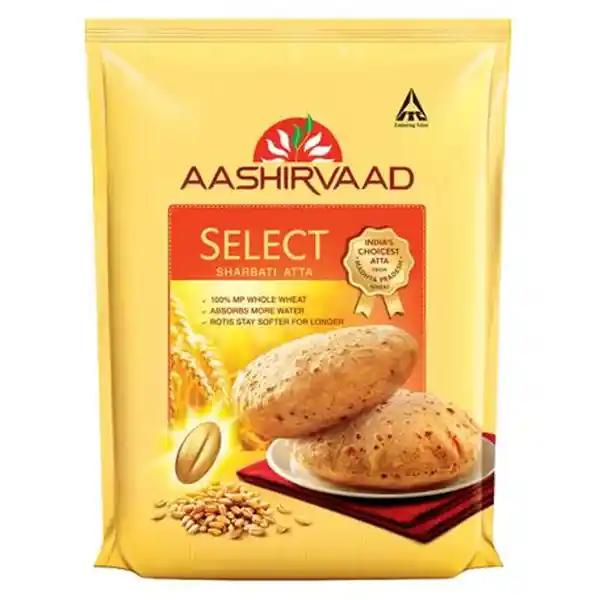
Aashirvaad Select Chakki Atta Whole Wheat Flour (Family Pack)
- ✓ 100% whole wheat
- ✓ Stone-ground for nutrient retention
- ✓ Suitable for baby roti from 8+ months
* We earn a small commission — at no extra cost to you.