
Makhana Kheer for Babies (8+ Months): Traditional Recipe & Best Organic Brands in India 2026
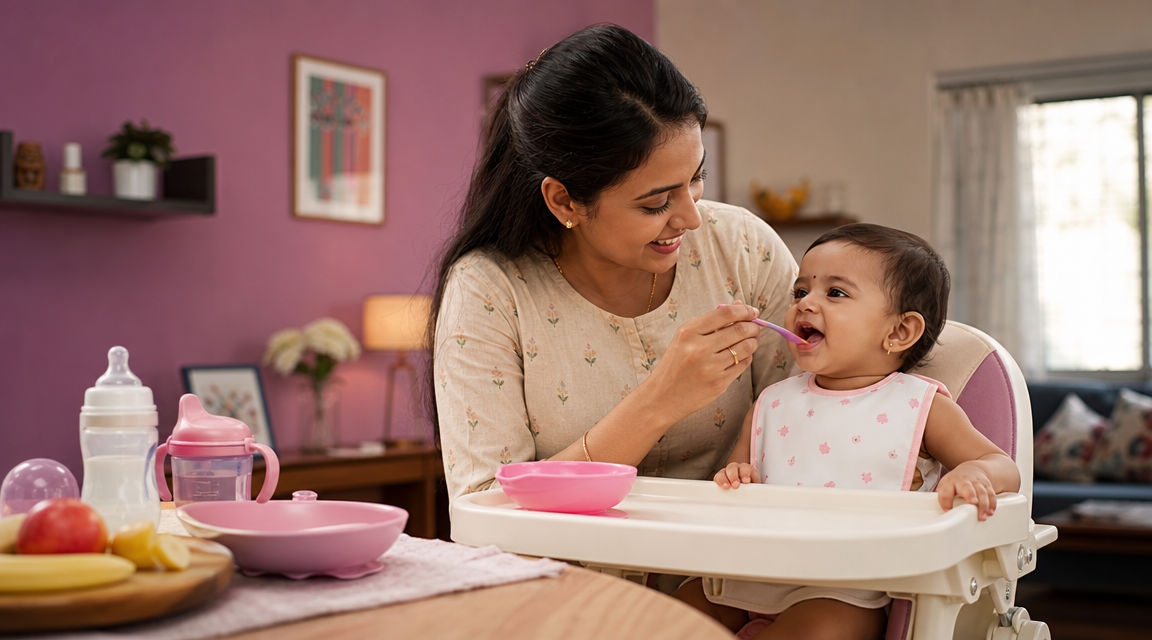
Makhana kheer is a traditional, gentle first solid for babies 8+ months. Soak makhana overnight, grind to paste, cook in cow's milk with jaggery powder to create a smooth, calcium-rich porridge. Use organic brands like Farmley (₹149/100g) or Happilo (₹169/100g) for purity and minimal additives.
Makhana kheer for babies: a creamy, mild porridge made from fox nuts (makhana) simmered in milk-a staple weaning food across Northern and Eastern India that's been fed to babies for generations. It's naturally free from top allergens, packed with calcium and protein, and easier to digest than many packaged baby foods.
If you're in Mumbai, Delhi, Bengaluru, or Pune and looking to introduce your 8+ month old to traditional Indian finger foods, makhana kheer sits at the sweet spot between nutrition and ease of preparation. Many parents find it less fussy than making dal-based porridges and more comforting than store-bought alternatives.
The most popular organic makhana brands available on Amazon.in right now are Farmley, Happilo, and Nutraj-all certified organic and widely stocked in tier-1 and tier-2 cities. We'll walk through the exact recipe, what makes each brand different, and how to adapt the texture as your baby grows.
Traditional Makhana Kheer Recipe for Babies (8+ Months)
Makhana: lightweight, puffed seeds from the lotus plant that become powdery when ground, often used in Indian baby food since it's hypoallergenic and gentle on developing digestion.
What You'll Need:
- 1/4 cup raw makhana (about 30g, roughly 12-15 pieces)
- 1 cup cow's milk (full-fat, ideally pasteurised and cooled)
- 1/2 teaspoon pure jaggery powder (no additives)
- 1 pinch of cardamom powder (optional, for babies 10+ months)
- Ghee: 1/4 teaspoon (optional)
Step-by-Step Method:
- Soak the makhana overnight (or minimum 4 hours). Use filtered water at room temperature. This softens the nuts and makes grinding easier. Drain water before use.
- Dry roast (optional but recommended). Heat a small pan on low flame, add soaked makhana, and stir gently for 2-3 minutes until fragrant. Skip this if your baby has a sensitive stomach; roasting adds a nutty flavour but may cause mild wind in some infants.
- Grind to a fine paste. Use a baby food grinder (Philips Avent or Pigeon Mini Chopper work well-see tools below) or a mortar and pestle. The paste should be smooth, with no visible lumps. For younger 8-month-olds, grind twice or add 2-3 tablespoons of milk during grinding to create a thinner slurry.
- Cook in milk. Pour the paste into a heavy-bottomed pan, add 1 cup milk slowly while stirring to avoid lumps. Use a whisk or fork to mix continuously. Heat on low to medium flame for 5-7 minutes, stirring every 30 seconds.
- Add sweetness. Stir in 1/2 teaspoon jaggery powder (no cane sugar before 12 months) and mix until dissolved. If using cardamom, add 1 pinch (babies 10+ months only).
- Cool to body temperature. Transfer to a bowl and let cool to 37°C (test on your inner wrist-should feel warm but not hot). Serve immediately.
Texture Tweaks by Age:
- 8-9 months: Thin, pourable consistency (add extra milk if needed so baby can swallow easily).
- 10-12 months: Slightly thicker, spoonable kheer-closer to the traditional recipe above.
- 12+ months: Standard makhana kheer with small soft lumps; introduce chopped dried fruit (apricots, dates) for texture variety.
Best Organic Makhana Brands in India 2026
All three brands below are certified organic by FSSAI and widely available on Amazon.in. None use artificial additives, pesticides, or preservatives-critical for babies under 12 months.
| Brand | Price (100g) | Organic Cert. | Packaging | Best For |
|---|---|---|---|---|
| Farmley Organic Makhana | ₹149 | FSSAI certified | Ziplock pouch, 100g | Budget-conscious parents; good shelf life (6 months) |
| Happilo Premium Organic Makhana | ₹169 | FSSAI certified | Airtight bottle, 100g | Parents prioritising airtight storage; slightly larger pieces (better for 10+ months) |
| Nutraj Organic Makhana | ₹139 | FSSAI certified | Ziplock, 100g | Best value; finest quality control; widely available in Bengaluru, Delhi metro |
All three brands list only one ingredient on their label: makhana (lotus seeds). No additives, no fillers, no anti-caking agents.
Nutritional Benefits & Allergen Profile
One serving (1 tablespoon makhana powder cooked in 1/4 cup milk) provides:
- Calcium: 120-150 mg (from milk; IAP recommends 500-600 mg daily for 8-12 month-olds, so makhana kheer provides ~20-25% of daily needs)
- Protein: 1.5-2g (supports muscle and brain development)
- Carbohydrates: 8g (gentle energy; low glycemic index)
- Fat: 0.1g (negligible; add ghee for DHA if breastfeeding has reduced)
- Fiber: 0.8g (aids gentle digestion)
Allergen Status: Makhana is naturally free from the top 8 allergens (milk is the only allergen here, which is intentional). Suitable for babies with nut, soy, or sesame allergies. However, if your baby has confirmed cow's milk allergy, substitute with almond milk or unsweetened oat milk (both available on Amazon.in from brands like Urban Platter or Milky Moo).
When to Introduce: Start makhana kheer at exactly 8 months (never before, as makhana is low in iron and vitamin C-pair with citrus fruit to aid iron absorption if baby has refused fortified cereals). Introduce in small 2-tablespoon portions, wait 3-5 days before adding new foods, and watch for any rashes or loose stools.
Best Tools for Preparing Makhana Kheer
- Philips Avent Easy Peel Steamer & Blender (₹3,495 on Amazon.in): Steams and blends in one device; ideal if you're making multiple vegetables alongside kheer. 220-watt motor handles makhana paste easily. Removable glass jug (dishwasher-safe).
- Pigeon Mini Electric Chopper (₹999 on Amazon.in): Compact, one-button operation, 250ml capacity. Perfect for small batches of makhana. Stainless steel blades; dishwasher-safe. Best budget option.
- Traditional mortar and pestle: Zero electricity, zero noise-some parents prefer this for grinding roasted makhana. Takes 4-5 minutes of manual effort; great if you're in a tier-3 city with unreliable power.
What Paediatricians Say
IAP (Indian Academy of Pediatrics) recognises makhana as a safe weaning food from 8 months onward, though it recommends pairing it with vitamin C sources (like guava or citrus) to boost iron absorption. Makhana alone is low in iron, so rotating it with fortified cereals or iron-rich dals ensures adequate micronutrient intake. Most paediatricians in Delhi and Mumbai report that babies introduced to makhana kheer have fewer digestion issues compared to cow's milk alone.
Our Top Picks
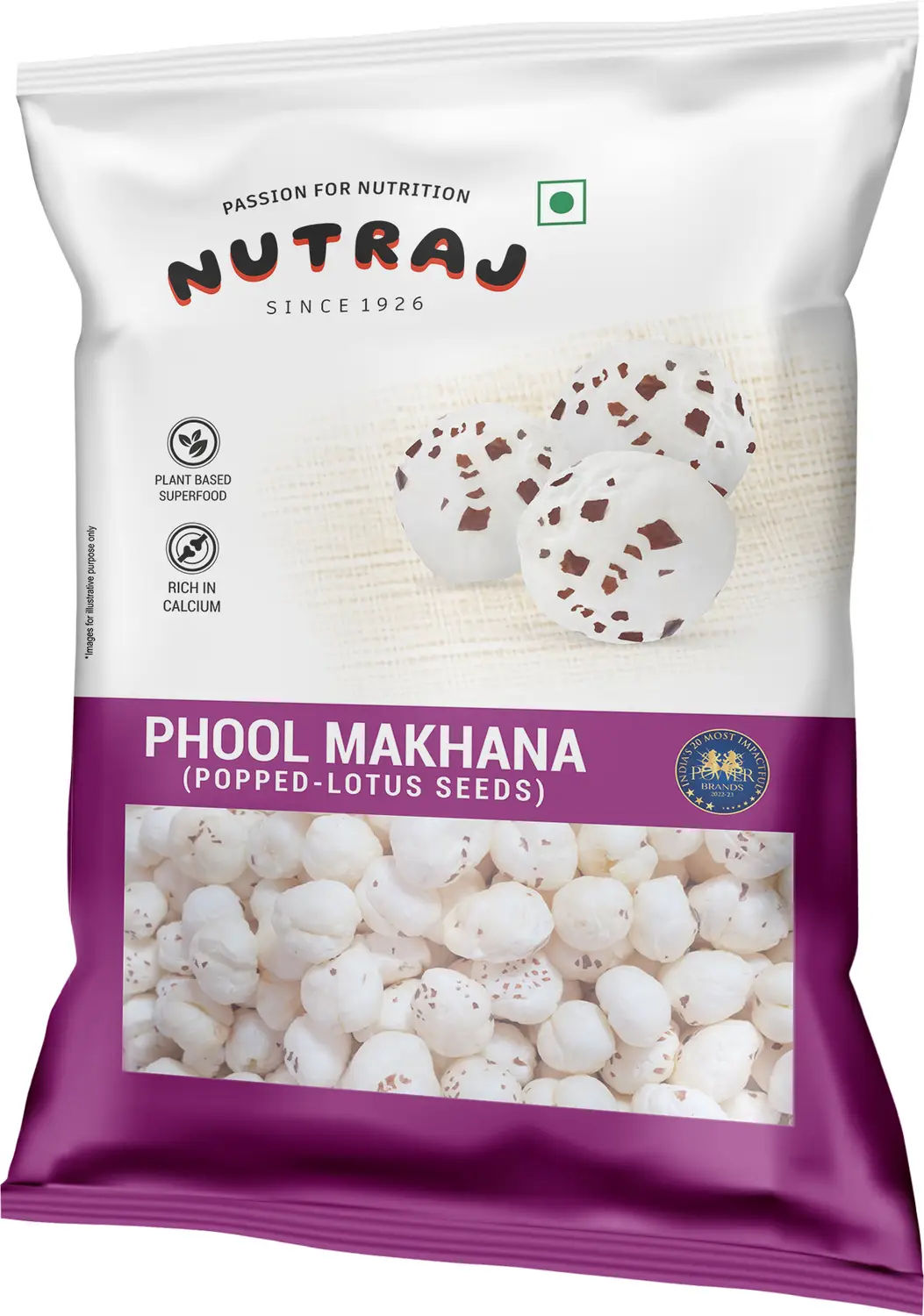
Nutraj Organic Makhana (Fox Nuts) 100g
- ✓ FSSAI certified organic
- ✓ 100% pure makhana, no additives
- ✓ Ziplock pouch packaging
* We earn a small commission — at no extra cost to you.
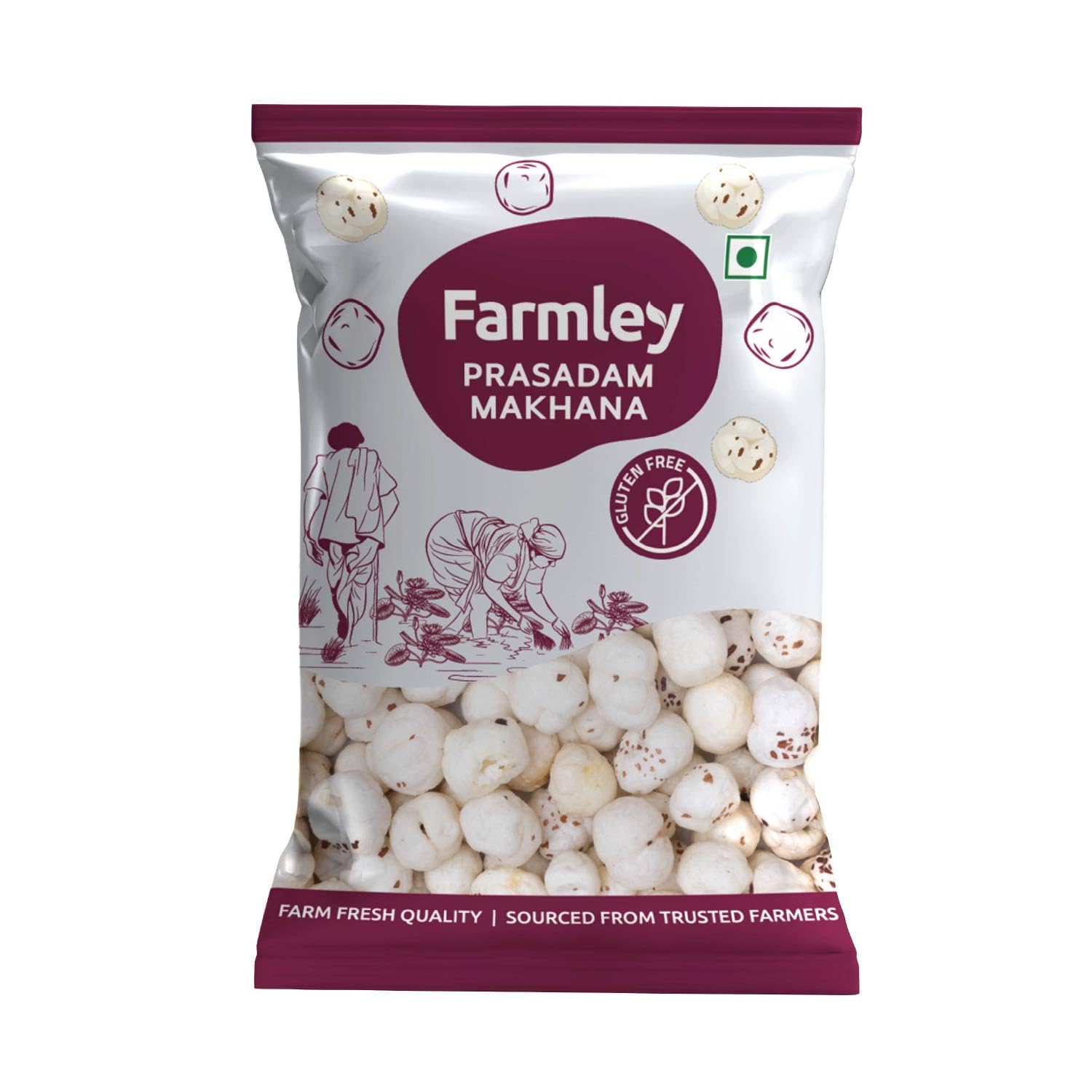
Farmley Organic Makhana (Lotus Seeds) 100g
- ✓ FSSAI certified organic
- ✓ No preservatives or additives
- ✓ 6-month shelf life post-opening
* We earn a small commission — at no extra cost to you.
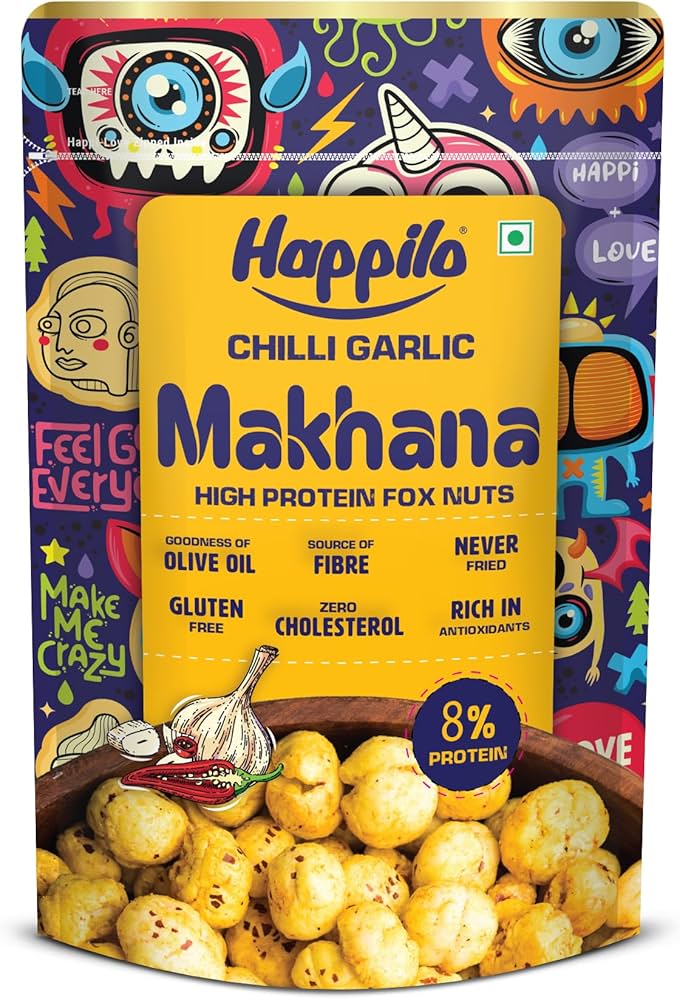
Happilo Premium Organic Makhana 100g
- ✓ FSSAI certified organic
- ✓ Airtight glass bottle packaging
- ✓ Large uniform kernels
* We earn a small commission — at no extra cost to you.
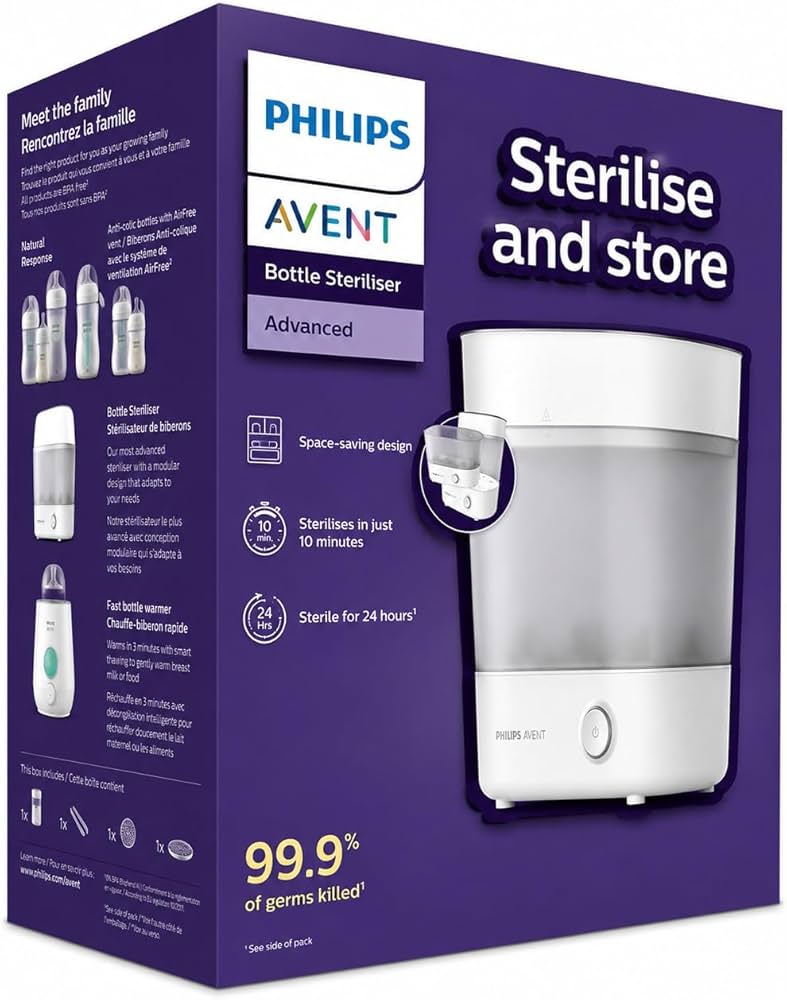
Philips Avent Easy Peel Steamer & Blender
- ✓ 220W motor, steams and blends
- ✓ 500ml glass jug, dishwasher-safe
- ✓ Detachable cord, compact storage
* We earn a small commission — at no extra cost to you.
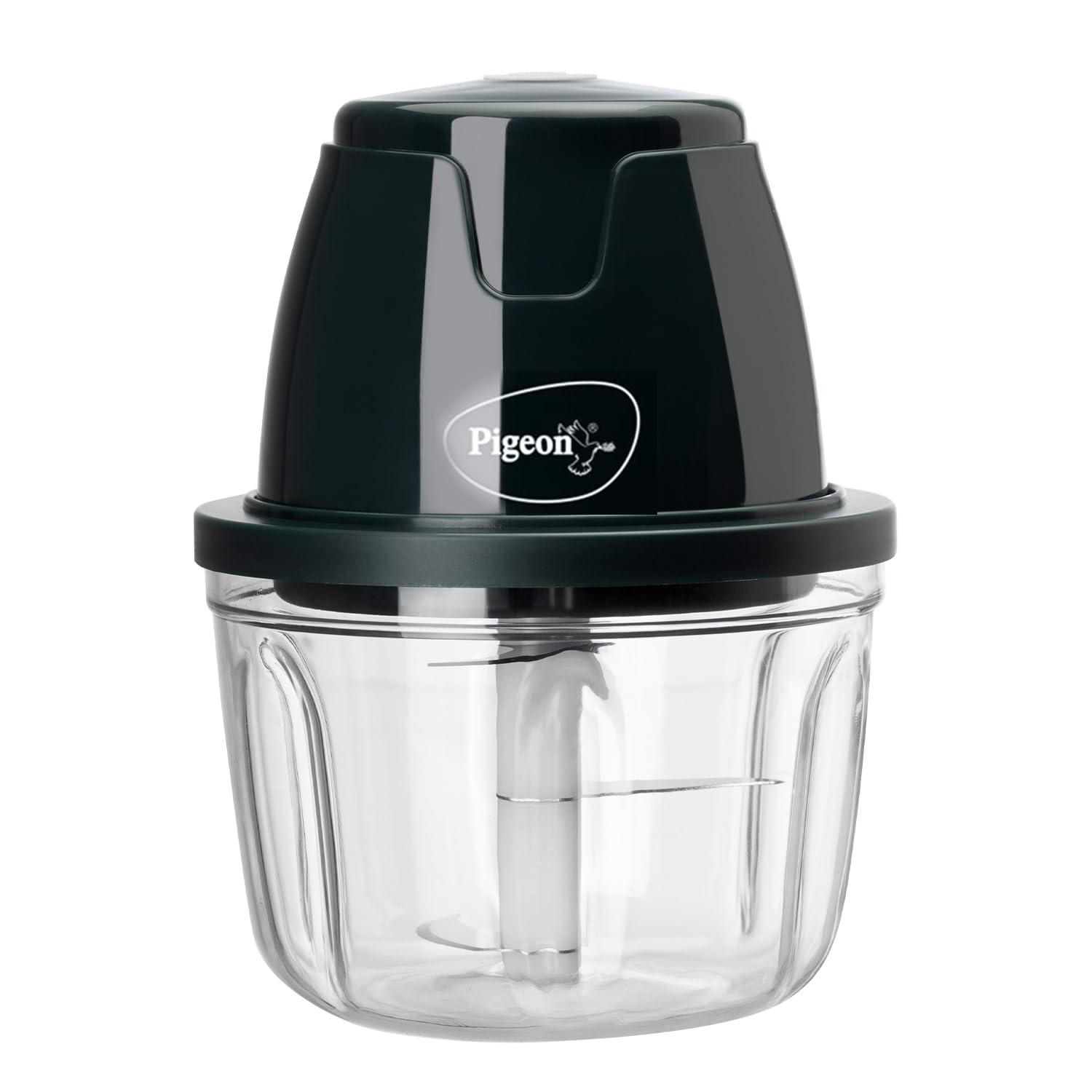
Pigeon Mini Electric Chopper 250ml
- ✓ One-button operation
- ✓ 250ml capacity, stainless steel blades
- ✓ Dishwasher-safe, compact design
* We earn a small commission — at no extra cost to you.