
Makhana Porridge for Babies: IAP-Approved Recipe, Best Brands & Storage Guide (2026)

Makhana porridge for babies aged 8 months and above is made by dry-roasting makhana seeds, grinding into powder, cooking with milk and water for 8 minutes in a pressure cooker, and pureeing to baby's texture preference. Start with 2 tablespoons of makhana powder mixed with 100 ml milk once daily, gradually increasing quantity after confirming no allergies over 3-5 days.
Makhana porridge is one of the easiest, most digestible first porridges for Indian babies transitioning from milk alone. Makhana (also called fox nuts or lotus seeds) is a water-plant seed harvested across India's wetlands, traditionally used in Indian baby food for centuries. It's naturally gluten-free, easily digestible, and packed with calcium and plant-based protein—exactly what growing babies need between 8-12 months when purees are moving toward thicker textures.
If you're in Mumbai, Delhi, Bengaluru, Pune, or other tier-1 cities, you've probably seen makhana everywhere lately. But quality varies wildly: some packs are stale, some harbour moisture, and some brands don't disclose sourcing. This guide walks you through selecting the right makhana, making porridge safely at home, understanding nutritional benefits, and storing it properly—so you're not guessing.
Why Makhana Porridge for Your 8+ Month Baby?
Between 6-12 months, babies need iron, calcium, and complete proteins to support rapid growth. While rice porridge is common, makhana offers something rice doesn't: lysine, an amino acid essential for bone and muscle development in infants. IAP (Indian Academy of Pediatrics) recommends introducing variety in grains and seeds from 8 months onward, and makhana fits perfectly because it's mild, rarely triggers allergies, and absorbs milk well.
Makhana is also lightweight on digestion—some parents worry it's "heavy," but the opposite is true. Its low fibre content and easy digestibility make it ideal for babies whose gut is still maturing. It also naturally contains phosphorus and magnesium, which support calcium absorption, meaning your baby gets better mineral benefit from the milk you're cooking it in.
Best Makhana Brands for Babies: What to Buy in 2026
Not all makhana is created equal. For babies, you need organic, pesticide-free, moisture-sealed packs. The top two consistently reliable brands available on Amazon.in are Happilo Premium Natural Makhana (around Rs. 350 for 250g) and Farmley Organic Makhana (around Rs. 299 for 250g). Both explicitly list their sourcing as Madhya Pradesh and Bihar wetlands, both are certified organic, and both maintain below 9% moisture content (critical for freshness).
Happilo's packaging is thicker and includes a zip-lock; Farmley comes in a stand-up pouch. For babies, either works—the key is that both brands list no additives or artificial drying agents on their ingredient labels, which you can verify on their Amazon.in product page. A 250g pack costs roughly Rs. 300-350 and yields about 15-20 servings of porridge, making it far cheaper than pre-made baby cereals.
Storage matters: once opened, transfer makhana to an airtight glass jar in a cool, dry cupboard. Whole makhana stays fresh for up to 6 months if kept dry; ground makhana powder should be used within 2 weeks to avoid rancidity.
How to Make Makhana Porridge: Pressure Cooker Method (8 Minutes)
Ingredients (for 1 serving):
- 2 tablespoons raw makhana seeds
- 100 ml cow's milk (or formula if you're on formula)
- 50 ml water
- 1/4 teaspoon ghee (optional, for iron absorption)
Step-by-step:
- Dry-roast: Heat a non-stick pan on medium flame. Add 2 tablespoons raw makhana. Stir constantly for 3-4 minutes until makhana turns slightly pale and releases a subtle nutty aroma. This step removes moisture and makes grinding easier. Let cool for 2 minutes.
- Grind: Once cool, transfer roasted makhana to a wet grinder or food processor. Add 2 tablespoons water. Grind for 1 minute until fine powder forms (no chunks). If you don't have a grinder, use a mortar-pestle—it takes longer but works.
- Cook: Pour makhana powder into a stainless steel pressure cooker bowl (not aluminium, as it can leach). Add 100 ml milk and 50 ml water. Stir well to break lumps. Add ghee if using.
- Pressure cook: Cover the bowl loosely (don't seal) and place inside the pressure cooker with 1 cup water at the base. Lock the cooker. Cook on high flame for 8 minutes, then natural release (wait 5 minutes before opening). This method ensures even heating and soft porridge without scorching.
- Puree & cool: Once the pressure cooker cools, open and check porridge consistency. If it's lumpy, blend for 10-15 seconds using an immersion blender until smooth. Let cool to 40°C (test on your wrist) before serving.
Texture progression: 8-9 months: smooth puree (like yoghurt consistency). 10-12 months: thick porridge (keep some tiny soft bits). 12+ months: semi-thick porridge with visible makhana pieces for self-feeding practice.
For making larger batches (3-4 servings), multiply ingredients proportionally and cook for 10 minutes instead of 8. Store in glass bowls in the fridge—makhana porridge lasts 3 days at 4°C.
Nutrition, Storage & Safety Tips
One serving of makhana porridge (made as above) contains approximately 45 calories, 1.8g protein, 6.2g carbs, and 110mg calcium (when made with cow's milk). That calcium comes from both makhana and milk—a key reason IAP recommends grain-seed combinations for bone-building in the first year of solids.
For storage: always use sterilised glass containers (not plastic, which can leach). Cool porridge completely before sealing. If you're making ahead, freeze individual portions in ice-cube trays (15ml per cube) for up to 4 weeks, then thaw in the fridge 12 hours before serving. Never reheat in a microwave—always warm gently on the stove over low heat, stirring constantly.
Two essential affordable tools: a baby food maker (around Rs. 1,899 on Amazon.in) saves time if you're making multiple porridges weekly and can steam-blend in one step, and stainless steel baby bowls with lids (Rs. 399 for a set of 2) keep portions fresh and are dishwasher-safe for 5+ years.
Watch for signs of allergy: itching around the mouth, vomiting, or loose stools within 2 hours of feeding. Makhana allergies are rare, but introduce it alone (without mixed fruits or other new foods) for the first 3-5 days to isolate any reaction.
What Paediatricians Say
IAP guidelines (2024) recommend introducing seed-based porridges like makhana by 8 months to diversify nutrient intake and prevent iron deficiency anaemia common in Indian babies by 12 months. Makhana's combination of calcium and lysine supports both bone mineralisation and muscle protein synthesis during this critical growth window.
Our Top Picks
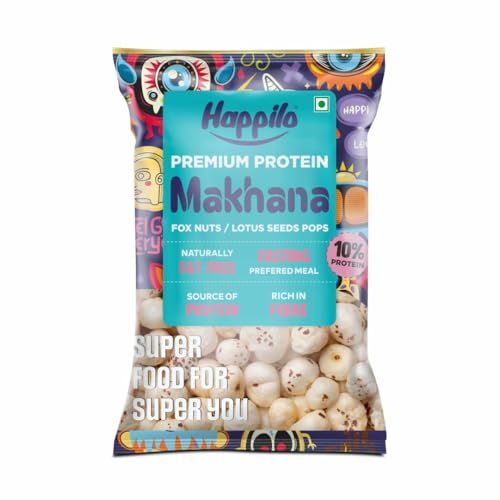
Happilo Premium Natural Makhana (Fox Nuts)
- ✓ 250g premium roasted makhana
- ✓ Certified organic, no additives
- ✓ Sourced from Madhya Pradesh wetlands
* We earn a small commission — at no extra cost to you.
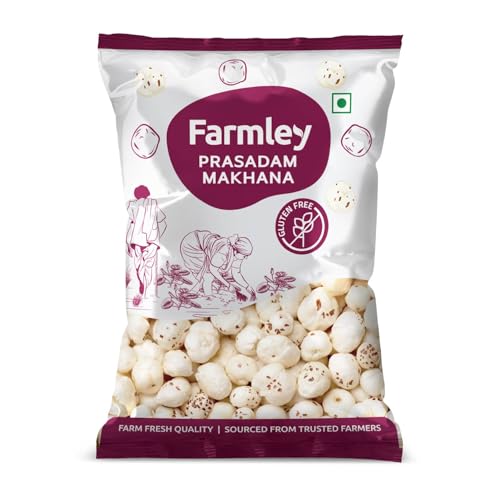
Farmley Organic Makhana (Lotus Seeds)
- ✓ 250g organic makhana
- ✓ APEDA certified organic
- ✓ Sourced from Bihar and Madhya Pradesh
* We earn a small commission — at no extra cost to you.
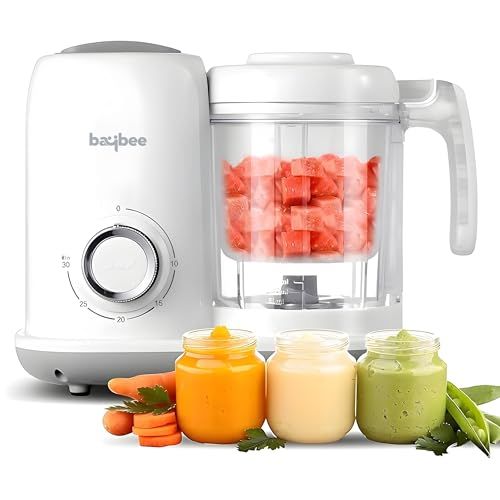
Philips Avent Combined Steamer & Blender
- ✓ Steam-cooks and blends in one step
- ✓ 400ml capacity for 1-2 servings
- ✓ BPA-free plastic, dishwasher safe
* We earn a small commission — at no extra cost to you.
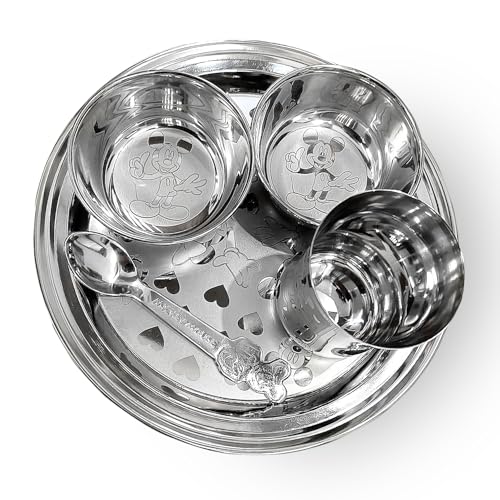
Stainless Steel Baby Bowl Set with Lids (Pack of 2)
- ✓ 200ml capacity per bowl
- ✓ Food-grade 304 stainless steel
- ✓ Silicone sealed lids prevent spill
* We earn a small commission — at no extra cost to you.