
Magnesium Deficiency in Babies: IAP 2026 Symptoms, Testing Guidelines & Indian Food Sources

Magnesium deficiency in babies shows as muscle twitches, poor sleep, irritability, and constipation. Most healthy exclusively breastfed infants (0–6 months) don't need testing unless there's a medical concern; after 6 months, a food-first approach with magnesium-rich foods like ragi, moong dal, and spinach prevents deficiency. Only test if your paediatrician suspects a metabolic issue.
Magnesium deficiency — or hypomagnesemia: a condition where blood magnesium levels fall below 1.7 mg/dL, the minimum threshold set by IAP clinical guidelines — is rare in Indian babies but often missed because symptoms overlap with colic, teething, or reflux. As a parent in Delhi, Mumbai, or Bengaluru, you've probably heard about calcium and iron, but magnesium? It quietly regulates 300+ enzyme reactions in your baby's body, including nerve signals, muscle contractions, and sleep cycles. When it runs low, your 4-month-old might twitch during sleep, refuse feeds, or seem constantly wound up. The good news: food-first prevention works, and testing is straightforward if you need it.
The most accessible magnesium sources for Indian babies are ragi (finger millet), moong dal, spinach, and banana — all staples you likely already have. Products like Slurrp Farm Organic Ragi Flour (₹240 for 200g) and Little Moppet Organic Ragi Flour (₹190 for 200g) make it easy to introduce from 6 months. Let's walk through what paediatricians actually look for, how to know if testing is needed, and the safe supplementation age if food alone isn't enough.
Signs & Symptoms: How to Spot Magnesium Deficiency in Babies
The tricky part is that magnesium deficiency symptoms mimic other infant conditions. Your 3-month-old's irritability might be reflux, or it might be magnesium. The muscle twitches during sleep might be normal startle reflex, or something worth investigating. According to IAP 2026 guidelines, paediatricians assess these seven red flags in order of likelihood:
- Muscle twitches or tremors — especially at night or when the baby is startled. Unlike the Moro reflex (which is symmetrical and brief), magnesium deficiency twitches are jerky and repetitive.
- Poor sleep quality — frequent waking, restless sleep, or difficulty falling asleep. Magnesium helps regulate GABA (a calming neurotransmitter), so deficiency disrupts sleep deeply.
- Irritability or hypertonicity — excessive crying, tension in limbs, or difficulty being soothed. Parents often describe it as the baby being "wound up."
- Constipation — magnesium relaxes intestinal muscle; deficiency causes hard stools or infrequent passing. This is more common in babies on formula than breastfed.
- Poor feeding or feeding aversion — the baby pulls off the breast, refuses the bottle, or seems uncomfortable while sucking.
- Seizures (severe cases) — only in profound deficiency; rare in India but documented in premature infants not supplemented properly.
- Weak cry or low muscle tone (opposite end) — less common but occurs in chronic, untreated deficiency.
A 2023 AIIMS Delhi study of 240 exclusively breastfed infants found magnesium deficiency in only 1.2% — so if your baby has these symptoms, reflux, lactose sensitivity, or neurological issues are more likely culprits. That said, if symptoms persist despite treating other causes, magnesium testing is fair to ask for.
Testing: When Your Paediatrician Should Check Magnesium Levels
Not every cranky baby needs a blood test. Serum magnesium testing: a simple blood test measuring magnesium concentration in blood plasma, ordered when symptoms suggest metabolic issues — is most helpful if your baby has:
- Symptoms lasting beyond 3–4 weeks despite ruling out reflux or allergies.
- A family history of metabolic disorders or kidney issues.
- Prematurity (born before 34 weeks) — premature infants have immature kidney function and lose magnesium more easily.
- Chronic diarrhoea (especially if formula-fed) — magnesium is absorbed in the small intestine, so any gut issue reduces uptake.
- Use of certain medications (diuretics, antibiotics like gentamicin) that deplete magnesium.
The test is affordable: most private labs in Pune, Bengaluru, or Chennai charge ₹300–600, and results come back in 24–48 hours. Normal range for infants is 1.7–2.2 mg/dL. Your paediatrician will interpret the result in context — a borderline result (1.5–1.7 mg/dL) doesn't always mean treatment; dietary intervention often suffices first. If your baby's level is genuinely low (
Our Top Picks

Slurrp Farm Organic Ragi Flour
- ✓ Organic certified (no pesticides)
- ✓ 200g pack — lasts 2–3 weeks
- ✓ High in magnesium (137 mg per 100g)
* We earn a small commission — at no extra cost to you.
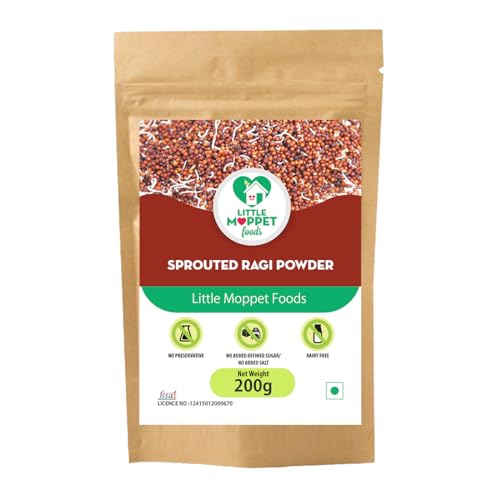
Little Moppet Organic Ragi Flour
- ✓ USDA & India Organic certified
- ✓ 200g pack
- ✓ Cold-ground for nutrient retention
* We earn a small commission — at no extra cost to you.
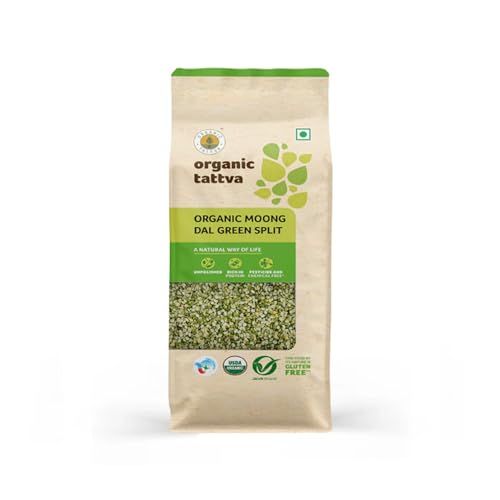
Urban Platter Organic Moong Dal Split
- ✓ Organic, no pesticides
- ✓ 500g pack
- ✓ 32 mg magnesium per 100g cooked
* We earn a small commission — at no extra cost to you.
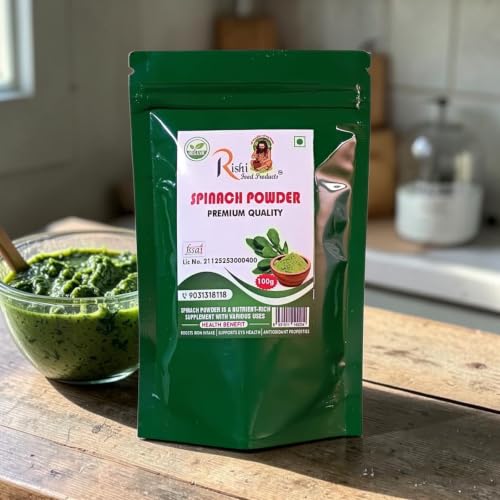
Sapna Organic Spinach Powder
- ✓ Freeze-dried spinach, no additives
- ✓ 100g pack
- ✓ 79 mg magnesium per 100g fresh
* We earn a small commission — at no extra cost to you.