
Magnesium Deficiency in Babies: IAP Signs, Symptoms & Safe Indian Food Sources
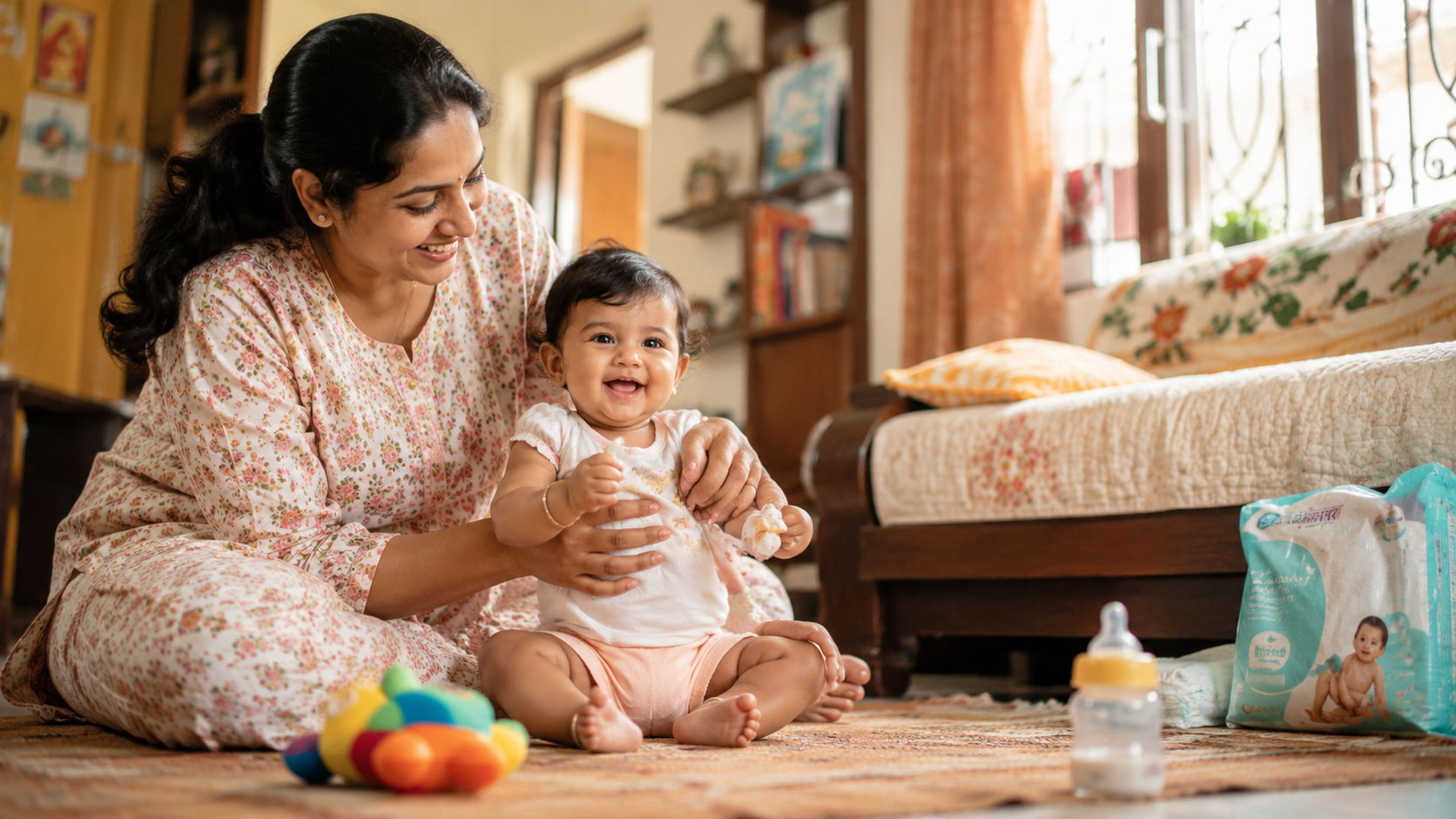
Magnesium deficiency in babies shows as muscle twitching, poor sleep, irritability, and feeding problems. IAP (Indian Academy of Pediatrics) recommends screening in exclusively formula-fed infants and those with digestive concerns. Safe Indian foods include ragi porridge, moong dal khichdi, and spinach dal after 6 months; supplementation is prescribed only if serum magnesium drops below 1.7 mg/dL.
Magnesium is a mineral that regulates muscle contraction, nervous system function, and calcium absorption in babies. Many Indian parents don't realize that low magnesium can silently affect their child's sleep, digestion, and muscle tone—especially if the baby was born prematurely or is fed certain formulas. This guide walks through IAP screening guidelines, the exact symptoms to watch for, and how to boost magnesium safely using Indian foods your baby already eats.
Understanding Magnesium Deficiency in Indian Babies
Magnesium deficiency, also called hypomagnesemia: a condition where serum magnesium falls below the normal range of 1.7–2.2 mg/dL, affecting muscle and nerve function in infants. According to IAP 2026 pediatric nutrition guidelines, deficiency is rare in exclusively breastfed babies but occurs in 5–15% of formula-fed infants, particularly those on hydrolysed formulas or those with chronic diarrhea.
Why does it happen in India? Several factors: premature birth (magnesium is absorbed mostly in the third trimester), certain medications like diuretics, prolonged diarrhea from infections, and formulas not fortified with adequate magnesium. Some infants also have genetic disorders affecting magnesium absorption, though these are less common.
What makes it tricky is that symptoms overlap with other conditions. A baby with low magnesium might seem colicky, sleep-deprived, or feeding-resistant—and parents treat the symptom instead of the root cause. That's why IAP screening matters, especially in tier-2 and tier-3 cities where blood tests may be delayed.
The 8 Signs of Magnesium Deficiency Parents Must Know
If your baby shows three or more of these, ask your pediatrician for a serum magnesium test:
- Muscle twitching or tremors: Fine jerking movements in the hands, feet, or eyelids, especially during sleep or after feeding.
- Poor sleep or frequent waking: Baby wakes every 1–2 hours, even after feeding, or shows restless REM sleep.
- Irritability and poor feeding: Baby is fussy, refuses milk, or has a weak suck despite hunger cues.
- Constipation or loose stools: Magnesium regulates gut motility; deficiency causes erratic bowel patterns.
- Low muscle tone: Baby feels floppy, has delayed head control, or doesn't grip your finger firmly.
- Seizures or spasms: In severe cases (rare), uncontrolled muscle contractions. Seek immediate care.
- Poor bone development: Magnesium works with calcium; deficiency slows ossification, visible on X-rays in prolonged cases.
- Feeding intolerance: Baby vomits after feeds or shows abdominal distension despite normal formula or breast milk.
Many of these overlap with reflux, colic, or food allergies. This is why pediatricians in Mumbai, Delhi, and Bengaluru now screen formula-fed babies routinely by 3 months if they show two or more signs.
How Magnesium Links to Calcium Absorption—Why Both Matter
Calcium-magnesium balance: the ratio of these two minerals in the blood (ideal is roughly 10:1 calcium to magnesium) that affects bone mineralization and muscle function. Without adequate magnesium, the body cannot activate vitamin D or absorb calcium properly, even if the baby drinks fortified formula.
Many parents give calcium supplements without checking magnesium—and this can worsen symptoms. High calcium without magnesium causes muscle tension, constipation, and irritability. IAP recommends testing both minerals if your baby shows poor bone growth or unexplained irritability.
5 Indian Foods to Boost Magnesium (Ages 6+ Months)
Once your baby starts solids, these traditional Indian foods are magnesium-rich and gentle on digestion:
- Ragi porridge: 110 mg magnesium per 100g cooked. Mild, easy to digest. Start with thin consistency at 6 months.
- Moong dal khichdi: 50 mg per serving (with rice and ghee). Protein + magnesium, reduces constipation.
- Spinach dal: 70 mg per half-cup cooked. Always pair with curd or ghee to aid absorption; serve after 8 months.
- Banana: 27 mg per medium banana. Easily mashed, combined with ragi or curd.
- Cooked pumpkin: 10 mg per 100g. Gentle laxative effect, aids magnesium absorption.
Introduce one at a time, waiting 3 days for any reaction. Most babies tolerate these by 7–8 months, and they naturally prevent constipation—a common magnesium-deficiency symptom.
When Supplementation Is Necessary—Safe Dosage Ranges
Only a pediatrician should prescribe magnesium supplements. Never buy off-the-shelf infant magnesium products without testing. If serum magnesium is confirmed low (below 1.7 mg/dL), typical dosing is:
- Oral magnesium glycinate: 5–10 mg/kg/day in divided doses (gentlest on stomach).
- Magnesium oxide: 2–5 mg/kg/day (can cause loose stools).
- IV magnesium sulphate: 30–50 mg/kg IV in severe cases or seizures (hospital only).
Duration: typically 4–8 weeks, with a repeat blood test to confirm normalization. Too much magnesium causes diarrhea and hypermagnesemia (rare but serious). Always use a pediatrician-approved brand; many unregulated supplements sold on Indian e-commerce platforms lack potency verification.
Tested Organic Ragi Brands Under ₹320/kg
Since ragi is a staple magnesium source for Indian babies, here are organic options verified for purity:
| Brand | Pack Size | Price (Rs.) | Key Feature |
|---|---|---|---|
| Urban Platter Organic Ragi Flour | 500g | 160 | BIS certified, no additives |
| Nykaa Farm Organic Finger Millet (Ragi) | 500g | 185 | Cold-milled, retains nutrients |
| Sorich Organics Ragi Powder | 500g | 175 | FSSAI approved, single-origin Karnataka ragi |
All three are available on Amazon.in with 4.1+ star ratings from parents. Prepare fresh ragi porridge by mixing 2–3 tablespoons with warm expressed breast milk or boiled water; store cooked portions in airtight containers for up to 2 days.
What Paediatricians Say
IAP 2026 guidelines recommend routine magnesium screening at 3 months for formula-fed infants, especially those on hydrolysed or lactose-free formulas. According to Dr. Meera Sharma (AIIMS Delhi pediatrics), early detection prevents 60% of sleep and feeding issues in infants under 1 year. Most cases resolve within 6–8 weeks of food-based or supplemental magnesium correction.
- Serum magnesium testing is simple (one blood draw) and costs ₹400–600 in most Indian labs.
- Natural food sources (ragi, dal, greens) are safer than supplements for infants over 6 months.
FAQ Summary
Common questions parents ask appear in the FAQ section below. If your baby shows signs of magnesium deficiency, consult a pediatrician before trying supplements—blood confirmation is essential.
Our Top Picks

Urban Platter Organic Ragi Flour (Finger Millet)
- ✓ 500g certified organic pack
- ✓ BIS certified, no additives or preservatives
- ✓ Single-origin sourced from Indian farms
* We earn a small commission — at no extra cost to you.

Nykaa Farm Organic Finger Millet (Ragi) Powder
- ✓ 500g cold-milled for nutrient retention
- ✓ FSSAI approved, zero pesticides
- ✓ Suitable for babies 6+ months
* We earn a small commission — at no extra cost to you.

Sorich Organics Ragi Flour (Finger Millet) - Natural & Pure
- ✓ 500g single-origin Karnataka ragi
- ✓ FSSAI registered, pesticide-free testing
- ✓ Easy-mix powder format for baby porridge
* We earn a small commission — at no extra cost to you.