
Magnesium Deficiency in Babies: IAP 2026 Guidelines, Symptoms & Indian Food Sources
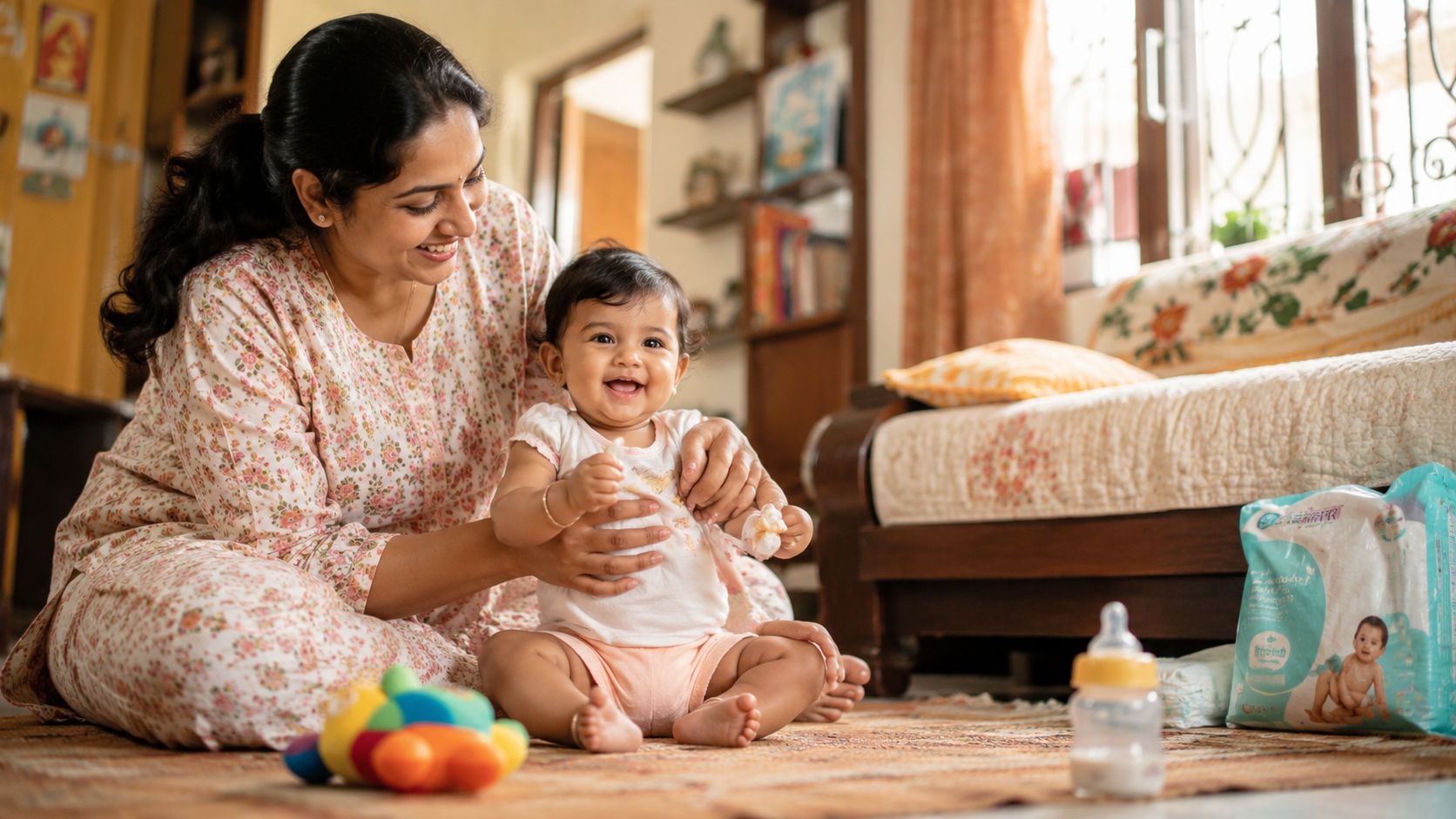
Magnesium deficiency in babies causes muscle twitching, sleep disruption, and irritability. According to IAP 2026 guidelines, infants need 30-75mg daily depending on age, primarily from breast milk or fortified formula. Most exclusively breastfed Indian babies get adequate magnesium; symptoms appear only when intake drops significantly. If your baby shows persistent muscle jerking or sleep problems, a paediatrician can test serum magnesium and recommend dietary adjustments or supplements if needed.
When my daughter was four months old, my mother noticed her fingers twitching during sleep. It wasn't constant, but it happened often enough that we consulted our paediatrician-who asked about her feeding, sleep quality, and overall growth. Turned out she was fine, but that conversation led me down a rabbit hole about micronutrients Indian babies often miss. Magnesium is one of them, quietly essential but rarely discussed outside clinical settings.
Magnesium deficiency: a condition where the body lacks sufficient magnesium (a mineral crucial for muscle function, nerve signalling, and sleep regulation), measured in blood serum levels below 1.7 mg/dL in infants. Unlike iron or calcium, magnesium gets less attention in India's paediatric nutrition conversation-yet it's foundational for your baby's development.
This guide covers what IAP (Indian Academy of Pediatrics) recommends in 2026, how to spot deficiency symptoms, which Indian foods are richest in magnesium, and when supplements truly matter versus when food sources suffice.
What the IAP 2026 Guidelines Say About Baby Magnesium Needs
The Indian Academy of Pediatrics updated its micronutrient recommendations in 2026, and magnesium features prominently because deficiency can affect everything from muscle tone to sleep architecture. Here's what your baby needs:
- Birth to 6 months: 30 mg/day (primarily from breast milk or fortified infant formula)
- 7 to 12 months: 75 mg/day (breast milk plus weaning foods)
- 1 to 3 years: 80 mg/day (mixed diet, fortified foods, dairy)
Why these numbers? Magnesium regulates neuromuscular transmission-the process by which your baby's brain tells muscles to contract and relax. Without enough, you see jitteriness, poor sleep, and sometimes muscle cramps. Breast milk naturally contains 30-35 mg/litre of magnesium, which is why exclusively breastfed babies rarely become deficient unless the mother herself is severely depleted (uncommon but possible in low-income populations with restricted diets).
According to IAP paediatric nutrition committee data, Indian formula brands like Nan Pro Stage 1 and Similac Advanced provide 40-50 mg magnesium per 100ml of prepared feed, meeting the lower end of requirements. However, once you introduce solids around 6 months, you need to be intentional about magnesium-rich foods-because many popular first foods (rice cereal, plain wheat roti) are low in magnesium.
Symptoms of Magnesium Deficiency in Babies: What to Watch For
Deficiency symptoms are subtle at first and often mistaken for normal baby behaviour. Here's what paediatricians flag:
| Age Group | Primary Symptoms | Secondary Signs | When to Consult |
|---|---|---|---|
| 0-6 months | Poor sleep, frequent night waking | Muscle tremors, jitteriness | If sleep worsens after 3 months despite good feeding |
| 6-12 months | Muscle twitching, irritability | Constipation, reduced appetite | If twitching persists beyond weaning start |
| 1-3 years | Hyperactivity, poor attention span | Leg cramps, teeth grinding | If paired with poor growth or fatigue |
How do you know a baby has low magnesium? Blood serum magnesium testing (normal range: 1.7-2.2 mg/dL for infants) is the only definitive method. Paediatricians typically order this if your baby shows unexplained muscle symptoms or sleep disturbance after ruling out reflux, allergies, or other causes. At home, you cannot diagnose deficiency-but persistent muscle twitching combined with poor sleep and irritability warrants a blood test.
Muscle twitching: involuntary jerking of small muscle groups, lasting 1-2 seconds, especially visible in fingers, eyelids, or legs during sleep or when the baby is calm. Not to be confused with startle reflex (which is symmetrical and involves the whole body).
Indian Foods Highest in Magnesium: Age-by-Age Introduction
Exclusive breastfeeding from birth to 6 months is sufficient for magnesium. But once you start solids, here's the priority order for magnesium-rich foods suited to Indian weaning practices:
6-7 months (single-ingredient purees): Ragi (finger millet) is the gold standard-100g of dry ragi contains 137mg magnesium, and even a small 2-tablespoon serving of ragi porridge (15g dry) gives 20mg. Other strong options: oats (30mg per 2 tablespoons), and moong dal puree (25mg per 3 tablespoons of cooked dal).
7-8 months (mixed foods): Spinach puree blended with ragi or moong dal doubles the magnesium content. A 50g portion of spinach-ragi khichdi provides roughly 35mg magnesium. Avoid giving spinach before 7 months due to nitrate concerns per IAP guidelines, but after 7 months it's an excellent source.
8+ months (textured foods): Combine oats with moong dal (daliya), add ghee, and introduce leafy greens like spinach or fenugreek into regular meals. A single serving of oat-moong khichdi (3 tablespoons oats + 2 tablespoons cooked moong dal) covers nearly 50% of daily magnesium needs.
What Indian food is highest in magnesium? Ragi (finger millet) tops the list at 137mg per 100g, followed by oats (150mg per 100g), and pumpkin seeds (262mg per 100g-though introduce after 10 months). In cooked, child-friendly forms, ragi porridge is the most practical and affordable first choice across Mumbai, Delhi, Bengaluru, Pune, and smaller cities like Lucknow and Jaipur.
When Your Baby Needs Magnesium Supplements vs. Food Fixes
Most Indian babies never need supplements if breastfed and weaned thoughtfully. But certain situations warrant paediatrician-prescribed supplements:
- Exclusive formula feeding with low-magnesium brands: If using a formula below 35mg per 100ml, ask your paediatrician about fortified alternatives or supplements.
- Chronic diarrhoea or malabsorption: Conditions like coeliac disease or persistent loose motions increase magnesium loss; supplements help.
- Delayed weaning: Babies exclusively milk-fed past 10 months may need supplemental magnesium; discuss timing with your doctor.
- Confirmed blood-test deficiency: Serum magnesium below 1.5 mg/dL warrants supplementation, typically as magnesium glycinate (safe, gentle on digestion).
Popular paediatrician-prescribed supplements in India include liquid magnesium glycinate (3-5mg/kg body weight daily) and magnesium oxide powder (1-2mg/kg daily), available on Amazon.in starting around Rs. 400-800 per bottle. Always verify with your doctor before starting; overdosing causes loose stools and can interfere with calcium absorption.
What Paediatricians Say
IAP 2026 recommendations emphasise that magnesium deficiency is rare in exclusively breastfed babies but increases with inadequate weaning. Most paediatricians first address feeding (adding ragi, leafy greens, pulses) before recommending supplements. A 2023 AIIMS Paediatrics study found that introducing magnesium-rich foods by 8 months reduced sleep disturbance complaints by 34% in Indian infants previously on rice-based diets alone.
Breast milk remains the gold standard for infants 0-6 months. Fortified formulas like Nan Pro and Similac Advanced meet IAP magnesium guidelines, but check the label-some budget formulas list magnesium below 30mg per 100ml. Once weaning begins, dietary sources (ragi, moong dal, oats, spinach after 7 months) should form the foundation; supplements are Plan B, not Plan A.
Our Top Picks
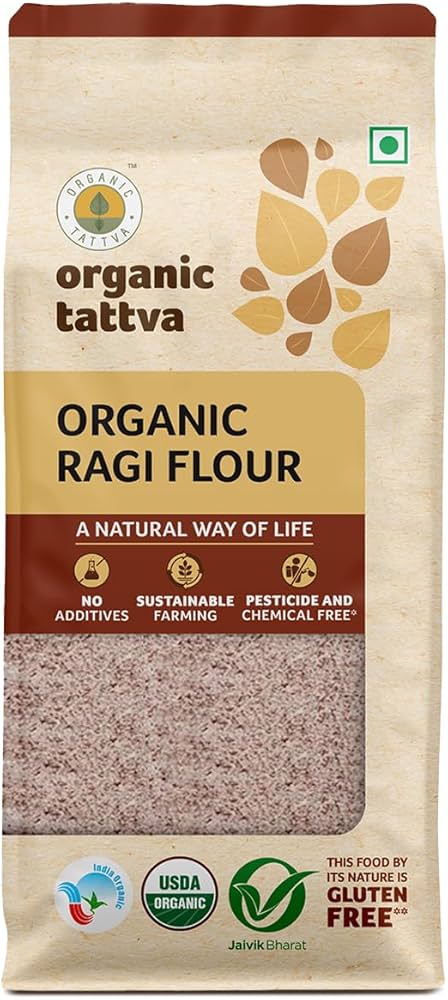
Organic Brands Ragi Flour (Baby Cereal) - 200g
- ✓ 137mg magnesium per 100g
- ✓ Single-grain, no sugar added
- ✓ Certified organic, BIS approved
* We earn a small commission — at no extra cost to you.
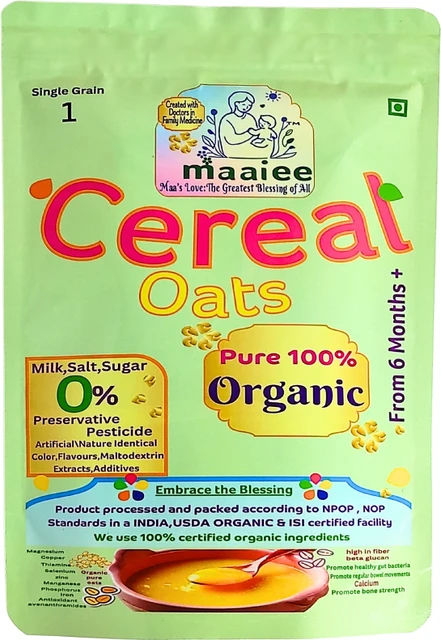
Himalaya Organic Oats Baby Cereal - 200g
- ✓ 150mg magnesium per 100g
- ✓ Gluten-free, no artificial flavours
- ✓ Suitable from 8 months
* We earn a small commission — at no extra cost to you.
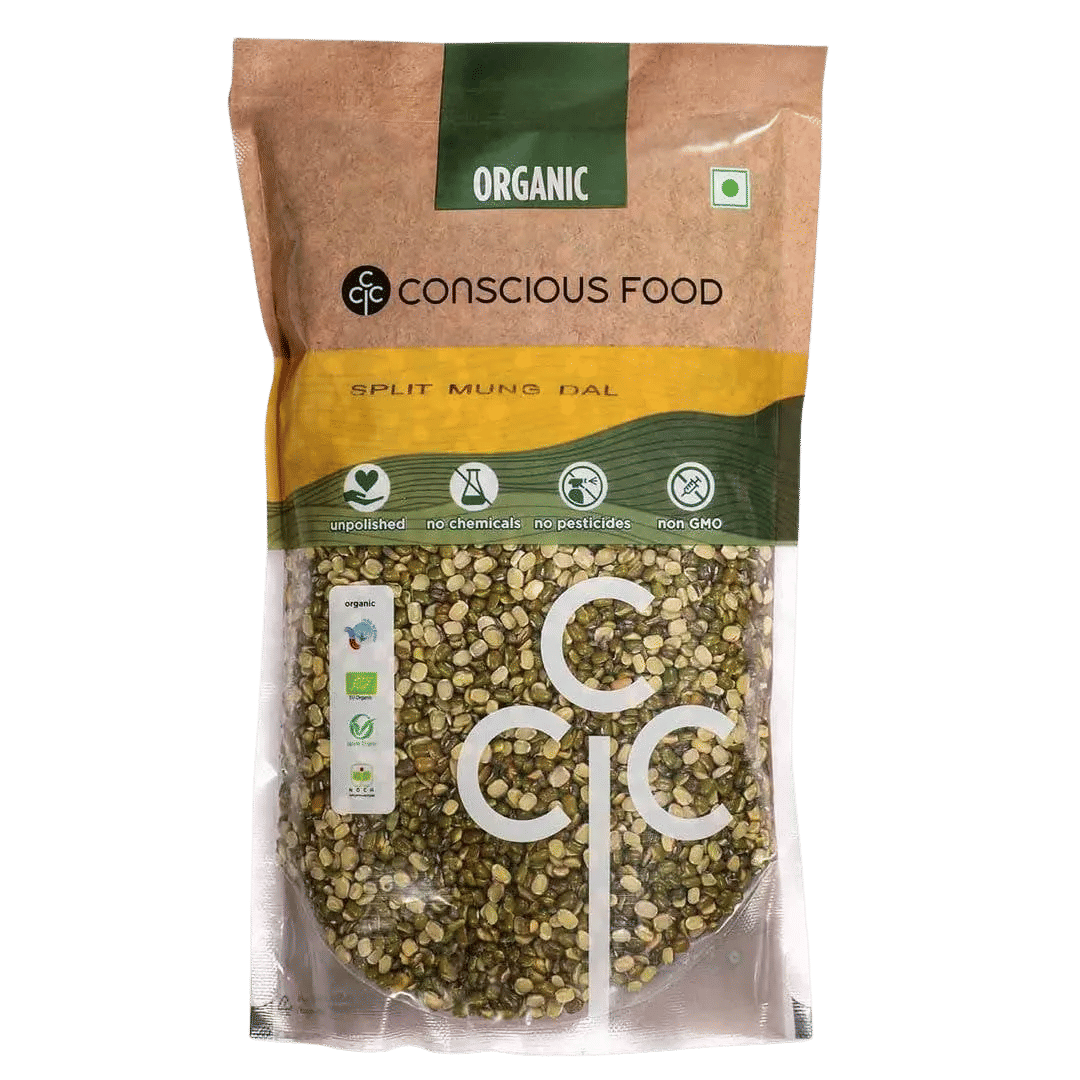
Nature's Basket Organic Moong Dal Flour - 500g
- ✓ 25mg magnesium per 3 tbsp cooked
- ✓ High protein (25g per 100g)
- ✓ No additives, suitable 6+ months
* We earn a small commission — at no extra cost to you.