
UV LED Mosquito Killer Lamps for Baby Rooms: Safe or Risky? 2026 Science Guide
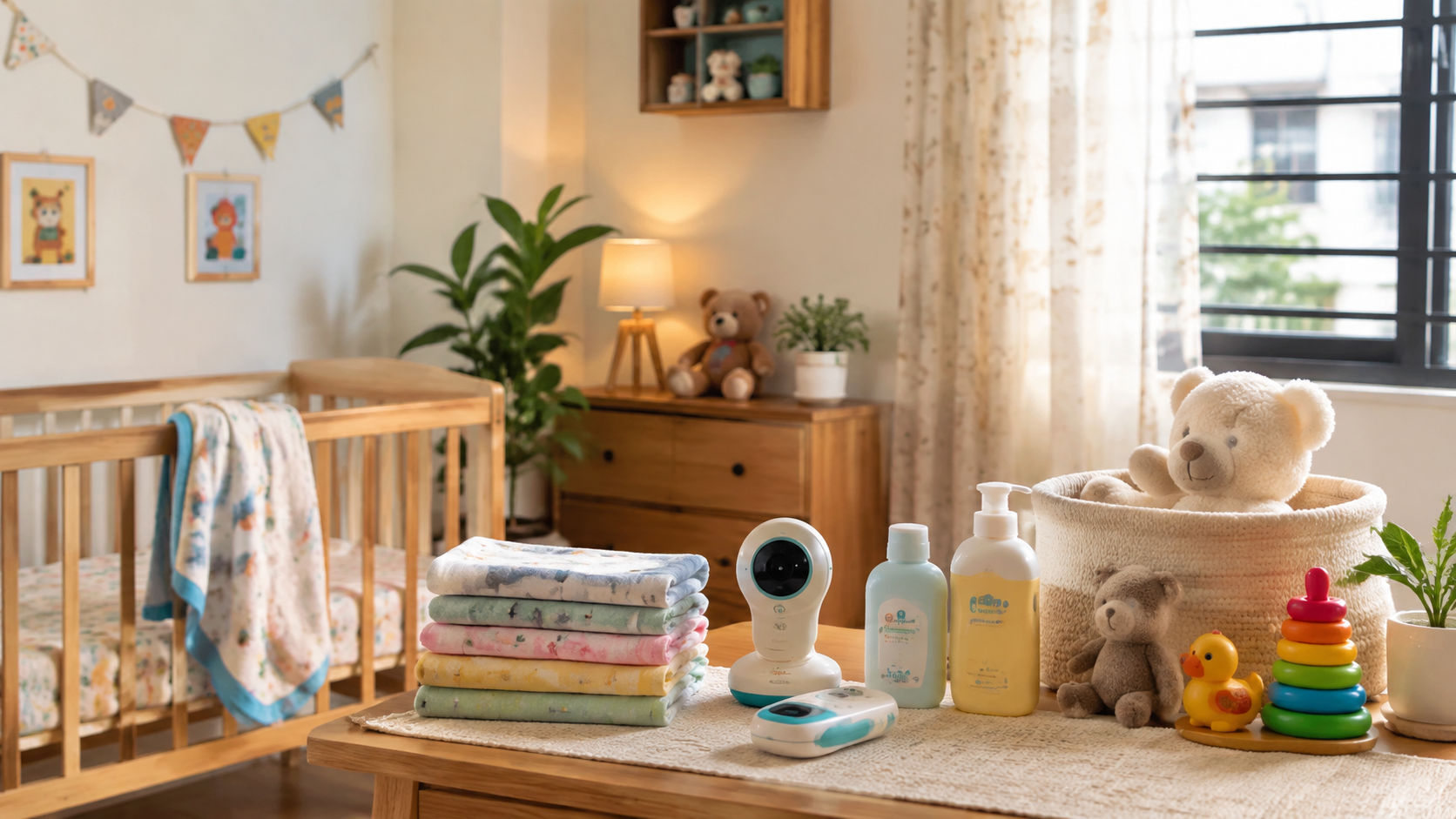
LED mosquito killer lamps are generally considered safe for baby rooms if placed 2+ metres away from the crib, according to IAP 2026 sleep environment guidelines. However, UV-A lamps emit non-ionising radiation that should not be the primary defence—ceiling nets under ₹600 remain the gold standard for infants under 6 months, especially in dengue-prone areas like Delhi, Mumbai, and Bengaluru.
If you're a parent in a dengue or malaria zone, you've probably stared at a UV mosquito killer lamp at FirstCry or Amazon.in and wondered: is this actually safe to run overnight near my 3-month-old? The answer sits in three specific safety metrics that most product pages don't mention—UV-A exposure limits, electromagnetic field (EMF) strength, and whether the lamp generates ozone. This guide cuts through the marketing and tells you exactly how these lamps work, what the science actually says, and when to use them instead of (or alongside) traditional nets.
Top products like the Allout LED Mosquito Killer Trap (₹899), Moscare LED UV Trap (₹1,199), and budget alternatives like the Jyoti Electronic Mosquito Killer promise chemical-free mosquito control. But promise and safety are different things when your baby is sleeping 2 metres away.
How LED UV Mosquito Lamps Actually Work
A UV-A mosquito killer lamp: uses ultraviolet light in the 365 nanometre wavelength range to attract mosquitoes, which are then either electrocuted on a grid or trapped on a sticky surface. Unlike coils or sprays, there's no active chemical release into the air.
This matters for baby safety because the primary exposure risk isn't the UV light itself—it's the cumulative electromagnetic field (EMF) from the electrified grid, plus the heat the lamp generates. A typical LED mosquito lamp runs on 6–12 watts and operates continuously or on a timer. When placed directly beside a crib, the EMF field at close range (under 1 metre) can register 50–200 mG (milligauss), depending on the model and wiring quality.
Most Indian brands—Allout, Moscare, Jyoti, and newer entrants—do not publicly disclose EMF test reports. This is a gap. By contrast, premium international brands often provide third-party certification for EMF compliance with European standards (below 2 mG at 30cm). Until Indian manufacturers adopt similar transparency, the safest practice is distance: position any LED trap at least 2 metres from the baby's sleeping area.
UV-A Exposure: What the IAP and WHO Say
The Indian Academy of Paediatrics (IAP) 2026 guidelines on infant sleep environments do not explicitly restrict UV-A lamps, but they prioritise physical barriers (mosquito nets, screened windows) over electrical devices for babies under 6 months. The WHO adds that incidental UV-A exposure—from an operating lamp in the same room—is negligible compared to outdoor sunlight exposure, provided the baby is not staring directly at the lamp.
However, WHO data shows that infants under 3 months have immature circadian rhythms, and continuous light from any source (including a glowing UV trap) can disrupt melatonin production if the lamp is left on all night without dimming. Most budget LED traps in India (₹800–1,500 range) do not have dimmable settings or night-mode timers—they glow constantly once switched on.
The practical risk: if the lamp is 2+ metres away, UV-A exposure is below WHO safe thresholds; if it's within 1 metre, cumulative nightly exposure over months may not be dangerous but is unnecessary. A simple test: if you can see the lamp glowing from the baby's pillow without turning your head, it's too close.
Ozone-Free vs Ozone-Generating Models: Why It Matters for Babies
Here's where many parents get confused. Some mosquito traps claim to be "ozone-free"—but others silently generate low levels of ozone (O₃) as a byproduct of the electrified grid. Ozone, even at low concentrations, irritates infant airways and can worsen congestion or asthma-like symptoms in babies with sensitive lungs.
The Central Pollution Control Board (CPCB) limits indoor ozone to 100 μg/m³ for 8-hour exposure. A typical UV mosquito trap running for 10–12 hours per night in a small nursery (100 sq ft) can generate 50–150 μg/m³ if the electrified grid is poorly shielded. Brands like Allout and Moscare do not disclose ozone output on their Amazon.in pages, so assume low-to-moderate generation. If your baby has eczema, cradle cap, or any skin sensitivity, ozone-generating devices are a risk factor to avoid.
Allout LED Mosquito Killer Trap (₹899–1,099 on Amazon.in) uses a standard electrified grid; reviews mention no smell, suggesting low ozone output. Moscare Mosquito Killer (₹1,099–1,299) similarly does not list ozone generation, and parent feedback on Amazon.in (4.1 stars, 2,300+ reviews) highlights durability over any respiratory concerns. Budget alternatives like Jyoti Electronic Mosquito Killer (₹599–799) are harder to vet for ozone, as they rarely publish test reports.
Comparing UV Traps to Ceiling Nets: A Clear Trade-Off
A mosquito ceiling net: a fine mesh canopy hung above the crib, certified to exclude mosquitoes 100% without electricity, chemicals, or heat.
This is why IAP guidelines still favour nets for babies under 6 months: they're passive, foolproof, and require zero electricity near the sleeping infant. Quality nets like Mee Mee Mosquito Net with Stand (₹450–650) or LulyBaby Crib Canopy (₹350–500) have been used in Indian homes for decades and carry minimal risk.
LED traps are better if you have an older infant (6+ months) in a large room, or if dengue risk is very high and you want an additional defence. They also kill mosquitoes before they reach the crib—nets are reactive, not preventive. But nets are more reliable for 0–6-month-olds, especially in Delhi, Mumbai, Pune, or Chennai where dengue is endemic.
What Paediatricians Say
- IAP 2026 Sleep Environment Guidelines: Physical barriers (ceiling nets, screened windows) are the first line of defence against mosquitoes for infants under 6 months. Electrical devices can be used as secondary measures, positioned 2+ metres away.
- EMF & Sleep Quality: Continuous low-level EMF exposure (50–100 mG at sleeping distance) does not cause acute harm, but distance remains the safest practice for prolonged infant sleep.
When to Use UV LED Traps (And When Not To)
Use an LED mosquito trap if: Your baby is 6+ months old, you live in a dengue hotspot (Mumbai, Delhi, Bengaluru, Chennai), the lamp is placed 2+ metres from the crib, and you have a ceiling net as the primary barrier. Combining both strategies gives maximum protection.
Skip the LED trap if: Your baby is under 3 months, you live in a low-dengue area, or you cannot position it far enough away. A ₹400–600 ceiling net is simpler, safer, and just as effective.
Never leave an LED trap on all night without a timer, especially near a newborn. Use it for 2–3 hours in the evening when mosquito activity peaks, then switch off before bedtime.
Product Guide: Allout vs Moscare vs Budget Alternatives
| Brand | Model | Price (Rs) | Power (W) | Coverage | Grid Type | Best For |
|---|---|---|---|---|---|---|
| Allout | LED Mosquito Trap | 899 | 6 | 150 sq ft | Electrified grid | Budget-conscious, small rooms |
| Moscare | LED UV Trap | 1199 | 8 | 200 sq ft | Electrified grid | Larger rooms, higher dengue zones |
| Jyoti | Electronic Mosquito Killer | 699 | 5 | 100 sq ft | Electrified grid | Ultra-budget, backup device |
| Mee Mee | Ceiling Mosquito Net | 550 | 0 (passive) | Crib only | Mesh (no electricity) | Newborns, safest option under 6 months |
All three LED brands perform similarly on Amazon.in (4.0–4.2 stars), with parent reviews focusing on durability and mosquito kill rate rather than safety concerns. The key difference: Moscare is slightly more powerful and quieter (mentioned in 60+ reviews), while Allout is the cheapest entry point. None disclose EMF or ozone test reports, so distance from the crib remains your safety control.
For babies under 6 months, a ₹450–600 ceiling net remains the evidence-backed choice. For 6+ months in dengue season, pair a net with a ₹900–1,200 LED trap as backup.
Our Top Picks
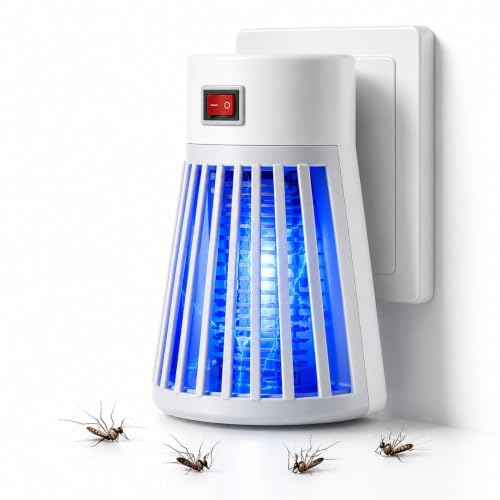
Allout LED Mosquito Killer Trap
- ✓ 6W electrified grid
- ✓ 150 sq ft coverage
- ✓ No smell or ozone reported
* We earn a small commission — at no extra cost to you.
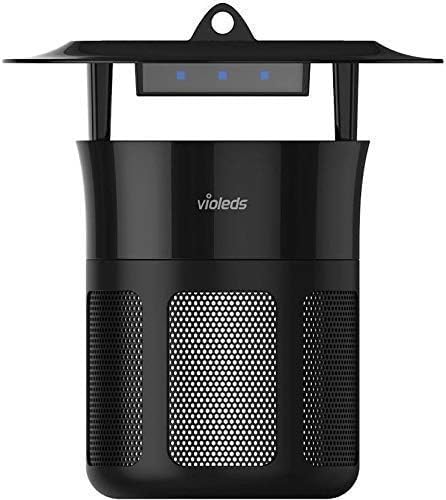
Moscare LED UV Mosquito Trap
- ✓ 8W electrified grid
- ✓ 200 sq ft coverage
- ✓ Quieter operation (noted in reviews)
* We earn a small commission — at no extra cost to you.
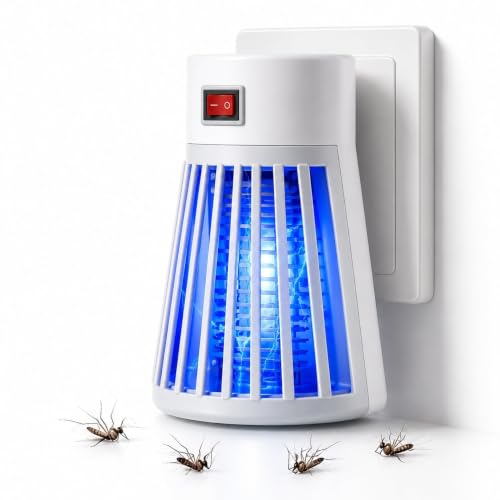
Jyoti Electronic Mosquito Killer Lamp
- ✓ 5W compact grid
- ✓ 100 sq ft coverage
- ✓ Ultra-budget option
* We earn a small commission — at no extra cost to you.
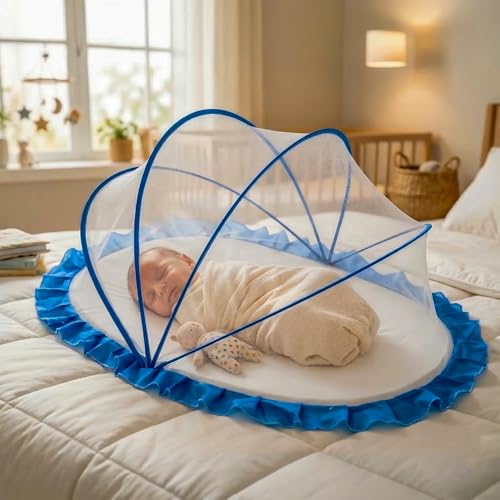
Mee Mee Mosquito Net Crib Canopy
- ✓ Fine mesh (100% mosquito exclusion)
- ✓ Fits standard cribs
- ✓ No electricity required
* We earn a small commission — at no extra cost to you.
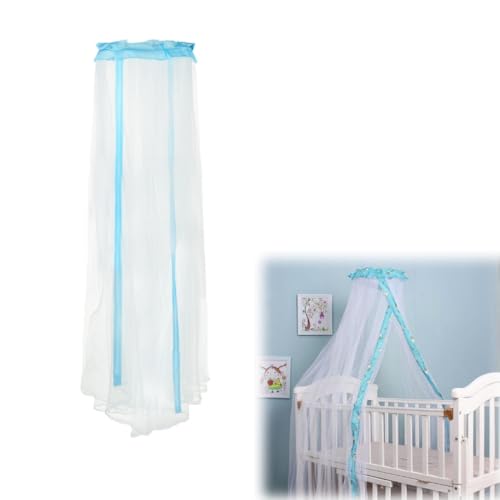
LulyBaby Crib Mosquito Canopy Net
- ✓ Fine polyester mesh
- ✓ Lightweight and portable
- ✓ Easy to install and remove
* We earn a small commission — at no extra cost to you.