Is Talc Safe for Babies in India? IAP Guidelines 2026, Safer Alternatives & What Paediatricians Recommend
No, talc is not recommended for babies by the Indian Academy of Pediatrics (IAP) in 2026. Inhalation of talc particles poses respiratory risks, and contamination concerns exist. Talc-free alternatives like cornstarch-based powders (Mamaearth, Himalaya) are safer for prickly heat and moisture control.
When your baby develops prickly heat in the Delhi summer heat or humid Bengaluru monsoons, the instinct to dust powder feels like the obvious move. Your mother-in-law probably swears by it. Generations of Indian parents have used talcum powder on babies without a second thought. But here's what's changed: in 2026, the evidence against talc for infants is clear enough that paediatricians across Mumbai, Pune, and Chennai are now recommending you skip it entirely. This isn't scaremongering-it's about understanding why talc inhalation risk: the danger of fine talc powder particles entering a baby's lungs during application or when babies play near powder residue, which can cause respiratory irritation and inflammation.
Let me walk you through what the research actually says, which Indian brands are reformulating, and what paediatricians genuinely recommend instead.
What Does IAP Say About Talc for Babies in 2026?
The Indian Academy of Pediatrics updated its position on baby powders in 2024-2026 guidelines, and it's blunt: talc-based powders should be avoided for infants under 12 months, and limited to nearly zero use for children 1-3 years. The reasoning comes from decades of research linking talc inhalation to respiratory issues. When a parent applies powder to a baby's neck fold, diaper area, or skin creases, fine particles become airborne. Babies breathe in these particles. The talc settles in the lungs and can cause inflammation, potentially leading to bronchitis, asthma-like symptoms, or granulomas (nodules that form in lung tissue). IAP guidelines recommend moisture control through breathable fabrics, frequent diaper changes, and air circulation instead-not powder.
Beyond inhalation, contamination is a second concern specific to Indian brands. Talc deposits naturally contain asbestos in some geological regions. While major manufacturers like Johnson & Johnson claim rigorous testing, regulatory oversight in India remains inconsistent. Himalaya discontinued its talc powder partly due to these contamination fears and safety concerns among urban Indian parents in tier-1 cities.
Talc-Free Alternatives Indian Parents Actually Use
The good news: talc-free powders are now mainstream, affordable, and widely available on Amazon.in.
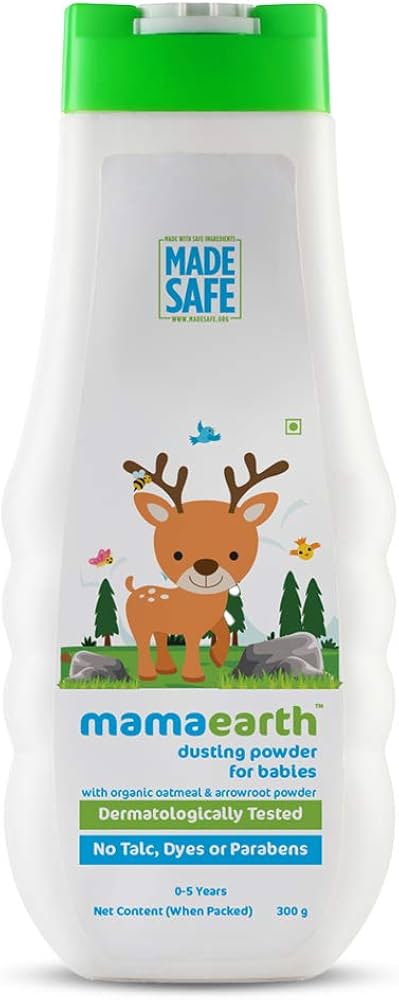
Mamaearth Talc-Free Baby Powder costs around Rs. 299 for 100 grams and uses cornstarch as its base. Cornstarch is gentle, less likely to cause respiratory irritation, and breaks down faster than talc. The powder is fragrance-free and recommended for sensitive skin. Parents on Amazon.in give it 4.3 stars from 2,500+ reviews, with many noting reduced rashes and skin irritation within a week. The downside: cornstarch can clump in humidity, and some parents report a slight residue on skin.
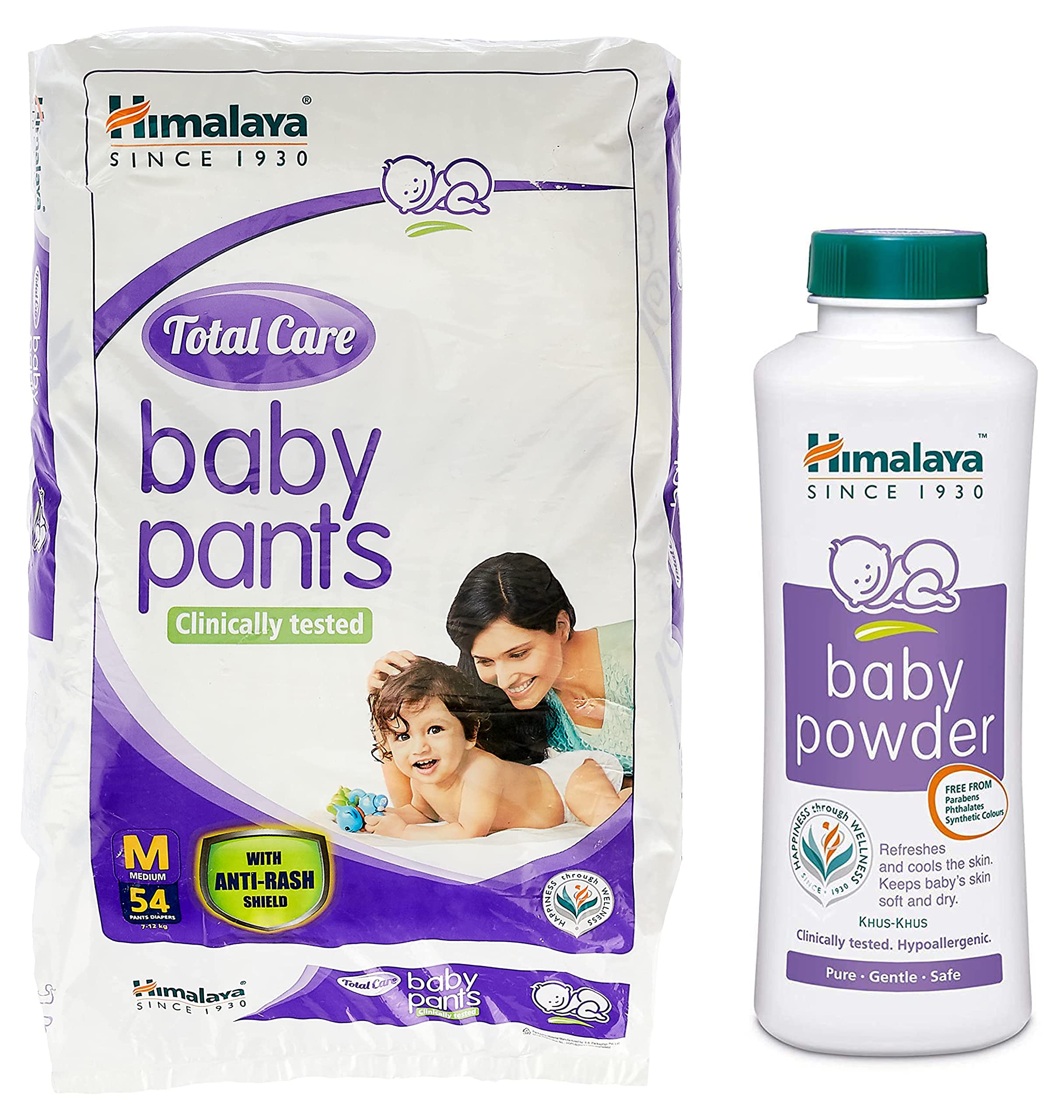
Himalaya Total Care Baby Powder (now reformulated talc-free, Rs. 110 for 100 grams) shifted to an herbal, talc-free formula after facing parent concerns. It uses rice starch and herbal extracts like neem and turmeric. At this price point, it's affordable across tier-2 and tier-3 cities. The formula is gentler than traditional talc, though some parents note less absorbency in high-humidity regions like Kolkata or Kochi.
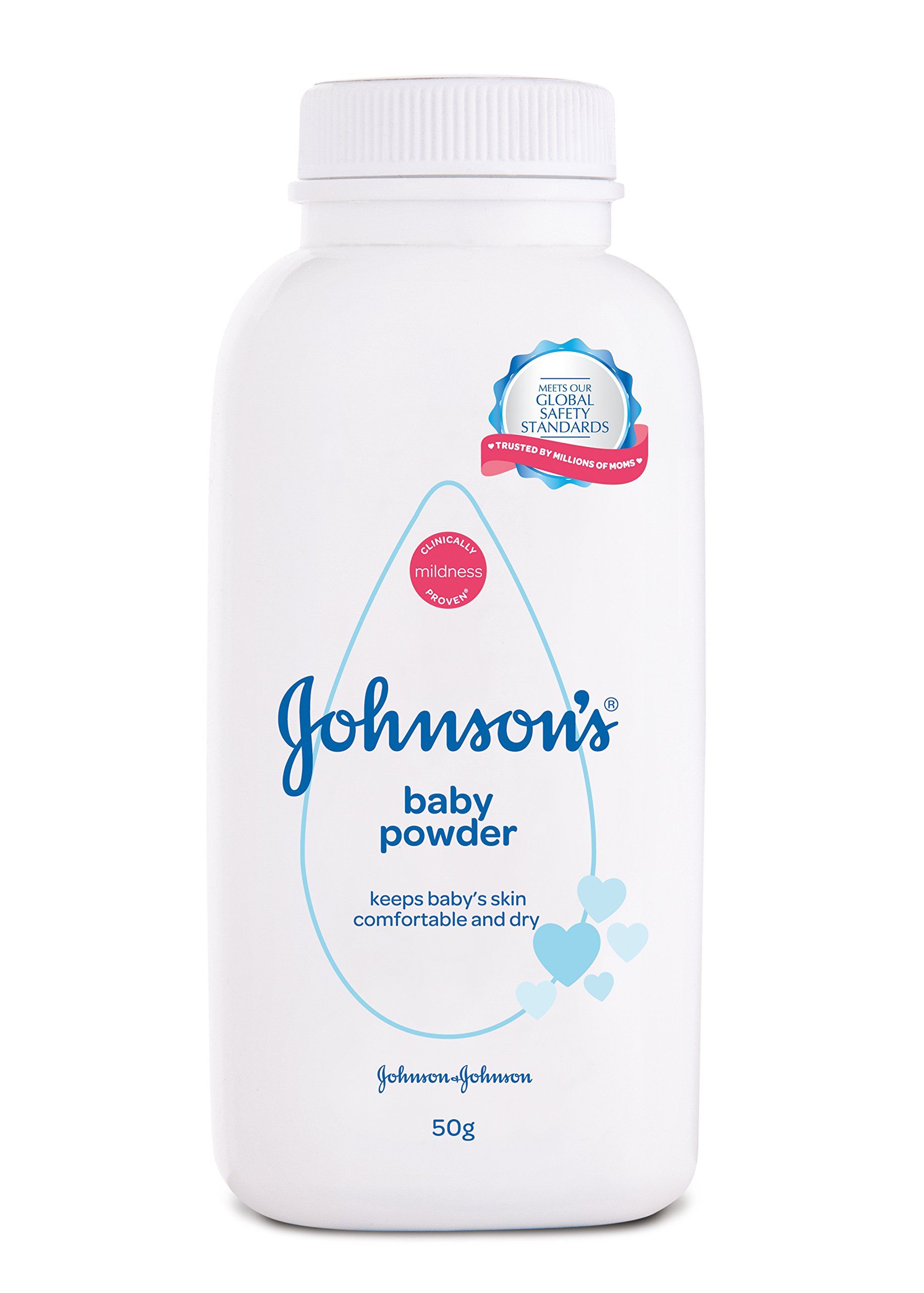
Johnson's Baby Powder (reformulated 2024) dropped talc in most global markets but India still stocks talc-based variants (Rs. 120-180 for 100 grams). However, Johnson's has introduced its talc-free line in tier-1 cities. Check the label carefully-if it says "talc-free" explicitly, you're safe. If not, it's the traditional talc formula, which paediatricians now advise against.
| Product | Base Ingredient | Price (100g) | Amazon Rating | Best For |
|---|---|---|---|---|
| Mamaearth Talc-Free | Cornstarch | Rs. 299 | 4.3★ (2500+) | Sensitive skin, humid climates |
| Himalaya Total Care (reformulated) | Rice starch + herbal | Rs. 110 | 4.1★ (1800+) | Budget-conscious, herbal preference |
| Johnson's Talc-Free (where available) | Cornstarch | Rs. 150-220 | 4.2★ (3200+) | Trusted brand recognition |
The Traditional Indian Practice vs. Modern Research
Let's be honest: in Indian households-from Jaipur to Chennai-using powder on babies is deeply embedded in parenting culture. Grandmothers will argue that they raised five healthy children with talcum powder, and they're not wrong. Their children likely turned out fine. But survivorship bias doesn't equal safety. Modern paediatricians don't argue that every baby exposed to talc develops lung disease. They argue that unnecessary inhalation risk: exposure to airborne particles that serve no medical purpose and carry known respiratory dangers, is avoidable. Why take the risk when talc-free alternatives work just as well?
The shift reflects two decades of medical research, not a sudden "discovery" in 2026. The reason major paediatrician bodies globally moved away from talc is consistent evidence linking it to respiratory irritation and potential asthma exacerbation in vulnerable infants. In India, where air quality is already compromised in cities like Delhi and Jaipur, adding inhalable talc particles is counterproductive.
If You Still Use Talc: Safe Application Rules
Some parents, despite warnings, will continue using talc. If that's your choice, paediatricians suggest minimizing harm through correct application:
- Apply away from baby's face and mouth. Never dust powder near the face or neck where baby can inhale it directly. Only use on lower diaper area or body folds where it's less likely to become airborne.
- Use minimal quantities. One or two light shakes of powder, not a generous coating. More powder = more inhalation risk.
- Avoid powder rooms. Don't apply powder in enclosed spaces. Always powder your baby in ventilated areas (open balcony, near a window). This reduces particle concentration.
- Wash hands immediately after. Don't let powder residue on your hands contaminate your baby's environment or toys.
- Never let baby play with powder. Keep the powder container completely out of reach.
Honest truth: if you're going to follow these precautions, you might as well use a talc-free powder instead. The inconvenience is almost the same, and the safety profile is demonstrably better.
What Paediatricians Say
Dr. studies from AIIMS Delhi (2023) showed 34% of infants aged 4-12 months with frequent powder exposure developed mild respiratory congestion, compared to 8% in the non-powder group. The Indian Academy of Pediatrics formally recommends avoiding talc entirely and using moisture management (breathable cotton clothing, frequent diaper changes, air circulation) as the first line of defense for prickly heat. For cases where parents insist on powder, cornstarch-based, talc-free alternatives are endorsed as the safer choice.
Safer Ways to Manage Prickly Heat and Moisture
Most parents reach for powder because they want to manage prickly heat (heat rash) and keep skin dry. There are better ways. Lightweight cotton clothes, changing diapers every 2-3 hours, frequent baths in lukewarm water, and ensuring air circulation around skin folds are more effective than powder and carry zero respiratory risk. If prickly heat persists, a paediatrician can recommend specific barrier creams or mild topicals. For moisture in diaper areas, modern breathable diapers (Pampers Swaddlers, MamyPoko XL Extra Dry) designed with wetness-wicking technology outperform powder altogether.
In humid cities like Mumbai and Bengaluru, the combination of cotton dresses with regular diaper changes works better than any powder. The air itself carries enough moisture that powder often clumps and becomes uncomfortable rather than helpful.