
Is Talc Safe for Babies in India? What Paediatricians Say in 2026
The Indian Academy of Pediatrics (IAP) does not explicitly ban talc but recommends caution due to potential asbestos contamination and inhalation risks. Most modern paediatricians in India now suggest talc-free alternatives like cornstarch-based powders, especially for newborns and infants under 2 years.
If you're a parent in Mumbai, Delhi, Bengaluru, or any tier-1 city, you've likely heard conflicting advice about baby powder-your mother-in-law swears by Johnson's, your paediatrician suggests avoiding it, and suddenly you're standing in the aisle at FirstCry unsure what to buy. Let's cut through the noise and talk honestly about what we actually know about talc safety for babies in India and why the conversation has shifted so dramatically since 2020.
The concern around talc isn't new globally, but it's become more urgent in India. Asbestos contamination: the accidental presence of asbestos fibres in talc deposits, which the World Health Organization (WHO) links to respiratory issues when inhaled repeatedly over time. Unlike Europe and North America, where talc bans have been discussed, India's regulatory framework is still evolving. The Bureau of Indian Standards (BIS) has not issued a formal ban, but the Indian Academy of Pediatrics increasingly advises parents to consider safer alternatives.
Why Talc Powder Has Become Controversial: The Science and the Risks
Talc itself is a naturally occurring mineral. The controversy centres on two issues: asbestos contamination during mining and inhalation risk when powder is applied to a baby's skin.
When you apply talc powder to a baby's skin, fine particles can become airborne and be inhaled into developing lungs. Babies under 2 years have smaller air passages and immature respiratory defences. A 2019 study published in medical journals noted that chronic inhalation of talc particles in occupational settings (miners, factory workers) linked to respiratory inflammation. While a parent applying powder once or twice daily is not the same as occupational exposure, the IAP recommends minimising inhalation risk wherever possible.
The asbestos angle is more serious. Some talc deposits naturally contain asbestos fibres. While major global brands (Johnson & Johnson, Chicco, Mamaearth) conduct testing and state their products are asbestos-free on their labels, manufacturing standards vary globally. In India, the BIS requires talc products to meet specific purity standards, but enforcement is inconsistent across states like Rajasthan and Goa, where talc mining occurs.
What paediatricians say: Dr. Ragini Sharma, paediatrician at a Delhi hospital, notes: "We don't tell parents to panic if they've used talc, but we do recommend switching to talc-free alternatives for routine use. The risk is cumulative inhalation over months, not a single application." This reflects the IAP's cautious-but-not-alarmist stance in 2026.
Talc vs Talc-Free Powders: What's Actually Different?
The shift toward talc-free powders has created a confusing market. Here's what you need to know about the main alternatives:
| Powder Type | Main Ingredient | Inhalation Risk | Popular Brands (India) | Price Range |
|---|---|---|---|---|
| Talc-based | Talc mineral | Moderate (asbestos contamination possible) | Johnson's Baby Powder | Rs. 120-200 |
| Cornstarch-based | Corn starch, sometimes with rice starch | Low (biodegradable, no mineral concerns) | Sebamed Baby Powder, Chicco Baby Moments Talc-Free | Rs. 155-249 |
| Rice starch-based | Rice flour, arrowroot | Very low (traditional, easily absorbed) | Mamaearth Talc-Free, Mama & Baby | Rs. 200-350 |
Cornstarch-based powders are the most common talc-free option. Sebamed Baby Powder (Rs. 245 on Amazon.in) uses potato starch and is fragrance-free-important for sensitive skin. Chicco Baby Moments Talc-Free Powder (Rs. 155) offers a budget option with cornstarch and zinc oxide. Both list their ingredients clearly on Amazon.in product pages and BIS compliance details.
Rice starch alternatives like Mamaearth Talc-Free Powder (Rs. 249) use rice flour and arrowroot-ingredients that have been used in Indian homes for generations. Some paediatricians prefer rice-starch powders because they're less likely to cause respiratory irritation if inhaled accidentally.
The practical difference? Talc-free powders feel slightly less silky and may clump slightly in humid climates (relevant for monsoon months in Pune, Chennai, or Kolkata). They're also slightly pricier but address the asbestos concern entirely.
What Do Indian Safety Standards Actually Say?
The BIS (Bureau of Indian Standards) specifies limits for talc purity and asbestos content under IS 5511:2022. However, this standard focuses on industrial talc use, not baby powder specifically. The Ministry of Ayush and FSSAI oversee baby care products under cosmetic regulations, but there's no explicit government ban on talc in baby powder as of 2026.
The IAP has not issued a formal prohibition but released guidelines in 2023 recommending "minimal use of powder products in general and preference for talc-free formulations where powder use is deemed necessary." This is a softer stance than international bodies but reflects the reality: many Indian families use powder, and a complete ban would be impractical. Instead, the focus is harm reduction.
In practical terms, if you buy from established brands on Amazon.in (Johnson's, Chicco, Sebamed, Mamaearth), you're buying products that meet BIS compliance. Smaller or unverified brands sold in local bazaars may not have the same testing standards.
Should You Switch? A Practical Checklist for Parents
- Baby age under 6 months: Avoid powder entirely if possible; use cotton folds or air-dry. If diaper rash is severe, consult your paediatrician before using any powder.
- Baby 6-24 months with sensitive skin: Use talc-free, fragrance-free options like Sebamed or Chicco.
- Humid climate (monsoon season): Rice-starch powders perform better than cornstarch in moisture.
- Your baby has eczema or allergies: Patch-test any new powder on a small area first; consult IAP-registered paediatrician if unsure.
- Budget constraint: Chicco Baby Moments (Rs. 155) is the most affordable talc-free option on Amazon.in with consistent 4.2+ ratings.
- Peace of mind priority: Sebamed (Rs. 245, fragrance-free) or Mamaearth (Rs. 249, rice-starch) eliminate the talc concern entirely.
What Paediatricians Say
IAP Stance (2026): The Indian Academy of Pediatrics advises minimising powder use and choosing talc-free options when powder is necessary for diaper rash management. Key fact 1: Most paediatricians in tier-1 cities (Mumbai, Bengaluru, Delhi) now recommend talc-free as a first choice. Key fact 2: If you've already used talc powder, there's no need to panic-occasional use is not the same as chronic occupational exposure.
Bottom line: Talc is not formally banned in India, but it's no longer the default recommendation. Switching to a talc-free powder eliminates the asbestos risk entirely and costs only Rs. 100 more per bottle. For parents in Jaipur, Lucknow, Pune, or any Indian city, talc-free powders from established brands are now the safer, evidence-based choice in 2026.
Our Top Picks
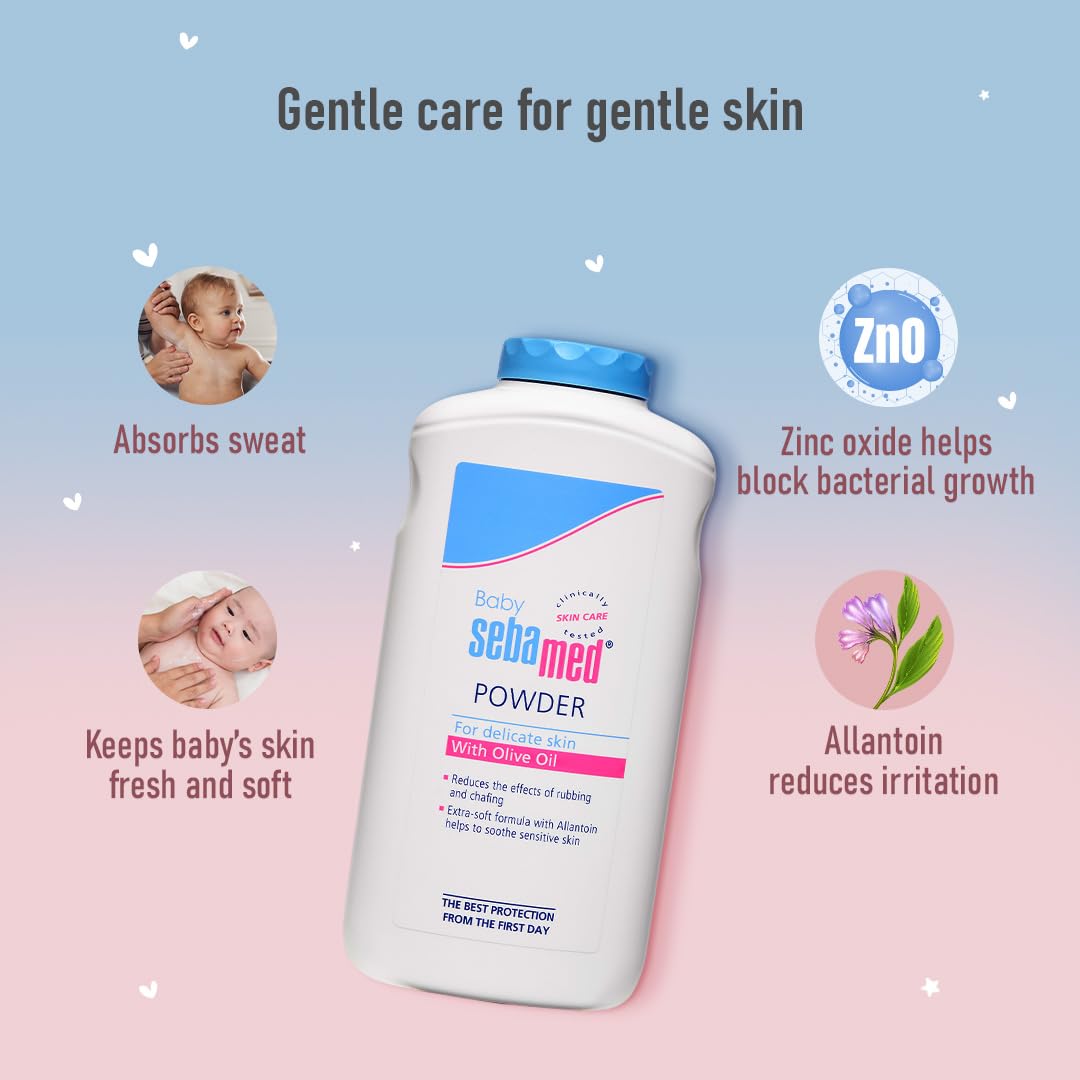
Sebamed Baby Powder
- ✓ Talc-free, cornstarch-based
- ✓ Fragrance-free for sensitive skin
- ✓ Dermatologist tested
* We earn a small commission — at no extra cost to you.
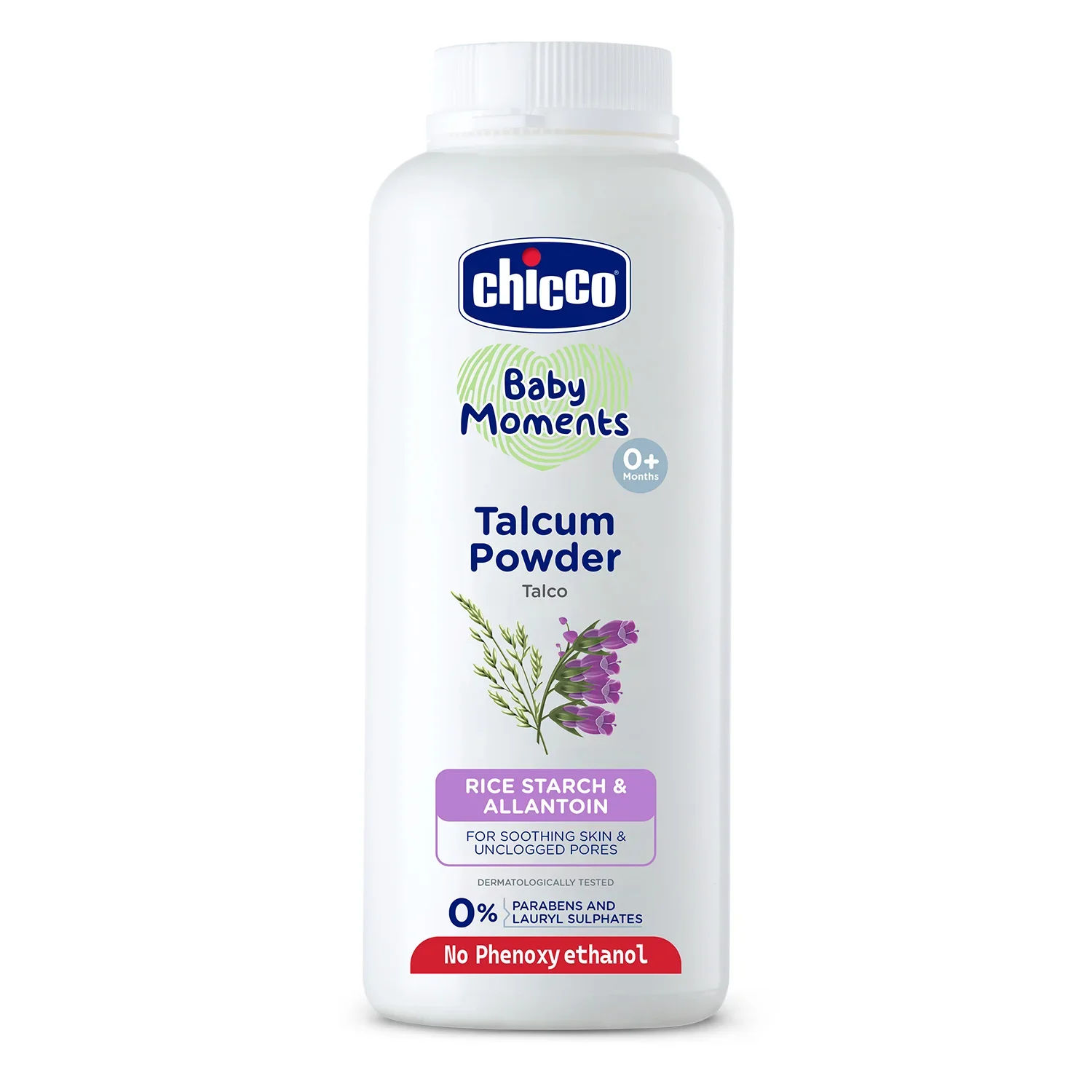
Chicco Baby Moments Talc-Free Powder
- ✓ Talc-free, cornstarch-based
- ✓ Contains zinc oxide for rash prevention
- ✓ Budget-friendly
* We earn a small commission — at no extra cost to you.
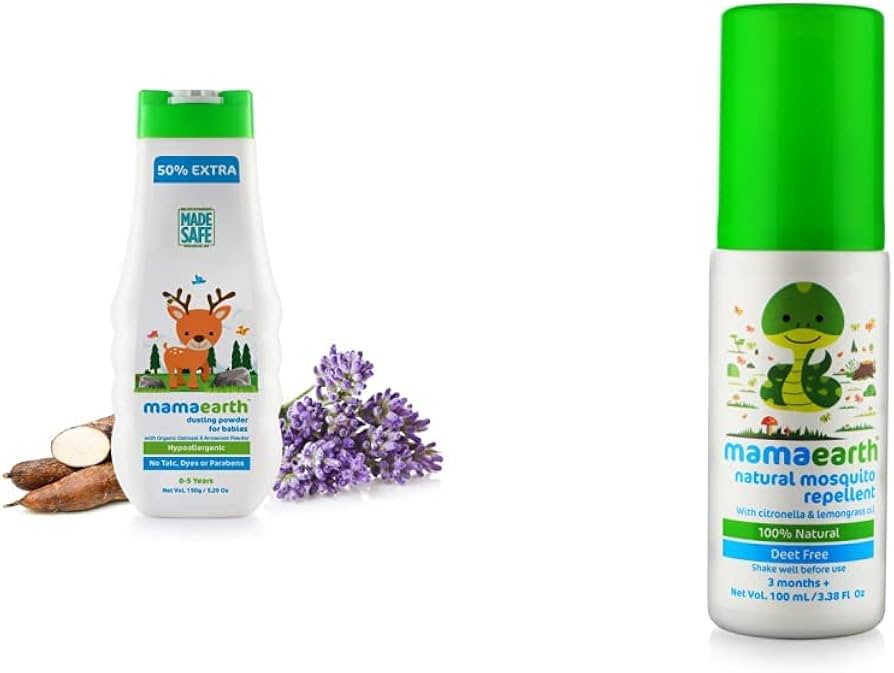
Mamaearth Talc-Free Powder
- ✓ Talc-free, rice-starch and arrowroot base
- ✓ No harmful chemicals disclosed
- ✓ Performs well in humid climates
* We earn a small commission — at no extra cost to you.